Amazing Facts about White Banded Tarantula
The White Banded Tarantula (Acanthoscurria geniculata), also known as the Giant White Knee tarantula, is a captivating arachnid that has gained popularity among tarantula enthusiasts. These impressive creatures originate from the tropical rainforests of Brazil and are known for their striking appearance and relatively docile temperament. Understanding the unique aspects of these tarantulas provides insights into their biology, behavior, and the best practices for their care. This article will explore five amazing facts about the White Banded Tarantula, shedding light on why they are such a fascinating species. These facts will cover their appearance, origin, behavior, diet and conservation status, giving a comprehensive overview of this amazing creature.
Appearance and Characteristics
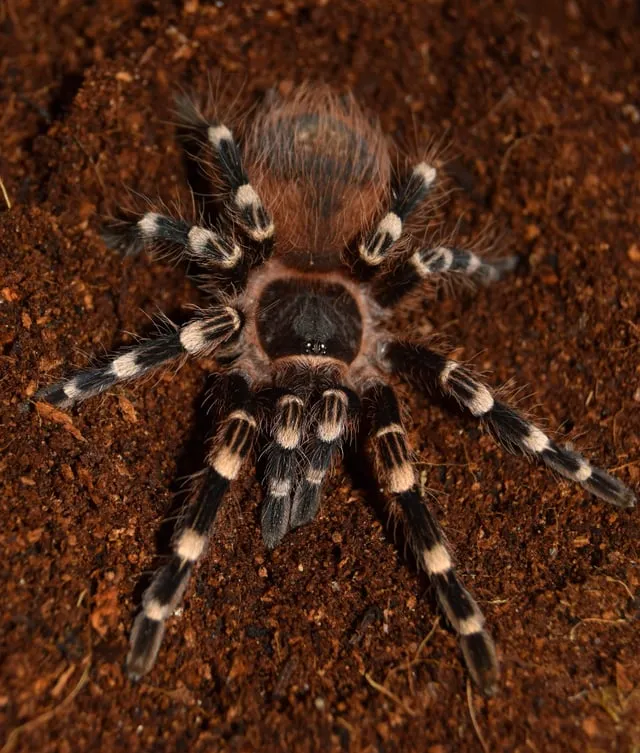
The White Banded Tarantula is immediately recognizable due to its distinct coloration. The spiders have a dark brown or black body, with striking white bands across their knees, which give them their common name. These bands provide a stark contrast against the dark background, making them visually appealing. Beyond their color, White Banded Tarantulas are large spiders. Females can reach a leg span of up to 8 inches, making them one of the larger tarantula species kept as pets. Their robust build, coupled with their vibrant markings, makes them a truly majestic sight for any tarantula keeper or observer. The combination of size and distinctive coloration makes them a favorite among tarantula keepers.
Size and Lifespan

As previously mentioned, the White Banded Tarantula is a large species. The size of the White Banded Tarantula is also a key feature that makes it a popular choice. Mature females are significantly larger than males, with a leg span that can exceed 8 inches. This impressive size is a testament to their robust nature and makes them a centerpiece in any collection. The lifespan of these tarantulas also contributes to their appeal. Females can live for up to 10-15 years, providing many years of enjoyment and observation for their owners. Males, however, have a shorter lifespan, typically living for only 3-5 years. The longevity of females is a significant factor for many enthusiasts when selecting a tarantula species to care for, making the White Banded Tarantula an excellent choice.
Coloration and Markings
The striking coloration and markings are what truly set the White Banded Tarantula apart. The contrast between the dark body and the prominent white bands on the legs is immediately noticeable. These white bands are not just for show, they play a crucial role in the tarantula’s visual identification. The dark body color provides excellent camouflage in the rainforest habitat, while the white bands help them to identify each other. The abdomen and carapace are typically a deep black or dark brown, which provides a nice contrast to the white bands. This color scheme makes them a visually stunning species, making them a highly sought-after species for tarantula hobbyists. The intricate patterns and vibrant colors make these tarantulas an aesthetically pleasing addition to any collection, which makes them a popular choice.
Origin and Habitat
Understanding the natural habitat of the White Banded Tarantula is essential for providing proper care. These tarantulas are native to the tropical rainforests of Brazil. Their natural environment provides clues to their preferred living conditions. Replicating this environment in captivity ensures the tarantula thrives. The humidity, temperature, and substrate of the natural habitat play a crucial role in their well-being. By understanding where they come from, keepers can create an ideal environment that mimics the lush, humid conditions of their native habitat, ensuring their overall health and happiness. Their origins provide invaluable information about their behaviors and needs.
Native Range

The White Banded Tarantula’s native range is primarily in Brazil, where they inhabit the tropical rainforests. Within these regions, they are often found in areas with dense vegetation and high humidity. The specific microhabitats they occupy include burrows in the ground, under logs, or among the roots of trees. Their distribution within Brazil reflects their need for a warm, humid environment. Their location in the Brazilian rainforests also means they share their habitat with various other species, which have an impact on their behavior and survival. The geographical distribution offers key insights into their adaptation and survival strategies.
Preferred Environment
White Banded Tarantulas thrive in environments that replicate their natural rainforest habitat. This includes a high level of humidity, typically between 70% and 80%, and a temperature range between 75°F and 85°F (24°C to 29°C). A substrate of coconut fiber or a similar moisture-retaining material is essential for maintaining humidity. They also need a hide, such as a piece of cork bark, to provide a secure retreat where they can feel safe. Proper ventilation is also important to prevent mold and maintain air quality. The ideal environment includes appropriate temperature, high humidity, and a suitable substrate and hiding place. Providing this environment is crucial to the health and well-being of the White Banded Tarantula in captivity.
Behavior and Temperament
The temperament of the White Banded Tarantula is a key factor for both beginner and experienced keepers. They are generally considered a docile species. While they may display defensive behaviors when threatened, they are not as prone to biting as some other tarantula species. However, it is essential to handle them with care and respect. Their behavior in captivity often reflects their natural instincts, including their predatory behavior and their need for a safe, secure environment. Understanding their behavior and temperament is vital for safe and enjoyable tarantula keeping. Keeping a good eye on their behavior and defensive strategies is key to caring for this species. The White Banded Tarantula is not prone to biting and displays defensive behavior when threatened.
Defensive Mechanisms
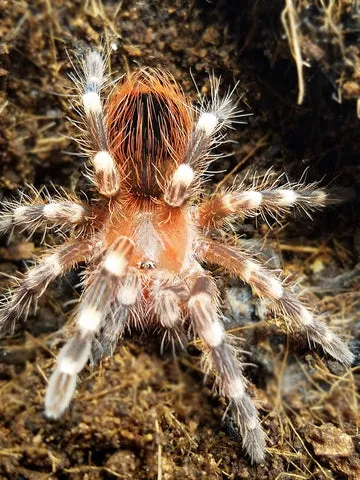
Like all tarantulas, the White Banded Tarantula has defensive mechanisms it uses when it feels threatened. Their primary defense is to flick urticating hairs from their abdomen. These hairs are irritating and can cause skin and eye irritation in humans. They also may adopt a threat pose, rearing up and displaying their fangs. If cornered, they might bite, although this is rare. Being aware of these defenses helps keepers avoid unnecessary stress and potential harm. The use of their defense mechanisms is an important part of their behavior. Understanding their defenses is essential for safe handling and care of the species. It is important to stay calm, handle with care, and avoid any actions that could be perceived as a threat to the tarantula.
Interaction with Humans
Interaction with humans should be handled with caution, as with any tarantula. While generally docile, White Banded Tarantulas can become defensive if they feel threatened. Therefore, it is crucial to handle them gently and avoid sudden movements. Regular handling is not recommended as it can stress the tarantula. If handling is necessary, it should be done with the tarantula close to the ground or a soft surface to prevent injury if it falls. It is important to wash your hands before and after handling to prevent the transmission of any substances. The well-being of the tarantula should always be a priority. These interactions can be a positive experience if done carefully and with respect for the animal.
Diet and Feeding Habits
The feeding habits of the White Banded Tarantula are crucial to their health and well-being. In the wild, they are opportunistic predators, feeding on insects, other invertebrates, and sometimes small vertebrates. In captivity, their diet is easily replicated, making them relatively easy to care for. Feeding the right kind of food, in the right amounts, is vital to their overall health. Understanding their diet provides insights into their behavior and requirements. Proper feeding habits will help your White Banded Tarantula thrive. The White Banded Tarantula has a relatively easy-to-replicate diet and is an opportunistic predator, which makes it relatively easy to care for in captivity.
What they eat

The White Banded Tarantula is an opportunistic feeder. A varied diet is essential to their health. A diet consisting primarily of insects is ideal. Crickets, roaches, mealworms, and other commercially available insects make up the bulk of their diet. It is important to ensure that the insects are gut-loaded before feeding to provide the tarantula with essential nutrients. Occasionally, you can also offer them larger prey items, such as small lizards or rodents, but these should be given infrequently. The variety of their diet is important to ensure they receive all the necessary nutrients. Providing a varied diet ensures that they get all the necessary nutrients to thrive. Feeding your tarantula the right kinds of prey items will help it to thrive.
Feeding Frequency
The feeding frequency of the White Banded Tarantula depends on its age and size. Spiderlings and juveniles should be fed more frequently, typically two to three times a week. As they mature, the feeding frequency can be reduced. Adults can be fed once every one to two weeks, or even less often. It’s important to remove any uneaten prey items within 24 hours to prevent stress. Overfeeding is a common mistake. The feeding frequency should be adjusted based on the tarantula’s body condition. Adjust the feeding frequency based on their needs and body condition to ensure they remain healthy. Providing the right amount of food at the right time will keep your tarantula happy and healthy.
Conservation Status
The White Banded Tarantula, while not currently listed as an endangered species, faces threats in the wild due to habitat loss and collection for the pet trade. Awareness of these threats is vital for ensuring the species’ survival. Conservation efforts play a crucial role in the preservation of their natural habitats. Understanding their conservation status is crucial to ensuring that they continue to thrive in the future. These efforts are essential to ensuring that these fascinating creatures continue to thrive in the wild. The conservation status of the White Banded Tarantula is an important part of their life. Awareness of threats and proper conservation efforts are essential for their continued survival.
Threats to the Species

The White Banded Tarantula faces several threats in the wild. Habitat destruction, particularly due to deforestation, is a significant concern, reducing the area available for them to live and breed. The pet trade also poses a threat, as over-collection can deplete wild populations. Climate change is another emerging threat, as changing environmental conditions can impact their habitat. These threats, both natural and human-induced, have the potential to impact their numbers. Awareness of the threats they face and the impact that these threats have on their environment is crucial to ensure their survival. Understanding the various threats to their survival helps in planning conservation efforts.
Importance of Conservation
Conservation efforts are essential for protecting the White Banded Tarantula. Protecting their natural habitats is crucial. Supporting sustainable pet trade practices can also help to reduce the impact on wild populations. Education and awareness campaigns can play a significant role in conservation. By educating the public about the importance of tarantulas and their role in ecosystems, we can encourage responsible behavior. Encouraging responsible practices, like captive breeding, can reduce the demand for wild-caught specimens. Conservation of the White Banded Tarantula ensures the preservation of biodiversity. Proper conservation efforts are essential for securing their future. Everyone has a role in the conservation of the White Banded Tarantula.