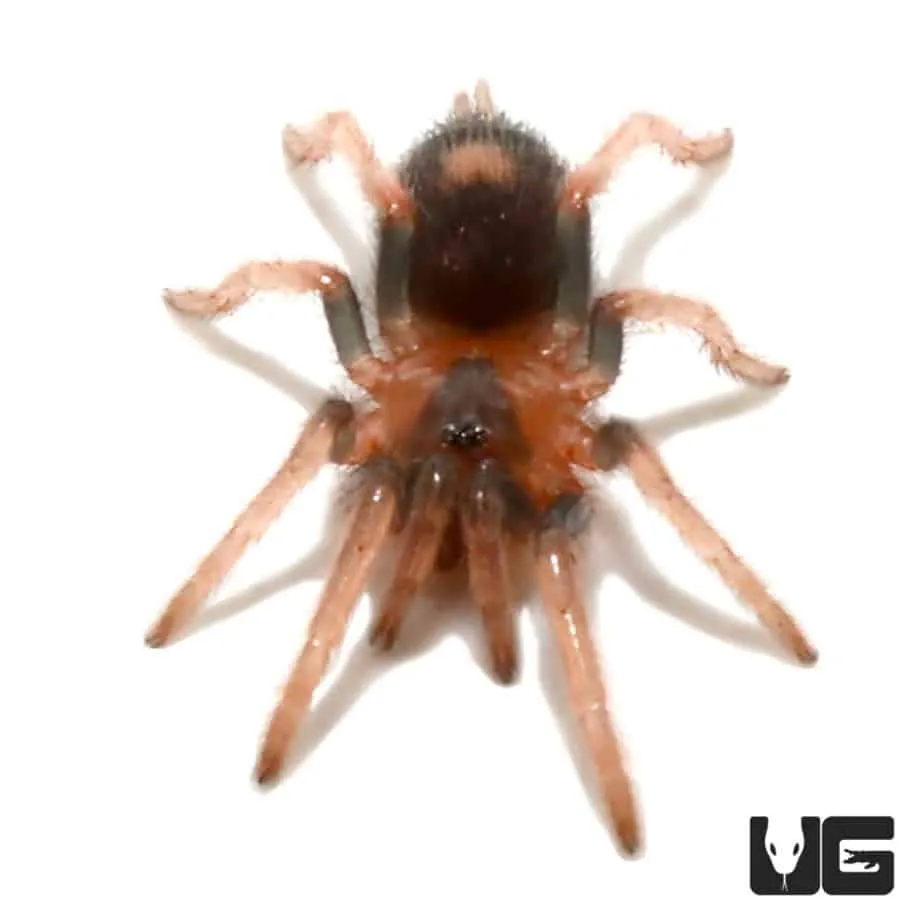
Trinidad Dwarf Tarantula Top 5 Care Tips
The Trinidad Dwarf Tarantula, a captivating and relatively small species, has gained popularity among tarantula enthusiasts. Their manageable size and intriguing appearance make them an appealing pet. However, like all exotic pets, these spiders have specific needs that must be met to ensure their health and well-being. Providing the right environment and care is essential. This guide will delve into the top 5 care tips, covering essential aspects from enclosure setup to handling, equipping you with the knowledge to keep your Trinidad Dwarf Tarantula thriving. Careful attention to these details will allow you to enjoy your pet spider for years to come.
Choosing the Right Enclosure
The enclosure is the foundation of your tarantula’s habitat, and selecting the right one is critical. A proper enclosure provides a secure and comfortable environment, allowing your tarantula to thrive. Avoid glass aquariums as they don’t allow for cross ventilation. Consider plastic enclosures with secure lids and ventilation holes to maintain optimal conditions. The enclosure should be appropriately sized for the tarantula, as a too-large enclosure may make it difficult for the spider to find food, while a too-small enclosure restricts movement and growth. Always prioritize security to prevent escapes and ensure your tarantula’s safety.
Enclosure Size and Type

For a Trinidad Dwarf Tarantula, a terrestrial species, a smaller enclosure is ideal. A rectangular enclosure, approximately 8x8x8 inches, is usually sufficient for an adult. This size allows for adequate space for movement while maintaining the necessary humidity levels. The enclosure material should be clear, allowing for easy observation of your pet. A plastic enclosure is generally the preferred choice due to its durability and ease of maintenance. Ensure the enclosure has a secure lid with proper ventilation to prevent escapes while allowing airflow. Always consider the eventual size of your tarantula when selecting the enclosure to avoid the need for frequent changes as it grows. Avoid enclosures that are too tall, as they could cause injury if the tarantula falls.
Substrate and Decor
The substrate not only provides a surface for your tarantula to walk on but also helps regulate humidity. A substrate mixture of peat moss, coco fiber, and vermiculite is recommended. These materials retain moisture and help maintain the appropriate humidity level. The substrate should be deep enough for the tarantula to burrow if it desires. Adding decor such as cork bark, fake plants, and sturdy hides can enrich the enclosure and provide a sense of security. Ensure that all decorations are securely placed to prevent them from falling and potentially harming the tarantula. Avoid using sharp or rough materials that could injure your pet. Regularly inspect and clean the enclosure to maintain a healthy environment.
Maintaining Proper Humidity and Temperature
Humidity and temperature play crucial roles in the health and well-being of a Trinidad Dwarf Tarantula. These environmental factors influence their ability to molt, feed, and thrive. Monitoring and adjusting these elements are essential for ensuring your tarantula’s comfort and longevity. Investing in a reliable hygrometer and thermometer allows you to accurately monitor the conditions within the enclosure. Proper ventilation and regular maintenance are also key to controlling these parameters.
Ideal Humidity Levels

Trinidad Dwarf Tarantulas thrive in a humid environment, typically between 70% and 80% humidity. To achieve this, mist the enclosure with dechlorinated water a few times a week, depending on the ventilation and substrate type. The goal is to maintain a slightly damp substrate. Avoid oversaturating the enclosure, as this can lead to mold growth, which is harmful to the tarantula. Regularly check the humidity levels using a hygrometer, and adjust the misting frequency accordingly. Adequate ventilation is also essential to prevent the build-up of excess moisture and maintain a healthy environment.
Temperature Requirements
The ideal temperature range for a Trinidad Dwarf Tarantula is between 75°F and 80°F (24°C to 27°C). Maintaining a stable temperature is crucial for their metabolism and overall health. If the ambient room temperature is consistently below this range, you may need to use a heat source, such as a low-wattage heat mat placed on the side of the enclosure. Avoid placing the heat mat directly under the enclosure, as it can cause the substrate to dry out too quickly. Always monitor the temperature with a reliable thermometer to ensure it stays within the recommended range. Avoid direct sunlight, as this can overheat the enclosure and be detrimental to your tarantula.
Feeding Your Trinidad Dwarf Tarantula
Proper nutrition is vital to your tarantula’s growth and well-being. Providing a balanced diet ensures that your pet receives the necessary nutrients. The type and frequency of feeding should be adapted to the spider’s age and size. Overfeeding can lead to obesity and health issues, while underfeeding can hinder growth. Observing your tarantula’s behavior and adjusting the feeding schedule accordingly is essential. Always remove any uneaten prey items from the enclosure to prevent the build-up of waste and potential hazards.
Appropriate Food Choices

The Trinidad Dwarf Tarantula primarily feeds on live insects. Crickets, roaches, and mealworms are common and readily available food sources. The size of the prey should be appropriate for the size of your tarantula. As a general rule, the prey should be no larger than the tarantula’s body. Dusting the prey with calcium and vitamin supplements can help ensure your tarantula receives essential nutrients. Avoid feeding wild-caught insects, as they may carry parasites or pesticides. Always provide fresh, healthy food to keep your tarantula thriving. Observe the spider’s eating habits to identify any issues or changes in appetite.
Feeding Frequency
The feeding frequency depends on the age and size of the tarantula. Spiderlings should be fed two to three times per week, while adults can be fed once a week. Observe your tarantula’s abdomen; if it appears round and full, it is likely well-fed. If the abdomen appears shrunken, increase the feeding frequency. Adjust the feeding schedule during molting, as tarantulas usually stop eating before and during molting. Always provide a fresh water source to prevent dehydration. Remove any uneaten prey within 24 hours to avoid stressing the tarantula or introducing unwanted pests into the enclosure.
Watering and Hydration
Water is critical for all living creatures, and tarantulas are no exception. Proper hydration is essential for their health, particularly during molting. Dehydration can lead to serious health issues. Always provide a clean and accessible water source to ensure your tarantula remains adequately hydrated. Regular monitoring and maintenance of the water source are also necessary. Improper hydration can lead to serious health issues, making the provision of fresh water extremely important.
Providing Fresh Water

A shallow water dish, such as a bottle cap, filled with fresh, dechlorinated water is a must. Make sure that the water dish is easily accessible and that the tarantula can reach it without any difficulty. Replace the water regularly, typically every one to two days, to prevent the growth of bacteria and maintain cleanliness. Provide a shallow water dish to minimize the risk of drowning. For smaller spiderlings, use a water source like a cotton ball soaked in water to reduce any drowning risk. Ensure the water source is always available and accessible.
Misting for Humidity
In addition to providing a water dish, misting the enclosure can help maintain the necessary humidity levels, especially in drier climates. Use a fine mist spray bottle to lightly mist the substrate and the sides of the enclosure. Be careful not to oversaturate the enclosure, as this can lead to mold growth and other problems. Misting frequency depends on the humidity levels, typically a few times a week is sufficient. Regularly monitor the humidity levels with a hygrometer to ensure they remain within the recommended range.
Handling and Safety Precautions
While Trinidad Dwarf Tarantulas are relatively docile, handling them requires careful consideration. Their venom is not considered medically significant to humans, but a bite can still be painful. Moreover, tarantulas can be easily injured if dropped. Therefore, it is always best to minimize handling. If you choose to handle your tarantula, do so cautiously and with respect for its well-being. Understanding your tarantula’s behavior is crucial in minimizing risks.
Understanding Tarantula Behavior

Tarantulas can exhibit different behaviors depending on their mood and environment. Understanding these behaviors can help you assess your tarantula’s state of well-being. A stressed tarantula might flick hairs, rear up, or try to escape. A relaxed tarantula might sit quietly or explore its enclosure. Learn to recognize these signals to handle your tarantula safely and avoid unnecessary stress. Familiarize yourself with your tarantula’s habits to anticipate its reactions and handle it with confidence. Avoid sudden movements and loud noises, which can startle them.
Safe Handling Practices
If you choose to handle your Trinidad Dwarf Tarantula, do so with great care. Handle them close to the ground or over a soft surface in case of a fall. Avoid handling them if they are about to molt, as they are more vulnerable during this period. Gently coax the tarantula onto your hand, letting it walk on. Do not try to grab or force it. Wash your hands before and after handling to prevent contamination. Avoid excessive handling to minimize stress. Always supervise children when they interact with the tarantula. When handling, remain calm and move slowly to avoid startling your pet.
By following these five key care tips, you can provide your Trinidad Dwarf Tarantula with a comfortable and healthy environment. Remember to continuously monitor their needs and adjust your care accordingly. With proper care and attention, your Trinidad Dwarf Tarantula can become a fascinating and rewarding pet, bringing enjoyment for years to come.