Introduction
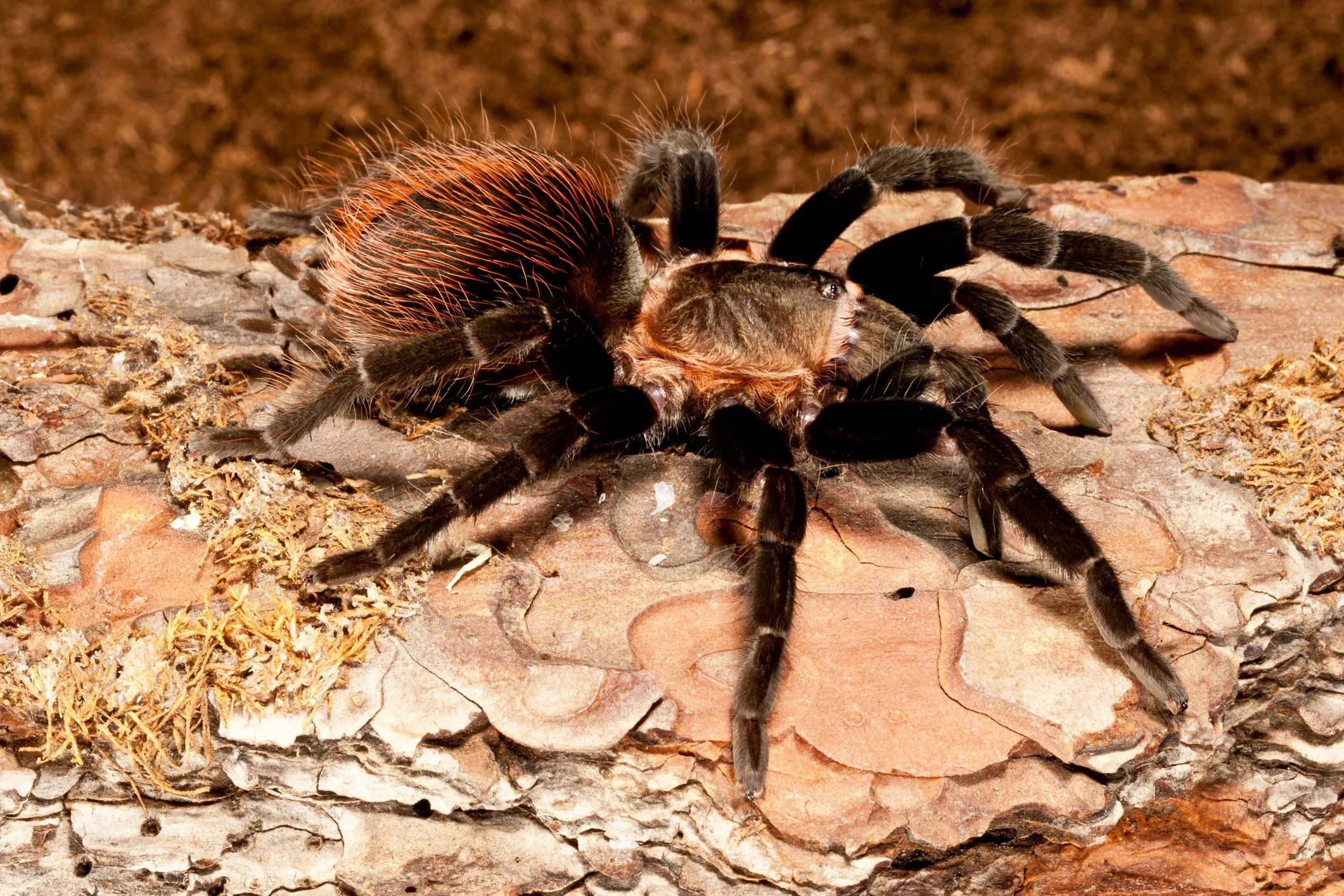
The world of arachnids holds a captivating allure, and few creatures embody this fascination quite like ornamental tarantulas. These spiders, with their striking colors, unique patterns, and captivating behaviors, have become increasingly popular pets among enthusiasts. But what exactly makes a tarantula “ornamental”? This guide delves into the realm of these beautiful creatures, exploring the key characteristics that make them prized possessions for spider aficionados and providing a comprehensive look at some of the most sought-after species. Whether you’re a seasoned tarantula keeper or a curious newcomer, this guide offers valuable insights into the world of ornamental tarantulas, ensuring you are well-equipped to choose the perfect species and provide the care they need to thrive.
What Makes a Tarantula Ornamental
The term “ornamental” when applied to tarantulas typically refers to those species prized for their visual appeal, their striking colors, patterns, and overall appearance. Beyond mere aesthetics, the ornamental value also considers aspects like their behavior and the ease of care. Ornamental tarantulas often showcase vivid hues, from the electric blues and greens to vibrant reds and oranges, or possess unique patterns that make them stand out. These features make them visually engaging pets that can transform a simple terrarium into a living work of art. The temperament of a tarantula also contributes to its ornamental value. Species that are relatively docile and allow for occasional viewing, without being overly aggressive, are often considered more desirable. Ultimately, an ornamental tarantula provides a combination of beauty, interesting behavior, and a manageable care routine that makes it a rewarding pet for the discerning enthusiast. The best ornamental species are a delightful blend of visual beauty and manageable care.
Coloration and Appearance

Coloration is a key factor in determining a tarantula’s ornamental value. Many species boast vibrant colors that rival the most exotic flowers and plants. Blues, greens, reds, oranges, and yellows are common, often displayed in striking patterns across their carapace, legs, and abdomen. The coloration often changes as the tarantula matures, with juveniles exhibiting different hues than adults. Some species also possess iridescent qualities, giving their colors a shimmering, metallic appearance that changes with the angle of light. The size and shape of the tarantula also play a role. Large, robust spiders with impressive leg spans often capture attention, while those with unique body shapes, such as the arboreal species, which have adapted to climbing, add to their overall appeal. The combination of these elements creates a visual spectacle that is the hallmark of an ornamental tarantula.
Temperament and Handling
The temperament of a tarantula is another important consideration when classifying it as ornamental. While few tarantulas are truly “handleable,” some species are known for their relatively docile nature and their willingness to tolerate limited interaction. Tarantulas with a calmer disposition are often more popular with keepers because they can be observed without the constant risk of defensive behaviors like striking or biting. However, it’s important to note that all tarantulas should be handled with caution, as they are fragile creatures. Even the most docile species can become defensive if they feel threatened. The ideal ornamental tarantula possesses a balance of beauty and manageability. The aim is to appreciate the spider without unnecessary interaction, prioritising the animal’s well-being and safety. While some species are more prone to defensive behaviours, others are known for their more relaxed attitudes.
Care and Maintenance
The ease of care and maintenance is a practical element that influences a tarantula’s ornamental value. Species that are relatively easy to care for, with straightforward requirements for temperature, humidity, and feeding, are often preferred. The ideal ornamental tarantula is one that can thrive with minimal effort. This makes it a great choice for those with less experience in tarantula keeping, or simply those who are looking for a pet that is not overly demanding. This includes things like a suitable enclosure, appropriate substrate, access to fresh water, and a diet of readily available insects. Regular maintenance, such as removing uneaten food and cleaning the enclosure, is essential for a healthy and happy tarantula, and this also contributes to the enjoyment of owning the species. The balance between beauty and manageable care is an important factor in choosing the perfect ornamental tarantula.
Top 7 Ornamental Tarantula Species

Brazilian Blue Tarantula
The Brazilian Blue tarantula (Pterinopelma sazimai) is a true gem of the tarantula world. Known for its stunning metallic blue coloration that intensifies with age, this species offers a captivating visual experience. The Brazilian Blue tarantula is generally considered a good beginner species, its beauty, combined with a relatively docile temperament, makes it an excellent choice for those starting their journey into the world of tarantulas. It is native to Brazil, where it is found in a range of habitats. The coloration changes as it matures, starting with a more muted hue and transitioning to a brilliant blue as it grows. This tarantula’s beauty, combined with its manageable care requirements, makes it a favourite among collectors and enthusiasts.
Greenbottle Blue Tarantula
The Greenbottle Blue tarantula (Chromatopelma cyaneopubescens) is an absolute stunner. Native to the island of Bonaire, this species is famous for its vibrant colors – a combination of metallic blue legs, a green carapace, and a reddish-orange abdomen. The contrast of these colours is truly breathtaking. Their beauty, combined with their interesting behaviours, makes them highly sought-after in the hobby. They are known to be web-spinners, creating elaborate web structures in their enclosures, and are usually active, making them great viewing pets. Their relatively docile temperament adds to their appeal, making them a favorite among keepers.
Pinktoe Tarantulas

Pinktoe tarantulas (Avicularia species) are known for their arboreal lifestyle, and their striking colours. These spiders are characterized by their vibrant pink toe pads, which provide an excellent contrast against their dark bodies. The most popular Pinktoe species include the Antilles Pinktoe (Avicularia versicolor), which boasts iridescent blue, green, and purple hues on its body. They are native to the Caribbean islands and are known for their docile nature. They are also relatively fast-growing, and their colours become more intense as they mature. Their manageable size and care requirements make them a wonderful choice for both beginners and seasoned keepers. They are often seen out in the open, making them an attractive and enjoyable species.
Goliath Birdeater
The Goliath Birdeater (Theraphosa blondi) is the world’s largest tarantula species, which makes it quite the spectacle. While not as vividly colored as some other species, its sheer size and impressive leg span (up to 12 inches) make it a striking sight. This species is native to the rainforests of South America. Though they are known for their defensive behaviours, the Goliath Birdeater offers a unique and awe-inspiring experience for those who appreciate large, impressive arachnids. This species demands a bit more care, including larger enclosures and special considerations for feeding and handling, but it provides an unparalleled experience.
Mexican Red Knee Tarantula
The Mexican Red Knee tarantula (Brachypelma hamorii) is one of the most iconic and popular tarantula species. Their striking appearance, with its black body and vibrant red-orange markings on its legs, makes them a true beauty. They are native to the deserts of Mexico, this species is known for its docile temperament and its relatively easy care requirements. They are also quite long-lived, with females often surviving for over 20 years. The Mexican Red Knee is an excellent choice for beginner and experienced keepers, it’s a fantastic species that provides a beautiful and interesting addition to any collection, and is a staple for good reason. They are very popular and easy to find in the pet trade.
Chaco Golden Knee Tarantula

The Chaco Golden Knee tarantula (Grammostola pulchripes) is a beautiful and relatively docile species, native to Argentina and Paraguay. Their coloration features a dark body with golden-orange markings on their legs, which intensifies with maturity. Their calm temperament and ease of care have made them a popular choice for keepers of all experience levels. They are relatively hardy and adaptable to various conditions. Their manageable size and predictable behaviour make them great for observation. These spiders are a captivating addition to any collection, providing a combination of beauty and ease of care that is difficult to beat.
Psalmopoeus irminia
Psalmopoeus irminia, also known as the Venezuelan Suntiger, is a vibrant and active arboreal species. Known for their striking coloration, with a black body adorned with orange or yellow stripes, this species is a visually stunning. They are native to Venezuela and other parts of northern South America. They are known for their fast growth rate and active behavior. The Suntiger’s arboreal lifestyle makes them particularly interesting to observe. While they can be a bit skittish, their beauty and activity make them a rewarding addition to any collection. This species’ beauty, activity, and manageable care requirements make it a desirable species in the hobby.
Tips for Choosing Your Tarantula
Consider Size and Growth Rate

Before acquiring an ornamental tarantula, it’s important to consider both its adult size and its growth rate. Larger species require larger enclosures, which can be more space-consuming and expensive. Some tarantulas, such as the Goliath Birdeater, can reach impressive sizes, necessitating careful planning for housing and care. Additionally, the growth rate influences the timeline of your pet’s development. Fast-growing species mature more quickly, while slower-growing ones can provide a longer period of enjoyment. Understanding the size and growth rate is key to ensuring that you can provide your tarantula with a suitable environment throughout its life. This careful consideration ensures that the tarantula thrives, and provides a more accurate reflection of the pet’s development over time.
Research Temperament and Handling
Thoroughly research the temperament of the tarantula species you’re considering. Some species are known for their docile nature and willingness to tolerate handling, while others are more defensive and prone to biting or kicking urticating hairs. It is always best to exercise caution and treat all tarantulas with respect. Read up on the defensive behaviors of the species you are considering. Understanding these behaviors and their triggers is essential for minimizing the risk of being bitten or otherwise injured. It is always important to remember that safety should always be your top priority. Observe the tarantula’s behavior to learn about its temperament. Consider the needs of the tarantula, and its suitability for your experience level. If you are a beginner, it is better to select a species with a more docile and calmer nature, until you are familiar with the species’ needs.
Set Up the Right Enclosure
Setting up the right enclosure is essential to the health and well-being of your ornamental tarantula. The enclosure must be appropriately sized for the species, with enough space for the tarantula to move around. The enclosure should also include proper substrate, such as coconut fiber or peat moss, which helps maintain humidity and provides a place for the tarantula to burrow. Provide a water dish, a hide, and some decorations to enrich the environment. The enclosure should be secure, with a tight-fitting lid to prevent escape. The enclosure should also be easy to clean. Temperature and humidity levels should be monitored and adjusted to suit the species. You can ensure that the tarantula has a comfortable, secure home and provides for its needs.
Conclusion

Ornamental tarantulas offer a captivating blend of beauty, fascinating behavior, and relatively manageable care, making them a rewarding choice for both novice and experienced pet owners. By understanding the defining characteristics of ornamental species, from their striking coloration and patterns to their temperaments and care requirements, enthusiasts can make informed choices and provide their spiders with the best possible environment. The world of ornamental tarantulas is as diverse as it is enchanting, and with careful selection and diligent care, you can bring these living jewels into your home and enjoy the wonders of the arachnid world. The joy of watching your tarantula grow, thrive, and display its unique personality is an experience that continues to captivate spider lovers worldwide.