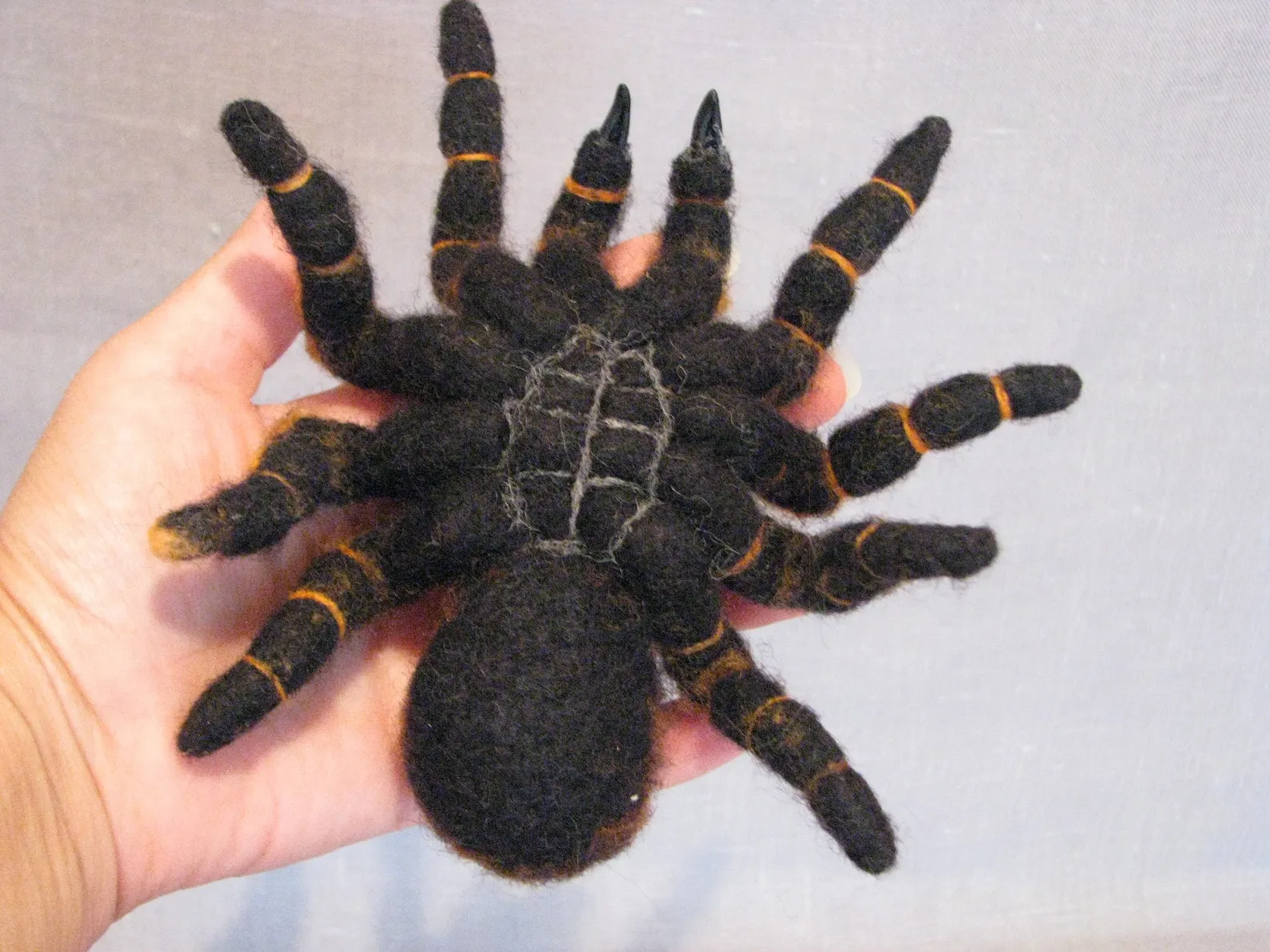
Why Buy a Tarantula Spider?
Considering a tarantula for sale is a big decision, and you might be wondering why these fascinating creatures make such intriguing pets. Tarantulas offer a unique pet-owning experience, diverging significantly from the typical dog or cat. Their appeal lies in their relatively low maintenance requirements, their captivating behaviors, and the educational opportunities they provide. They’re also a great option for people who are allergic to other pets, and are very quiet pets, which will not cause noise pollution in your home.
Benefits of Owning a Tarantula
Owning a tarantula offers several distinct advantages. Beyond the novelty factor, they are generally less demanding than many other pets. Their care primarily revolves around providing an appropriate habitat, regular feeding, and ensuring a suitable temperature and humidity. This relative simplicity makes them an excellent option for people with busy lifestyles or those new to pet ownership. Moreover, observing tarantulas offers a unique window into the world of invertebrates, their behaviors, and their survival strategies.
Low Maintenance Pets

Compared to dogs or cats, tarantulas require minimal daily attention. The most time-consuming tasks involve occasional habitat maintenance, such as spot cleaning and substrate changes. Feeding typically occurs a few times a week, depending on the tarantula’s age and species. They do not need walks or playtime, making them ideal pets for individuals with limited time or mobility.
Fascinating Behavior
Tarantulas exhibit a range of interesting behaviors, such as molting, web-spinning, and prey stalking. Watching a tarantula hunt or construct its web can be a captivating experience. Their slow, deliberate movements and unique adaptations provide a constant source of fascination for owners. Learning about these behaviors can provide insight into arachnid biology and ecology.
Educational Value
Owning a tarantula can be a great educational experience, especially for children. It teaches responsibility, as the owner is accountable for the tarantula’s survival. The animal can be an opportunity to learn about biology, arachnids, and ecosystems. The process of learning about tarantulas sparks an interest in science and nature.
Types of Tarantula Spiders Available for Sale

The world of tarantulas is incredibly diverse, with hundreds of species available for sale, each with its unique characteristics, coloration, and behavior. This variety allows potential owners to select a tarantula that best suits their preferences and experience level. Some species are known for their docile temperaments, while others are more defensive. Some are terrestrial, while others are arboreal.
Popular Tarantula Species
Several tarantula species are particularly popular among hobbyists due to their beauty, manageable size, and relatively docile temperaments. These often include species that are readily available for sale and are well-suited to beginners. Choosing one of these popular species can make the experience of raising a tarantula easier.
Chilean Rose Tarantula
The Chilean Rose tarantula (Grammostola rosea) is a favorite for its gentle nature and attractive appearance. They are relatively hardy and tolerant of handling, making them a good choice for beginners. Their lifespan can be quite long, sometimes exceeding 20 years, offering the owner a long-term commitment.
Mexican Red Knee Tarantula

The Mexican Red Knee tarantula (Brachypelma hamorii) is another popular species, known for its striking coloration and docile temperament. They are relatively easy to care for and are commonly available. These tarantulas are known for their orange or red markings on their knees, creating a very appealing look.
Goliath Birdeater Tarantula
The Goliath Birdeater (Theraphosa blondi) is one of the largest tarantula species, a bit more suited for experienced keepers. They can grow to impressive sizes, with a leg span exceeding 10 inches. They require a spacious enclosure and specialized care, but are nonetheless an amazing creature to have in your home. These tarantulas have a venom that is not very harmful to humans, though they can be defensive.
Where to Buy Tarantulas
When considering where to buy tarantulas, it’s important to choose a reputable source. The health and well-being of your tarantula depend on the care it receives from the seller. Understanding your buying options will improve your chances of finding a healthy, well-cared-for tarantula.
Local Pet Stores

Local pet stores often carry tarantulas, providing the advantage of seeing the spider in person before purchasing. It allows you to assess its health and behavior directly. However, selection may be limited, and the staff’s knowledge of tarantula care can vary. Make sure to ask questions and observe the conditions the tarantulas are kept in.
Online Tarantula Retailers
Online retailers offer a wide variety of tarantulas and often provide detailed information about each species, including care requirements. You can easily compare prices and species, but you won’t be able to see the tarantula in person before buying. Always check reviews and ensure the retailer has a good reputation for safe shipping practices.
Specialty Breeders
Specialty breeders are an excellent source for tarantulas, as they often have extensive knowledge and experience. Breeders usually focus on specific species and can provide valuable advice on care and breeding. Buying directly from a breeder also supports ethical practices and ensures the tarantula is handled with care from a young age.
Factors to Consider Before Buying

Before buying a tarantula, several factors must be considered. It’s important to carefully assess your lifestyle, your ability to provide proper care, and your comfort level with handling and feeding a live prey animal. Learning about these factors will help you to make an informed decision.
Tarantula Spider Health
A healthy tarantula is active, alert, and exhibits normal behaviors for its species. Check for any signs of injury, such as missing legs or damaged fangs. Examine the abdomen for any signs of parasites or discoloration. A healthy tarantula is more likely to thrive in its new home and live a long life.
Tarantula Spider Temperament
Different tarantula species have varying temperaments. Some species are known for being docile and easy to handle, while others are more defensive and may bite or flick urticating hairs as a defense mechanism. Consider your experience level and choose a species with a temperament you feel comfortable handling. Research the specific species you are interested in.
Tarantula Spider Size and Lifespan

Tarantulas range in size, from small dwarf species to large giants like the Goliath Birdeater. Consider the adult size of the tarantula when choosing a species, as this will determine the size of the enclosure needed. Tarantula lifespans vary greatly, with females typically living longer than males. Some species can live for over 20 years, so be prepared for a long-term commitment.
How to Choose a Healthy Tarantula
Selecting a healthy tarantula is crucial for its well-being. Take the time to observe the spider closely before making a purchase. If you are looking for tarantulas for sale, be sure to follow these tips to help increase your odds of success.
Signs of a Healthy Tarantula
A healthy tarantula should appear active and alert. It should respond to stimuli, such as movement near its enclosure. The abdomen should be plump, and the legs should be intact and move smoothly. Look for a shiny carapace and well-defined markings. The tarantula should be moving around its enclosure without any difficulty.
Signs of an Unhealthy Tarantula
Avoid tarantulas that appear lethargic or unresponsive. Look for any signs of injury, such as missing legs or damaged fangs. A sunken or wrinkled abdomen can indicate dehydration or illness. Also, check for any parasites or unusual growths. Any unusual behaviors should be regarded with caution. Ensure the enclosure is clean and well-maintained before making a purchase.
Setting Up Your Tarantula’s Habitat
Providing a suitable habitat is essential for the health and well-being of your tarantula. The enclosure should mimic its natural environment, providing the necessary space, substrate, temperature, and humidity levels. A well-designed habitat minimizes stress and promotes natural behaviors.
Choosing the Right Enclosure
The enclosure should be appropriately sized for the tarantula’s adult size. It should be escape-proof and provide adequate ventilation. Glass or acrylic terrariums are common choices. Ensure the enclosure has a secure lid to prevent escape. For arboreal species, a taller enclosure is preferable, while terrestrial species require more floor space.
Substrate and Decor
The substrate should be appropriate for the tarantula’s species. Coconut fiber, peat moss, and potting soil are common choices. Provide a hide or shelter for the tarantula to retreat to. Add decorations, such as branches, rocks, or artificial plants, to create a more naturalistic environment. Be sure the decor is stable and does not pose a threat to the tarantula.
Temperature and Humidity
Research the specific temperature and humidity requirements for your tarantula species. Use a thermometer and hygrometer to monitor the conditions. Provide a heat source, such as a heat mat or ceramic heat emitter, if necessary. Misting the enclosure regularly or providing a water dish helps to maintain proper humidity levels. Ensure the water dish is shallow to prevent drowning.
Feeding Your Tarantula
Feeding your tarantula is a crucial part of its care. The diet, feeding frequency, and prey items depend on the tarantula’s species, age, and size. A well-fed tarantula is more likely to thrive and exhibit healthy behaviors.
Types of Food
Tarantulas are primarily insectivores, and the most common prey items include crickets, mealworms, and roaches. The size of the prey should be appropriate for the tarantula’s size. Some larger species may also eat small lizards or mice. Always ensure the prey is healthy and free of pesticides.
Feeding Frequency
Younger tarantulas should be fed more frequently than adults, typically two to three times a week. Adults can be fed once a week or even less, depending on the species and individual tarantula. Observe your tarantula’s feeding behavior and adjust the feeding frequency accordingly. Remove any uneaten prey within 24 hours.
Handling Your Tarantula Safely
Handling tarantulas is not always necessary and should be approached with caution. Some species are more docile and tolerant of handling, while others are more defensive. Always prioritize the safety of both the tarantula and yourself when considering handling.
Precautions When Handling
Before handling a tarantula, research your species’ temperament and handling recommendations. Handle the tarantula over a soft surface, such as a bed or carpet, in case it falls. Avoid sudden movements and loud noises. Wash your hands thoroughly before and after handling to prevent the spread of any potential toxins.
How to Handle a Tarantula
Gently coax the tarantula onto your hand, allowing it to walk at its own pace. Avoid grabbing or squeezing the tarantula. Handle the tarantula for short periods, and observe its behavior for any signs of stress or aggression. Always be mindful of the tarantula’s urticating hairs and avoid contact with your eyes or face.
Common Mistakes to Avoid
When keeping tarantulas, there are several common mistakes to avoid. These mistakes can affect the tarantula’s health and longevity. Being aware of these mistakes helps you to give your new pet the best care possible.
Overfeeding, underfeeding, and improper enclosure setup are frequent mistakes that can be avoided. Always provide fresh water. Also, don’t handle the tarantula too frequently. Research the species’ specific needs and behaviors. If you aren’t prepared to do so, a tarantula may not be the right pet for you.
Conclusion
Bringing a tarantula into your home is a unique experience that can be very rewarding. With proper care and attention, tarantulas can make fascinating and long-lived pets. By researching, understanding the needs of the species, providing a suitable habitat, and practicing safe handling techniques, you can enjoy the benefits of owning a tarantula. Remember that finding the perfect tarantula for sale starts with thorough research and responsible pet ownership. Consider all the factors before buying a tarantula and start a rewarding experience.