What You Need to Film Tarantula Spiders
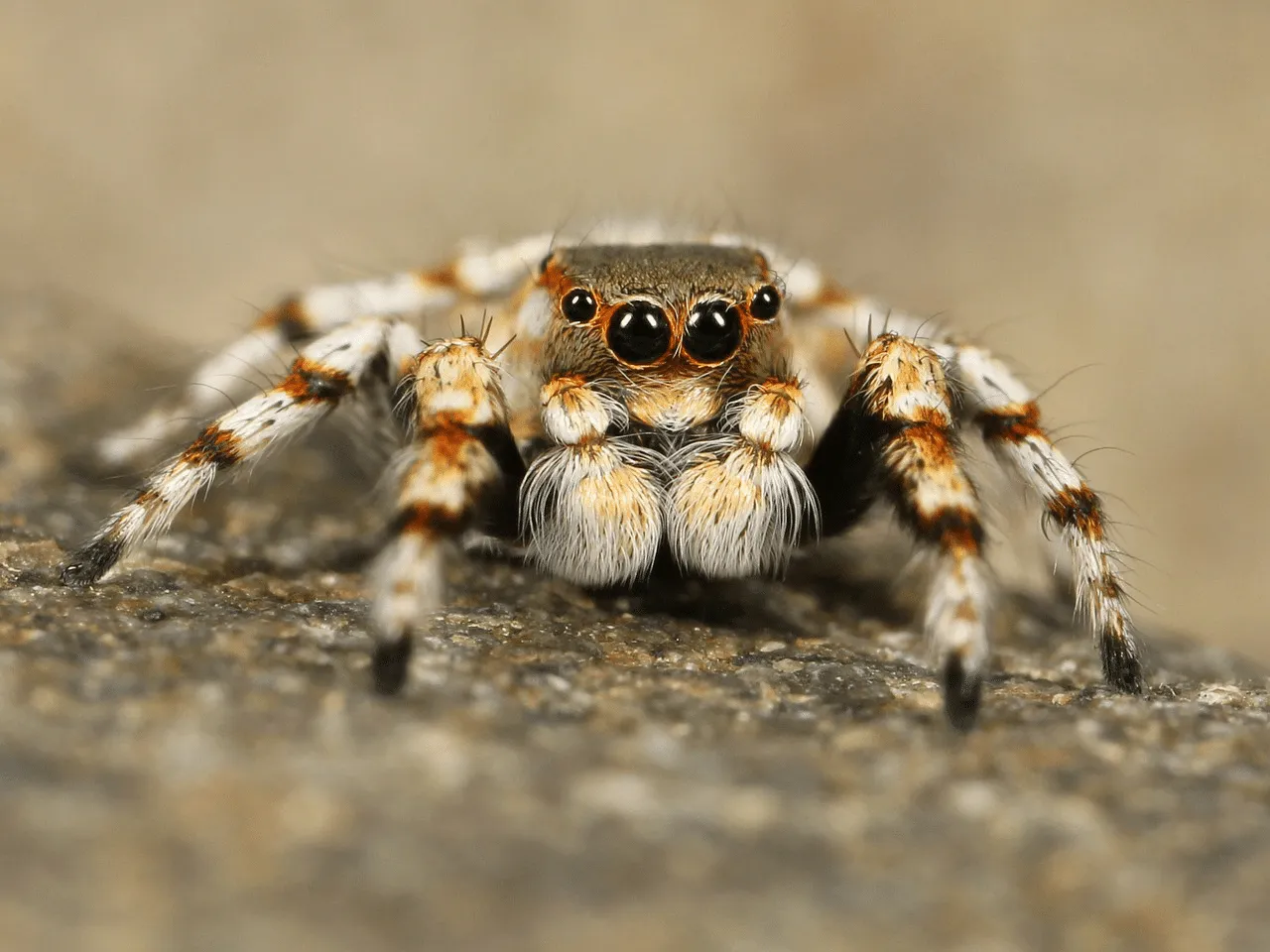
Creating captivating tarantula spiders videos requires more than just pointing a camera and hitting record. To truly showcase these fascinating creatures, you’ll need the right tools and a solid understanding of the process. This quick guide will walk you through everything you need to film tarantula spiders, from selecting the appropriate equipment to editing and sharing your final product. Prepare to embark on a rewarding journey into the world of arachnid videography, where patience, precision, and a keen eye for detail are your most valuable assets. Start by gathering the right tools to capture the beauty of these incredible creatures.
Essential Equipment for Tarantula Video
The foundation of any good tarantula video lies in the equipment you use. A good quality camera is obviously essential, but also consider supporting equipment. A sturdy tripod is non-negotiable; it prevents shaky footage and allows for smooth, controlled movements. Consider a macro lens, which lets you capture the intricate details of the tarantula up close. Think about the lighting, which can be as basic as a ring light or as elaborate as a full-blown studio setup. And of course, you’ll need a safe, appropriate enclosure to keep the tarantula during filming. Having the right gear is key to getting started in your tarantula videography journey.
Camera Selection for Tarantula Videos

The type of camera you choose will significantly impact the quality of your tarantula videos. While a smartphone can work in a pinch, a dedicated camera offers far more control over settings and image quality. Consider a DSLR or mirrorless camera with 4K video capabilities for the best results. These cameras provide excellent image quality and allow for interchangeable lenses, giving you flexibility in your shots. Also, look for cameras with good low-light performance, as tarantulas are often most active in dimly lit environments. Features like manual focus and adjustable frame rates will be invaluable for capturing detailed shots and creating smooth, professional-looking footage. Having the right camera is essential.
Lens Choices for Tarantula Filming
The lens you select is as important as the camera body itself. A macro lens is a must-have for tarantula videography. It allows you to get incredibly close to the spider, capturing details like hairs, fangs, and eyes that would otherwise be invisible. Consider also a standard zoom lens for general shots and a wide-angle lens to capture the tarantula’s environment. Remember to use a lens hood to minimize glare and protect your lens from dust and scratches. Experiment with different focal lengths to find what works best for your desired shots. Proper lens choice is key to creating compelling footage.
Lighting Techniques for Tarantula Spiders
Good lighting is crucial for any video, and tarantula videos are no exception. Tarantulas often thrive in a low-light environment, but filming them requires sufficient illumination. Avoid direct, harsh light, as it can stress the spider. Instead, use soft, diffused lighting. A ring light is an excellent option for macro shots, as it provides even illumination and minimizes shadows. You can also use softboxes or reflectors to diffuse natural light. Experiment with different lighting setups to find what best showcases your tarantula’s colors and features. Correct lighting enhances the visual appeal of your videos, and provides an enriching experience for the viewers.
Natural Light vs. Artificial Light

Both natural and artificial light have their pros and cons. Natural light, if available, can provide a soft, pleasing look. However, it can be inconsistent, changing throughout the day. Artificial light gives you more control. You can adjust the intensity, direction, and color temperature to suit your needs. When using artificial light, ensure that the light source does not generate too much heat, which could be detrimental to the tarantula. A combination of both natural and artificial light can work well, particularly in a controlled environment where you can supplement natural light with artificial light when needed. Using the right light makes your videos look better.
Setting Up Your Filming Environment
A well-prepared filming environment is essential for both your safety and the tarantula’s well-being. The setup should be a safe, controlled space where the spider feels secure and you have enough room to maneuver your equipment. This involves creating a setup where you can easily access and adjust your camera, lighting, and other equipment without disturbing the spider. Consider using a dedicated filming area or room to minimize outside disturbances. This meticulous planning is crucial to producing high-quality videos that capture the natural behavior of your tarantula.
Creating a Safe Space
Safety is paramount when filming tarantulas. Ensure the enclosure is secure and escape-proof. Never place your hands inside the enclosure unless absolutely necessary, and always use appropriate tools like tongs or feeding tweezers. Avoid any sudden movements or loud noises that could startle the spider. If you’re filming outside of the enclosure, make sure to supervise the spider at all times. Ensure your workspace is free from clutter and potential hazards, like electrical cords. Your careful planning can create a safe and secure environment for filming, and reduce risks.
Minimizing Disturbance

Tarantulas are sensitive to disturbances. Minimize any factors that could stress or agitate the spider. This includes keeping the filming area quiet, free from sudden movements, and avoiding direct eye contact with the spider for extended periods. Limit the number of people in the filming area and avoid using strong or bright lights unless absolutely necessary. Allow the spider to acclimate to the presence of the camera and lights before starting to film. A calm and undisturbed environment will encourage the tarantula to behave naturally, leading to more engaging footage. It also ensures the safety of the spider.
Understanding Tarantula Behavior
Understanding tarantula behavior is critical for successful filming. Knowing how tarantulas react to different stimuli allows you to anticipate their actions and capture compelling footage. Learning to read the spider’s body language helps you understand their mood, allowing you to film them in a way that respects their well-being. This involves recognizing the signs of stress, understanding their temperament, and knowing their natural behaviors. This knowledge is crucial for capturing natural behaviors, like feeding, molting, or grooming, and it also enables you to create a video that is both informative and entertaining.
Recognizing Signs of Stress
Tarantulas can display a variety of stress signals, which you must be able to recognize. These include defensive postures like raising their front legs, flicking hairs, or striking. If the spider seems agitated, it’s best to stop filming and allow it to calm down. Be aware of the spider’s body language throughout the filming process, and make adjustments as needed. If you notice signs of stress, give the spider a break. Respecting the spider’s boundaries leads to better videos. Learning to recognize these signs is crucial for ethical filming practices.
Knowing Tarantula Temperament

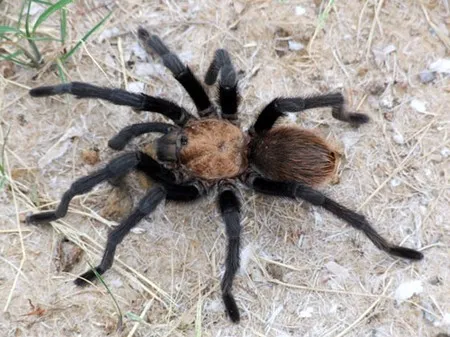
Tarantulas have varying temperaments, and it’s important to know the temperament of the specific species you are filming. Some species are more docile and easier to handle, while others are more defensive and prone to biting. Research the species beforehand to understand its typical behavior. Knowing the species’ temperament will help you anticipate their actions and film them safely and effectively. Your research can help you get better footage.
Capturing Compelling Footage
Capturing captivating footage requires patience, creativity, and a keen eye for detail. Your goal should be to tell a story through your videos, showcasing the beauty, mystery, and wonder of these creatures. This involves focusing on the action, highlighting their unique behaviors, and filming feeding time. Experiment with different angles, compositions, and camera movements to create visually appealing shots. It’s important to plan your shots and be prepared to wait for the perfect moment. This way you can create the best possible footage.
Focusing on Action
Tarantulas are not always the most active creatures, but they can exhibit fascinating behaviors. Focus on capturing these moments, such as feeding, molting, web-spinning, or grooming. Pay attention to the spider’s movements and be ready to capture any action. Macro shots can be particularly effective for showcasing the intricate details of these actions. Patience is key, and it will pay off with the ability to capture exciting and dynamic footage. Focus on getting the action shots.
Highlighting Unique Behaviors

Tarantulas possess many unique behaviors that make them fascinating subjects to film. Capture these behaviors to create compelling videos. Some behaviors to look for include the spider’s feeding habits, molting process, web-spinning, and defense mechanisms, like flicking hairs. Showcase these unique behaviors in your videos. The more you highlight them, the more the viewers will be interested in your videos.
Filming Feeding Time
Filming the feeding time of a tarantula is a classic and always captivating subject. Get up-close shots of the spider capturing and consuming its prey. Focus on the spider’s hunting techniques and the mechanics of how it eats. Be prepared to capture the action from beginning to end. Feeding videos often generate a lot of interest, so plan your shots accordingly. Feeding videos can be especially popular.
Editing Your Tarantula Video
Editing is a crucial step in the process of creating a professional-looking video. The editing stage is where you bring your footage to life. This involves choosing editing software, adding sound and music, and trimming and arranging your clips to create a compelling narrative. Editing is where the footage is transformed into a finished product. The right editing process will make your videos stand out.
Choosing Editing Software
There are numerous video editing software options available, ranging from free and basic to professional-grade. Some popular choices include Adobe Premiere Pro, Final Cut Pro, and DaVinci Resolve. When choosing software, consider your skill level, the features you need, and your budget. For beginners, simpler programs like iMovie or Filmora might be sufficient. As you progress, you can move to more advanced software. Choose software that suits your current needs.
Adding Sound and Music
Sound and music can significantly enhance your tarantula videos. Use background music to create a mood and enhance the viewing experience. Add natural sounds like the rustling of leaves or the clicking of the spider’s fangs. Be sure to choose music that is appropriate for your video’s tone and avoid copyrighted music unless you have permission. Audio adds depth and personality to your videos.
Finalizing and Sharing Your Video
Once your video is edited, it’s time to finalize it and share it with the world. Export your video in a high-quality format, such as 4K or 1080p, for optimal viewing. Choose a platform to share your video, such as YouTube, Vimeo, or social media. Write an engaging description, add relevant tags, and create an appealing thumbnail. Consider creating a series of videos to build an audience and share your knowledge and passion for tarantulas. Promoting your videos can grow your audience.