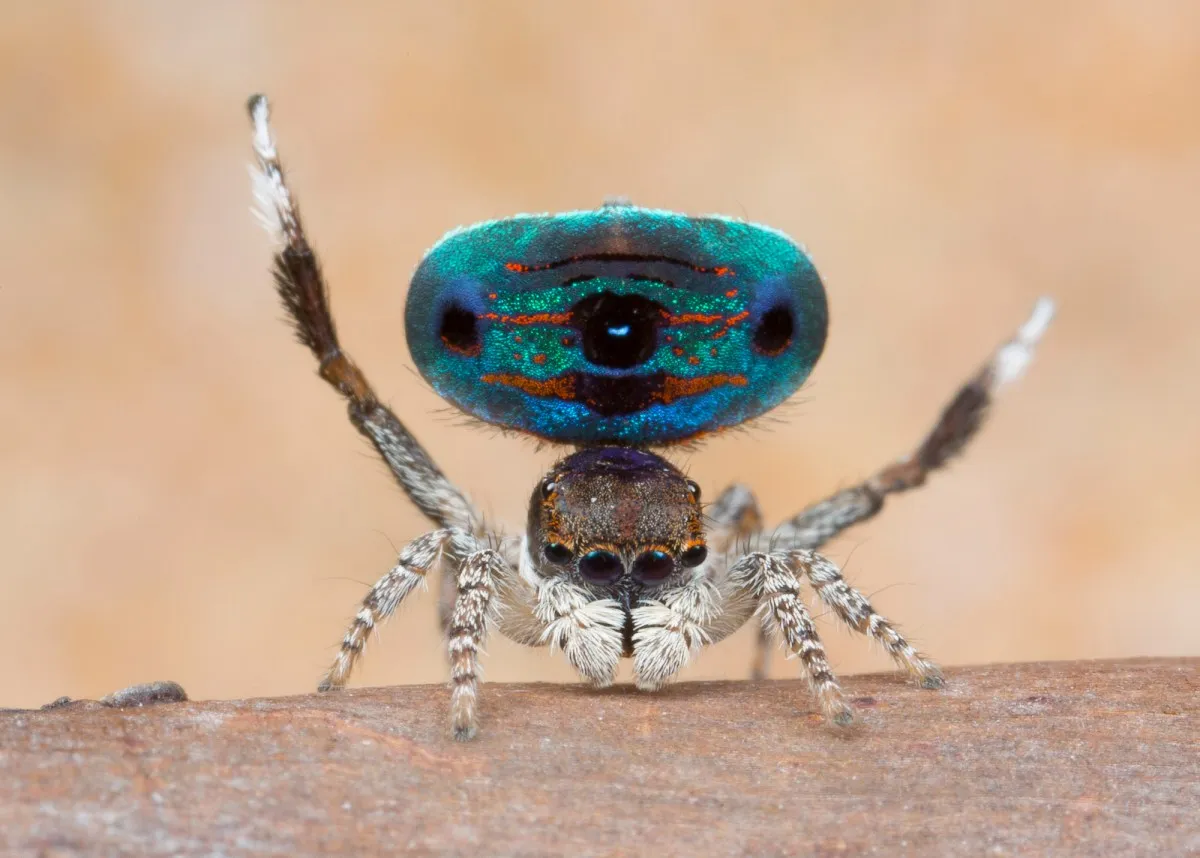
Australia’s Tarantula Spiders Overview
Australia is home to a fascinating array of tarantula spiders, creatures that often evoke a mix of fear and fascination. These large, hairy spiders are a significant part of the Australian ecosystem, playing a crucial role in controlling insect populations. They are found in various habitats across the country, from rainforests to arid regions. Understanding these spiders is essential for anyone interested in Australian wildlife. Their presence provides valuable insights into the biodiversity of the continent. With a bit of knowledge, it’s possible to appreciate these creatures and their role in the natural world. Furthermore, observing these spiders in their natural habitat is a unique experience.
Size and Appearance of Australian Tarantulas
Australian tarantulas are known for their impressive size and distinctive appearance. They are among the largest spiders in the world, with some species having a leg span that can reach up to 22 centimeters. Their bodies are covered in dense hairs, which can vary in color from brown to black, providing camouflage in their surroundings. The females are generally larger and more robust than the males. Their physical characteristics allow them to thrive in diverse environments. The size of these spiders is a crucial factor in their survival. Their appearance is a significant aspect of their ecological adaptation.
Identifying Features

Identifying Australian tarantulas involves looking at specific features. Their hairy bodies, large fangs, and eight legs are distinctive. The presence of two pairs of spinnerets at the end of the abdomen is also a key characteristic. Different species can be distinguished by their coloration, size, and the patterns on their bodies. These features aid in identification. Careful observation is important when trying to distinguish between different species. Examining the spinnerets and the overall body structure can help in species identification.
Habitat and Distribution
The distribution of tarantula spiders in Australia spans a wide range of habitats. They are found across the country, from the tropical rainforests of Queensland to the drier regions of the outback. Each species has specific habitat preferences, which affect their distribution. Understanding their habitat helps to protect them. Their adaptability is a remarkable feature. The variety of habitats demonstrates the resilience of these spiders.
Where Tarantulas Live
Tarantulas in Australia build their burrows in the ground, often under rocks or in tree hollows. Some species create silk-lined burrows, while others use natural shelters. Their choice of habitat depends on factors like temperature, humidity, and the availability of prey. These burrows protect them from predators and the elements. Finding their burrows can be a fascinating experience for nature enthusiasts. Their habitat is closely linked to their survival strategies.
Top 5 Facts About Australian Tarantulas

Fact 1: Venom and Danger
While Australian tarantulas are venomous, their venom is not considered highly dangerous to humans. Their bite can be painful and cause local symptoms such as swelling, redness, and muscle cramps. Serious reactions are rare, but medical attention should be sought if symptoms persist or worsen. Most bites occur when the spiders are provoked or feel threatened. Understanding the potential dangers of their venom is crucial. Despite their venom, they are not as dangerous as many other spiders.
The Potency of the Venom
The venom of Australian tarantulas is primarily designed to subdue their prey, which includes insects and small animals. The potency of the venom varies between different species. The venom is less toxic to humans than to their prey. Research on tarantula venom has revealed its unique compounds. The venom’s effects are primarily localized to the bite area.
Fact 2: Diet and Hunting

Australian tarantulas are primarily carnivorous, with their diet consisting mainly of insects, such as crickets, grasshoppers, and beetles. They are ambush predators, waiting patiently in or near their burrows for prey to come close. When an unsuspecting victim comes within range, the tarantula strikes with its fangs, injecting venom to immobilize the prey. These spiders have specific hunting techniques. They play an important role in their ecosystems as predators. Their diet helps control the insect population.
What Tarantulas Eat
Tarantulas eat a variety of insects, along with occasional small vertebrates like lizards and frogs. The size of their prey depends on the size of the spider. Young tarantulas eat smaller insects, while larger adults can take down bigger prey. Their feeding habits are directly related to their size. The availability of prey affects their growth and survival.
Fact 3: Lifespan and Growth
Tarantulas have a long lifespan compared to many other spiders, especially the females. Females can live for up to 30 years or more in the wild. Males, on the other hand, typically have a shorter lifespan, often only living a few years after reaching maturity. They grow through molting, shedding their exoskeleton as they increase in size. This life cycle is an interesting aspect of their biology. Their lifespan is significantly affected by their environment and living conditions.
How Long They Live

The lifespan of Australian tarantulas varies depending on the species and living conditions. Females generally live much longer than males. Environmental factors, such as temperature and food availability, also play a significant role in their longevity. The differences in lifespan highlight the diversity of these spiders. The longer lifespan of females ensures their continued survival.
Fact 4: Defensive Mechanisms
Australian tarantulas have several defensive mechanisms to protect themselves from predators. One of the most common is their urticating hairs, which they flick from their abdomen when threatened. These hairs cause irritation upon contact. They can also bite, though this is usually a last resort. Their ability to defend themselves ensures their survival. Their defensive strategies are a remarkable aspect of their biology.
How They Protect Themselves
Besides their urticating hairs and bites, tarantulas use camouflage to blend into their surroundings. They also retreat to their burrows or hide under rocks to avoid predators. Some species may hiss or make a rustling sound as a warning. These protective measures are essential for their survival. Their behavior is a key part of their defense system.
Fact 5: Common Species

Several species of tarantulas are common in Australia, each with its unique characteristics and distribution. Some popular examples include the Sydney funnel-web spider (though technically not a tarantula, it’s often confused), the whistling spider, and various other species found across the continent. Understanding the diversity of these spiders is fascinating. The variety of species demonstrates Australia’s rich biodiversity.
Popular Tarantula Species
The most well-known species varies by region, but the whistling spider is particularly famous for its distinctive sound. The Sydney funnel-web spider, while not a tarantula, is also well-known. Other species are commonly found in specific areas, each adapted to its environment. The popularity of each species depends on factors such as habitat and local interest. Their unique features make them a subject of study.
Conservation Status and Threats
Many Australian tarantula species are facing threats due to habitat loss, climate change, and human activities. Their populations are at risk from deforestation, urbanization, and the use of pesticides. Conservation efforts are crucial to protect these spiders. These threats endanger the survival of these species. The status of these species is closely monitored by conservationists.
Threats to Tarantula Populations

The main threats to tarantula populations include habitat destruction, caused by land clearing and development. Climate change also affects their distribution. The use of pesticides and the collection of tarantulas for the pet trade are other factors. The impact of these threats is significant. Addressing these issues is essential for their survival.
How to Support Tarantula Conservation
Supporting tarantula conservation involves several actions. Educating others about these spiders and their importance is crucial. Protecting their habitats by supporting sustainable practices and reducing pollution can make a difference. Avoiding the purchase of illegally collected tarantulas is also important. Taking action to protect these spiders ensures their long-term survival. Community involvement and awareness play a crucial role in conservation.