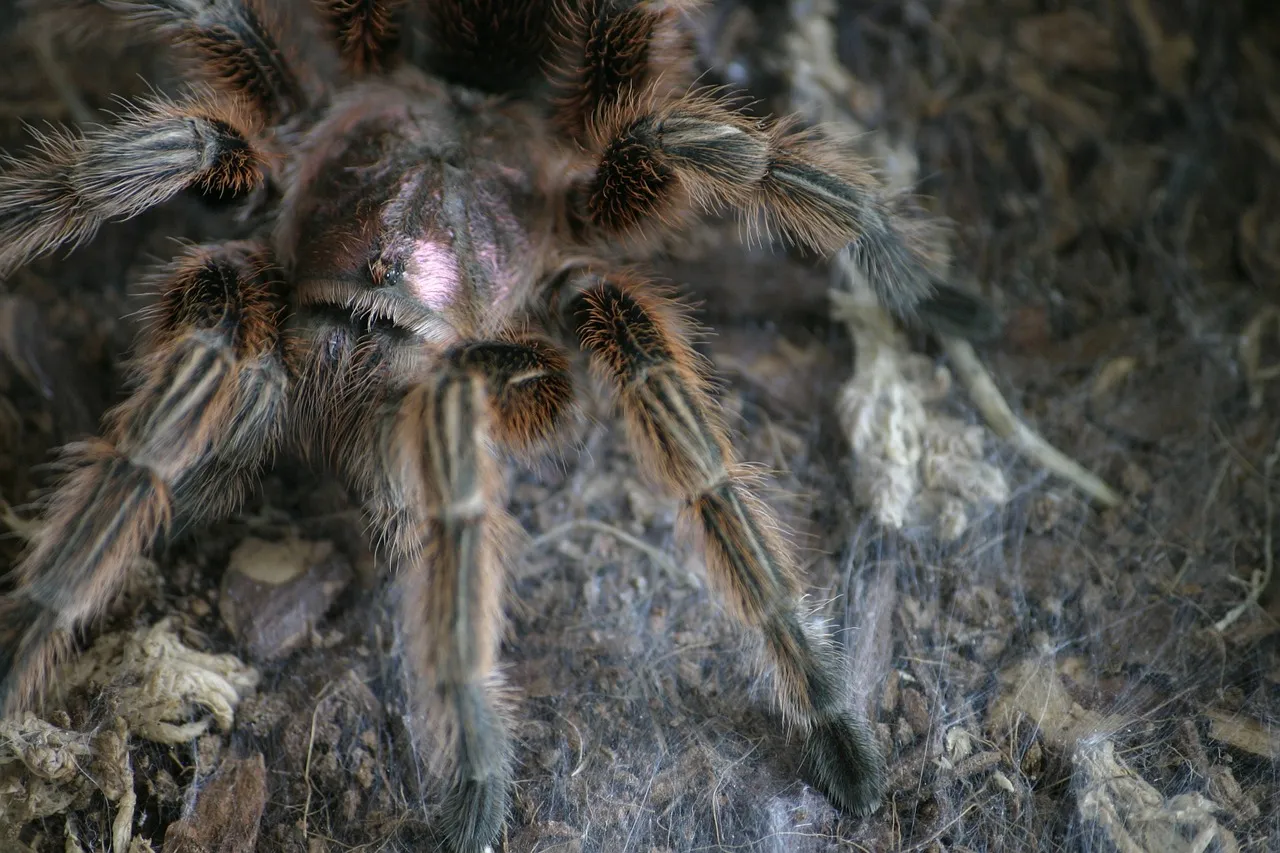
Chilean Rose Tarantula Size: Overview
The Chilean Rose Hair Tarantula, also known as the Chilean rose or rose hair tarantula (Grammostola rosea), is a popular choice among beginner tarantula keepers due to its docile temperament and relatively low maintenance needs. Understanding the size of this fascinating creature is a key part of responsible pet ownership, influencing everything from enclosure size to feeding requirements. This guide delves into the various aspects of Chilean rose tarantula size, providing a comprehensive overview of what to expect when owning one of these captivating arachnids.
Understanding Chilean Rose Tarantula
Before diving into size specifics, it’s essential to understand the Chilean Rose. These tarantulas are native to the arid regions of Chile, Bolivia, and Argentina. They are terrestrial tarantulas, meaning they spend most of their time on the ground. Their coloration is typically a mix of brown, tan, and pinkish hairs, giving them their characteristic “rose” appearance. These tarantulas are known for their calm demeanor, making them a good option for those new to the hobby. Their size, however, is just one aspect of what makes them special. Understanding their size helps provide the proper environment for them to thrive.
Average Size of Chilean Rose Tarantulas

The size of a Chilean Rose Tarantula can vary, but generally, they reach a moderate size compared to other tarantula species. A fully grown female can typically reach a leg span of 5 to 6 inches, while males tend to be slightly smaller, often around 4 to 5 inches. However, these are just averages, and individual sizes can differ based on various factors discussed below. It’s important to remember that the leg span is the measurement most commonly used when discussing tarantula size, as it gives a good visual representation of the spider’s overall size. Understanding the average helps owners prepare adequately for the space the tarantula will require.
Factors Influencing Size
Several factors can influence the ultimate size of a Chilean Rose Tarantula. These factors are important to consider when providing proper care, so the tarantula can grow to its full potential. While genetics play a role, environmental factors such as diet, habitat, and overall health also have a significant impact. Providing an optimal environment ensures that the tarantula can thrive and reach its full size potential.
Diet and Nutrition
A well-balanced diet is crucial for proper growth. Tarantulas need a diet of live insects, such as crickets, mealworms, and roaches. The size and frequency of feeding should be adjusted based on the tarantula’s age and size. Overfeeding can lead to obesity, while underfeeding can stunt growth. Proper nutrition is vital in helping them reach their full size potential.
Habitat and Environment

Providing the right habitat is also very important. This involves the size of the enclosure, the substrate, and the temperature and humidity levels. A properly sized enclosure that allows the tarantula to move around comfortably is necessary for optimal development. Too small of an enclosure can hinder growth. Maintaining the right temperature and humidity is also essential. These factors directly impact molting and overall health.
Genetics and Breeding
Genetics play a role in determining the size a tarantula will ultimately reach. Some tarantulas may simply have a genetic predisposition to be larger or smaller than others. When breeding, the genetic makeup of the parents can influence the size of the offspring. While you cannot control genetics, understanding this factor helps in managing expectations about how big your tarantula might get.
Top 7 Size Facts About Chilean Rose Tarantulas
Here are seven key facts to keep in mind regarding the size of Chilean Rose Tarantulas:
Fact 1: Size at Birth

Baby Chilean Rose tarantulas, or spiderlings, are tiny. They typically measure only a few millimeters in leg span when they hatch. These spiderlings are very delicate and require specialized care, including providing appropriately sized prey and maintaining proper humidity to ensure they survive and thrive.
Fact 2: Growth Rate
Chilean Rose Tarantulas have a relatively slow growth rate compared to some other tarantula species. They grow through molting, shedding their exoskeletons to allow for growth. Spiderlings molt more frequently, while adults molt less often, sometimes only once a year. This gradual process contributes to their overall size over time. Growth depends on factors like feeding, temperature, and humidity.
Fact 3: Sexual Dimorphism
Sexual dimorphism is evident in Chilean Roses. Females tend to be larger and heavier than males. This is a common trait among tarantulas. Males often have longer legs in proportion to their body size and typically mature faster, which may lead to a shorter lifespan. Understanding these differences can help owners provide the proper care based on the tarantula’s sex.
Fact 4: Mature Size of Females

Mature female Chilean Rose Tarantulas can reach a leg span of 5 to 6 inches. They continue to molt throughout their lives, although less frequently as they mature. This allows them to maintain a larger size and enjoy a longer lifespan. A larger size means more room and feeding requirements.
Fact 5: Mature Size of Males
Mature male Chilean Rose Tarantulas are generally smaller than females, with a leg span of around 4 to 5 inches. Males reach maturity faster and have a shorter lifespan. They often have a more slender build compared to females. Their overall size helps determine the right enclosure size and the appropriate amounts of food needed.
Fact 6: Comparison with Other Tarantulas
When compared to other tarantula species, Chilean Roses are considered medium-sized. For instance, they are smaller than Goliath Birdeater tarantulas, which are among the largest tarantulas in the world. They are comparable in size to species like the Pinktoe tarantula. Knowing this helps in setting realistic expectations and understanding how to care for them compared to different species.
Fact 7: Lifespan and Size

There is a relationship between lifespan and size. Female Chilean Roses, which are larger, can live for 15 to 20 years or longer. Males, due to their smaller size and faster metabolism, typically live for only 3 to 5 years. This difference in longevity is a key aspect to consider when keeping a Chilean Rose tarantula, as it influences the long-term commitment involved in their care.
Caring for a Chilean Rose Tarantula
Caring for a Chilean Rose Tarantula involves providing the right environment. This includes a proper enclosure, suitable substrate, and maintaining correct temperature and humidity levels. Regular feeding with appropriate prey, such as crickets or mealworms, is also crucial. Health monitoring and being aware of common issues, like molting problems or mites, are essential for their wellbeing.
Enclosure Requirements
The enclosure should be appropriately sized for the tarantula’s current and expected size. A good rule of thumb is to provide an enclosure that is at least three times the tarantula’s leg span in width. The enclosure should be escape-proof with proper ventilation. Substrate, like coco fiber or peat moss, should be deep enough to allow burrowing, which Chilean Roses enjoy. Make sure you have a water dish and hiding places, such as cork bark, for the tarantula to feel secure.
Feeding and Hydration

Feeding should be done regularly. Spiderlings need more frequent feeding (2-3 times a week). Adults can be fed 1-2 times a week. Provide a variety of prey items, such as crickets, mealworms, or roaches, and make sure the prey is appropriately sized for the tarantula. Always have a shallow water dish available with fresh water for hydration. Water is especially important after molting.
Health and Common Issues
Monitor your tarantula for signs of illness or distress. Watch for issues like mites, which can be treated with the advice of a veterinarian specializing in exotic pets. Molting issues can occur if the humidity is too low or the tarantula is stressed. Proper care and environmental conditions are critical for preventing these issues and ensuring the health of your Chilean Rose tarantula. Observing your tarantula regularly helps in identifying any problems early.
In conclusion, understanding the size of a Chilean Rose Tarantula is vital for responsible pet ownership. By knowing the average size, the factors that influence it, and the specific care requirements, you can create the right environment for your tarantula to thrive. These fascinating creatures make rewarding pets for those willing to learn and provide the care they need. Proper knowledge of their size is a key step in providing a long and happy life for your Chilean Rose Tarantula.