Understanding Tarantula Prices
The world of tarantulas is fascinating, and for many, the allure of owning one as a pet is strong. However, before you bring one of these eight-legged creatures into your home, it’s crucial to understand the financial commitment involved. Tarantula prices can vary significantly, influenced by factors like species, size, coloration, and even the breeder’s reputation. This comprehensive guide will delve into the various costs associated with acquiring and caring for a tarantula, helping you make an informed decision and budget accordingly. We’ll explore the initial purchase price, the ongoing expenses of maintaining a healthy habitat, and the potential for cost savings. Whether you’re a seasoned arachnid enthusiast or a curious beginner, understanding tarantula prices is the first step toward responsible pet ownership.
Factors Influencing Tarantula Prices
Several key factors contribute to the price of a tarantula. The species is perhaps the most significant determinant. Rare or highly sought-after species, such as certain Asian or South American varieties with unique colors or behaviors, often command higher prices. The tarantula’s size and age also play a role; juveniles are typically less expensive than adults, although they require more specialized care. Furthermore, the tarantula’s origin, whether captive-bred or wild-caught (with captive-bred being the more ethical and often more expensive option), influences the price. The breeder’s reputation and the tarantula’s overall health also affect the cost. Reputable breeders who prioritize the well-being of their tarantulas and provide detailed care information may charge a premium. Finally, the geographic location of the seller and the availability of the species in your area can impact the final price.
Tarantula Species and Their Average Costs

Tarantula prices vary dramatically depending on the species. Some of the more affordable beginner-friendly options include the Chilean Rose Hair tarantula, often priced between $20 and $40, and the Mexican Red Knee tarantula, which usually costs around $30 to $50. These species are known for their docile temperaments and relatively low maintenance requirements. On the other end of the spectrum, rare or exotic species like the Cobalt Blue tarantula or certain species of Poecilotheria can fetch prices ranging from $100 to several hundred dollars. The price often reflects the species’ rarity, vibrant coloration, or unique characteristics. It’s essential to research the specific needs and temperament of any species before purchasing it, as some tarantulas require more specialized care and handling.
Beginner-Friendly Tarantulas with Lower Prices
For those new to tarantula ownership, starting with a beginner-friendly species is highly recommended. These tarantulas are typically more docile, hardier, and less demanding in terms of their care requirements. The Chilean Rose Hair (Grammostola rosea) is a classic choice, known for its gentle nature and relatively low price. The Mexican Red Knee (Brachypelma hamorii) is another popular option, boasting striking coloration and a calm demeanor. Other suitable choices include the Arizona Blonde (Aphonopelma chalcodes) and the Pinktoe tarantula (Avicularia avicularia). These species are generally more affordable than rarer varieties, making them an excellent entry point into the world of tarantula keeping. Remember to research the specific care needs of any species you’re considering to ensure you can provide a suitable habitat and meet its dietary needs.
Rare and Exotic Tarantulas Price Overview
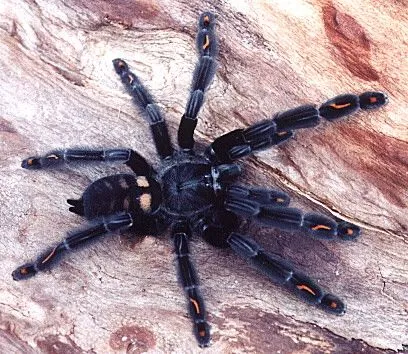
The world of tarantulas is vast, and for experienced keepers, rare and exotic species hold a special appeal. These tarantulas often exhibit stunning colors, unique behaviors, or are simply hard to find. The price tag for these specimens can be significantly higher than for more common species. For instance, the Cobalt Blue tarantula (Cyriopagopus lividus), known for its vibrant blue coloration, can cost upwards of $100. Other sought-after species, like the Goliath Birdeater (Theraphosa blondi), the world’s largest tarantula, can command prices well above that, often several hundred dollars. Purchasing rare tarantulas requires careful consideration, as they may have specific care requirements and might be more sensitive to environmental changes. It’s crucial to source these tarantulas from reputable breeders and to have a thorough understanding of their needs before acquiring one.
Where to Buy Tarantulas and Compare Prices
Finding a reputable source for purchasing a tarantula is essential. Local reptile and exotic pet stores often carry a selection of tarantulas, allowing you to see the spider in person before buying. Online breeders and marketplaces offer a wider variety of species and often provide detailed information about each tarantula’s lineage and care requirements. When comparing prices, consider not only the initial cost of the tarantula but also the breeder’s reputation, the health of the spider, and any guarantees offered. Be wary of prices that seem too good to be true, as this could indicate a less reputable seller or a tarantula that is not in good health. Researching the breeder’s reviews and contacting them with questions is always a good idea. Finally, consider attending reptile shows or expos, where you can often find a wide selection of tarantulas and interact with breeders directly.
Ongoing Costs of Tarantula Ownership
The initial purchase price of a tarantula is just the beginning. Ongoing costs include the cost of housing, substrate, food, and any necessary supplies. A suitable enclosure, which should be appropriately sized for the tarantula’s species and size, can range from $20 to $100 or more. Substrate, such as coconut fiber or peat moss, will need to be replaced periodically, adding to the expense. Tarantulas primarily eat insects, such as crickets, mealworms, or roaches, which can cost around $10 to $30 per month, depending on the size of the tarantula and the frequency of feeding. Other ongoing costs include the purchase of water dishes, hides, and any necessary heating or lighting equipment. It is essential to factor these ongoing expenses into your budget to ensure you can provide your tarantula with the care it needs throughout its life.
Tips for Finding Affordable Tarantulas
While tarantula prices can vary, there are several ways to find affordable options. Starting with a beginner-friendly species, such as the Chilean Rose Hair, is a cost-effective choice. Buying a juvenile tarantula instead of an adult can also save money, although it requires more patience as the tarantula grows. Comparing prices from different breeders and pet stores is essential to find the best deals. Consider attending reptile shows, where you can often find lower prices and interact with breeders directly. Additionally, keeping a close eye on online marketplaces and forums can help you find tarantulas at discounted prices. Remember to prioritize the tarantula’s health and well-being, and always purchase from a reputable source. By doing your research and comparing prices, you can enjoy the fascinating world of tarantula keeping without breaking the bank.