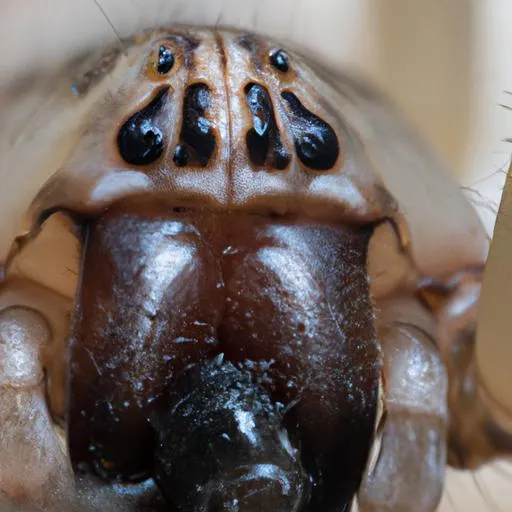
Tarantula Mouth What Makes It Unique
The tarantula’s mouth is a fascinating and complex structure, far more intricate than most people realize. It’s not just a simple opening for eating; it’s a carefully designed apparatus that enables these spiders to capture, subdue, and consume their prey. The mouthparts of a tarantula are adapted for their predatory lifestyle, featuring specialized components that work in concert to perform various functions. Understanding the tarantula mouth offers insight into the spider’s feeding habits, defense mechanisms, and overall survival strategies. The following facts will explore the intricacies of the tarantula mouth and its functions, highlighting why it’s such a remarkable feature of these arachnids.
Chelicerae The Tarantula’s Fangs
The chelicerae are the most prominent features of a tarantula’s mouth, often mistaken for mandibles. These are the primary mouthparts used for capturing and subduing prey. The chelicerae are located at the front of the spider and consist of two segments: the basal segment and the fang. The basal segment is the larger, more robust part that provides the attachment point for the fang. The fang, on the other hand, is a sharp, hollow structure used to inject venom into the prey. The size and shape of the chelicerae can vary between different species of tarantulas, reflecting differences in prey preference and hunting styles. The chelicerae are critical to the tarantula’s survival, allowing it to effectively hunt and defend itself.
Fang Structure and Function

The fangs of a tarantula are not merely sharp points; they are highly specialized structures designed for venom delivery. Each fang is a hollow tube, and when the tarantula bites, it pierces the prey’s exoskeleton or skin, injecting venom through this tube. The structure of the fang allows for a precise and efficient delivery of venom. The venom itself is a complex cocktail of toxins that can immobilize or even kill the prey. The size and shape of the fangs can vary, but they are generally curved and pointed to facilitate penetration. The fangs’ structure and function are crucial to the tarantula’s hunting success, as they enable the spider to quickly subdue its prey.
The Venom Delivery System
The venom delivery system is an integral part of the tarantula’s predatory arsenal. The venom is produced in venom glands located within the chelicerae. When the tarantula bites, muscles in the chelicerae contract, forcing the venom through the fangs and into the prey. The venom’s composition can vary, but it generally contains neurotoxins and enzymes that disrupt the prey’s nervous system and begin the process of breaking down its tissues. This system is highly effective, allowing tarantulas to quickly disable their prey and begin feeding. The sophistication of this system showcases the tarantula’s evolutionary adaptations for a predatory lifestyle. The venom delivery is not just about injecting venom; it is about survival.
The Role of Chelicerae in Feeding
The chelicerae play a crucial role in the feeding process. After the prey is subdued, the tarantula uses its chelicerae to manipulate and crush the prey. The spider’s fangs are used to tear the prey apart, and the chelicerae help to hold the prey in place during feeding. The chelicerae also assist in the process of external digestion, which is a unique feature of tarantulas. The spider regurgitates digestive enzymes onto the prey, and then uses its chelicerae to grind the prey into a liquid slurry that can be consumed. The chelicerae’s strength and dexterity are vital for feeding, allowing tarantulas to efficiently extract nutrients from their meals.
The Maxillae and Their Function

The maxillae, also known as the pedipalps, are another set of mouthparts located behind the chelicerae. These are often smaller than the chelicerae, and their primary function is to assist in feeding and sensory perception. The maxillae are equipped with sensory hairs that help the tarantula detect the presence of prey and assess its suitability for consumption. They also aid in manipulating food and bringing it to the mouth. The maxillae are particularly important in the process of external digestion, helping to spread digestive enzymes over the prey and to facilitate the intake of liquefied food. This structure demonstrates an elegant design that has evolved over millions of years.
Maxillae in Food Manipulation
The maxillae are essential for manipulating food during the feeding process. Once the tarantula has subdued its prey and begun external digestion, the maxillae help to move and grind the softened food. They work in tandem with the chelicerae to break down the prey into smaller, more manageable pieces. The maxillae also help to create a ‘feeding pool’ around the prey, where the digestive enzymes can work most effectively. Their movements and actions provide essential support for the tarantula’s digestive process. These structures are more than simple appendages; they are vital tools that support the animal’s survival and efficient feeding.
The Role of the Labium
The labium, or lower lip, is another part of the tarantula’s mouth structure. It is a plate-like structure located at the bottom of the mouth, between the maxillae. The labium serves several functions, including helping to contain the food and preventing it from escaping during feeding. It also has sensory functions, containing chemoreceptors that can detect the presence of food and assess its quality. The labium is a protective and sensory organ that supports the tarantula’s overall feeding process. This important element of the spider’s mouth demonstrates the complexity and the refined adaptation of the tarantula’s system.
Sensory Functions of the Labium

The labium is equipped with sensory structures, including chemoreceptors, that allow the tarantula to assess the quality and suitability of its food. These sensory receptors help the spider to determine whether the prey is edible and if it is safe to consume. The labium’s sensory abilities play a role in the spider’s feeding behavior. They help the spider to avoid ingesting harmful substances or unsuitable prey. This sensory system plays an important part in the overall digestive system and feeding behavior. By detecting chemical signals, the labium enables the tarantula to make informed decisions.
Digestion Process of Tarantulas
Tarantulas use a unique form of digestion called external digestion. Unlike many animals that digest food internally, tarantulas inject digestive enzymes onto their prey and then suck up the liquefied nutrients. This process is very efficient, and it allows tarantulas to extract maximum nutrients from their meals. External digestion is a key adaptation that allows tarantulas to thrive in diverse environments. The complete process is a fascinating example of how evolution has shaped these animals. The digestion process is a vital feature of the tarantula’s survival strategy.
Initial Digestion and Liquefaction
The initial stage of digestion involves the injection of digestive enzymes onto the prey. These enzymes, produced in the tarantula’s gut, break down the prey’s tissues, converting them into a liquid slurry. The chelicerae and maxillae work together to manipulate the prey and spread the enzymes over its surface. This process of liquefaction is crucial, allowing the tarantula to absorb the nutrients. The efficiency of the initial digestion process directly affects the amount of nutrients the tarantula can extract from its meal. It is a specialized adaptation to the spider’s predatory way of life. The whole process helps in the preservation of the prey.
The Use of Digestive Enzymes

Digestive enzymes are the key to external digestion in tarantulas. These enzymes, which include proteases, lipases, and amylases, break down proteins, fats, and carbohydrates in the prey. The enzyme mix is specifically tailored to the tarantula’s diet, allowing it to efficiently digest a wide range of prey. The enzymes are secreted onto the prey, and as they break down the tissues, they create a nutrient-rich liquid. The enzymes’ function is critical to the tarantula’s ability to extract nutrients from its meals. These enzymes are the key to a successful digestion process.
Absorption of Nutrients
Once the prey has been liquefied, the tarantula absorbs the nutrients through its mouthparts and into its gut. The maxillae play a key role in this process, acting like a straw to suck up the nutrient-rich liquid. The tarantula’s gut is designed to efficiently absorb these nutrients, allowing the spider to extract the maximum amount of energy and building materials from its food. The absorption of nutrients is an essential part of the digestive process and is critical to the tarantula’s survival. Absorption enables the tarantula to thrive in a world of diverse prey.
Evolutionary Adaptations in Tarantula Mouths
The tarantula mouth is a product of millions of years of evolution, with each component precisely adapted for a predatory lifestyle. The structure and function of the mouthparts have been shaped by natural selection, favoring traits that enhance the spider’s ability to capture and consume prey. Adaptations include the development of specialized fangs for venom delivery, chelicerae for manipulating food, and maxillae and labium for sensory input and digestion. These adaptations have enabled tarantulas to become highly successful predators in various environments. Each adaptation has played a critical role in the tarantula’s success and its position in the ecosystem. These evolutionary elements make tarantulas unique.
Mouthpart Variations Among Tarantula Species

The specific features of the tarantula mouth can vary between different species, depending on their diet, habitat, and hunting strategies. Some species have larger, more robust fangs, while others have smaller, more delicate ones. The size and shape of the chelicerae, maxillae, and labium also vary, reflecting the different prey types and feeding behaviors of each species. Studying these variations provides valuable insights into the evolutionary history and adaptations of tarantulas. These species differences can be seen across the world. Understanding the variations is key to appreciating the diversity of the tarantula family.
Adaptations to Different Prey Types
Adaptations in the mouthparts are often linked to the type of prey a tarantula typically consumes. For example, species that specialize in catching hard-bodied insects may have more robust chelicerae and fangs. In contrast, those that feed on softer prey might have more delicate mouthparts. The size and shape of the maxillae can also be adapted to specific prey. These adaptations show how natural selection has shaped these spiders to thrive in their ecological niches. The mouth structure of each species is a direct result of its feeding behavior and prey preference. These adaptations highlight the spider’s success in the natural world.
Impact of Mouth Structure on Tarantula Behavior
The mouth structure of a tarantula has a significant impact on its behavior, influencing everything from hunting strategies to feeding habits. The shape and size of the fangs determine the spider’s ability to subdue prey, while the chelicerae, maxillae, and labium affect the way it manipulates and consumes its food. Variations in mouth structure can also affect communication and social interactions among tarantulas. The mouth is not only for feeding and hunting, but it also contributes to the spider’s overall survival and behavior. The way the mouth is designed is critical to the overall survival strategy of the species.
In conclusion, the tarantula’s mouth is a marvel of evolutionary adaptation, meticulously crafted to support the spider’s predatory lifestyle. From the powerful chelicerae and venom-injecting fangs to the sensory-rich maxillae and labium, each part works in concert to capture, subdue, and consume prey. The unique process of external digestion allows tarantulas to extract maximum nutrients. Variations in mouth structure across different species highlight the power of natural selection. Understanding the tarantula mouth provides a glimpse into the complex and fascinating world of these amazing arachnids. The mouth plays a crucial role in the tarantula’s survival and success in its environment.