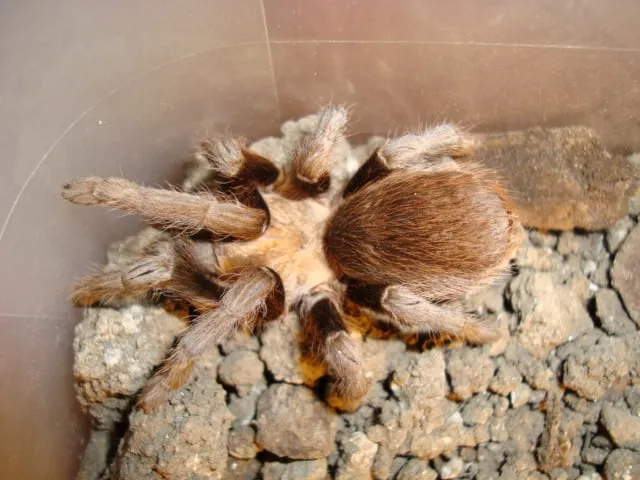
What is Tarantula Migration
Tarantula migration is a fascinating natural phenomenon that occurs annually in various parts of the world, and southern Colorado is a prime location to witness this spectacle. It is essentially the mass movement of these large, hairy spiders, primarily the male tarantulas, as they seek out mates. This journey often involves the spiders traversing considerable distances, making them a visible presence, especially during the peak migration season. The migration is driven by the tarantulas’ reproductive cycle, and it offers a unique opportunity for nature enthusiasts and researchers to observe these creatures in their natural habitat. Understanding the migration is essential to appreciating the ecological balance of the region and the life cycle of the tarantulas themselves. It’s a time when the normally reclusive spiders become more visible, creating an exciting event for anyone lucky enough to witness it.
The Timing of Tarantula Migration in Southern Colorado
The timing of the tarantula migration in southern Colorado is generally predictable, occurring during the late summer and early fall months. The exact period can vary slightly depending on weather conditions, but it typically begins in late August or early September and continues through October. The best time to observe the migration is usually in the evenings, as the tarantulas are most active during the cooler hours. Factors such as temperature, rainfall, and the availability of prey can influence the onset and duration of the migration. Monitoring weather patterns and being aware of local reports can help in planning a viewing trip. Observing the migration at dusk or dawn can offer the best chance to see these creatures in action, often making their way across roads or open spaces as they search for mates.
Factors Influencing the Migration

Several factors play a crucial role in triggering and influencing the tarantula migration in southern Colorado. The primary driver is the mating season. As the males reach maturity, they leave their burrows in search of females. Environmental cues, such as decreasing daylight hours and changes in temperature, act as signals for the spiders to begin their journey. The availability of potential mates also significantly influences the migration patterns. Regions with a higher concentration of females may attract a greater number of migrating males. Furthermore, habitat conditions, like the presence of suitable burrows and the availability of food resources, can also affect the movement and distribution of the tarantulas during this period. Understanding these factors provides insight into why the migration occurs and helps in predicting the timing and locations where the spiders can be observed.
The Journey of Tarantulas
The journey undertaken by tarantulas during their migration is quite remarkable, as they traverse various terrains in search of mates. The male tarantulas, driven by instinct, leave their burrows and embark on a quest that can span several miles. They often cross roads, fields, and other obstacles, making them vulnerable to predators and vehicles. The spiders use their sense of smell and other sensory mechanisms to locate potential mates, guided by pheromones released by the females. The journey itself is perilous, with many tarantulas facing various challenges, from unfavorable weather conditions to encounters with predators. The endurance and determination displayed by these creatures during this period highlight their survival instincts and reproductive drive. The migration showcases an intense survival struggle, reflecting their commitment to perpetuating their species.
Top 5 Facts about Southern Colorado Tarantula Migration
Fact 1 Habitat and Species

The tarantula migration in southern Colorado is primarily associated with the Oklahoma Brown Tarantula (Aphonopelma hentzi), which is well-adapted to the region’s semi-arid environment. These spiders typically inhabit burrows in the ground, and their habitat preferences significantly influence the areas where migration occurs. The terrain of southern Colorado, including grasslands, scrublands, and open spaces, provides suitable conditions for both burrowing and foraging. Understanding the specific habitat requirements of the tarantulas is crucial for appreciating the migration’s patterns and for conservation efforts. The presence of undisturbed habitats and sufficient food sources, such as insects, supports healthy tarantula populations and, consequently, the intensity of the annual migration. These areas are crucial for the survival of the species.
Fact 2 The Mating Ritual
The mating ritual of tarantulas is a fascinating display of arachnid courtship behavior. The male tarantulas, upon finding a receptive female, engage in a complex series of actions to attract her. These can include drumming on the ground, which sends vibrations to signal their presence, and a careful approach to avoid being mistaken for prey. If the female is receptive, the male will use specialized structures called pedipalps to transfer sperm to the female. This process requires precision and caution, as the female tarantula is larger and could potentially view the male as a meal. The entire process is a delicate balance, critical for successful reproduction and continuation of the species. The male then quickly retreats to avoid being eaten by the female tarantula.
Fact 3 Peak Season
The peak season for tarantula migration in southern Colorado typically falls during September and October. During these months, the majority of male tarantulas actively seek mates, making it the best time for observation. Weather conditions, such as warm temperatures and moderate humidity, often contribute to increased activity. While the migration can start as early as late August, the peak period offers the greatest chances to witness the spiders in large numbers. Local wildlife organizations and nature guides often provide updates on the best times and locations for viewing. Planning a trip during the peak season increases the likelihood of experiencing this extraordinary natural event and provides opportunities to capture stunning photographs of these creatures.
Fact 4 Behavior during Migration

During the migration, the behavior of tarantulas shifts significantly from their typical solitary habits. Male tarantulas become highly mobile and focused on finding mates. They are frequently seen crossing roads and trails, and their movements are largely influenced by the location of females. This behavior can be observed as they move during the evening hours and early mornings. The spiders will often actively search under rocks and bushes, utilizing their sensory capabilities to detect pheromones emitted by females. It is also common to witness competition between males for the attention of females. These encounters showcase the complex dynamics and inherent drives that drive these creatures to propagate their species. Observing their behavior gives a greater appreciation for their struggles.
Fact 5 Best Viewing Locations
Several locations in southern Colorado are renowned for offering prime viewing opportunities during the tarantula migration. Areas with open grasslands, such as the Comanche National Grassland, are particularly popular, as they provide suitable habitat for tarantulas. Other locations near roadways often see high concentrations as the tarantulas move to find mates. Local parks and nature reserves also offer guided tours and access to viewing areas. To maximize the chances of seeing the migration, it is advisable to research specific locations, check with local wildlife resources for updates, and plan visits during the evening or early morning hours. Remember to always observe tarantulas from a safe distance and avoid disturbing their habitat. Respecting the animals and the environment enhances the experience for both the observer and the tarantulas.
Conservation and Tarantula Migration
The tarantula migration in southern Colorado highlights the need for conservation efforts to protect the species and its habitat. Habitat destruction, vehicle collisions, and the use of pesticides can pose threats to tarantula populations. Conservation initiatives include protecting and preserving natural habitats, educating the public about the importance of tarantulas in the ecosystem, and promoting responsible viewing practices. Supporting local wildlife organizations and adhering to guidelines for interacting with wildlife are also crucial steps. By fostering a greater understanding and appreciation of tarantulas, conservation efforts can help ensure the continued survival of these fascinating creatures and the preservation of their natural migration patterns. Effective conservation benefits both the tarantulas and the ecosystem as a whole.
Respecting the Tarantulas

When observing the tarantula migration, it is important to approach the experience with respect and caution. Avoid disturbing the spiders or their habitat. Never attempt to handle or touch a tarantula, as they can bite if threatened. Maintain a safe distance and use binoculars or cameras to observe them. Be mindful of the environment and avoid leaving behind any trash. Respecting the animals and their habitat ensures that the tarantulas continue to thrive in their natural environment, allowing future generations to witness this extraordinary natural phenomenon. Following ethical viewing practices helps preserve the well-being of the tarantulas and contributes to the overall health of the ecosystem. Always prioritize their safety and well-being during this impressive migration.