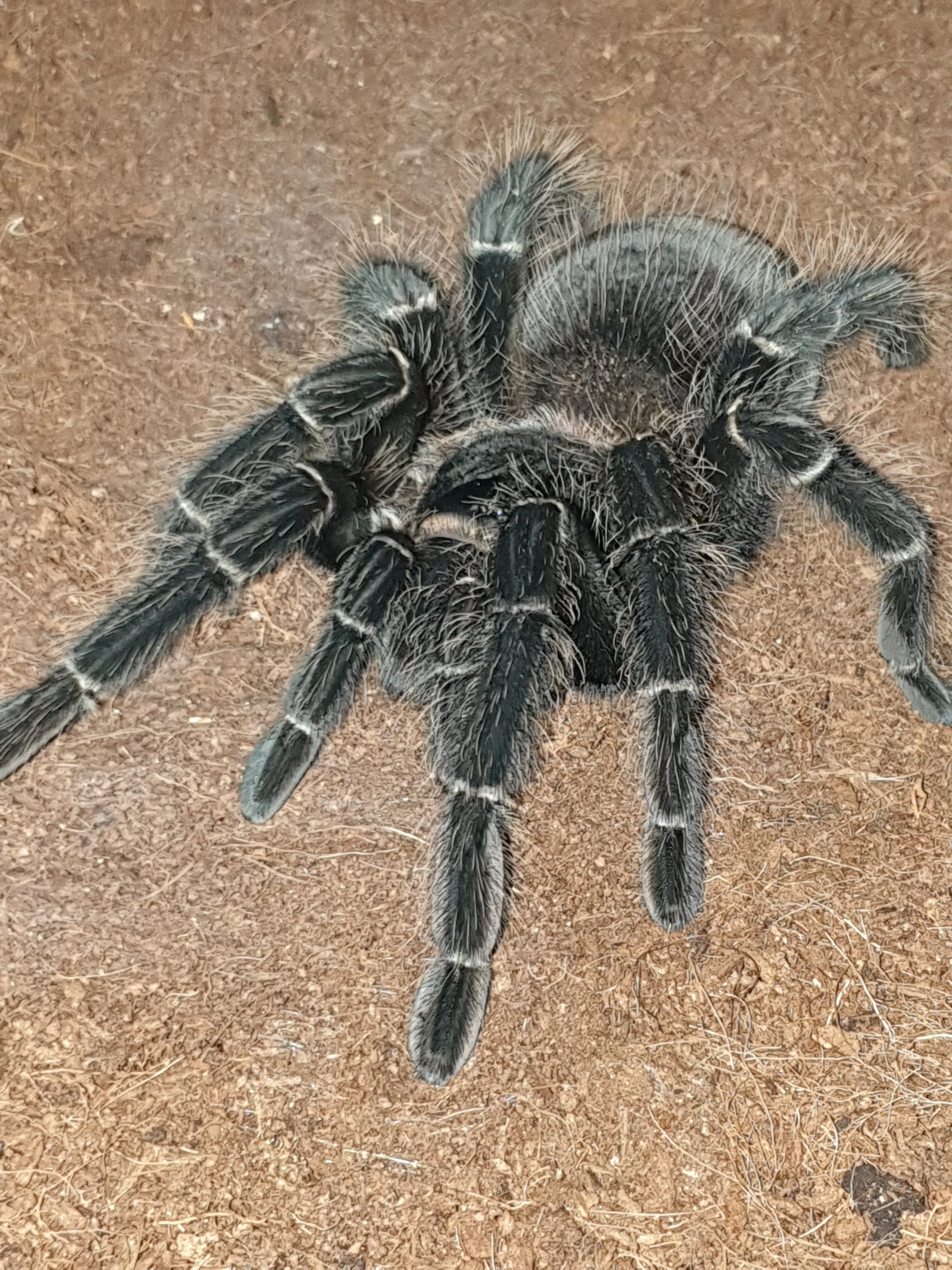
What is Tarantula Light and Why Does It Matter?
Tarantula lighting, while seemingly simple, plays a crucial role in the well-being and overall health of your pet tarantula. Contrary to popular belief, tarantulas aren’t entirely nocturnal and do benefit from light exposure. Proper lighting mimics their natural habitat, influences their behavior, and can even impact their molting cycles. Understanding the importance of light is the first step in providing a comfortable and thriving environment for your arachnid companion. This guide will help you navigate the often-confusing world of tarantula lighting, ensuring your pet lives a long, healthy, and vibrant life. Choosing the right lighting setup is not just about aesthetics; it’s about providing the essential elements that contribute to your tarantula’s physical and psychological well-being.
Benefits of Proper Tarantula Lighting
The benefits of proper lighting extend beyond mere aesthetics; they directly impact your tarantula’s health and behavior. Firstly, light helps regulate the tarantula’s circadian rhythm, influencing its activity patterns and molting cycles. Secondly, it can contribute to the thermoregulation of the enclosure, provided that the light source also generates heat. However, it is very important to make sure not to overheat the enclosure. Thirdly, it can stimulate natural behaviors, such as foraging and web-building, leading to a more engaged and enriched life for your pet. A well-lit enclosure also allows for better observation, making it easier to monitor your tarantula’s health, detect potential issues, and appreciate its fascinating behaviors. In essence, providing proper lighting is an investment in your tarantula’s quality of life.
Choosing the Right Tarantula Light

Selecting the right tarantula light involves considering several factors to ensure your pet’s comfort and well-being. The primary considerations should be the type of tarantula you have, the size of the enclosure, and the environmental needs of your specific species. Research the natural habitat of your tarantula to understand its light requirements. Another crucial factor is the heat output of the light source. Tarantulas are sensitive to temperature fluctuations, so it’s important to choose a light that doesn’t generate excessive heat, or use it in combination with a thermostat. Finally, consider the light’s spectrum. While tarantulas don’t require specialized UVB lighting like reptiles, the light should mimic natural daylight as closely as possible. Carefully evaluating these factors will help you choose the perfect lighting solution for your tarantula.
Types of Tarantula Lights
There are several types of lights suitable for tarantulas, each with its own advantages and disadvantages. The most common types are LED lights and incandescent bulbs. LEDs are energy-efficient, produce minimal heat, and come in a variety of spectrums, making them a popular choice. Incandescent bulbs, on the other hand, offer a warmer light and may be preferred for certain species that require a temperature gradient. It is crucial to understand the differences between each type of lighting to provide the optimal environment for your tarantula. The right choice hinges on factors such as your budget, the species’ specific needs, and the desired level of heat generation. Proper research and careful selection will contribute significantly to your tarantula’s health and happiness.
LED Lights for Tarantulas
LED lights are a fantastic option for tarantula enclosures due to their efficiency and safety features. They consume significantly less energy than traditional incandescent bulbs, reducing electricity costs. Furthermore, they produce minimal heat, decreasing the risk of overheating the enclosure, which is vital for your tarantula’s well-being. Modern LED lights also come in a variety of spectrums, allowing you to mimic natural daylight and tailor the lighting to your tarantula’s needs. Many LED lights come with dimming features, letting you adjust the light’s intensity to fit your tarantula’s preferences. Remember to select an LED light designed for terrarium or aquarium use to ensure it’s safe and has the appropriate light spectrum. With their energy efficiency, low heat output, and customizable options, LED lights are an excellent investment for any tarantula owner.
Incandescent Bulbs for Tarantulas

Incandescent bulbs, while less energy-efficient than LEDs, can still be a viable option for tarantula lighting, particularly for certain species. One key advantage of incandescent bulbs is their ability to generate heat, which can be useful in creating a thermal gradient within the enclosure. This can be beneficial for species that prefer warmer temperatures. However, it is important to use a thermostat to regulate the temperature and prevent overheating. Another aspect to consider is the light spectrum; incandescent bulbs tend to emit a warmer, more yellow light that might be preferred by some tarantula species. If you choose to use incandescent bulbs, be sure to monitor the enclosure’s temperature closely and use a bulb with an appropriate wattage for the size of your enclosure. The lower upfront cost can be attractive, but remember to factor in the higher energy consumption compared to LEDs.
UVB Lighting Considerations
While tarantulas don’t have the same UVB requirements as reptiles, some research suggests that limited UVB exposure might be beneficial. UVB light can aid in vitamin D3 synthesis, which is important for calcium absorption. However, the evidence is not conclusive, and excessive UVB exposure can be harmful. If you choose to incorporate UVB lighting, use a low-intensity UVB bulb specifically designed for reptiles and place it a safe distance from your tarantula to avoid overexposure. Monitor your tarantula’s behavior and health closely. Generally, UVB lighting is not essential for tarantula care, and many experienced keepers do not use it. It is vital to prioritize safety and ensure your tarantula is not experiencing any adverse effects from the light. Careful consideration, thorough research, and close observation are crucial if you decide to experiment with UVB lighting.
Setting Up Your Tarantula’s Light System
Setting up the lighting system for your tarantula requires careful planning and execution. The goal is to create a safe and comfortable environment that mimics the natural habitat of your pet. Consider the size and type of enclosure, as well as the specific light requirements of your tarantula species. Position the light source strategically to provide adequate illumination without creating excessive heat or bright spots. It is important to have a reliable way to monitor the temperature and humidity levels within the enclosure, so you can adjust the lighting as needed. Following these steps will help create an optimal lighting setup, enhancing the well-being and happiness of your tarantula.
Positioning the Light Source

The placement of the light source is crucial for creating an optimal environment. Avoid positioning the light directly above the tarantula’s hiding place, as this can create an uncomfortable, overly bright spot. A good strategy is to position the light source to one side of the enclosure, creating a gradient of light and shadow. This will allow your tarantula to regulate its exposure to light and heat. Use a reflector to direct the light downwards, ensuring that it reaches all areas of the enclosure. If using a heat-producing light, place it away from the areas where the tarantula spends most of its time to avoid overheating. Always ensure the light fixture is securely mounted and out of reach to prevent any accidents. Proper positioning will enhance the aesthetic of the enclosure and provide the necessary light and heat for your tarantula.
Duration and Timing of Lighting
The duration and timing of the lighting cycle are essential for mimicking the natural environment and regulating the tarantula’s behavior. A common practice is to provide 12 hours of light and 12 hours of darkness, mirroring the day-night cycle. Use a timer to automate the lighting schedule, ensuring consistency. Avoid sudden changes in the light cycle, as this can stress your tarantula. Some keepers choose to provide a shorter light cycle, particularly if the enclosure is in a naturally bright room. Always observe your tarantula’s behavior to gauge whether the lighting schedule is appropriate. If your tarantula is showing signs of stress, such as hiding excessively or refusing to eat, adjust the lighting duration or intensity. Consistency and a well-planned schedule are vital to provide a comfortable and stress-free environment for your pet.
Monitoring Temperature and Humidity
Proper lighting can affect the temperature and humidity within your tarantula’s enclosure, so regular monitoring is critical. Use a thermometer to keep an eye on the temperature gradient and ensure it’s within the appropriate range for your species. The temperature should not exceed the recommended levels, as this can be fatal. Use a hygrometer to measure humidity levels, as well. Low humidity can cause molting problems, while excessive humidity can lead to mold growth. Adjust the lighting, ventilation, and misting schedule as needed to maintain ideal environmental conditions. Place the thermometer and hygrometer in a position that provides accurate readings. Regular monitoring, combined with proper adjustments, ensures a healthy and comfortable environment for your tarantula.
Common Mistakes to Avoid with Tarantula Lighting

Avoiding common mistakes is crucial for the well-being of your tarantula. Overheating, using the wrong type of light, and neglecting the light’s duration are some of the most frequent errors that tarantula keepers make. By educating yourself and taking the necessary precautions, you can create a safe and enriching environment for your pet. The following sections will explain these mistakes in detail, providing insights on how to avoid them and ensure your tarantula thrives.
Overheating Your Tarantula’s Enclosure
Overheating the enclosure is one of the most dangerous mistakes tarantula keepers can make. Tarantulas are sensitive to high temperatures, and prolonged exposure to heat can be lethal. Always monitor the enclosure temperature carefully, especially when using heat-producing light sources. Make sure the light source is positioned at an appropriate distance from the substrate to avoid overheating. Never place the enclosure in direct sunlight, as this can quickly raise the temperature to dangerous levels. Use a thermostat to regulate the temperature and prevent overheating. If the enclosure gets too hot, move it to a cooler location or turn off the heat source. Regular monitoring and taking quick action can prevent this potentially fatal error.
Using the Wrong Type of Light
Using the wrong type of light can have adverse effects on your tarantula. For example, using a light that produces too much heat or emits the wrong spectrum can be harmful. Make sure the light source is appropriate for your species and the size of the enclosure. Avoid using lights designed for reptiles, as their light output and heat may not be suitable. Choose an LED light with a suitable spectrum or an incandescent bulb with the appropriate wattage, but be careful to avoid overheating. Research your tarantula’s specific lighting needs before purchasing a light source. If you are unsure, consult an experienced tarantula keeper or a veterinarian specializing in exotic pets. Choosing the right light will help create a comfortable environment, improving your tarantula’s overall health.
Neglecting the Light’s Duration and Cycle

Neglecting the light’s duration and cycle can disrupt the natural behavior of your tarantula. Inconsistent or incorrect lighting can lead to stress, molting problems, and changes in activity patterns. Always maintain a consistent light cycle, typically 12 hours on and 12 hours off, using a timer. Avoid sudden changes in the lighting schedule. Be observant of your tarantula’s behavior, as it may indicate whether the lighting schedule is suitable. Make the necessary adjustments to the duration or intensity if your tarantula is showing signs of stress or discomfort. Providing a regular and predictable light cycle will help your tarantula thrive and display natural behaviors.
Frequently Asked Questions about Tarantula Light
Understanding the common questions regarding tarantula lighting can help you provide the best care for your pet. Many beginners have questions about light types, schedules, and potential issues. Addressing these frequently asked questions can assist in clarifying any confusion and empowering keepers to give their tarantulas a healthy and enjoyable life.
Here are answers to some frequently asked questions about tarantula lighting:
- Is light necessary for tarantulas?
- What kind of light is best for tarantulas?
- How long should I leave the light on for my tarantula?
- Can tarantulas get too much light?
- What do I do if the enclosure is too hot?
Conclusion
Providing appropriate lighting for your tarantula is essential for its health, well-being, and overall quality of life. By understanding the benefits of lighting, choosing the right light source, and setting up your system correctly, you can create an environment that mimics your tarantula’s natural habitat. Regularly monitoring temperature, humidity, and observing your pet’s behavior will help you ensure the environment is comfortable and stress-free. Avoiding common mistakes, such as overheating or using the wrong type of light, will further contribute to the well-being of your tarantula. With the right lighting setup, you’re providing a happy and healthy home for your fascinating arachnid friend. Enjoy the experience of owning and observing this amazing creature!