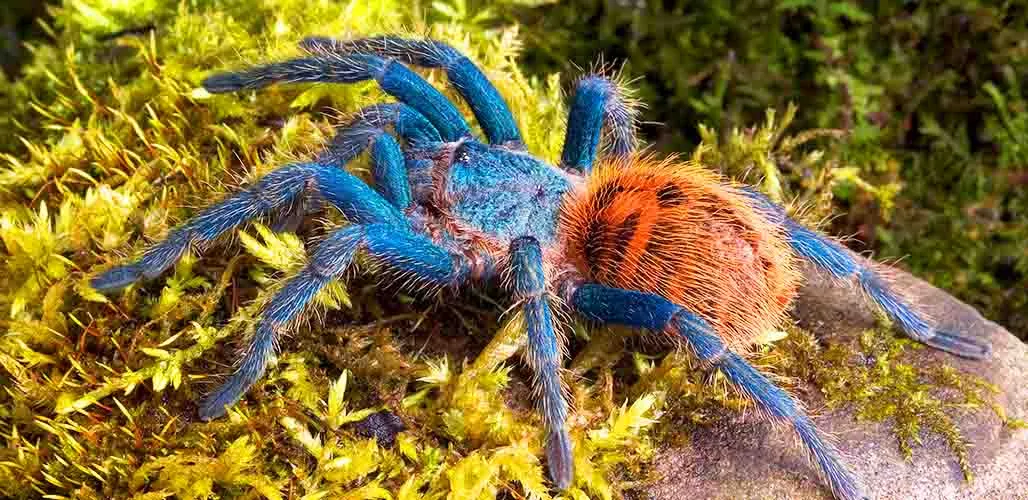
The captivating Green Bottle Blue Tarantula (GBB), with its striking turquoise and orange hues, is a favorite among tarantula enthusiasts. One of the most common questions regarding this beautiful species is, “How long do GBB tarantulas live?” Understanding the lifespan of these fascinating creatures is crucial for responsible pet ownership. This article will delve into the secrets of GBB lifespan, exploring the various factors that influence how long they thrive in captivity. From diet and environment to gender and health, we’ll uncover everything you need to know to provide the best possible life for your GBB tarantula.
What is the Lifespan of a Green Bottle Blue Tarantula (GBB)
Green Bottle Blue tarantulas typically have a lifespan that varies depending on the sex of the tarantula. Female GBBs can live for a substantial amount of time, often ranging from 10 to 15 years, and sometimes even longer under ideal conditions. Male GBBs, on the other hand, have a significantly shorter lifespan, usually living for only 2 to 4 years after reaching maturity. This difference in longevity is a common characteristic among many tarantula species. Understanding these ranges is important when considering a GBB as a pet, helping you to prepare for the commitment involved in caring for these amazing creatures for a potentially long time. Proper care and consistent environmental conditions can help your GBB thrive and potentially live closer to the higher end of the expected lifespan.
Factors Influencing GBB Tarantula Lifespan
Several key factors play a vital role in determining how long a Green Bottle Blue tarantula will live. These factors include, but are not limited to, gender, diet and nutrition, environmental conditions, and overall health. By understanding and addressing these factors, you can significantly enhance the chances of your GBB living a long and healthy life. Proper care involves a holistic approach, focusing not only on immediate needs but also on long-term health and well-being. Paying attention to these factors is crucial for any tarantula owner who wants to maximize their pet’s longevity.
Gender Differences in GBB Lifespan

As mentioned earlier, gender is a significant factor in determining the lifespan of a GBB tarantula. Female GBBs typically outlive males by a considerable margin. The shorter lifespan of male tarantulas is primarily due to their role in reproduction. After reaching maturity, male tarantulas focus on finding a mate, and their bodies undergo significant changes, including a decrease in their overall health and energy reserves. The mating process itself can be taxing on males, further reducing their lifespan. Understanding these gender-based differences helps owners manage their expectations and provide the appropriate level of care based on their pet’s sex.
Impact of Diet and Nutrition on GBB Lifespan
A well-balanced diet is absolutely crucial for the longevity of a GBB tarantula. They are insectivores, and their diet should primarily consist of live insects like crickets, roaches, mealworms, and other commercially available feeders. The size and frequency of feeding should be adjusted based on the tarantula’s size and age. Overfeeding can lead to obesity and other health problems, while underfeeding can stunt growth and weaken the tarantula. It is essential to provide a variety of insects to ensure your GBB receives a comprehensive range of nutrients. Supplementing the diet with occasional vitamin-dusted insects can also be beneficial.
Environmental Factors Affecting GBB Lifespan
The environment in which your GBB lives plays a critical role in its lifespan. Maintaining the correct temperature, humidity, and enclosure setup is essential for the tarantula’s health and well-being. Inadequate environmental conditions can lead to stress, molting problems, and other health issues that can significantly shorten their lifespan. Creating and maintaining an optimal environment will give your GBB the best opportunity to live a long and healthy life. Monitoring and adjusting environmental factors on a regular basis is a key part of responsible GBB ownership.
Humidity and Temperature

GBB tarantulas thrive in a specific range of temperature and humidity. The ideal temperature range is usually between 75°F and 85°F (24°C and 29°C). Humidity levels should be maintained at around 60-70%. Regular monitoring using a thermometer and hygrometer is recommended to ensure these levels are consistent. Proper ventilation is also essential to prevent the buildup of mold and mildew. Misting the enclosure regularly, but not excessively, can help maintain appropriate humidity levels. Avoid placing the enclosure in direct sunlight or near a heat source, which can lead to overheating or dehydration.
Enclosure Size and Setup
The enclosure should be of appropriate size for the tarantula, allowing for both movement and the ability to create a comfortable environment. A larger enclosure is usually better, as it provides more space for the tarantula to move around and establish its territory. The enclosure should include a substrate that retains moisture, such as coconut fiber or peat moss. Provide a water dish that is shallow enough to prevent drowning, and ensure that it is always filled with fresh water. Decorations such as branches, cork bark, and artificial plants can be added to provide enrichment and hiding places. The setup should mimic the natural habitat of the GBB as closely as possible.
Common Health Issues That Affect GBB Lifespan
While GBB tarantulas are generally hardy creatures, they can still be susceptible to certain health issues that can impact their lifespan. These health issues can often be prevented or mitigated with proper care and awareness. Regular observation of your GBB’s behavior and appearance can help you identify potential problems early on. Prompt action and, when needed, consultation with a veterinarian experienced in arachnids are crucial to ensure a healthy and long life for your pet tarantula. Early intervention is often the key to a successful outcome in dealing with health problems.
Parasites and Diseases

While less common in captive-bred tarantulas, parasites and diseases can pose a threat. External parasites, such as mites, can infest the tarantula and cause irritation and stress. Internal parasites can affect the tarantula’s digestive system, leading to malnourishment and other health complications. Diseases can also be caused by bacteria, fungi, or viruses. Good hygiene practices, such as regular cleaning of the enclosure and quarantine of new tarantulas, can help prevent the spread of parasites and diseases. If you notice any unusual symptoms, such as loss of appetite, lethargy, or changes in appearance, it’s important to consult with a veterinarian experienced in exotic animals.
Preventative Measures for a Long GBB Life
Proactive care is the best approach to ensuring a long and healthy life for your GBB tarantula. Maintaining a clean and appropriate enclosure is essential for preventing disease and promoting well-being. Provide a varied and nutritious diet. Regular observation of your tarantula’s behavior and appearance can help you identify potential health issues early. By taking preventative measures, you can greatly increase your GBB’s chances of a long and fulfilling life. Always ensure the tarantula has access to fresh, clean water. Routine maintenance will help your tarantula thrive.
Molting and its Role in GBB Lifespan
Molting is a natural and essential process for tarantulas. During molting, the tarantula sheds its exoskeleton to grow larger and replace damaged parts. The frequency of molting decreases as the tarantula ages. Understanding the molting process is vital for providing appropriate care and ensuring the well-being of your GBB. Molting can be a stressful time for tarantulas, making it important to provide a safe and undisturbed environment during this period. Providing the correct conditions ensures that the tarantula can successfully molt and continue to thrive.
The Molting Process

Before molting, a GBB tarantula may exhibit several signs, including a loss of appetite, lethargy, and a change in color. They may also create a webbing mat or flip onto their back. This is a vulnerable time for the tarantula. The molting process itself can take several hours, during which the tarantula gradually sheds its old exoskeleton. The new exoskeleton is soft and fragile after molting, making the tarantula vulnerable to injury. Do not disturb your tarantula during molting.
What to Do During Molting
During molting, it’s essential to provide a safe and undisturbed environment. Avoid handling or disturbing your tarantula, as this can stress it and potentially cause injury. Maintain appropriate temperature and humidity levels, ensuring the enclosure is clean and well-ventilated. After molting, wait several days before feeding your tarantula, allowing its new exoskeleton to harden fully. Provide access to fresh water at all times. Observe your tarantula closely for any signs of problems after molting. Any issues should be addressed promptly.
Maximizing the Lifespan of Your GBB
Providing excellent care is paramount to maximizing the lifespan of your Green Bottle Blue tarantula. This includes selecting a healthy tarantula, providing an optimal environment, and offering proper nutrition. By diligently following these guidelines, you can significantly increase the chances of your GBB living a long, healthy, and fulfilling life. Remember that consistent care and attention to detail are key to ensuring your tarantula thrives for many years to come. Understanding the needs of your pet is the foundation of responsible ownership.
Choosing a Healthy GBB

When selecting a GBB tarantula, look for a specimen that appears active, alert, and well-fed. The abdomen should be plump and not excessively thin or wrinkled. The tarantula should have a vibrant color and no signs of external parasites. Avoid tarantulas that appear lethargic, show signs of injury, or have any visible abnormalities. Purchasing from a reputable breeder or pet store that provides good care is essential. Make sure the tarantula is eating regularly and is in the correct size for its age. Research the breeder before purchasing to ensure they are known for responsible practices.
Providing Optimal Care
Optimal care involves a commitment to providing the best possible environment and nutrition. Monitor temperature and humidity regularly, adjusting as needed. Feed your GBB a varied diet of appropriately sized insects. Maintain a clean enclosure, removing any uneaten food and fecal matter. Avoid handling your tarantula excessively, as this can cause stress. Provide a water dish with fresh, clean water at all times. Observe your tarantula regularly, looking for any signs of illness or unusual behavior. By following these guidelines, you can provide your GBB tarantula with the best chance of a long and healthy life. Regular maintenance and attention to detail will ensure that your GBB thrives.
In conclusion, the lifespan of a Green Bottle Blue tarantula can be significantly influenced by a variety of factors. By understanding the key elements that contribute to their longevity, such as gender, diet, environment, and health, you can provide the best possible care for your pet. Remember that responsible pet ownership involves ongoing learning, observation, and a commitment to providing a nurturing environment. With the right knowledge and dedication, you can enjoy many years with your captivating GBB tarantula.