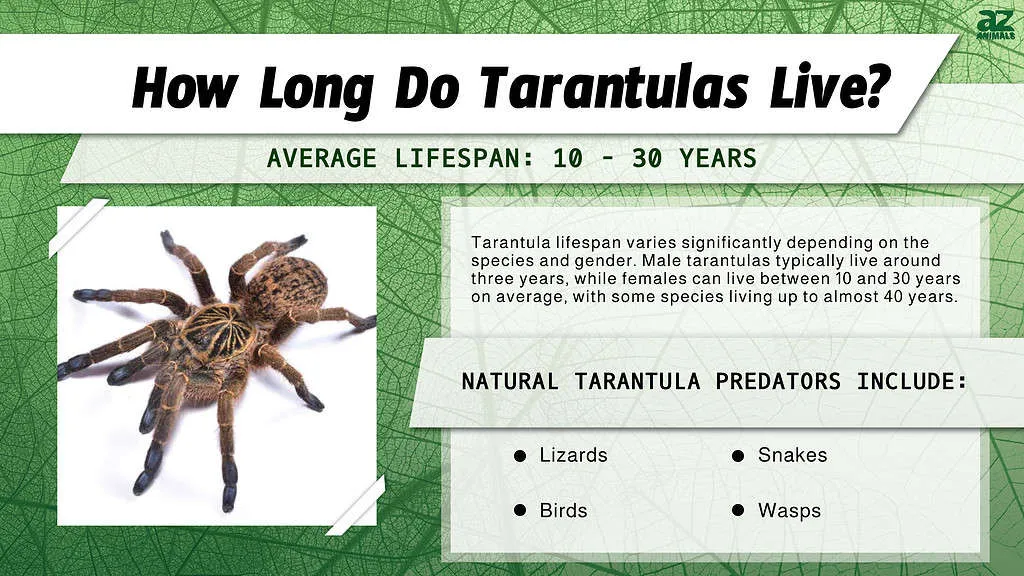
Unveiling Tarantula Lifespans
Tarantulas, with their impressive size and intriguing behaviors, have captivated many. One of the most common questions about these fascinating creatures revolves around their lifespan. Unlike many other pets, tarantulas offer the unique prospect of long-term companionship, with some species living for over two decades. Understanding the factors that influence their longevity is crucial for any tarantula enthusiast or potential owner. This article delves into the secrets behind tarantula lifespans, exploring various elements that contribute to their survival and well-being.
Factors Influencing Tarantula Lifespan
Several factors can significantly affect how long a tarantula lives. These elements encompass everything from their species and habitat to their diet and overall care. Recognizing these influences empowers owners to create the best possible environment for their pet tarantulas, increasing their chances of a long and healthy life. These factors are crucial to consider for the overall health and longevity of tarantulas. Careful consideration and management of these factors are essential for ensuring a tarantula’s well-being and maximizing its lifespan.
Species of Tarantula

Different tarantula species have vastly different lifespans. Some, like the popular Chilean rose hair tarantula, are known for their relatively long lives. Others, such as certain arboreal species, may have shorter lifespans. Researching the specific species you own or plan to acquire is essential to understand the typical life expectancy. Proper identification of the species is the first step. Knowing their native habitat and how this translates to their needs in captivity is an important factor. Therefore, species identification is not just about knowing the name but also about understanding its specific needs and behaviors.
Environment and Habitat
The environment in which a tarantula lives plays a critical role in its lifespan. Maintaining the correct temperature, humidity, and substrate is vital. A well-designed enclosure that mimics the tarantula’s natural habitat can significantly enhance its quality of life. Incorrect environmental conditions can lead to stress, illness, and a shortened lifespan. A stable and appropriate environment helps the tarantula thrive, increasing its longevity. Always research the specific environmental needs of your tarantula species and make sure the enclosure is suitable, safe, and comfortable.
Diet and Nutrition
A balanced diet is essential for a tarantula’s health and longevity. Providing a varied diet of appropriately sized insects, such as crickets, mealworms, and roaches, ensures the tarantula receives the necessary nutrients. Overfeeding can be as detrimental as underfeeding, potentially leading to health issues. Make sure to research your species’ feeding habits and establish a schedule that works well. Clean, fresh water should always be available. Ensure the prey items are nutritious and free from pesticides. Feeding your tarantula a diet that meets its needs will contribute significantly to a longer and healthier life. (tarantula-feeding.webp)
Sex and Maturity

A tarantula’s sex significantly influences its lifespan. Male tarantulas typically have shorter lifespans than females. This difference is primarily due to their role in reproduction and the associated physiological changes. Understanding these differences is crucial when considering tarantula ownership and anticipating their lifespan.
Male Tarantulas
Male tarantulas usually reach maturity faster than females. After reaching maturity, their lifespan often declines. They may live for a few years after their final molt. Males often roam in search of a mate, which can expose them to dangers. The biological imperatives drive this behavior, and their shorter lifespans are a reflection of this. The stress of mating also takes a toll on their bodies. Males also have shorter lifespans as a result of the effort expended during mating and the risks associated with the search for a female.
Female Tarantulas
Female tarantulas have the potential for much longer lifespans. This is because they do not expend energy in the same ways as males. They continue to molt throughout their lives, unlike males. They can live for well over a decade, sometimes exceeding twenty years, making them a more long-term commitment. The females are also typically more docile and less prone to wandering. Female tarantulas tend to live much longer, making them a more durable pet choice. (female-tarantula.webp)
Lifespan Differences

The average lifespan can vary greatly between species, with females of some species living for several decades, while males often live for only a few years after reaching maturity. These differences arise from a complex interplay of genetics, behavior, and environmental influences. Being aware of these differences will help you to care for your tarantula and give it the best opportunity for a long life. The tarantula’s lifespan is not just a matter of genetics. It’s influenced by a variety of other factors, including diet and environment.
Common Tarantula Species and their Lifespans
Popular pet tarantulas exhibit diverse lifespans. The Chilean rose hair (Grammostola rosea), known for its docile temperament, can live for 10-20 years for females. The Mexican red knee (Brachypelma hamorii) can live for 20-30 years, while males generally live for only 5-10 years after maturity. The lifespan of the G. pulchra can be up to 30 years. These figures are just averages, and many factors affect individual longevity. It’s important to remember that the actual lifespan depends on the tarantula’s environment, diet, and care. Always research the species you are interested in before getting one.
Rare and Unusual Tarantulas
Some rarer tarantula species may have unique lifespan patterns, making them more challenging to predict. Information about the longevity of these tarantulas is often less available. This highlights the importance of research. Their longevity can sometimes be influenced by other factors, such as their specific needs. If you’re interested in a rare species, consult with experienced breeders or experts for the most accurate information regarding their expected lifespan.
How to Increase a Tarantula’s Lifespan

Providing the proper care and maintenance is fundamental to extending your tarantula’s lifespan. Small changes in enclosure design, diet, and health maintenance can create a significant difference in the longevity of your pet. Taking extra care of your tarantula is a worthwhile investment in its long-term well-being and happiness. Consistent effort in providing the best environment possible will ensure the best chance for a long, healthy life. (tarantula-in-habitat.webp)
Proper Care and Maintenance
Regularly cleaning the enclosure and providing fresh water are basic requirements. It also includes monitoring humidity and temperature levels. It is also important to remove any uneaten food. Cleaning prevents the buildup of harmful bacteria and ensures a healthy environment. It also involves observing the tarantula’s behavior for any signs of illness or stress. Proper care involves closely watching your tarantula, monitoring environmental conditions, and addressing any problems promptly.
Choosing the Right Enclosure
Selecting the appropriate enclosure size and design is crucial. The enclosure must be appropriately sized for the tarantula’s size and species-specific needs. Proper ventilation and substrate are essential for maintaining the right humidity levels. Make sure that the enclosure is escape-proof and provides a secure environment for the tarantula. The right enclosure promotes healthy molting, which is vital for growth. The appropriate enclosure setup is one of the best investments you can make in the longevity of your pet tarantula. (tarantula-enclosure.webp)
Providing Optimal Diet and Hydration

Offering a balanced diet of appropriate insects is essential. Ensure your tarantula receives a variety of nutrients to support its growth and health. Providing a constant supply of fresh, clean water is also necessary. Make sure you are following a regular feeding schedule. Avoid overfeeding and ensure that the prey items are free from pesticides. A healthy, hydrated tarantula will be more likely to live a long and healthy life. Also, the diet has to be based on the species requirements.
Common Health Issues and Prevention
Awareness and prevention are essential in ensuring your tarantula’s health. Some of the common health issues include parasites, injuries from falls, and problems with molting. Observing your tarantula’s behavior allows you to identify problems early. A well-maintained environment and proper diet can help prevent many health issues. Consult with a veterinarian or a knowledgeable breeder if you notice anything unusual. Preventative care and early intervention are keys to increasing a tarantula’s lifespan. (tarantula-health.webp)
In conclusion, a tarantula’s lifespan is influenced by various factors, including species, environment, and care. By understanding these elements and providing a suitable environment, you can significantly increase the chances of your tarantula living a long, healthy life. Prioritize providing the best care and understanding to fully appreciate these amazing creatures. Remember that every tarantula is unique, and the effort you put into their care will be repaid with years of fascinating companionship. (tarantula-molting.webp)