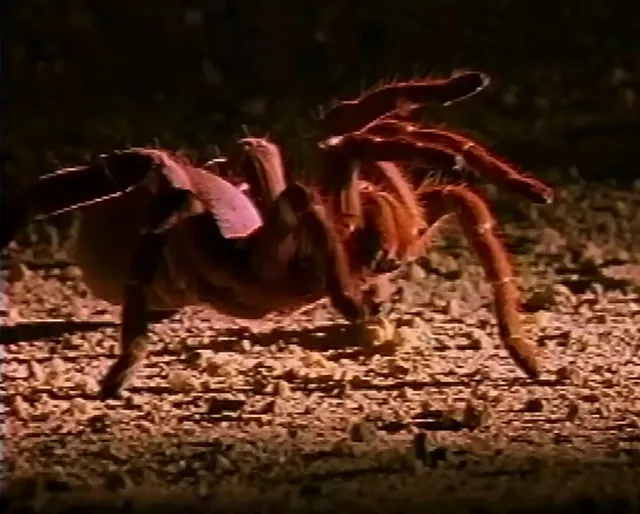
What Impacts a Tarantula’s Life Span?
The life span of a tarantula is a captivating topic, varying significantly based on several factors. These impressive arachnids, with their diverse species and unique characteristics, can live for years, even decades, making them a long-term commitment for any enthusiast. Understanding what influences their lifespan is crucial for responsible pet ownership and appreciating these fascinating creatures. Several key elements, from genetics to environmental conditions, play a role in determining how long a tarantula will thrive. This knowledge not only helps in providing the best possible care but also enhances the overall experience of owning and interacting with these amazing spiders. Different species also have various lifespans and knowing this is important.
Gender Differences
One of the most significant factors influencing a tarantula’s life span is its gender. There are notable differences in longevity between male and female tarantulas, a critical aspect to consider when planning to keep one as a pet. These differences are often linked to their biological roles and reproductive behaviors. Recognizing these disparities is crucial for anticipating the life cycle of your tarantula and providing the appropriate care and understanding the natural life stages.
Female Tarantulas

Female tarantulas generally have a much longer life span compared to males. They can live for up to 30 years or more, depending on the species and the care they receive. This longevity is due to their role in reproduction and their overall slower metabolism. Female tarantulas undergo a process of molting throughout their lives, which is essential for their growth and health. Each molt signifies growth and can be an indicator of how well the tarantula is cared for. Their longer life span makes them a rewarding long-term pet, offering years of observation and enjoyment.
Male Tarantulas
Male tarantulas, on the other hand, typically have a significantly shorter life span. After reaching maturity, which is often marked by their final molt, male tarantulas may only live for a few years. This is primarily due to their role in reproduction, which often takes a toll on their bodies. Male tarantulas actively seek mates and are more vulnerable to predators and stress during this period. Once they have mated, their lifespan tends to be greatly reduced. This difference in life span is an important factor for pet owners to understand. In general, male tarantulas live between 5-10 years, much less than their female counterparts.
Species Variations
The life span of a tarantula is also highly dependent on its species. Different species have different genetic predispositions, metabolic rates, and environmental adaptations that affect how long they live. Some species, like the Grammostola rosea (Chilean Rose), are known for their relatively long life spans, often living for 20 years or more in captivity. Others, such as certain Asian species, may have shorter lifespans, particularly males. Understanding the specific life expectancy of the species you own is crucial for planning and providing appropriate care. This knowledge helps in setting realistic expectations and ensuring you can provide the best possible environment for your tarantula.
Popular Tarantula Species and Their Life Spans

Below is a list of popular tarantula species with their approximate life spans. Please note that these are averages, and individual tarantulas may vary. It’s essential to research the specific species you are considering owning to ensure you are prepared for their care requirements and lifespan. The care you provide heavily affects the life expectancy of these tarantulas.
- Chilean Rose (Grammostola rosea) Females can live 20+ years
- Mexican Red Knee (Brachypelma hamorii) Females can live 20-25 years
- Goliath Birdeater (Theraphosa blondi) Females can live 15-25 years
- Pinktoe Tarantula (Avicularia avicularia) Females can live 10-12 years
- Brazilian Black (Grammostola pulchra) Females can live 20-30 years
Environmental Factors and Longevity
The environment in which a tarantula lives plays a crucial role in its longevity. Proper care and attention to environmental factors are essential to ensure that your tarantula thrives and lives a long, healthy life. Several key elements, including diet, housing, and climate conditions, significantly impact their overall health and life span. By providing the correct environment, you can significantly contribute to your tarantula’s well-being and increase the likelihood of a long life. Understanding these factors is essential for any tarantula owner.
Diet and Nutrition
A well-balanced diet is fundamental to a tarantula’s health and longevity. Tarantulas are carnivores and require a diet primarily consisting of insects. The type and size of insects offered should be appropriate for the tarantula’s size and stage of life. Crickets, mealworms, and roaches are common choices. It’s also important to provide a variety of insects to ensure that the tarantula receives all the necessary nutrients. Overfeeding can lead to health problems, so it’s crucial to feed them in moderation, generally every few days, depending on their age and size. Providing a constant supply of fresh, clean water is also essential. A well-nourished tarantula is more likely to live a longer and healthier life.
Importance of Proper Housing
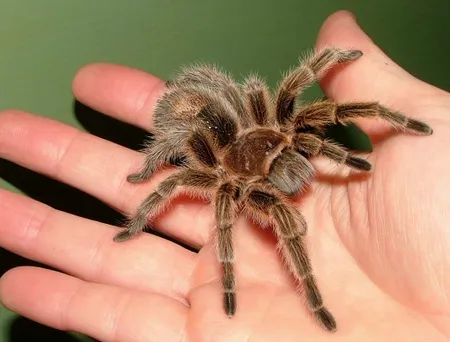
Proper housing is essential for a tarantula’s well-being. The enclosure should be appropriately sized for the species and provide ample space for the tarantula to move around. The enclosure should also have appropriate substrate, such as coconut fiber or peat moss, which helps maintain humidity and provides a natural environment. Decorations, such as hides, can also enrich the environment and give the tarantula a sense of security. The enclosure must be well-ventilated to prevent mold and maintain the right humidity levels. Maintaining a clean enclosure is also essential. Regular cleaning removes waste and uneaten food, which can prevent the growth of harmful bacteria. Poor housing conditions can lead to stress and illness, which can shorten a tarantula’s life span.
Temperature and Humidity
Tarantulas are ectothermic, meaning they rely on their environment to regulate their body temperature. Maintaining the correct temperature and humidity levels is, therefore, crucial for their health and longevity. Most tarantula species thrive in temperatures between 70-80°F (21-27°C). Humidity levels should be monitored and maintained based on the species’ requirements, usually between 60-80%. Proper ventilation is also essential for preventing mold and ensuring the air quality within the enclosure. Consistent temperature and humidity levels support the tarantula’s metabolism, molting process, and overall health. Using a thermometer and hygrometer can help you monitor the environment and make adjustments as needed.
Molting and Life Span
Molting is a crucial process in a tarantula’s life cycle. It is the mechanism by which they shed their exoskeleton to grow. Understanding the molting process and how it affects a tarantula’s life span is essential for proper care. Molting is not only a sign of growth but also a way for the tarantula to shed parasites and renew its body. This process is energy-intensive, and the conditions in their enclosure and how well you take care of your pet heavily impacts how well they molt.
Understanding the Molting Process
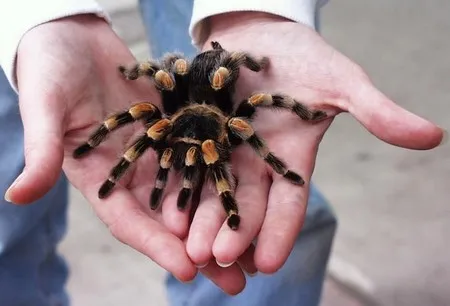
Molting involves the tarantula shedding its old exoskeleton to reveal a new, larger one. Before molting, the tarantula usually stops eating and may become more reclusive. The process can take several hours, or even days, depending on the size and age of the tarantula. During molting, the tarantula is extremely vulnerable. They lie on their backs, and the new exoskeleton hardens. It’s crucial not to disturb the tarantula during this process. After molting, the tarantula’s new exoskeleton is soft, and it will gradually harden over the next few days. During this time, it’s important to avoid handling the tarantula and ensure it has access to water.
How Molting Affects Life Span
Molting is a necessary process for growth and regeneration, but it also expends a lot of energy. The frequency of molting decreases as the tarantula ages. Younger tarantulas molt more often than adults. Each molt can affect their lifespan, so it’s essential to provide a stress-free environment that minimizes risks. A successful molt is crucial for the tarantula’s health and can influence its overall life span. Poor molting conditions, such as inadequate humidity or injury during the process, can shorten a tarantula’s life.
Tarantula Life Stages and Their Duration
Tarantulas go through different life stages, each with its own characteristics and duration. Understanding these stages is vital for providing appropriate care and appreciating the different phases of their life cycle. The duration of each stage varies depending on the species, gender, and environmental conditions. Knowing the life stages can give you a better understanding of their needs.
The Juvenile Stage

The juvenile stage is the period of rapid growth. During this time, tarantulas molt frequently to shed their exoskeletons and increase in size. Juveniles are more vulnerable and require a stable and safe environment. They are also more prone to dehydration and injury. Providing a balanced diet and maintaining proper humidity levels are particularly important during this stage. The duration of the juvenile stage varies, but it can last for several years, depending on the species and environmental factors.
The Sub-adult Stage
The sub-adult stage marks the transition toward adulthood. Molting frequency decreases, and the tarantula’s appearance begins to resemble that of an adult. The sub-adult stage is a period of preparation for reproduction in females. Males may undergo their final molt during this stage, developing the necessary features for mating. Careful observation and care are still crucial during this phase. The length of the sub-adult stage varies but typically lasts several months to a year.
The Adult Stage
The adult stage is the final phase of the tarantula’s life cycle. Females continue to molt, although less frequently, and can live for many years. Males, having reached maturity, focus on reproduction and their lifespan shortens after mating. Adult tarantulas require the same level of care as younger tarantulas, but it’s important to adjust feeding and handling practices based on their size and behavior. This is the stage where you can often observe mating behavior, which is an exciting and fascinating part of owning tarantulas.
How to Extend Your Tarantula’s Life

While you cannot guarantee a tarantula’s lifespan, you can take steps to maximize its chances of living a long, healthy life. Proper care, attention to environmental factors, and proactive health management are essential. Providing the right conditions and recognizing early signs of problems will contribute to the long-term well-being of your tarantula. By understanding their needs and providing appropriate care, you can enjoy your tarantula’s presence for many years. Here are a few tips to extend your pet’s life.
Proper Care and Maintenance
Consistent and attentive care is the cornerstone of extending a tarantula’s life. This includes regular feeding with a nutritious diet, providing fresh water, and maintaining the appropriate temperature and humidity levels in the enclosure. Routine cleaning of the enclosure to remove waste and uneaten food is also essential. Avoid handling the tarantula excessively, as stress can negatively impact its health. By creating a stable and comfortable environment, you can prevent many of the problems that shorten life expectancy. The more diligent you are in their care, the better chances you have of a long life for your tarantula.
Regular Health Checks
Regular health checks can help identify potential problems early on. Observe your tarantula for any unusual behaviors or physical changes. Look out for changes in appetite, difficulty molting, or signs of parasites or infections. If you notice anything unusual, consult with a veterinarian experienced in exotic pets. Early detection and treatment of health issues can significantly improve the tarantula’s prognosis and extend its life. Early detection of a problem can be the difference between life and death. Be sure to check your tarantula regularly.
Preventing Common Health Issues
Many common health problems can be prevented with proactive care. Ensure that the enclosure is clean and well-ventilated to prevent bacterial and fungal infections. Provide a varied diet and avoid overfeeding to prevent obesity. Avoid sudden changes in temperature or humidity, which can stress the tarantula. Quarantine new tarantulas before introducing them to existing ones to prevent the spread of disease. By taking these precautions, you can significantly reduce the risk of your tarantula developing health problems and increase its chances of living a long and healthy life. Always consult a vet if you suspect any issues.