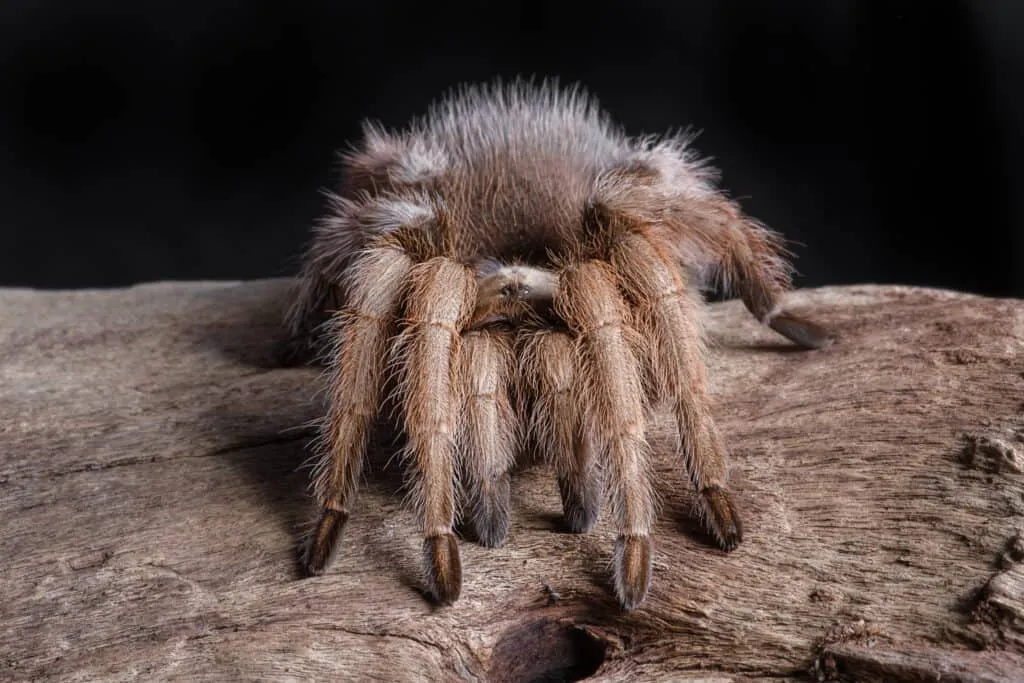
Top 5 Deadly Tarantula Killers
Tarantulas, with their impressive size and intimidating appearance, often evoke a sense of fear. However, these fascinating creatures are also preyed upon by a variety of predators. Understanding these threats is crucial for appreciating the intricate balance of ecosystems and the remarkable survival strategies of tarantulas. The following outlines five of the most deadly tarantula killers, detailing their hunting methods and the impact they have on these large spiders. These predators employ diverse tactics, from aerial ambushes to stealthy ground attacks, showcasing the constant struggle for survival in the natural world. These are not just predators, they are a key part of the tarantula ecosystem and help keep balance in it. Knowing the threat will help you prepare and protect yourself.
The Tarantula Hawk Wasp
The tarantula hawk wasp, a formidable insect, is renowned for its specialized hunting behavior. This wasp is named the tarantula hawk because of its hunting target, the tarantula. They are large wasps with a painful sting, which they use to paralyze tarantulas before dragging them back to their nest. The wasp’s sting is considered one of the most painful stings in the world. The wasp’s life cycle is intimately linked to the tarantula’s. After paralyzing the tarantula, the wasp lays a single egg on the spider’s abdomen. The wasp larva then hatches and feeds on the paralyzed tarantula, consuming it alive. The wasp larva will feed on the spider from the inside out, keeping the important organs intact for as long as possible. This parasitic relationship highlights the brutal efficiency of nature and the specific adaptations of both predator and prey.
Hunting and Stinging

The hunting process of a tarantula hawk wasp is a display of precision and agility. The wasp locates a tarantula, often through scent, and initiates a tense standoff. The wasp will try to maneuver around the tarantula to get the perfect angle to sting it. Then, with remarkable speed, it stings the spider, injecting a potent venom. The venom does not kill the tarantula; instead, it paralyzes it, allowing the wasp to drag its much larger prey to its nest. The wasp is very patient and knows exactly where to sting so that the tarantula is paralyzed for a long time. The wasp uses its own body size to push the tarantula around and get it in the right position.
Impact on Tarantulas
The tarantula hawk wasp is a significant predator of tarantulas, playing a crucial role in regulating tarantula populations. The wasp’s impact is substantial, particularly in areas where it is abundant. The wasp’s predation can limit the number of tarantulas in a region and affect their behavior. The wasps can cause tarantulas to adapt to the threat, for instance, by being more secretive. The tarantula’s defenses, such as biting and kicking hairs, are sometimes effective, but are not sufficient to always ward off the wasp. This interaction between predator and prey is a prime example of natural selection in action.
The Coyote
Coyotes, adaptable canids found across North America, are opportunistic predators that include tarantulas in their diet. Although tarantulas are not a primary food source, coyotes will consume them when available, especially during times when other prey is scarce. The coyote’s ability to thrive in diverse habitats, from deserts to grasslands, gives them a wide range to find and hunt tarantulas. Their intelligence and adaptability make them successful hunters, capable of exploiting various food sources.
Hunting Tactics

Coyotes employ several hunting tactics to catch tarantulas. They may dig them out of their burrows or ambush them as they wander. The coyote’s keen sense of smell helps them locate tarantulas, and their agility allows them to pursue them effectively. They will often dig at the tarantula’s burrow to try and pull them out to get them. They may also use their paws to dig at the burrows and collapse them so the tarantula has to come out.
Diet and Habitat
The diet of a coyote is highly varied, including small mammals, birds, reptiles, insects, and, when the opportunity arises, tarantulas. Coyotes live in diverse habitats, including deserts, which overlap with the habitat of many tarantula species. The coyote’s adaptability and its ability to forage in different environments make it a threat to tarantulas in those regions.
The Owl
Owls, with their exceptional hunting skills, are aerial predators that occasionally prey on tarantulas. Owls will scan for tarantulas from high above looking for any movement. Various owl species are known to include tarantulas in their diet, especially in areas where tarantulas are prevalent. The owl’s nocturnal hunting habits and silent flight allow them to surprise their prey, including tarantulas.
Nocturnal Hunting

Owls primarily hunt at night, taking advantage of their exceptional night vision and hearing. Their silent flight allows them to approach tarantulas undetected. They swoop down from above, using their sharp talons to capture the spiders. Owls are very well adapted to hunt at night and can see even the slightest movements in the darkness.
Predatory Behavior
The predatory behavior of owls is characterized by patience and precision. They often perch in elevated locations, observing their surroundings for movement. When they spot a tarantula, they swiftly and silently descend to capture it. Owls often regurgitate pellets containing the undigested parts of their prey, offering clues to their diet. Owls are very calculating and are always looking for an easy catch.
The Snake
Snakes, with their diverse hunting strategies, pose a significant threat to tarantulas. Several snake species are known to prey on tarantulas, including those that live in the same habitats. The snake’s ability to enter burrows and ambush their prey makes them a formidable predator. Snakes can be highly venomous or constrictors, each using different methods to subdue and kill their prey.
Venom and Constriction

Some snake species employ venom to immobilize tarantulas, injecting their venom with a swift bite. Others, like constrictors, use their strong bodies to squeeze the spider, preventing them from breathing. Snakes use different hunting methods, but all of them have very strong methods of killing tarantulas. The combination of venom or constriction ensures the snake’s success in hunting tarantulas. The venomous snakes paralyze the tarantula and constrictors can suffocate them very quickly.
Ambush and Pursuit
Snakes often ambush tarantulas, waiting patiently near their burrows or along their travel paths. Some snakes are more active hunters, pursuing tarantulas over short distances. They use their keen senses to detect tarantulas, and their stealthy approach often catches the spider off guard. Snakes also go into burrows, which is where tarantulas live. Snakes also blend in very well with their surroundings, which gives them an extra advantage when trying to catch tarantulas.
The Centipede
Centipedes, known for their predatory nature and speed, are another threat to tarantulas. These multi-legged creatures are aggressive hunters, capable of overpowering and consuming tarantulas. Their powerful jaws and venomous bite make them a dangerous adversary, even for large spiders. Centipedes are an extremely quick and aggressive predator, which is why they are so dangerous to tarantulas.
Fast and Aggressive

Centipedes are incredibly fast and agile, allowing them to quickly chase down and attack tarantulas. They move swiftly across the ground and can quickly maneuver around obstacles. Their aggressive nature ensures they won’t back down from a fight, making them a persistent threat to tarantulas. Some of the larger centipedes are as big as the tarantula itself and can take them down pretty quickly.
Venomous Bite
Centipedes possess a venomous bite, which they use to paralyze and kill their prey. Their bite injects venom that quickly immobilizes the tarantula, allowing the centipede to feed. This venom is a key element in the centipede’s hunting success, allowing it to take down prey much larger than itself. Centipedes also use their size to their advantage and will often overpower a tarantula with quick and strong attacks.
Understanding the predators of tarantulas highlights the complexities of their natural environment. These predators, from the tarantula hawk wasp to the centipede, each employ unique strategies to hunt these large spiders. The constant interplay between predator and prey shapes the behavior, population dynamics, and evolutionary adaptations of tarantulas, ensuring their survival in a world filled with challenges. Knowing the threats can help you prepare and protect yourself.