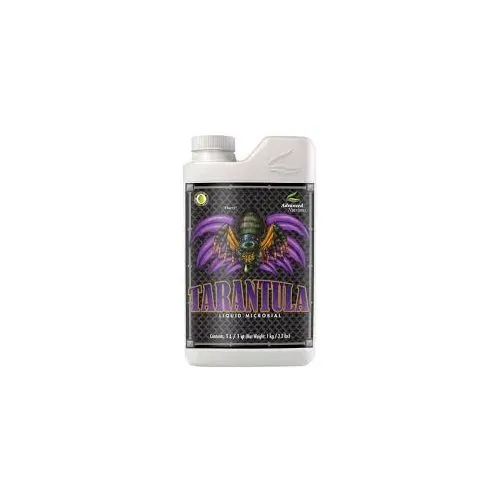
What is Advanced Nutrients Tarantula?
Advanced Nutrients Tarantula is a beneficial microbial product designed to enhance plant health and maximize yields. It’s a popular choice among growers looking to create a thriving root zone environment. Unlike synthetic fertilizers, Tarantula focuses on promoting a symbiotic relationship between the plant and the beneficial microorganisms in the soil. This approach leads to stronger plants, increased nutrient uptake, and ultimately, more bountiful harvests. The formulation is specifically created to support the plants throughout their growth cycle, from the early seedling stages to the flowering and fruiting phases. By harnessing the power of nature, Tarantula helps create the ideal conditions for optimal plant development.
Understanding Tarantula’s Microbial Blend
Tarantula’s effectiveness lies in its carefully selected blend of beneficial microorganisms. These microscopic allies work in concert to improve the plant’s overall health. The product is not just a collection of different microbes; it is a synergistic blend designed to work together. The core of this blend is a mix of beneficial bacteria and fungi that colonize the root zone. They create a complex ecosystem that supports the plant in multiple ways. This carefully balanced microbial community helps to protect the roots, promote nutrient absorption, and enhance the plant’s natural defenses. This leads to a more resilient and productive plant.
Key Ingredients in Advanced Nutrients Tarantula

The key to Tarantula’s success is its specific blend of beneficial bacteria and fungi. These ingredients are specifically chosen for their proven ability to improve plant health. These microorganisms work in harmony to create a thriving root environment. They are instrumental in nutrient cycling, disease suppression, and overall plant vigor. The combination of Bacillus bacteria and Trichoderma fungi forms the foundation of this effective blend, each playing a vital role in supporting plant development. Understanding the function of each component will give you a better perspective on how this product works.
Bacillus Bacteria Powerhouse
Bacillus bacteria are a critical component of Tarantula. They are known for their ability to colonize the root zone and provide multiple benefits. Bacillus species are particularly effective at breaking down organic matter, making essential nutrients available to the plant. Moreover, some strains of Bacillus produce compounds that inhibit the growth of harmful pathogens, thereby protecting the plant from diseases. Bacillus bacteria also help improve the soil structure, which enhances aeration and drainage. This creates a healthier environment for root growth and overall plant health. They are truly a powerhouse within the Tarantula formula.
Trichoderma Fungi and Their Benefits
Trichoderma fungi are another crucial element in Tarantula. These beneficial fungi form a symbiotic relationship with the plant roots, providing protection and enhancing nutrient uptake. Trichoderma helps to suppress various soil-borne pathogens, acting as a natural defense against diseases. Furthermore, Trichoderma fungi help solubilize nutrients, making them more readily available to the plant. This leads to more efficient nutrient uptake and enhanced plant growth. Trichoderma also helps to stimulate root growth, creating a larger and healthier root system, which is vital for the plant’s overall health and productivity. They offer comprehensive support for plant health.
How Tarantula Ingredients Benefit Plant Health

The combination of Bacillus bacteria and Trichoderma fungi in Tarantula provides numerous benefits that enhance plant health and productivity. This blend creates a synergistic effect, maximizing the advantages for the plants. The microbial actions create a thriving environment for the roots, which is the foundation for plant growth. These ingredients actively work to improve nutrient absorption, boost disease resistance, and promote robust root development. These benefits are critical for achieving higher yields and healthier plants. The integrated benefits ensure comprehensive support for every aspect of plant development.
Enhanced Nutrient Uptake
One of the primary benefits of Tarantula is the enhancement of nutrient uptake. The beneficial microorganisms in Tarantula help to break down complex organic matter into simpler forms that the plant can easily absorb. This process is crucial for providing the plant with the essential nutrients it needs for growth. Bacillus bacteria plays a key role in this, solubilizing nutrients like phosphorus and making them available to the plant. Moreover, Trichoderma fungi help to expand the root system, which increases the plant’s ability to absorb nutrients from the soil. As a result, plants using Tarantula often exhibit healthier growth and improved yields. This enhanced nutrient absorption is critical for maximizing plant growth.
Improved Root Development
Tarantula also significantly contributes to improved root development. A healthy root system is essential for a plant’s ability to absorb nutrients and water. The microorganisms in Tarantula stimulate root growth, leading to a larger and more robust root system. Trichoderma fungi, in particular, play a vital role in this process by colonizing the roots and promoting their expansion. This enhanced root development increases the plant’s access to nutrients and water, making it more resilient and productive. Strong roots also anchor the plant, providing greater stability. The improved root development is key to overall plant health and vigor.
Increased Resistance to Diseases

Another significant benefit of using Tarantula is the increased resistance to diseases. The beneficial microorganisms in Tarantula help to suppress the growth of harmful pathogens in the soil. Trichoderma fungi actively compete with disease-causing organisms, such as Pythium and Fusarium. They also produce compounds that inhibit the growth of these pathogens. Bacillus bacteria also contributes to disease resistance by producing substances that protect the plant. This natural defense mechanism reduces the need for chemical treatments and creates a healthier growing environment. The increased disease resistance ensures the plants are healthy and robust throughout the growing cycle.
Using Tarantula in Your Garden
Incorporating Tarantula into your gardening routine is straightforward and can significantly improve plant health. The product is designed to be user-friendly and can be integrated into various gardening systems. Whether you are growing in soil, soilless media, or hydroponic systems, Tarantula can be an effective addition to your plant care regimen. The key is to follow the recommended application methods and dosage guidelines to ensure optimal results. Regular use of Tarantula will help establish a healthy and balanced microbial environment in the root zone, leading to healthier and more productive plants. This proactive approach to plant care helps to create a thriving garden.
Application Methods and Dosage
Tarantula can be applied using different methods, depending on the growing system and the stage of plant development. The most common methods include drenching the root zone with a diluted solution or adding it to your nutrient reservoir in hydroponic systems. Always follow the manufacturer’s instructions for the specific dosage recommended for your system and the plant’s growth stage. In general, it is best to start with a lower dose and gradually increase it as needed. Consistency is key for best results, so regular applications throughout the plant’s life cycle are recommended. Proper application ensures that the beneficial microbes are present in the root zone and can provide their benefits. Precise measurements and correct timing will optimize its effectiveness.
Best Practices for Optimal Results

To achieve optimal results with Tarantula, there are several best practices to consider. Ensure that the growing environment supports microbial activity. This includes maintaining proper pH levels and providing adequate aeration. Avoid using harsh chemicals or pesticides that can harm the beneficial microbes. It’s important to create an environment where the microbes can thrive. Regular monitoring of plant health and adjusting the application rate as needed can also help. Keeping a close eye on the plants and addressing any issues promptly will optimize Tarantula’s effectiveness. By implementing these practices, you can maximize the benefits and create a thriving garden environment.
Comparing Tarantula to Other Microbial Products
When comparing Tarantula to other microbial products, it’s essential to consider several factors, including the microbial blend, application methods, and overall effectiveness. Many microbial products contain a single type of beneficial microbe, while Tarantula offers a synergistic blend of Bacillus bacteria and Trichoderma fungi. This combination provides a broader range of benefits and supports a healthier root environment. Additionally, consider the ease of use and compatibility with your existing gardening practices. The choice of product should align with your specific gardening needs and goals. Look for a product that contains a proven combination of beneficial microbes that has been shown to enhance plant health.
The Advantages of Tarantula
Tarantula offers several advantages that make it a preferred choice for many growers. The synergistic blend of beneficial bacteria and fungi provides comprehensive support for plant health. It promotes enhanced nutrient uptake, improved root development, and increased disease resistance. The product is easy to use and compatible with various growing systems, making it a versatile option for both beginners and experienced gardeners. Furthermore, using Tarantula aligns with sustainable gardening practices by reducing the need for synthetic fertilizers and pesticides. The benefits contribute to healthier plants, higher yields, and a more sustainable growing environment.
Potential Drawbacks and Considerations

While Tarantula is an excellent product, it’s important to consider some potential drawbacks and limitations. The effectiveness of any microbial product can be influenced by environmental factors, such as temperature and pH levels. The ideal conditions for the microbes to thrive are important. It’s essential to maintain a favorable environment to maximize the benefits. Another consideration is that Tarantula is not a quick fix and the benefits are typically seen over time with consistent use. It requires a patient approach and adherence to the recommended application schedule. Always store the product properly and follow the manufacturer’s guidelines for best results. Being aware of these considerations ensures that you set realistic expectations and achieve optimal results.