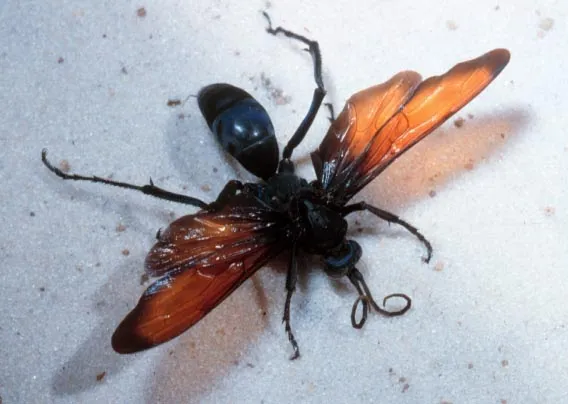
Why Tarantula Hawks Sometimes Lose
Tarantula hawks, the formidable predators known for their excruciating sting and their macabre practice of paralyzing tarantulas, are often portrayed as invincible hunters. However, even these apex predators face challenges and, yes, sometimes lose. While they are highly specialized and possess impressive hunting skills, a variety of factors can lead to their defeat. Understanding these vulnerabilities provides a more complete picture of their survival strategies and the complex dynamics of their ecosystem. The following sections delve into the specific reasons why these impressive insects can sometimes come up short in the constant struggle for survival. From physical limitations to environmental pressures, the tarantula hawk’s life is not without its risks.
Size and Strength Disadvantages
Despite their imposing appearance, tarantula hawks have size and strength limitations that can impact their success. While they are large wasps, they are still constrained by the laws of physics and biology. They need to be able to move their bodies in order to carry their prey into a burrow. Their overall size can make them vulnerable. Larger tarantulas, in particular, may be able to mount a more effective defense, utilizing their powerful fangs and defensive hairs to ward off the wasp. Furthermore, their strength, while significant, is not unlimited. The effort required to subdue and transport a tarantula can exhaust them, increasing their risk of being targeted by other predators or succumbing to environmental stressors. The size of the tarantula hawk is a key factor in their survival.
Vulnerability to Predation

Tarantula hawks, despite their formidable sting, are not immune to predation themselves. While they are at the top of the food chain, they are still vulnerable, especially during certain life stages or when their defenses are compromised. Birds, particularly those that are adapted to hunting insects, may prey on tarantula hawks. Other predators, such as certain types of lizards and even larger insects, have been known to attack tarantula hawks. This risk is heightened when the tarantula hawk is distracted during prey handling, or when it is in a vulnerable state, such as after a strenuous fight or during mating. The reality is that few creatures in the wild are truly safe from predation, and the tarantula hawk is no exception.
Energy Expenditure and Fatigue
Hunting a tarantula and transporting it to a burrow is a physically demanding undertaking for a tarantula hawk. This process can deplete the wasp’s energy reserves, leaving it fatigued and more susceptible to other threats. The struggle to subdue a large, aggressive tarantula can be lengthy and exhausting. After stinging and paralyzing the tarantula, the wasp must then find a suitable burrow, drag the spider into it, and lay its egg. The sheer physical exertion of this process can lead to exhaustion, making the wasp slower to react to threats or reducing its ability to defend itself. Fatigue can also impair its ability to make quick decisions and assess risks, increasing the likelihood of a negative outcome.
Environmental Factors That Affect Them
Tarantula hawks are also affected by environmental conditions. Extreme weather, such as intense heat or cold, can be detrimental to their survival. These wasps thrive in specific climates, and fluctuations outside of their preferred range can stress them. For example, excessive heat can lead to dehydration and exhaustion, while extreme cold can slow their metabolism or even kill them. Environmental disasters, such as wildfires or floods, can destroy their habitat, disrupt their food sources, and directly kill them. The availability of prey, influenced by the overall health of the ecosystem, is another critical environmental factor. Changes in vegetation and water resources can also affect the presence of tarantulas, thereby impacting the tarantula hawk’s hunting success.
Competition with Other Species

Tarantula hawks face competition from other species for resources, including prey and suitable nesting sites. While tarantulas are their primary target, other predators may also hunt them, or compete for the same resources. Other wasp species, spiders, or insects may compete for the same tarantulas, which can reduce the success rate of the tarantula hawk. The availability of nesting sites is also a factor. If suitable burrows are scarce, tarantula hawks may have to expend more energy searching for a place to lay their eggs, which may decrease their chances of successfully reproducing. Furthermore, indirect competition occurs. As an example, changes in habitat, such as land clearing, affect the amount of tarantulas and suitable habitats, which affects the tarantula hawk.
Challenges During Prey Handling
The process of handling a tarantula is fraught with challenges. After the tarantula hawk stings and paralyzes the tarantula, it must then maneuver the spider to a burrow. This task can be difficult and dangerous, particularly if the tarantula is large or in an unfavorable position. During this transport phase, the tarantula hawk is more vulnerable to attack from other predators or environmental hazards. The wasp must also avoid being bitten or stung by the tarantula, even after it has been paralyzed, which requires precise control and careful positioning. The distance to the burrow and the terrain encountered can also influence the success. Any delay or complication during this process increases the risk of loss.
Human Interference and Impact
Human activities can significantly impact tarantula hawk populations, leading to losses. Habitat destruction due to development, agriculture, or other land-use changes can reduce the availability of both tarantulas and suitable nesting sites for the wasps. The use of pesticides, while intended to control other insects, can also affect tarantula hawks directly or indirectly by reducing their food supply. Climate change, driven by human activities, can alter their habitats and influence their geographic ranges, making survival more difficult. Awareness of these impacts is crucial to mitigate the negative effects of human actions and create conditions that will promote the survival of these amazing insects.
The Ultimate Outcome What Happens When They Lose?

When a tarantula hawk loses, the consequences can vary, but ultimately, it is a setback in their struggle for survival. They could be injured or killed by a tarantula, another predator, or environmental conditions. A failed hunt means the wasp has to expend more energy to find another tarantula, potentially leading to exhaustion and increasing their vulnerability. The inability to successfully capture and provision a tarantula for their larvae means no offspring are produced. In extreme cases, the loss can be fatal, especially if the wasp is attacked by another predator or succumbs to environmental hazards. The complex interplay of factors that can result in loss is a testament to the demanding life of a tarantula hawk.