Tarantula Hawk Amazing Facts
The tarantula hawk, a remarkable species of spider wasp, stands as a testament to nature’s complexity and the fascinating world of insects. Known for its formidable size, striking appearance, and infamous sting, this insect is a true marvel of the animal kingdom. This blog post will delve into 5 amazing facts about the tarantula hawk, exploring its unique characteristics, behaviors, and ecological role. From its physical attributes and dietary habits to its nesting strategies and geographical distribution, we’ll uncover the incredible life of this captivating creature. Get ready to be amazed by the power, beauty, and sheer wonder of the tarantula hawk!
The Tarantula Hawk’s Appearance
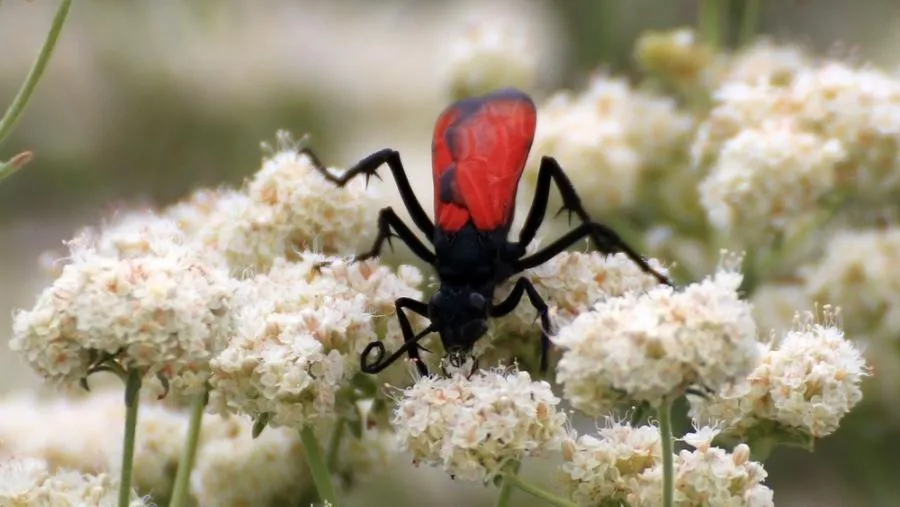
The tarantula hawk is one of the largest wasps on Earth, and its imposing size immediately grabs attention. They are a striking sight. The body is a deep, iridescent blue or black, contrasted by vibrant orange wings. This combination makes them easily recognizable and a visual delight for any nature enthusiast. The female tarantula hawk is typically larger than the male, with a robust build suited for carrying her prey. This size disparity is common in many insect species, where the female requires greater strength for tasks related to reproduction and offspring care. The vibrant colors serve as a warning signal to potential predators, indicating the presence of a potent sting.
Size and Color

As mentioned, the tarantula hawk is a big wasp. Females can measure up to 5 cm (2 inches) long, with a wingspan that can reach 11 cm (4.3 inches). The males are slightly smaller. Their bodies are a metallic blue-black or dark blue color, and their wings are a rusty orange or reddish-brown. These vibrant colors are aposematic, warning predators of their powerful sting. This distinctive coloration not only aids in species recognition but also contributes to their formidable reputation in the insect world.
Distinguishing Features
Apart from their size and color, tarantula hawks have several distinguishing features. They have long, spiny legs adapted for digging and maneuvering. Their powerful mandibles, or jaws, are used for tasks such as digging burrows and manipulating prey. The antennae are long and slender, used for sensing the environment. One of the most defining features is the sting. The stinger is long, and the venom delivers an excruciatingly painful experience. These physical adaptations are essential for their survival, from hunting tarantulas to constructing their nests and ensuring the continuation of their species. They are built for a specific way of life.
The Tarantula Hawk’s Diet
The tarantula hawk’s dietary habits are as unique as its appearance. As the name suggests, their primary food source is tarantulas, a type of large, hairy spider. The female tarantula hawk uses its sting to paralyze a tarantula, dragging it back to a prepared burrow. This provides a safe haven for the wasp’s offspring, who then feast on the still-living spider. The hunting process is a fascinating example of nature’s ingenuity, highlighting the predator-prey relationship in its purest form. The wasp’s venom is specifically designed to immobilize the spider, allowing the wasp to safely transport it to the nest. The diet plays a crucial role in the wasp’s survival.
Primary Food Source

Tarantulas are the primary food source for tarantula hawk larvae. The female wasp hunts tarantulas, paralyzing them with her sting and dragging them back to her burrow. The paralyzed tarantula serves as a host for the wasp’s egg. This egg hatches into a larva, which feeds on the tarantula. This parasitic relationship ensures the wasp larvae have a food source. The tarantula slowly provides nutrients for the developing wasp. Once the larva matures, it pupates within the spider’s body and eventually emerges as an adult tarantula hawk, ready to repeat the cycle.
Hunting Strategies
The hunting strategy of a tarantula hawk is a display of precision and skill. The female tarantula hawk actively seeks out tarantulas. They often locate them in their burrows or hiding places. Once the tarantula is located, the wasp engages in a strategic battle. The wasp stings the spider, using its venom to paralyze it. Then, the wasp carefully drags the incapacitated tarantula back to a pre-dug burrow. The wasp then lays an egg on the spider’s abdomen. It buries the spider and the egg, sealing them within the burrow, initiating the next generation of tarantula hawks. The entire process is a delicate dance of survival.
Tarantula Hawk’s Nesting Behavior
The nesting behavior of the tarantula hawk is a critical aspect of its life cycle, as it directly influences the survival of its offspring. The female wasp meticulously prepares a burrow for the paralyzed tarantula, ensuring a safe and suitable environment for her egg. The construction of the nest and the meticulous care taken in the process reflect the intricate instincts that govern their behavior. This is a prime example of the complexity found in the natural world. The time and effort spent on this process is proof of the wasp’s dedication to its young. This nesting behavior ensures the continuation of the tarantula hawk species.
Nest Construction

Tarantula hawks build their nests in the ground, often in sandy or loamy soil. The female uses her powerful mandibles and legs to dig a burrow. The depth and structure of the nest vary, but it is typically designed to house a single tarantula. Before placing the tarantula in the nest, the wasp meticulously inspects the burrow. She ensures that it is free from obstructions and suitable for the spider. The burrow is sealed once the egg is laid. The wasp will then search for another tarantula. The nest construction is a labor-intensive process, reflecting the wasp’s commitment to its offspring’s survival.
Egg Laying Process
After the tarantula is secured within the burrow, the female tarantula hawk lays a single egg on the paralyzed spider’s abdomen. The wasp meticulously attaches the egg to the spider, ensuring it remains secure. The egg hatches into a larva, which feeds on the still-living spider. The larva grows, consuming the tarantula from the inside out. When the larva is fully developed, it pupates inside the spider’s exoskeleton. The pupa then transforms into an adult wasp, completing the cycle. The egg-laying process is a crucial element in the tarantula hawk’s life cycle, ensuring the continuation of its lineage.
The Potent Sting of a Tarantula Hawk
The sting of the tarantula hawk is renowned for its exceptional pain, often described as one of the most painful insect stings in the world. While the sting is not typically fatal to humans, the intensity of the pain is enough to deter anyone from wanting to experience it. The venom itself is a potent cocktail of neurotoxins, designed to paralyze its prey. The sting has a purpose of paralyzing the tarantula. The pain can last for several minutes. The experience is intense and memorable. The sting serves as a key defense mechanism and a critical tool for hunting.
Sting Strength

The sting strength is exceptionally high, as documented by the Schmidt sting pain index. This index rates the relative pain of various insect stings. Tarantula hawks are ranked among the highest, indicating the severe nature of their sting. The pain is described as excruciating, causing immediate and intense suffering. While the pain subsides within a few minutes, the memory of the sting is a lasting experience. This potent sting is an essential aspect of the tarantula hawk’s survival, providing protection and enabling it to hunt tarantulas.
Effects on Humans
The effects of a tarantula hawk sting on humans are primarily characterized by intense pain. The sting is not usually life-threatening, but it causes an immediate and agonizing sensation. The pain is followed by a temporary paralysis of the affected limb, along with localized swelling and redness. The pain typically subsides within a few minutes to an hour, but the memory of the sting can linger. The effect varies from person to person. Medical treatment is generally not required unless an allergic reaction occurs. The best course of action is to avoid contact with these wasps and to be cautious when in their habitat.
Tarantula Hawk’s Geographical Distribution
Tarantula hawks are native to various regions around the world, with a preference for warm, arid environments. Their geographical distribution is influenced by the availability of their primary food source, the tarantula. They are often found in habitats that support both tarantulas and the conditions that favor the wasps’ nesting behavior. Understanding their geographical distribution helps to appreciate their ecological role. They play a part in their ecosystems. The wasp’s presence serves as a reminder of the interconnectedness of the natural world. The habitats are key to their survival.
Habitat Preference

Tarantula hawks prefer warm, arid environments, such as deserts, grasslands, and scrublands. They are commonly found in regions with sandy or loamy soil. This is because it facilitates their burrowing behavior. Their habitat must have a population of tarantulas. They also need the right environment to build their nests. They often frequent areas with sparse vegetation. They prefer open spaces where they can easily hunt and navigate. The habitat preference underlines the importance of preserving these unique ecosystems. This conservation is crucial for the survival of these magnificent insects.
Global Presence
Tarantula hawks are present in the Americas, primarily in the southwestern United States, Mexico, and parts of Central and South America. Several species are also found in other parts of the world, including Australia and Southeast Asia. Their distribution is limited by the presence of tarantulas and suitable climatic conditions. The distribution highlights their adaptability. They play a role in various ecosystems. The wasp’s presence underlines the diversity of life and the complex ecological relationships found across the globe. These insects play a role in the ecosystems.