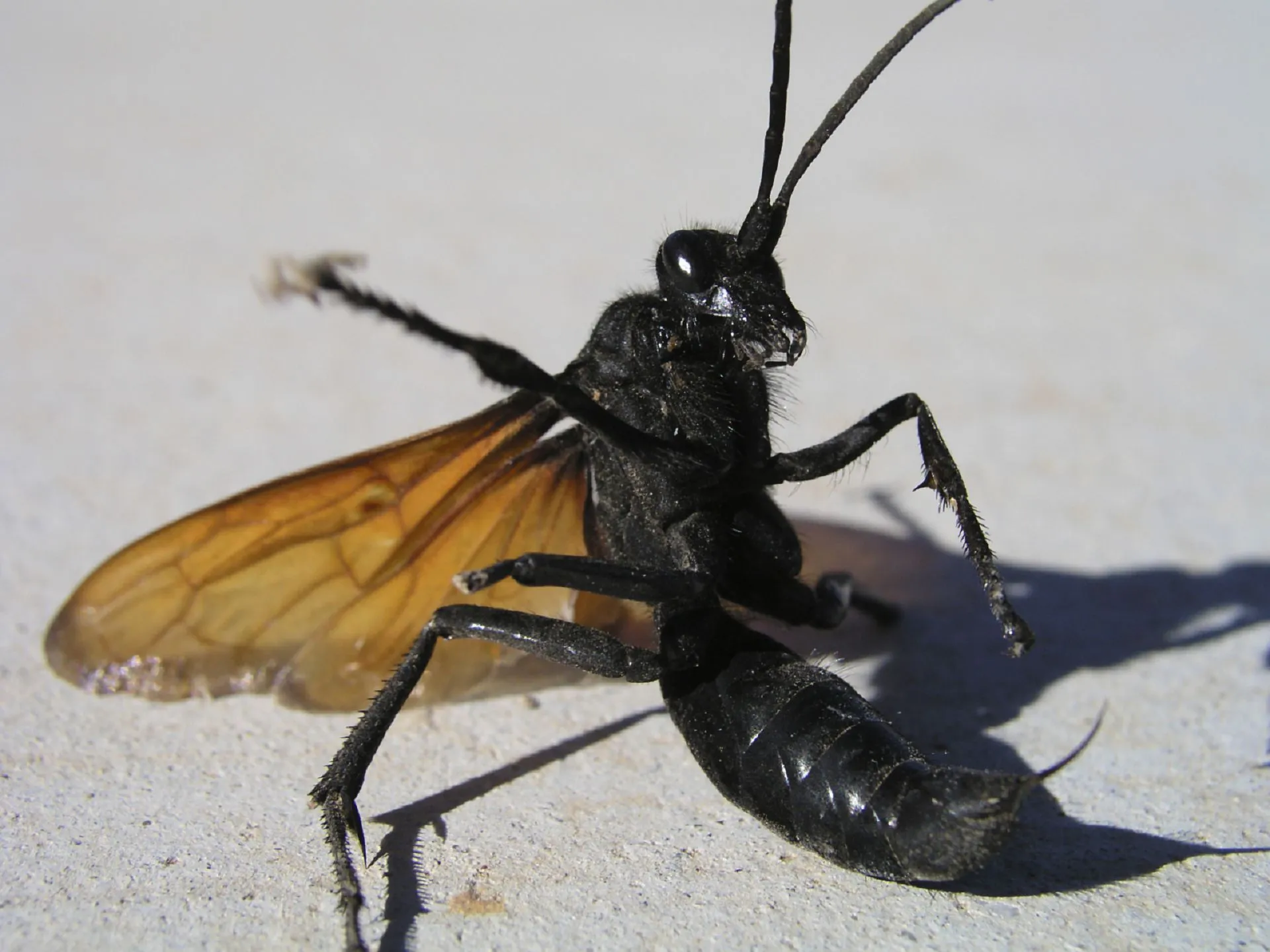
What is a Tarantula Hawk
The tarantula hawk, a remarkable insect found in various parts of the world including Indonesia, is a species of spider wasp that is known for its extraordinary behavior. These wasps are renowned for their hunting habits, specifically their interaction with tarantula spiders. The tarantula hawk plays a significant role in its ecosystem, making it a fascinating subject for study. Understanding the tarantula hawk involves delving into its unique characteristics, life cycle, habitat, and the impact it has on its environment. This article will explore the top 5 facts about these amazing creatures in Indonesia, providing you with insights into their world.
Description and Characteristics
Tarantula hawks are easily recognizable due to their striking appearance and relatively large size. They are among the largest wasps, with females typically being larger than males. Their physical attributes are perfectly suited for their lifestyle, which revolves around hunting and paralyzing tarantulas. They are strong fliers and possess a powerful sting, which, although painful, is not usually fatal to humans. Their bodies are designed for the specific tasks they perform, making them one of the most interesting insects to observe. They are known for their distinct coloration, and the Indonesian species is particularly vibrant.
Appearance

Tarantula hawks in Indonesia often display a stunning combination of colors. The body is typically a deep, metallic blue or black, contrasting sharply with their orange or rust-colored wings. This coloration serves multiple purposes including camouflage and as a warning to potential predators. The contrast between the body and wings makes them easily identifiable. The size varies, but they are generally large wasps, which adds to their imposing presence. The colors can vary slightly depending on the specific species and geographical location within Indonesia.
Behavior
The behavior of tarantula hawks is primarily driven by their hunting and reproductive instincts. Female tarantula hawks are the hunters, seeking out tarantula spiders to serve as hosts for their larvae. They engage in a dangerous, yet fascinating, encounter with the tarantula. The wasp stings the spider, paralyzing it, but not killing it. The wasp then drags the paralyzed spider to a burrow or suitable location, where it lays a single egg on the spider’s abdomen. The ensuing life cycle is a testament to the wasp’s predatory strategy, which ensures survival of its offspring.
The Tarantula Hawk Life Cycle
The life cycle of the tarantula hawk is a remarkable display of nature’s intricacies. It involves several distinct stages, from egg to adult wasp. The process is closely linked to the availability of tarantulas, which are essential for the survival of the wasp larvae. The length of each stage depends on environmental factors like temperature and food availability. The entire cycle is a carefully orchestrated series of events that culminates in the emergence of a new generation of tarantula hawks, ensuring the continuation of the species. The cycle showcases the fascinating dynamics of predator-prey relationships in Indonesia.
Mating and Nesting

Mating typically occurs after the adult wasps emerge. The males patrol areas in search of females. After mating, the female tarantula hawk begins the process of hunting and nesting. She selects a tarantula, stings it to paralyze it, and then drags it to a burrow or a pre-existing nest. There, she lays a single egg on the spider’s abdomen. The nest provides a safe environment for the larva to develop and feed on the paralyzed spider. This careful selection and preparation are crucial for the larva’s survival. The nesting behavior ensures the continuation of the next generation.
Larval Stage and Diet
Once the egg hatches, the larva begins to feed on the still-living, but paralyzed, tarantula. The larva consumes the spider from the outside in, avoiding vital organs to keep the host alive as long as possible. The larva grows rapidly, molting several times before pupating. The diet of the larva consists entirely of the tarantula’s body. The resources from the spider sustain the developing larva until it reaches maturity. The larval stage is a critical part of the tarantula hawk’s life cycle, ensuring its development into an adult wasp.
Where to Find Tarantula Hawks in Indonesia
Tarantula hawks are found in various habitats across Indonesia. They generally prefer warm, arid environments where tarantulas are present. Identifying their habitat provides clues to their potential locations. The environmental conditions play a crucial role in their presence. These regions support both the tarantula and the tarantula hawk. Knowing the specific areas increases the chance of observing them in their natural habitat.
Habitat and Distribution

In Indonesia, tarantula hawks are commonly found in regions that have a significant population of tarantula spiders, such as areas with dry, sandy soil. These wasps require suitable environments for hunting and nesting. The presence of specific vegetation and a stable ecosystem contribute to their distribution. The distribution of the tarantula hawk is influenced by the tarantula’s availability and the environmental conditions suitable for their survival. Understanding their habitat helps in protecting them and their environment.
Specific Locations
While the exact locations can vary due to environmental changes and population dynamics, some regions in Indonesia have higher reported sightings of tarantula hawks. These include areas with rich biodiversity and relatively untouched ecosystems. National parks and protected areas may provide suitable habitats. Researching local reports and scientific studies can pinpoint potential locations. Always practice responsible wildlife viewing and respect the natural habitat of these insects.
The Tarantula Hawk Sting
The sting of a tarantula hawk is known for its intense pain, often described as one of the most painful insect stings in the world. The primary purpose of the sting is to paralyze the tarantula, allowing the wasp to drag the spider to a nest and lay its egg. While the sting is extremely painful, it is usually not fatal to humans. However, it can cause significant discomfort and requires proper attention. Understanding the impact of the sting is crucial for safety.
The Pain Index

The pain caused by a tarantula hawk sting has been ranked very high on the Schmidt sting pain index, which assesses the relative pain of different insect stings. The sting is often described as excruciating and can last for several minutes. The pain is intense and immediate. Pain can be accompanied by localized swelling. The pain levels depend on the individual. While very painful, the sting is not usually medically dangerous.
First Aid and Safety
If stung by a tarantula hawk, the immediate actions are essential for managing the pain and preventing complications. The primary focus is to remain calm. The affected area should be cleaned with soap and water. Applying ice packs to the sting site helps in reducing the pain and swelling. It’s vital to avoid scratching the area. If you experience any allergic reactions or severe symptoms, seek immediate medical attention. Keeping a safe distance from these insects is important. Education about the sting helps in avoiding unwanted encounters.
Tarantula Hawks and Their Prey
The relationship between the tarantula hawk and its prey, the tarantula, is a classic example of a predator-prey dynamic. The tarantula hawk relies on tarantulas for its survival, using them as hosts for their larvae. The wasp’s ability to paralyze the tarantula is crucial for its hunting strategy. The tarantula’s behavior and habitat determine the wasp’s hunting locations. Both insects play an important role within their ecosystems. Understanding this relationship helps appreciate the complex balance in natural habitats.
The Tarantula Hawk’s Impact on Ecosystem

Tarantula hawks play an important role in the ecosystem, influencing tarantula populations and contributing to biodiversity. They act as a natural control of tarantulas. By parasitizing the tarantula, they help regulate spider populations. The impact is felt throughout the food chain. Understanding their ecological role is crucial. The presence of tarantula hawks reflects a balanced ecosystem.
Conservation Status and Threats
The conservation status of tarantula hawks is generally considered stable, but threats to their habitat and the populations of their prey may impact them. Habitat loss and degradation are key concerns. The use of pesticides can affect the tarantula populations. Climate change could have a negative impact on these species. Protecting their habitat is crucial for ensuring their survival. Monitoring and conserving ecosystems help protect these insects and the environment.
How You Can Help
There are several ways to support the conservation of tarantula hawks and their habitats. Supporting conservation organizations and initiatives helps protect their natural environment. Educating yourself and others about these wasps and their significance is important. Avoiding the use of pesticides can help safeguard tarantula populations. Promoting responsible tourism helps minimize disturbance to their habitat. Participating in citizen science projects, where possible, provides useful data. Supporting sustainable practices contributes to the preservation of the ecosystems where these remarkable insects live.