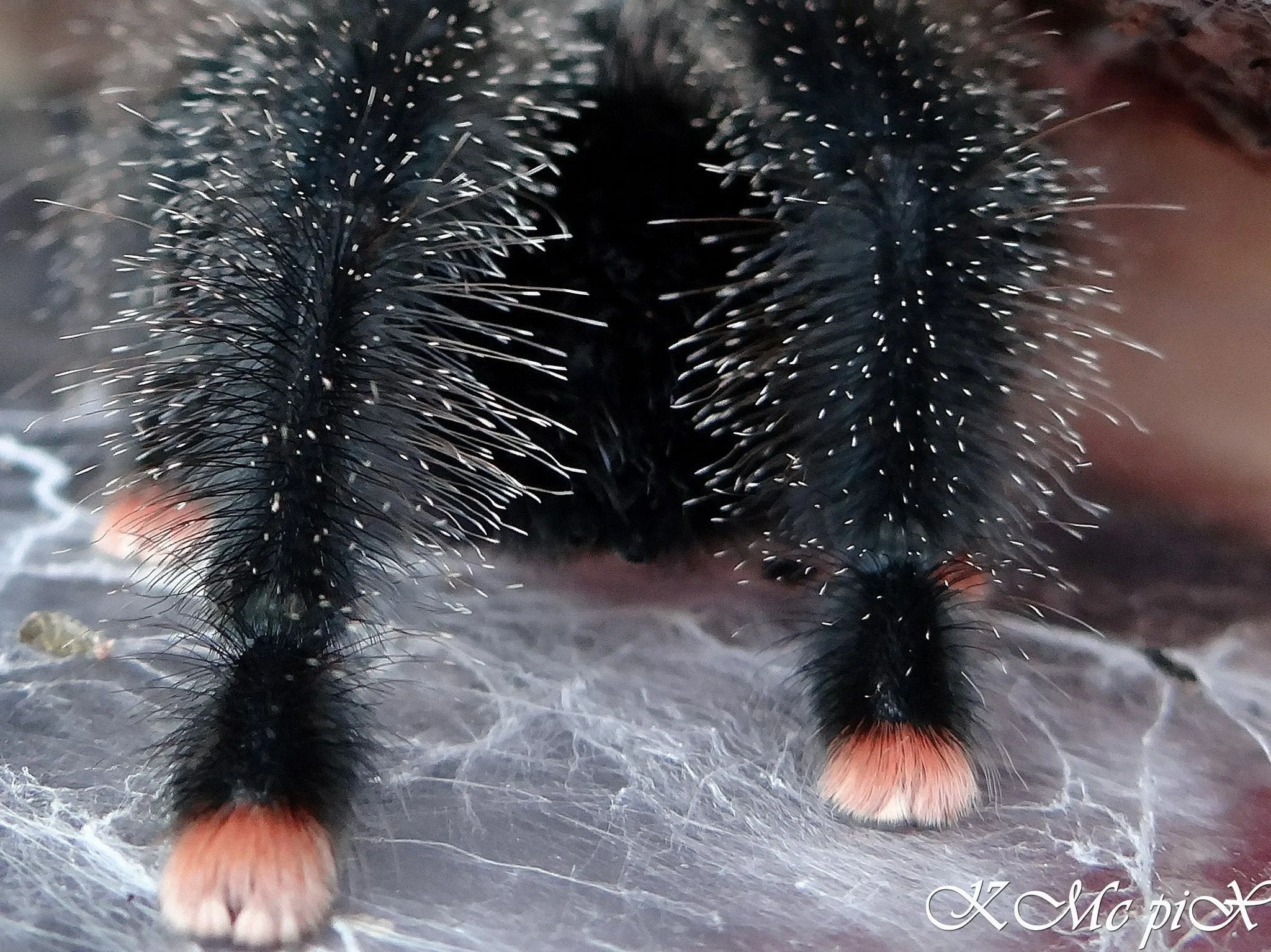
What is a Tarantula?
Tarantulas are large, hairy spiders belonging to the Theraphosidae family. These fascinating creatures are known for their size, with some species having a leg span of over 10 inches. They are found in various habitats around the world, primarily in tropical and subtropical regions. Tarantulas are often misunderstood, but they are generally docile and play an important role in their ecosystems. These spiders are nocturnal hunters, using their fangs to inject venom that immobilizes their prey. Their impressive size and unique characteristics make them a subject of both fascination and curiosity for many people. Despite their fearsome appearance, tarantulas are relatively harmless to humans, and their venom is usually not life-threatening. Their diverse range of colors and patterns adds to their allure, making them a captivating subject for nature enthusiasts and arachnid lovers alike.
Appearance and Size
Tarantulas exhibit a wide range of appearances, with variations in color, size, and hair types depending on the species. They typically have eight legs, two pedipalps (used for sensing and manipulating prey), and a body divided into two main parts: the cephalothorax (head and thorax combined) and the abdomen. Their bodies are covered in hairs, which can be urticating (causing irritation) in some species, serving as a defense mechanism. The size of tarantulas varies greatly; some species are relatively small, while others can be quite massive, with leg spans exceeding a foot. Their colors range from earthy browns and blacks to vibrant blues, oranges, and yellows, adding to their visual appeal. Some tarantulas have intricate patterns on their bodies, enhancing their camouflage in their natural environments. The overall appearance of a tarantula is a testament to the diversity and adaptability of these amazing creatures, which have evolved to thrive in various habitats around the globe. The variation in size, color, and hair types contributes to their unique charm and makes them a fascinating subject for study and observation.
Habitat and Distribution

Tarantulas inhabit diverse environments across the globe, thriving in warm, tropical, and subtropical regions. They are commonly found in the Americas, Africa, Asia, and Australia, with each region hosting a variety of unique species. Their habitats range from rainforests and grasslands to deserts and even burrows in the ground. Some tarantulas are arboreal, living in trees, while others are terrestrial, preferring to dwell on the forest floor. The distribution of tarantulas is influenced by factors such as climate, availability of prey, and suitable shelter. Different species have adapted to specific environmental conditions, allowing them to flourish in various ecosystems. The versatility of tarantulas in inhabiting various environments highlights their resilience and adaptability. Their widespread presence across different continents underscores their evolutionary success and the remarkable ability to thrive in diverse habitats.
What Do Tarantulas Eat?
Tarantulas are primarily carnivores, with their diet consisting mainly of insects, other arthropods, and occasionally small vertebrates. Their hunting strategy involves ambushing their prey, using their fangs to inject venom that paralyzes or kills it. The specific diet of a tarantula varies depending on its size, habitat, and the availability of prey. Common food sources include crickets, cockroaches, mealworms, and other insects. Larger tarantulas may also consume small lizards, frogs, and even small birds or rodents. They often wait patiently for their prey to come within striking distance, then pounce with remarkable speed and precision. The efficient predatory behavior of tarantulas contributes to their success as hunters in their respective ecosystems. Their diet plays a crucial role in their overall health and growth, highlighting their position as essential predators within the intricate food webs of their habitats.
Tarantula Diet and Feeding Habits
The feeding habits of tarantulas are fascinating, with their dietary intake influenced by their life stage and environmental factors. Juvenile tarantulas consume smaller prey, while adults require larger meals to sustain their growth. They typically feed a few times a week, but their feeding frequency can vary depending on the availability of food and their overall health. When a tarantula captures its prey, it injects venom to immobilize or kill it, followed by injecting digestive enzymes to break down the prey’s tissues. They then suck up the resulting liquid, leaving behind the undigested exoskeleton. Tarantulas have specialized mouthparts that help them to consume their meals efficiently. Their feeding behavior showcases their predatory prowess and the adaptations they have evolved to thrive in their natural habitats. The diet and feeding habits of tarantulas exemplify the complex relationship between predator and prey within ecosystems worldwide.
The Amazing Tarantula Facts

Fact 1 Tarantulas and Their 8 Legs
One of the most distinguishing features of tarantulas is their eight legs. These legs are not only used for walking but also play a crucial role in various aspects of their lives, from hunting and climbing to sensing their environment. The legs are covered in sensory hairs that help the tarantula detect vibrations, air currents, and changes in the terrain. Each leg has multiple joints, allowing for a wide range of motion and agility. The structure and function of their legs enable tarantulas to navigate diverse terrains, capture prey effectively, and construct burrows or webs. The presence of eight legs is a fundamental characteristic of spiders, and it is a defining trait of the tarantula family, underscoring their evolutionary lineage and their ability to thrive in various ecosystems.
Fact 2 Tarantulas and Their Silk
Tarantulas, like all spiders, produce silk, a versatile material with various applications. They use silk to create webs for catching prey, line their burrows, and even construct egg sacs to protect their young. The silk produced by tarantulas is incredibly strong and elastic, making it ideal for its multiple uses. Different types of silk serve different purposes; some are sticky for trapping insects, while others are used for structural support. The ability to produce silk is a remarkable adaptation that has played a significant role in the survival and success of tarantulas. Their use of silk demonstrates their ingenuity in adapting to their environment, showcasing the complexity and versatility of this natural material. This ability has allowed them to build shelters, protect their offspring, and capture their meals. The production and use of silk is truly amazing.
Fact 3 Tarantulas Can Live a Long Time

Tarantulas are known for their relatively long lifespans, especially compared to other insects. Female tarantulas can live for over 20 years in some species, while males typically have shorter lifespans, often only living for a few years after reaching maturity. This longevity is attributed to their slow metabolism and the lack of external threats in their natural habitats. Their extended lifespan contributes to their ability to reproduce multiple times during their lives, contributing to the continuation of their species. The long lifespan of tarantulas makes them fascinating subjects for scientific research. It is an unusual characteristic within the insect world, highlighting the unique adaptations and evolutionary strategies that have allowed these amazing creatures to flourish over long periods.
Fact 4 Tarantula’s Venom is not Dangerous
Contrary to popular belief, the venom of most tarantulas is not highly dangerous to humans. While they do possess venom, it is primarily used to subdue their prey, not to harm humans. The effects of a tarantula bite are typically similar to a bee sting, causing localized pain, redness, and swelling. Serious allergic reactions are rare. Tarantulas are generally docile and only bite as a last resort, usually when threatened or provoked. Their defensive behaviors include flicking urticating hairs (which cause irritation) or raising their front legs to appear intimidating. The relatively mild nature of tarantula venom contributes to their appeal as pets and reduces the fear associated with these fascinating creatures. The truth about tarantula venom is an important factor to consider when understanding and appreciating these spiders, as it highlights their generally peaceful nature.
Fact 5 Tarantulas Molting
Tarantulas, like all arthropods, undergo a process called molting, where they shed their exoskeleton to grow. This process allows them to shed old, worn-out exoskeletons and grow larger. During molting, tarantulas become vulnerable, as their new exoskeleton is soft and unprotected. They typically molt in a secluded location, often on their backs. The process involves the tarantula splitting open its old exoskeleton and gradually pulling itself out. The frequency of molting decreases as the tarantula matures. Molting is an essential part of a tarantula’s life cycle, enabling it to grow and develop. This fascinating biological process showcases the resilience and adaptability of these amazing creatures and helps them to thrive in their environment.
Conclusion

Tarantulas are amazing creatures. They are fascinating animals with unique features and behaviors, from their eight legs and silk production to their long lifespans and relatively mild venom. Their adaptability and resilience have allowed them to thrive in various habitats around the world. Understanding these facts helps dispel common misconceptions and fosters a greater appreciation for these often-misunderstood spiders. By learning about their appearance, habitats, diets, and behaviors, we can develop a deeper understanding of these remarkable creatures and their important roles in the ecosystems they inhabit. It’s a great time to learn more about tarantulas!