What is a Consumer
In the intricate web of life, organisms play various roles, contributing to the balance and function of ecosystems. One of the fundamental roles is that of a consumer. Understanding what defines a consumer is crucial for grasping ecological relationships and the flow of energy within an environment. Consumers are heterotrophic organisms, meaning they cannot produce their own food like plants (producers). Instead, they obtain energy by feeding on other organisms, whether plants, animals, or even other consumers. This process of consuming other organisms is essential for the survival of consumers, as it provides them with the necessary nutrients and energy to live, grow, and reproduce. From the smallest insect to the largest mammal, consumers are a vital part of the food chain, playing a critical role in the cycling of energy and matter throughout the ecosystem.
Defining Consumers in Ecology
In the realm of ecology, consumers are categorized based on their feeding habits and the types of organisms they consume. Primary consumers are herbivores, feeding on plants, while secondary consumers are carnivores or omnivores that prey on primary consumers. Tertiary consumers, often apex predators, occupy the highest trophic level, preying on other consumers. This hierarchical structure illustrates the flow of energy through the ecosystem, starting from producers and moving up through the various consumer levels. Detritivores, another type of consumer, play a vital role by feeding on dead organic matter, contributing to decomposition and the recycling of nutrients. By understanding these different consumer categories, ecologists can better comprehend the complex interactions within an ecosystem and the critical role consumers play in its overall health and stability.
Understanding Trophic Levels

Trophic levels are a fundamental concept in ecology, representing the different feeding positions in a food chain or food web. Producers, such as plants, form the base of the food chain, capturing energy from the sun through photosynthesis. Primary consumers, or herbivores, feed on these producers, obtaining energy from the plants. Secondary consumers, which may be carnivores or omnivores, then consume the primary consumers. This process continues with tertiary consumers and even higher-level consumers, each level deriving energy from the one below. The transfer of energy between trophic levels is not perfectly efficient, with a significant portion of energy lost as heat at each step. This phenomenon is why food chains typically have a limited number of trophic levels. Understanding trophic levels is critical for studying the flow of energy and the relationships between organisms in an ecosystem. It helps explain how energy moves from the sun, through producers, and up the food chain to various consumers, ultimately supporting the entire ecological community.
Is a Tarantula a Consumer
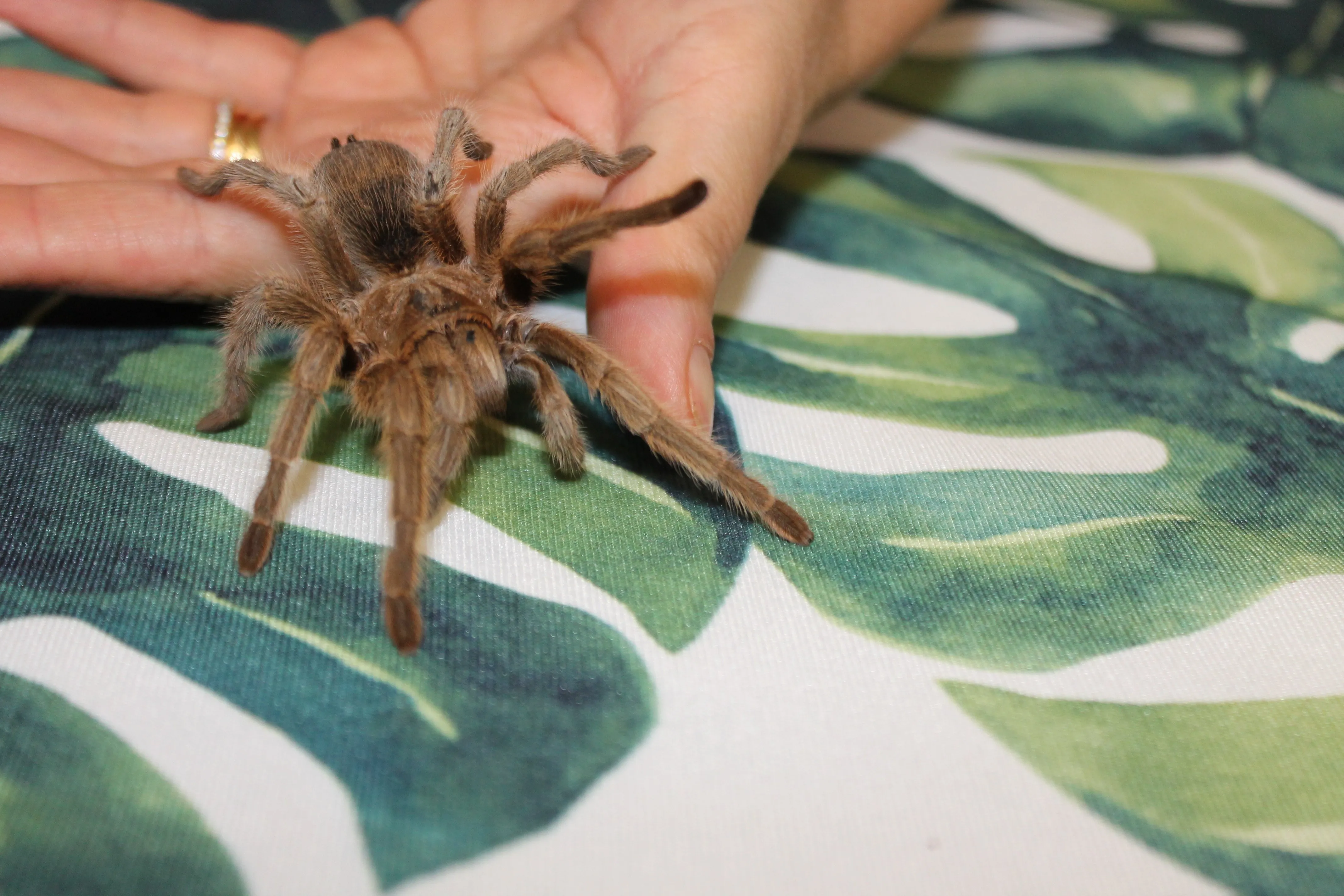
The answer is a resounding yes! Tarantulas, with their impressive size and predatory nature, are classic examples of consumers within their ecosystems. These arachnids do not produce their own food; they actively hunt and consume other organisms to obtain energy and nutrients. This behavior places them firmly within the consumer category. Specifically, tarantulas are carnivores, meaning their diet primarily consists of other animals. They play a vital role in controlling populations of insects and other invertebrates, thus contributing to the balance and health of the environments they inhabit. As consumers, tarantulas are essential in the food web, channeling energy from their prey to their own survival and growth. Their hunting strategies, venomous bite, and specialized feeding mechanisms highlight their role as efficient and effective predators.
Tarantula’s Diet and Feeding Habits
Tarantulas are voracious eaters, and their diet consists mainly of insects, but they will consume a variety of prey. Their feeding habits are fascinating, adapted to their predatory lifestyle. They are ambush predators, patiently waiting for unsuspecting prey to come within striking distance. Once a potential meal is close enough, they swiftly pounce, using their powerful fangs to inject venom. This venom serves two primary purposes: to immobilize the prey and to begin the process of digestion. Tarantulas then use their chelicerae to tear the prey apart and consume the soft tissues, leaving behind the exoskeleton. The frequency of feeding varies based on the tarantula’s size, age, and environmental conditions, but they are generally efficient hunters, consuming a significant amount of prey throughout their lives.
Prey and Consumption Process

The diet of a tarantula can be quite diverse, including insects, spiders, small reptiles, amphibians, and even small mammals. The specific prey depends on the tarantula’s size, habitat, and the availability of potential meals. Crickets, mealworms, and roaches are common food items for pet tarantulas, while in the wild, they may consume grasshoppers, beetles, and other invertebrates. The consumption process involves several steps. After capturing the prey with their fangs, the tarantula injects venom, which paralyzes the prey and begins to break down its tissues. The tarantula then uses its chelicerae, strong mouthparts, to tear apart the prey and consume the soft internal parts. The exoskeleton is typically discarded. Tarantulas can feed on prey much larger than themselves, demonstrating their remarkable hunting abilities. This process highlights their crucial role as consumers in their ecosystems, keeping the populations of other animals in check.
Nutritional Needs
Like all living organisms, tarantulas have specific nutritional needs to maintain their health, grow, and reproduce. Their diet must provide essential nutrients, including proteins, fats, carbohydrates, vitamins, and minerals. Proteins are crucial for growth and muscle development, while fats provide energy. Carbohydrates provide additional energy, and vitamins and minerals support various bodily functions. Tarantulas obtain these nutrients from their prey. The composition of their diet significantly impacts their overall well-being, molting frequency, and longevity. A balanced diet ensures they receive the necessary nutrients for proper development and survival. In captivity, it’s important to provide a varied diet to meet these needs, offering different insects or other prey items to prevent nutritional deficiencies and promote optimal health. Ensuring the nutritional needs are met is vital for the tarantula to thrive.
Top 5 Facts About Tarantula Consumption
Tarantulas are Carnivores

Tarantulas are strictly carnivorous, meaning their diet consists entirely of animal matter. They do not consume any plant material. This dietary specialization reflects their role as active hunters and predators in their ecosystems. Their entire physiology, from their hunting strategies to their digestive systems, is geared towards consuming other animals. They are designed to catch, subdue, and consume prey, obtaining all necessary nutrients from animal tissues. This carnivorous nature is a defining characteristic of tarantulas and is crucial for understanding their ecological niche and behavior.
They Consume a Variety of Prey
While they are carnivores, tarantulas are not picky eaters. They will consume a wide variety of prey depending on their size, habitat, and availability. Insects form a significant portion of their diet, including crickets, grasshoppers, beetles, and other arthropods. However, they are opportunistic feeders and will also consume larger prey items, such as small lizards, frogs, and even baby birds or mice if the opportunity arises. This adaptability ensures their survival in diverse environments. The ability to consume a wide range of prey makes tarantulas successful predators, able to thrive in various ecosystems. This varied diet also supports their nutritional needs, ensuring they receive a balanced intake of essential nutrients.
Tarantulas Use Venom to Subdue Prey
Tarantulas possess venomous fangs that they use to subdue and kill their prey. The venom is a complex mixture of toxins that paralyze the prey, making it easier to handle and consume. The venom also contains enzymes that begin the process of breaking down the prey’s tissues, making it easier for the tarantula to digest. The injection of venom is a critical part of the tarantula’s hunting strategy, allowing them to overcome prey that might otherwise be able to escape. This adaptation highlights the tarantula’s efficiency as a predator. The venom’s effects are generally not dangerous to humans, but it is highly effective against the tarantula’s typical prey items.
They Have Unique Feeding Mechanisms

Tarantulas do not have teeth in the way that many other predators do. Instead, they have specialized mouthparts, called chelicerae, that they use to tear apart their prey. They also have a preoral cavity, a space around their mouth, where digestive enzymes are secreted. These enzymes help to break down the prey’s tissues, making it easier to consume. Tarantulas feed by sucking up the liquefied contents of their prey. This unique feeding mechanism is an adaptation to their exoskeleton. Their feeding process is efficient. Their entire feeding apparatus is optimized for consuming prey efficiently and extracting the maximum nutritional value. This adaptation is a key factor in their success as predators.
Tarantulas are Important Predators
Tarantulas play a crucial role in their ecosystems as predators, helping to control populations of insects and other invertebrates. By consuming these organisms, they contribute to maintaining balance within the food web. Their presence helps prevent overpopulation of certain species, which could otherwise lead to ecological imbalances. The impact of their predation extends beyond the immediate prey, influencing the entire structure of the community. Their role as predators makes them a valuable component of the ecosystem, contributing to its overall health and stability. Their presence promotes biodiversity by controlling the populations of potential competitors and allowing other species to thrive.
Ecological Significance
Tarantulas and Ecosystem Balance

Tarantulas are essential components of the ecosystem, playing a vital role in maintaining balance. As predators, they help regulate the populations of their prey, preventing overpopulation and promoting stability. Their feeding habits influence the distribution and abundance of other species within their habitats. By controlling populations of insects and other invertebrates, they indirectly support plant life. The interactions between tarantulas and their prey create a complex web of relationships that contribute to the overall health and resilience of the ecosystem. Their presence helps prevent the dominance of any single species, promoting biodiversity and ensuring the long-term stability of the environment.
Impact on Prey Populations
The predatory behavior of tarantulas significantly impacts the populations of their prey. By actively hunting and consuming insects, spiders, and other small animals, tarantulas control their numbers, preventing them from overwhelming their environment. This predation helps maintain a balance within the food web. It also influences the distribution and abundance of various species. Through their feeding habits, tarantulas play a critical role in regulating the ecological community. The impact of tarantula predation extends beyond the immediate control of prey populations; it also affects the overall health and stability of the ecosystem. They are essential regulators, their presence ensuring that no single species dominates.
Conclusion
In conclusion, tarantulas are undeniably consumers, playing a vital role in their ecosystems. They obtain their energy by consuming other organisms, specifically as carnivores. Their feeding habits, unique adaptations, and the impact on prey populations highlight their significance as predators. From controlling insect populations to contributing to the balance of the food web, tarantulas are an integral part of the natural world. Understanding their role as consumers is essential for appreciating the complex relationships within ecosystems and the importance of biodiversity. Observing these fascinating creatures reveals the intricate workings of nature. Appreciating their ecological importance is vital for conservation.