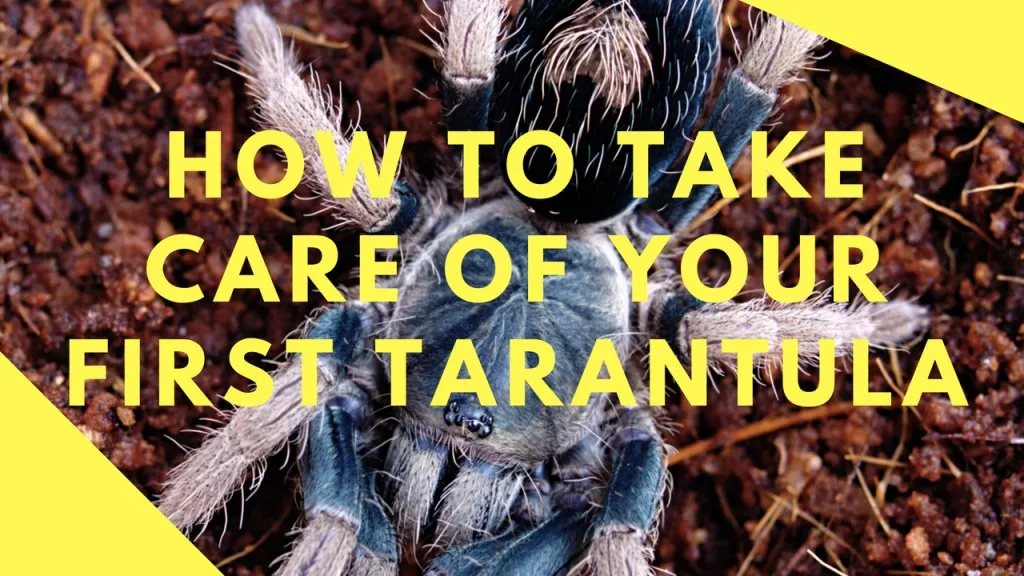
Tarantula Care Top 7 Essential Tips
Bringing a tarantula into your home can be an incredibly rewarding experience. These fascinating creatures offer a unique opportunity to observe and appreciate the wonders of nature. However, responsible tarantula care is paramount to ensuring your pet thrives. This guide provides the top 7 essential tips for tarantula care, covering everything from choosing the right species to understanding their specific needs. Whether you’re a seasoned arachnid enthusiast or a complete novice, this information will equip you with the knowledge to provide a healthy and enriching environment for your eight-legged companion. Proper care not only ensures the tarantula’s well-being but also enhances your overall enjoyment of having such a unique pet.
Choosing the Right Tarantula
Before acquiring a tarantula, thorough research is essential. Different species have varying temperaments, care requirements, and lifespans. Some tarantulas are more docile and suitable for beginners, while others are more defensive and require more experienced handling. Consider your own experience level and commitment to providing the appropriate care. Researching various species allows you to make an informed decision and select a tarantula that aligns with your lifestyle and capabilities. The goal is to choose a species that you can comfortably and responsibly care for throughout its life.
Researching Different Tarantula Species

Explore different species to understand their specific needs. Consider factors such as size, temperament, and origin. Popular beginner-friendly species include the Chilean Rose Hair tarantula and the Pinktoe tarantula, known for their relatively docile nature and ease of care. More experienced keepers might consider species like the Greenbottle Blue, which are visually stunning but have more specific environmental requirements. Resources like online forums, books, and experienced keepers can provide valuable insights into the characteristics of each species. Careful research will help you choose a species whose care you can provide.
Understanding Tarantula Temperaments
Tarantula temperaments vary significantly between species and even individuals. Some tarantulas are docile and rarely bite, while others are more defensive and may exhibit aggressive behaviors, such as kicking hairs (urticating hairs) or biting. Understanding a species’ typical temperament is vital for safe handling and overall enjoyment. Research the species’ reputation and typical behaviors. Observe the tarantula’s behavior within the enclosure, paying attention to warning signs of stress, such as a defensive posture or a threat display. Always handle tarantulas with caution and respect, and avoid handling altogether if you are unsure of the species’ temperament.
Setting Up the Perfect Enclosure
Creating the right environment is crucial for a tarantula’s health and happiness. The enclosure should mimic the tarantula’s natural habitat, providing appropriate shelter, substrate, temperature, and humidity. A well-designed enclosure minimizes stress and supports the tarantula’s overall well-being. It should be secure, escape-proof, and easy to maintain. The setup is not just about aesthetics; it directly impacts your tarantula’s physical and psychological health. A correctly set-up enclosure helps your tarantula thrive.
Enclosure Size and Material

The size of the enclosure should be appropriate for the tarantula’s size. A general rule is that the enclosure should be at least twice the tarantula’s leg span in width and length, and the height should allow for appropriate substrate depth and any necessary climbing structures. Glass or acrylic enclosures are common choices. Ensure the enclosure is well-ventilated, escape-proof, and easy to clean. Consider front-opening enclosures for ease of access and maintenance. Ensure proper ventilation to prevent the buildup of moisture and odors. A well-sized enclosure is essential for the tarantula’s well-being.
Substrate Selection
The substrate is the bottom layer of the enclosure, and it serves multiple purposes. It provides a surface for the tarantula to walk on, offers a place to burrow (for terrestrial species), and helps to maintain humidity levels. Suitable substrates include coconut fiber, peat moss, and a mixture of both. Avoid substrates that are too dusty or that could harbor mites. The substrate should be deep enough to allow for burrowing, which is a natural behavior for many tarantula species. Regularly check the substrate for cleanliness and replace it as needed to prevent mold and bacterial growth. A good substrate is vital for a healthy tarantula.
Temperature and Humidity Control
Tarantulas are ectothermic, meaning they rely on their environment to regulate their body temperature. Maintaining the correct temperature and humidity levels is essential for their health. Research the specific requirements for your tarantula species, as these can vary. Use a thermometer and hygrometer to monitor the conditions inside the enclosure. Provide a heat source, such as a heat mat or a ceramic heat emitter, if necessary, to maintain the correct temperature. Ensure the enclosure has proper ventilation to avoid excessive humidity, which can lead to mold and respiratory issues. The right temperature and humidity levels are crucial for the tarantula’s health.
Feeding Your Tarantula

Tarantulas are carnivores, so their diet consists primarily of insects. Providing a balanced diet is essential for their growth and overall health. Feeding your tarantula is a straightforward process, but it’s vital to understand what foods are appropriate, how often to feed them, and how much to offer. Always offer fresh food, and remove any uneaten portions to prevent mold and attract pests. Understanding and properly feeding your tarantula is crucial for their overall health and development. A well-fed tarantula is a healthy tarantula.
Choosing the Right Food
The staple diet for tarantulas consists of insects such as crickets, mealworms, dubia roaches, and other commercially available feeders. The size of the food should be appropriate for the tarantula’s size. Avoid feeding wild-caught insects, as they may carry parasites or pesticides. Gut-load the insects before feeding them to your tarantula, which means providing the insects with nutritious food, such as fruits and vegetables, for 24-48 hours before offering them to your tarantula. This practice increases the nutritional value of the insects. Providing a varied diet ensures your tarantula gets the necessary nutrients for health.
Feeding Frequency and Amounts
The feeding frequency depends on the tarantula’s age and species. Spiderlings and juveniles typically need to be fed more often, sometimes every other day, while adult tarantulas can be fed once or twice a week. The amount of food offered should be appropriate for the tarantula’s size and appetite. Overfeeding can lead to health problems, such as obesity. Always remove uneaten food within 24 hours to prevent the growth of mold and to avoid attracting pests. Observe your tarantula’s behavior and adjust the feeding schedule accordingly. A healthy feeding schedule helps the tarantula grow and develop normally.
Watering and Hydration

Water is essential for tarantulas, just like any other living creature. Providing a clean and accessible water source is critical for their hydration. Proper hydration is necessary for all bodily functions and, particularly, for the molting process. Ensure your tarantula always has access to fresh, clean water. Dehydration can lead to serious health problems and even death. Provide a clean water source in the enclosure, and regularly replenish it with fresh water. Providing water and maintaining humidity is essential for a tarantula’s survival.
Providing Clean Water
A shallow water dish is a common and effective method of providing water. Ensure the dish is shallow enough to prevent the tarantula from drowning. Use a water dish made of a material that is easy to clean and won’t tip over easily. Ceramic dishes are often a good choice. Always use fresh, dechlorinated water. Tap water can contain chlorine and other chemicals that can be harmful to tarantulas. Replace the water regularly, typically every few days, to keep it clean and prevent the growth of bacteria and algae. Fresh, clean water is a must for your tarantula’s health.
Maintaining Humidity Levels
Humidity plays a crucial role in tarantula care. Most species require a certain level of humidity to thrive, although the specific needs vary. Research the humidity requirements for your tarantula species. Regularly mist the enclosure with dechlorinated water, using a spray bottle, to maintain the appropriate humidity levels. Alternatively, you can provide a humid hide, such as a hide filled with damp sphagnum moss, which can help maintain humidity levels, especially during molting. Using a hygrometer is also a great way to monitor humidity, and make sure your tarantula is getting the humidity it needs.
Handling Your Tarantula

Handling tarantulas is a controversial topic. While some owners enjoy handling their tarantulas, it’s not always necessary and can be stressful for the spider. It is crucial to prioritize the tarantula’s well-being and handle them only when necessary and with caution. Handling is not required for their survival or happiness. Always approach handling with respect for the tarantula’s safety and your own. Knowing when to handle, how to handle, and when to avoid handling are vital for responsible tarantula care.
When to Handle and When to Avoid
Avoid handling your tarantula if it’s showing signs of stress, such as a defensive posture or a threat display. Do not handle a tarantula immediately after it has eaten or before it molts, as they are more vulnerable during these times. Handling can be stressful and potentially dangerous for both you and the tarantula. Always handle tarantulas with caution. If you choose to handle your tarantula, do so in a controlled environment, such as over a soft surface. Understand the risks and make informed choices. Avoiding unnecessary handling is often the best approach for your tarantula’s health and safety. Be mindful of your tarantula’s overall well-being.
Safe Handling Practices
If you choose to handle your tarantula, approach it calmly and gently. Avoid sudden movements, which can startle the tarantula and trigger a defensive reaction. Wash your hands before handling to remove any potential irritants. Always handle the tarantula close to the ground or over a soft surface, like a bed or a couch, in case it falls. Be aware of the species’ temperament. Avoid holding the tarantula for extended periods. If the tarantula shows any signs of stress, such as defensive posture or kicking hairs, gently place it back in its enclosure. Always prioritize the tarantula’s safety and your own when handling.
Cleaning and Maintaining the Enclosure

Regular cleaning and maintenance of the enclosure are crucial for maintaining a healthy environment for your tarantula. Removing waste, replacing substrate, and keeping the enclosure clean prevents the build-up of harmful bacteria, mold, and odors. Cleaning also allows you to monitor your tarantula’s health and overall well-being. A clean enclosure not only benefits the tarantula but also enhances your enjoyment of the pet. Regular cleaning is an essential part of tarantula care.
Regular Cleaning Schedule
Establish a regular cleaning schedule to maintain a healthy environment. Spot-clean the enclosure daily, removing any uneaten food, fecal matter, or other debris. Replace the water in the water dish regularly, typically every few days, to keep it clean. Partial substrate changes should be done every few months, removing the top layer of substrate and replacing it with fresh substrate. A complete substrate change is usually needed every six to twelve months, depending on the species and the size of the enclosure. The frequency of the changes varies by species and individual enclosure setup. Adhere to a regular schedule. Regular cleaning promotes a healthy habitat for your tarantula.
Dealing with Molting
Molting is a natural and essential process for tarantulas, during which they shed their exoskeleton to grow. The molting process can be stressful for the tarantula, and it’s important to provide a safe and undisturbed environment during this time. Molting is a sign of a healthy and growing tarantula. Understanding the process and providing the right conditions will help your tarantula molt successfully.
Recognizing Molting Signs
Before molting, tarantulas often exhibit specific behaviors. They may stop eating, become less active, and may spend more time in a secluded area. They may also develop a dark patch on their abdomen, which is a sign of pre-molt. The tarantula may also appear sluggish and sluggish. If you notice these signs, it’s best to avoid handling or disturbing the tarantula, and to provide a safe and stable environment for molting. Being able to recognize the signs of molting allows you to provide appropriate care.
Providing a Safe Molting Environment
During the molting process, it’s important to provide a safe and undisturbed environment. Keep the enclosure at a stable temperature and humidity, and avoid any unnecessary disturbances. Ensure the tarantula has access to fresh water and a suitable place to molt, such as a burrow or a secluded corner of the enclosure. If the tarantula flips over on its back, it is an indication that the molting process is happening. Do not interfere with the process, unless the tarantula is in obvious distress. Once the tarantula has molted, do not feed it for a few days, allowing its new exoskeleton to harden. Allow the tarantula to rest and recover after molting.
Health and Common Problems
Tarantulas are generally hardy creatures, but they can still be susceptible to certain health problems. Recognizing potential health issues and providing appropriate care can help to ensure your tarantula’s well-being. The signs of health issues can vary. Understanding common problems and providing preventative care will improve your tarantula’s overall health. A healthy tarantula is a happy tarantula.
Identifying Health Issues
Observe your tarantula regularly for any signs of illness. Some common symptoms include loss of appetite, lethargy, difficulty walking, or unusual behaviors. Check for any signs of parasites, such as mites, which can be visible on the tarantula’s body. Also, look for any physical abnormalities, such as injuries or deformities. If you notice any signs of illness, consult with an experienced tarantula keeper or a veterinarian specializing in exotic pets. Early detection and intervention are vital for the tarantula’s health and well-being.
Preventative Care
Preventative care is essential for maintaining a healthy tarantula. Provide a balanced diet, clean water, and a well-maintained enclosure. Maintain the correct temperature and humidity levels. Avoid overcrowding the enclosure and ensure proper ventilation. Regularly inspect the enclosure for any signs of pests or mold. Quarantine new tarantulas to prevent the spread of disease. Learning about common tarantula ailments and providing preventative care can significantly enhance your tarantula’s health and well-being. Proactive measures can help prevent diseases and ensure your tarantula has a long and healthy life.
Taking care of a tarantula can be a rewarding experience. By following these essential tips, you can provide a healthy and enriching environment for your eight-legged companion. Responsible tarantula ownership involves a commitment to research, proper care, and a deep respect for these fascinating creatures. Remember that each species has unique needs, so always research the specific requirements of the tarantula you choose. With dedication and knowledge, you can enjoy the unique experience of caring for a tarantula for many years to come.