Tarantula Care Tips for Beginners
Bringing a tarantula into your home can be an exciting experience. These fascinating creatures, with their impressive size and unique personalities, have become increasingly popular pets. However, caring for a tarantula is a responsibility that requires understanding their specific needs. This updated guide provides essential tips for beginner tarantula keepers, ensuring a healthy and thriving environment for your eight-legged friend. From choosing the right species to understanding their dietary requirements, we’ll cover everything you need to know to get started on your tarantula-keeping journey. Remember, a well-cared-for tarantula can be a rewarding pet, providing years of enjoyment and intrigue. This guide is designed to help you avoid common pitfalls and provide the best possible care.
Choosing the Right Tarantula Species
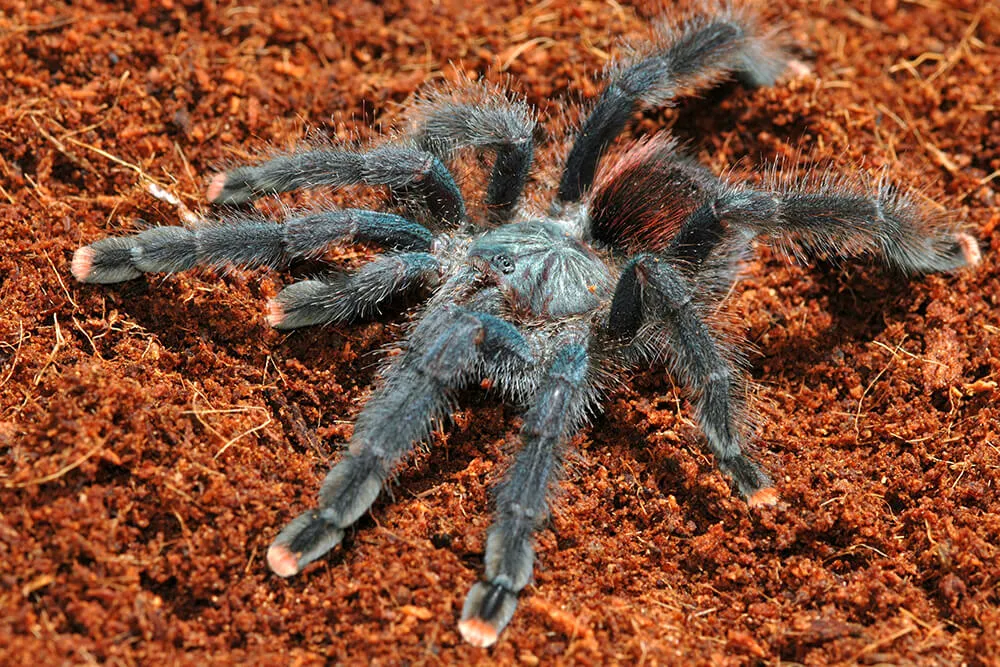
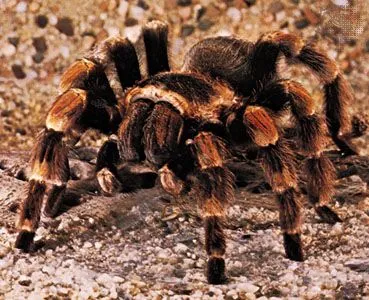
Not all tarantula species are created equal when it comes to beginner suitability. Some species are known for being more docile and easier to care for, making them ideal for first-time owners. Others may have more complex requirements or be more prone to defensive behaviors. Research is key. Look into species known for their calm temperaments and hardiness. These often include species like the Chilean Rose Hair tarantula (Grammostola rosea), the Mexican Red Knee tarantula (Brachypelma hamorii), or the Pinktoe tarantula (Avicularia avicularia). These species are typically less defensive and more tolerant of handling, though handling should always be approached with caution. Also, consider the size and lifespan of the tarantula as this impacts the enclosure size required and your long-term commitment.
Beginner-Friendly Tarantula Species

As mentioned, some tarantulas are better suited for beginners than others. The Chilean Rose Hair is often recommended because of its relatively docile nature and slow growth rate. The Mexican Red Knee is another excellent choice, known for its striking coloration and gentle demeanor. Pinktoes are also recommended, though require slightly more humidity. It’s crucial to research each species’ specific needs, including temperature, humidity, and feeding habits, before making a purchase. Look at the tarantula’s temperament - some are more likely to bite or flick urticating hairs, which can cause irritation. Before purchasing a tarantula, make sure you are prepared to provide the specific needs for the tarantula. This includes setting up the enclosure and having a good understanding of the proper feeding and care.
Things to Consider Before Buying
Before bringing a tarantula home, there are several factors to consider. First, ensure you have adequate space for the enclosure. Tarantulas need appropriately sized enclosures to thrive. Research the adult size of the species you choose and purchase an enclosure that will accommodate its full size. Second, research the tarantula’s specific needs. This includes habitat, temperature, humidity requirements, and dietary preferences. Thirdly, consider the commitment. Tarantulas can live for many years, with some females living for over 20 years. Finally, ensure you have access to a reliable source of food, such as crickets, mealworms, or roaches, depending on the tarantula’s size and preference. These must be readily available and of good quality to ensure your tarantula’s health.
Setting Up Your Tarantula Enclosure
A well-designed enclosure is crucial for the well-being of your tarantula. The enclosure should provide a safe, secure, and comfortable environment that mimics the tarantula’s natural habitat. The setup should allow the tarantula to express its natural behaviors and maintain its health. The enclosure should be escape-proof, properly ventilated, and of the appropriate size for the tarantula. The substrate, decorations, and environmental conditions must all be considered to ensure the enclosure is suitable for the species. Creating the right habitat for your tarantula is one of the most critical aspects of caring for your pet. Improper conditions can lead to stress, illness, and even death.
Choosing the Right Enclosure Size

The enclosure size should be proportionate to the tarantula’s size. A general guideline is to provide an enclosure that is at least twice the tarantula’s leg span in width and length, and tall enough to allow for appropriate substrate depth and vertical climbing space if the species is arboreal. Juvenile tarantulas will need smaller enclosures to start, with the size gradually increasing as they grow. Overly large enclosures can make it harder for tarantulas to find food and feel secure. The enclosure should have a secure lid to prevent escape. Consider the species when determining enclosure type - terrestrial species need more floor space and arboreal species need more height. Ensure the enclosure has adequate ventilation to prevent mold and maintain air quality.
Substrate and Decorations
The substrate is the material that forms the base of the enclosure. It serves several purposes, including absorbing waste, providing humidity, and allowing the tarantula to burrow. Suitable substrates include coconut fiber, peat moss, or a mixture of both. Avoid using substrates that are toxic or easily break down. Decorations, such as cork bark, driftwood, and artificial plants, provide hiding places and enrichment for the tarantula. These create a more natural and stimulating environment, reducing stress and encouraging natural behaviors. The decorations should be secure and non-toxic, and should not have any sharp edges. Be sure to regularly clean and maintain the enclosure to keep the environment healthy for your tarantula.
Maintaining Temperature and Humidity
Tarantulas require specific temperature and humidity levels to thrive. Most species prefer temperatures between 70-85°F (21-29°C). A thermometer should be used to monitor the temperature inside the enclosure. Humidity levels also need to be kept within the appropriate range for the species, typically between 60-80%. Use a hygrometer to measure humidity. This can be maintained by misting the enclosure with dechlorinated water and by ensuring proper substrate moisture. Provide a shallow water dish for drinking. Avoid extreme fluctuations in temperature and humidity, which can cause stress and health problems. The enclosure should be placed away from direct sunlight and drafts to maintain stable conditions. Regulate the temperature and humidity according to the species’ needs.
Feeding Your Tarantula
Feeding is a critical aspect of tarantula care. It’s important to provide a balanced diet and establish a feeding schedule to keep your tarantula healthy and active. The feeding frequency and food types vary depending on the age, size, and species of the tarantula. Young tarantulas need to be fed more frequently than adults. Always provide fresh, clean water in a shallow dish.
What to Feed Your Tarantula
Tarantulas are primarily insectivores, meaning their diet consists mainly of insects. Suitable food items include crickets, mealworms, roaches (such as Dubia roaches), and other commercially available insects. The size of the prey should be appropriate for the tarantula; the rule of thumb is to feed insects that are no larger than the tarantula’s body. Gut-load the insects before feeding them to your tarantula to provide them with essential nutrients. Avoid feeding wild-caught insects, as they may carry parasites or pesticides. Remove any uneaten prey within 24 hours to prevent stress and mold growth.
Feeding Frequency
The feeding frequency depends on the tarantula’s age. Spiderlings (baby tarantulas) may need to be fed several times a week, while adult tarantulas may only need to be fed once or twice a week. During the molting process, tarantulas typically stop eating. Do not disturb them during molting. After molting, wait a few days for the tarantula’s fangs to harden before feeding. Observe your tarantula’s abdomen. If it appears plump and full, it may not need to be fed. Adjust the feeding frequency according to the tarantula’s needs, growth rate, and activity levels.
Watering Your Tarantula

Water is essential for a tarantula’s survival. Always provide a shallow dish of fresh, clean water in the enclosure. Refill the water dish regularly, and clean it frequently to prevent the growth of bacteria and algae. For species that require higher humidity, mist the enclosure with dechlorinated water. Monitor the enclosure’s humidity levels to ensure they are within the appropriate range for your tarantula’s species. Some tarantulas may drink from the misting, while others prefer to drink from their water dish. Regular watering ensures your tarantula stays hydrated and healthy.
Handling and Safety
While tarantulas are generally docile creatures, it’s important to exercise caution when handling them. Not all species tolerate handling, and even the most docile tarantulas can react defensively if they feel threatened. Handling can be stressful for the tarantula and poses a risk of bites, falls, and injury. Always prioritize the tarantula’s well-being and your own safety.
Safe Handling Practices
If you choose to handle your tarantula, do so with great care and preparation. Handle the tarantula close to the ground or over a soft surface to prevent injury if it falls. Use a soft brush to gently coax the tarantula onto your hand, rather than grabbing it. Avoid sudden movements, and speak in a calm, soothing voice. Do not handle the tarantula if it is stressed, recently molted, or about to molt. Always wash your hands before and after handling to prevent the spread of bacteria and potential irritants. Always supervise children when they are near tarantulas.
Recognizing Signs of Stress

Tarantulas may show signs of stress when they are uncomfortable or threatened. Learn to recognize these signs to avoid causing undue stress. Some common signs of stress include defensive postures, such as raising their front legs or flexing their fangs. Flicking hairs from their abdomen (urticating hairs) is another sign of stress. A tarantula may also run away or try to hide. If you observe any signs of stress, gently place the tarantula back in its enclosure and leave it alone. Never force a tarantula to do anything it doesn’t want to do.
Tarantula Health and Common Issues
Understanding common health issues can help you proactively care for your tarantula. Proper husbandry, including appropriate temperature, humidity, and diet, is crucial for maintaining a healthy tarantula. Regular observation of your tarantula’s behavior, appearance, and eating habits can help you detect any problems early on.
Identifying Common Diseases
Tarantulas can be susceptible to certain diseases, though they are generally hardy creatures. Some common issues include mites, fungal infections, and parasites. Mites can be identified by their appearance, often small red or white dots on the tarantula’s body or enclosure. Fungal infections can occur in enclosures with high humidity and poor ventilation. Parasites can be introduced through contaminated food or substrate. If you suspect your tarantula has a health problem, consult a veterinarian specializing in exotic animals or a knowledgeable tarantula keeper immediately. Early detection and treatment are essential for a successful recovery.
Preventative Measures

Preventative measures are key to maintaining a healthy tarantula. Maintaining the appropriate temperature and humidity levels in the enclosure is vital. Provide a balanced diet and avoid feeding wild-caught insects. Clean the enclosure regularly, and replace the substrate as needed. Quarantine new tarantulas before introducing them to your collection. Always wash your hands before and after handling your tarantula and its enclosure. Regularly inspect your tarantula for any signs of illness or injury. By taking these proactive measures, you can greatly reduce the risk of health problems and keep your tarantula happy and healthy.
Creating a Safe Environment
A safe environment is essential for the well-being of your tarantula. Ensure the enclosure is escape-proof and free of hazards, such as sharp objects or toxic materials. Provide appropriate hiding places, such as cork bark or artificial plants, to reduce stress. Maintain a clean and well-ventilated environment to prevent the growth of mold and bacteria. Avoid using harsh chemicals or cleaning agents in or around the enclosure. Place the enclosure in a quiet location away from direct sunlight and drafts. Create a stable and predictable environment to minimize stress and promote the tarantula’s overall health and happiness. By following these guidelines, you can create a safe and enriching environment for your tarantula, allowing it to thrive for many years.