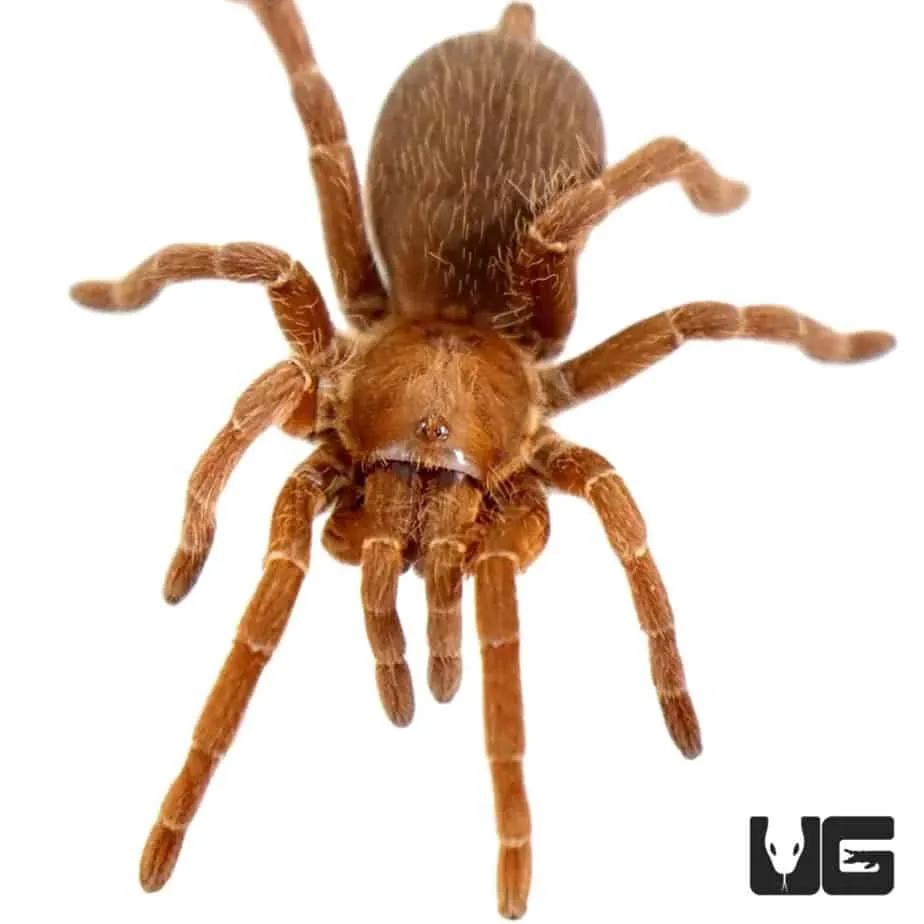
Understanding the Mustard Baboon Tarantula
The Mustard Baboon Tarantula (Harpactira guttata) is a captivating spider, renowned for its striking appearance and interesting behaviors. Native to South Africa, this terrestrial tarantula has gained popularity among arachnid enthusiasts. This comprehensive guide will provide you with all the essential information you need to care for a Mustard Baboon Tarantula, ensuring its health and happiness. From setting up the perfect enclosure to understanding its dietary needs and potential health concerns, this guide will cover everything you need to know to help your tarantula thrive. The Mustard Baboon Tarantula is not for the faint of heart; their potent venom and defensive behaviors require a knowledgeable owner.
Origin and Habitat
Natural Habitat

In the wild, Mustard Baboon Tarantulas are found in the arid regions of South Africa. They typically inhabit burrows in the ground, often under rocks or among sparse vegetation. These tarantulas are well-adapted to dry conditions, and their behavior reflects their environment. They are nocturnal hunters, emerging from their burrows at night to ambush prey. Understanding their natural habitat is crucial for replicating their needs in captivity. They seek refuge under rocks, and they dig burrows. They are ambush predators, not actively chasing prey; they rely on their speed and potent venom.
Ideal Enclosure Setup
Creating the right environment is critical to the well-being of your Mustard Baboon Tarantula. This involves choosing the right enclosure, substrate, and maintaining appropriate temperature and humidity levels. A well-designed habitat will not only keep your tarantula safe but also allow you to observe its natural behaviors. Consider your space and ability to maintain the enclosure, as well as your budget. The enclosure, substrate, and the environmental conditions are key components of successful Mustard Baboon Tarantula care, so you will want to invest time in getting this step right.
Enclosure Size and Type
For an adult Mustard Baboon Tarantula, a terrarium or enclosure of at least 10-gallon size is recommended. A larger enclosure can provide more space for the tarantula to roam and exhibit natural behaviors. Ensure the enclosure has a secure lid to prevent escapes, as these spiders are surprisingly agile. The enclosure should be well-ventilated to prevent the build-up of excess humidity, but not so much that it dries out the environment too quickly. Clear, front-opening enclosures are ideal for easy access and observation. Avoid glass tanks with screen tops if possible, as they can be difficult to maintain the necessary humidity levels. Provide a shallow water dish and a hide.
Substrate and Decor

The substrate is the flooring material of the enclosure and should be a few inches deep to allow the tarantula to burrow. A mixture of peat moss, coco fiber, and vermiculite works well, as it retains moisture while allowing for good drainage. Add a layer of leaf litter to mimic the natural habitat. Decorate the enclosure with a hide, such as a cork bark or a pre-made spider hide, to provide a secure retreat. Artificial plants can also be added for decoration, but avoid anything with sharp edges or that could be easily ingested. Provide a shallow water dish filled with fresh water. A water dish is vital for staying hydrated and for helping maintain humidity.
Temperature and Humidity
Maintaining the Right Environment
The ideal temperature for a Mustard Baboon Tarantula is between 75-85°F (24-29°C). Use a heat lamp or under-tank heater to maintain this temperature, but be careful not to overheat the enclosure. Humidity should be kept at 60-70%. Monitor the humidity levels with a hygrometer and mist the enclosure with water as needed to maintain the correct range. Ensure good ventilation to prevent mold and mildew growth. The location of the enclosure is important, too; avoid direct sunlight and drafts, as they can cause fluctuations in temperature and humidity. Consistency is key to ensure proper molting.
Feeding Your Mustard Baboon Tarantula

A proper diet is essential for the health and growth of your Mustard Baboon Tarantula. These spiders are voracious eaters, and their diet should consist primarily of insects. However, overfeeding can lead to health problems. Understanding what to feed and how often is critical for their well-being. Always ensure that the food items are free from pesticides and other harmful chemicals. Freshly molted tarantulas will not eat for a while after molting.
Diet and Feeding Frequency
The primary food source for a Mustard Baboon Tarantula should be insects. Crickets, mealworms, roaches, and other commercially available insects are suitable. The feeding frequency depends on the tarantula’s age and size. Spiderlings should be fed every 2-3 days, while adults can be fed once or twice a week. Always remove any uneaten food items within 24 hours to prevent the build-up of mold and pests. It is important to adjust feeding based on the tarantula’s condition; a well-fed tarantula will have a plump abdomen, while an underfed one will appear thin. The frequency of feeding will also depend on the tarantula’s molting schedule.
Suitable Food Items
Choose food items that are appropriately sized for your tarantula. Crickets are a good staple, but ensure they are not too large, as they can injure the tarantula. Mealworms are also a popular choice, but they should be gut-loaded (fed nutritious food before being offered to the tarantula) to provide better nutritional value. Roaches are a nutritious option, but they can be difficult to contain. Always provide a variety of insects to ensure a balanced diet. Avoid feeding wild-caught insects, as they may carry parasites or pesticides. Variety in food is a key to a happy tarantula.
Avoiding Overfeeding

Overfeeding can lead to a variety of health problems, including obesity and decreased lifespan. A tarantula with a very large, round abdomen is likely overfed. Adjust the feeding frequency to avoid this condition. If your tarantula refuses to eat, it may be preparing to molt, in which case you should not force-feed it. A tarantula that is not hungry is usually trying to molt. Monitor the tarantula’s abdomen size. It should be of a proportional size to its body. Always remove uneaten food after 24 hours.
Water and Hydration
Providing Fresh Water
Fresh water is essential for your Mustard Baboon Tarantula’s hydration. Always provide a shallow water dish filled with fresh, clean water. Replace the water regularly to prevent the build-up of bacteria and mold. A water dish is very important for the tarantula’s well being, and you should not substitute it. The tarantula will drink when it feels the need to, and keeping fresh water available ensures that they remain hydrated. If you notice the water evaporating quickly, you may need to adjust the enclosure’s ventilation. Ensure that the water dish is not too deep, so the tarantula can drink safely.
Molting and Growth

Molting is a natural process in which tarantulas shed their exoskeleton to grow. During molting, the tarantula is vulnerable, so it’s essential to provide a safe and stable environment. Understanding the molting process and how to care for your tarantula during this time is crucial for its health and development. Molting is a stressful time, and providing a proper environment can make it easier.
Recognizing the Molting Process
Before molting, your tarantula may stop eating, become lethargic, and may appear dull in color. It may also spend more time on its back. These are all normal signs that the tarantula is preparing to molt. Do not disturb the tarantula during this time, as it is very vulnerable. Leave it alone in its enclosure and allow the process to unfold naturally. A tarantula may stay in the same position for several days or even weeks before molting. The best approach is to leave the spider alone, provide the proper environment, and trust the process.
Assisting with Molting
Generally, you should not assist a tarantula with molting unless it is struggling. If the tarantula is having difficulty, you can increase the humidity in the enclosure to help soften the old exoskeleton. However, it’s best to let the tarantula molt on its own. Avoid attempting to remove the old exoskeleton, as this can injure the tarantula. Always provide a secure environment. Never try to pull the old exoskeleton off, as this can be fatal. Be patient and let the tarantula molt naturally.
Post-Molting Care

After molting, the tarantula will be soft and vulnerable. Do not feed it for several days, allowing its new exoskeleton to harden. Provide fresh water. The tarantula will be very hungry after molting, so you can slowly reintroduce food a week after. Observe the tarantula for any signs of injury or problems. The tarantula will have a much brighter coloration, but will be weak in the beginning. The spider is vulnerable during this time, so do not handle it. The tarantula will be hungry when it recovers.
Handling and Safety
Mustard Baboon Tarantulas are not generally recommended for handling, as they are defensive and can bite. Their bite is not lethal to humans, but it can be painful and cause localized swelling. Safety should always be your top priority when interacting with your tarantula. Understanding their behaviors and following safe handling practices are vital to prevent injury to both you and the spider. A bite from the tarantula is like a bee sting, and is not fatal, however, it is very painful.
Safe Handling Techniques
If you must handle your Mustard Baboon Tarantula, do so with extreme caution. Use a long pair of tongs to gently coax the tarantula into a container. Always keep a safe distance and avoid sudden movements. Avoid handling unless absolutely necessary, as it can stress the tarantula. Avoid touching the urticating hairs (fine hairs that cause irritation) as well, and it is recommended to never handle your tarantula unless you are very experienced with tarantulas and know their behaviors well. Wash hands before and after handling.
Understanding Tarantula Behavior
Understanding the behavior of your Mustard Baboon Tarantula can help you avoid injury. These tarantulas can be defensive and may exhibit certain behaviors before striking, such as raising their front legs, or flicking hairs in the air (urticating hairs). Never put your hands near a tarantula that is showing these signs. Watch for these signs, and if you see them, retreat. This helps you understand when the tarantula feels threatened. Observe the tarantula’s demeanor. If it is showing these signs, it will likely bite.
Health and Common Issues
Like all animals, Mustard Baboon Tarantulas can be susceptible to various health problems. Recognizing the signs of illness and knowing how to address them is vital for their well-being. Regular observation and preventative measures can help you keep your tarantula healthy and thriving. Be observant and quick to respond to issues. The tarantula’s health is critical to its quality of life, and taking the time to inspect it every day is a very good habit.
Identifying and Treating Common Ailments
Common health issues include parasites, fungal infections, and injuries. Parasites can be identified by tiny mites on the tarantula. Fungal infections can occur due to poor ventilation and excessive humidity. Injuries can occur if the tarantula falls or is mishandled. Quarantine any sick tarantula. Consult a veterinarian experienced with arachnids for proper treatment. Provide a clean environment and monitor the tarantula’s condition closely. If you suspect a problem, consult a specialist, and take action immediately.
Preventative Measures
The best way to keep your tarantula healthy is through preventative measures. Maintain a clean and properly humidified environment. Provide a balanced diet and avoid overfeeding. Handle the tarantula only when necessary, and always with caution. Regularly inspect the enclosure and the tarantula for any signs of illness. By practicing these preventative measures, you can minimize the risk of health problems and ensure your Mustard Baboon Tarantula lives a long and happy life. Always research common diseases, and learn how to prevent them.
Conclusion
Caring for a Mustard Baboon Tarantula can be a rewarding experience. By understanding their needs, providing a suitable environment, and practicing safe handling techniques, you can ensure a healthy and fulfilling life for your tarantula. Remember to always prioritize the tarantula’s well-being and to be patient. With proper care, your Mustard Baboon Tarantula can be a fascinating and long-lived companion. The Mustard Baboon Tarantula is a unique pet, and this guide will help you keep your tarantula healthy and happy.