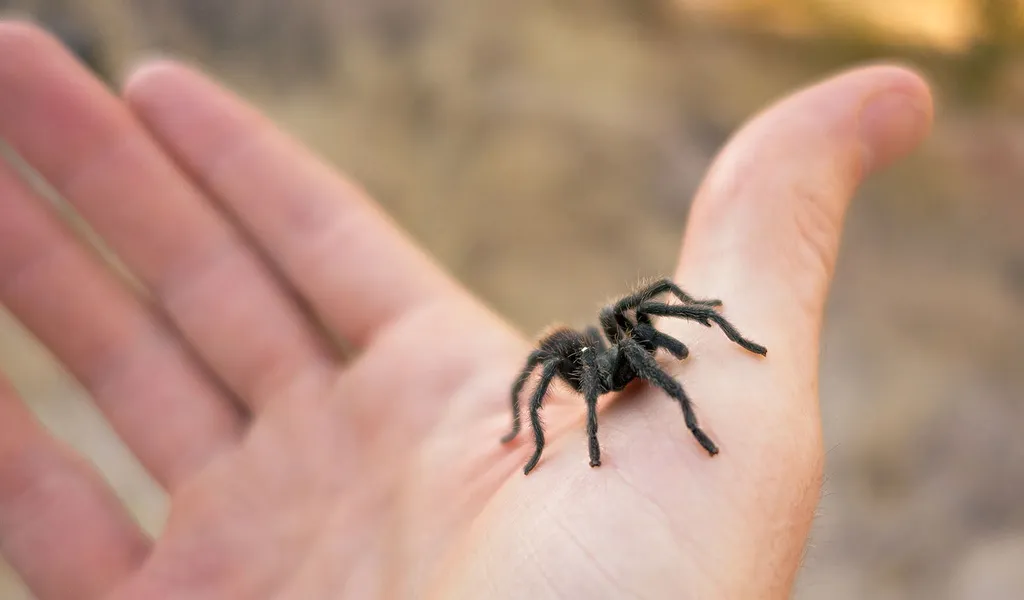
Choosing Your First Tarantula
Embarking on the journey of tarantula ownership can be an incredibly rewarding experience. These fascinating creatures offer a unique perspective on the animal kingdom, and they can be surprisingly low-maintenance pets. However, choosing the right tarantula for a beginner is crucial to ensure a positive experience for both you and your new pet. Consider your lifestyle and experience level when selecting a species. Some tarantulas are more docile and easier to handle, while others are more defensive or require specific environmental conditions. Researching different species is essential. Look into the size they will grow to, their temperament, and their specific care requirements. By starting with a beginner-friendly species, you’ll set yourself up for success and lay the groundwork for a long and enjoyable relationship with your tarantula. Start with a species known for its docile nature and relatively simple care needs, such as the Chilean Rose Hair or the Mexican Red Knee.
Understanding Tarantula Species
The world of tarantulas is vast and diverse, with hundreds of different species each possessing unique characteristics. Familiarizing yourself with these differences is key to providing the best possible care. Tarantulas are generally categorized based on their geographic origin, their size, their temperament, and their specific care needs. Some tarantulas are terrestrial, meaning they live on the ground, while others are arboreal, preferring to live in trees. Each type requires a slightly different habitat setup. Temperament is another critical factor. Some species are known for being docile and relatively easy to handle, while others are more defensive or skittish. Understanding these differences is essential when making your selection, and also crucial when setting up your tarantula’s habitat and choosing the appropriate handling methods. Always research a specific species’ behavior and care requirements before bringing one home. Consider their lifespan as well, as some tarantulas can live for many years.
Size, Temperament, and Care Needs

When selecting your first tarantula, consider several factors to determine if a species is suitable. Size is an important consideration, as this will impact the size of the enclosure you will need. Larger tarantulas require more space. Temperament plays a significant role in your interaction with your pet. Docile species are easier to handle (though handling is generally discouraged for beginners), while more defensive species may require greater caution. Care needs vary widely among different species. Some tarantulas require higher humidity levels, while others prefer drier environments. Some species are voracious eaters, while others eat less frequently. Be sure to research the specific needs of the species you’re considering. This includes their preferred substrate, temperature, humidity, and dietary requirements. This information is vital to ensure that you can meet their needs and create a thriving environment.
Setting Up Your Tarantula’s Habitat
Creating the right habitat is crucial for the health and well-being of your tarantula. The enclosure should replicate the tarantula’s natural environment as closely as possible to minimize stress and promote a healthy lifestyle. This involves selecting the right enclosure, choosing appropriate substrate, maintaining the correct temperature and humidity levels, and providing essential elements such as a water dish and hiding places. Proper setup not only ensures your tarantula’s comfort but also contributes to its overall longevity. A well-designed habitat provides the necessary elements for a tarantula to thrive and display its natural behaviors. The enclosure must be escape-proof and large enough for the tarantula to move around comfortably. It should also have adequate ventilation to prevent the buildup of harmful mold and bacteria.
The Right Enclosure
Choosing the right enclosure is fundamental to providing a safe and comfortable home for your tarantula. The size of the enclosure should be appropriate for the size of the tarantula. As a general rule, the enclosure should be at least twice the tarantula’s leg span in width and length, with enough height to accommodate substrate and any décor. The enclosure material is also important. Glass or clear plastic enclosures are popular choices because they allow for easy viewing. The enclosure should be well-ventilated to prevent the buildup of moisture and mold. Ensure the enclosure has a secure lid to prevent escapes. It’s also important to consider the type of tarantula you’re keeping. Terrestrial species need more floor space, while arboreal species require more vertical space with climbing branches. Choose an enclosure that is easy to clean and maintain.
Substrate Selection

The substrate, or bedding, in your tarantula’s enclosure serves multiple purposes. It provides a comfortable surface for the tarantula to walk on, helps regulate humidity, and allows the tarantula to burrow or hide. Several substrate options are available, each with its advantages and disadvantages. Coco fiber is a popular choice due to its excellent moisture retention and natural appearance. Peat moss is another option, offering good humidity control, but it can be more acidic. Avoid using substrates like cedar or pine shavings, as they can be harmful to tarantulas. The depth of the substrate is crucial, providing enough space for the tarantula to burrow if it is a terrestrial species. Regularly monitor the substrate for cleanliness and replace it when necessary to maintain a healthy environment. A good substrate is crucial for their well-being, impacting their ability to molt properly.
Temperature and Humidity
Maintaining the correct temperature and humidity levels is essential for your tarantula’s health and well-being. Tarantulas are ectothermic animals, which means they rely on external sources to regulate their body temperature. The ideal temperature range for most tarantula species is between 75 and 85 degrees Fahrenheit. A heat lamp or a heat mat placed on the side of the enclosure can help maintain this temperature. Humidity is another vital factor. The specific humidity requirements will vary depending on the species. Measure humidity using a hygrometer. You can increase humidity by misting the enclosure with water. Providing a water dish is also essential for hydration and maintaining proper humidity levels. Monitor the temperature and humidity regularly and make adjustments as needed. Temperature and humidity affect your tarantula’s ability to molt properly and can also affect their activity levels.
Feeding Your Tarantula
Feeding your tarantula is a straightforward process, but it requires attention to detail. Tarantulas are typically fed live insects. Crickets, mealworms, and roaches are common choices, though the best food will depend on the size and preference of your specific tarantula. The size of the prey should be appropriate for your tarantula. The general rule of thumb is that the prey should be no larger than the tarantula’s abdomen. Overfeeding can lead to health problems, while underfeeding can hinder growth. Adjust the feeding frequency based on your tarantula’s age, species, and appetite. Always remove uneaten food from the enclosure after 24 hours to prevent the buildup of mold and bacteria. Providing a clean water source is also crucial.
What to Feed

The diet of a tarantula in captivity typically consists of live insects. Crickets are a staple food for many tarantula species and are readily available at most pet stores. Mealworms can also be used, although they are less nutritious and may need to be supplemented. Roaches, such as Dubia roaches, are another excellent food source, offering a good balance of nutrients. The specific type of insect you choose may depend on your tarantula’s size and preferences. It is important to gut-load the insects before feeding them to your tarantula. Gut-loading involves feeding the insects nutritious food, such as vegetables and grains, so that your tarantula can receive the necessary vitamins and minerals. Offer a variety of insects to ensure a balanced diet. The food choice has a direct impact on your tarantula’s growth, health, and overall well-being.
Feeding Frequency
The frequency with which you feed your tarantula will depend on several factors. Younger, growing tarantulas will need to be fed more frequently than adults. A good guideline is to feed spiderlings every day or every other day, while sub-adults can be fed every three to four days. Adult tarantulas often need to eat only once a week or even less. Observe your tarantula’s behavior and appetite to determine the appropriate feeding schedule. If your tarantula refuses to eat, it may be in pre-molt, and you should stop feeding it for a while. Remove any uneaten prey within 24 hours to avoid any potential harm to your tarantula. Adjust the feeding frequency based on the specific species and the individual tarantula’s eating habits. A healthy tarantula will be active and have a plump abdomen, and be prepared to adjust the feeding schedule as your tarantula grows and matures.
Watering Your Tarantula
Providing fresh water is essential for your tarantula’s health and hydration. A shallow water dish is a must-have in every enclosure. Make sure to use a dish that is shallow enough to prevent drowning. Fill the water dish with clean, fresh water. You should replace the water regularly to prevent the buildup of bacteria and keep it clean. In addition to the water dish, some keepers mist the enclosure lightly with water to maintain humidity, especially for species that require higher humidity levels. However, avoid over-misting, which can lead to mold growth and other problems. Monitoring the substrate moisture level and adjusting the misting schedule accordingly is also helpful. Always ensure that the water provided is safe and free from harmful chemicals. Water is crucial for a tarantula’s health, helping them to stay hydrated and promoting healthy molting.
Handling and Interaction

While tarantulas are fascinating creatures, it is generally recommended to avoid handling them unless absolutely necessary. Tarantulas are not social animals, and handling them can cause stress, and it also can put both the spider and the owner at risk. If you do choose to handle your tarantula, it is important to do so with caution and follow safety guidelines. Most tarantulas are not aggressive, but they may bite if they feel threatened. Some species have urticating hairs that can cause irritation if they come into contact with skin. Handling is best kept to a minimum to reduce the risk of bites or other injury. The best way to interact with your tarantula is to observe it in its habitat and appreciate its unique beauty and behavior.
When to Handle
In most cases, it is best to avoid handling your tarantula unless there is a specific need, such as cleaning the enclosure or moving the tarantula to a different container. Some tarantulas may be more docile than others, and if handling is necessary, handle with extreme caution. Avoid handling your tarantula during or immediately after molting. The tarantula’s exoskeleton is soft and vulnerable during this period. Avoid handling your tarantula if it displays defensive behaviors, such as rearing up or flicking hairs. Observe your tarantula’s behavior and body language before attempting to handle it. Understand the species’ temperament, as some tarantulas are more prone to biting or defensive behavior. If you must handle your tarantula, do so in a safe and controlled environment, such as over a soft surface, in case it falls.
Safe Handling Practices
If you choose to handle your tarantula, follow these safe handling practices. Always handle the tarantula over a soft surface, such as a bed or a low table, to prevent injury in case it falls. Never grab the tarantula or try to force it to move. Instead, gently coax it onto your hand or a surface. Handle the tarantula slowly and calmly, and avoid making sudden movements. Be aware of the tarantula’s body language. If it appears stressed or defensive, stop handling it immediately. Wash your hands thoroughly before and after handling your tarantula. Some tarantulas have urticating hairs that can irritate the skin, so be careful to avoid contact with these hairs. Remember, while handling can be a tempting way to interact, observing your tarantula in its habitat is a safer and more rewarding way to appreciate it.
Common Health Issues and Prevention

Like all pets, tarantulas can be susceptible to certain health issues. However, by providing proper care and maintaining a clean environment, you can minimize the risk of these issues. The most common health problems in tarantulas are related to their environment and diet. Maintaining a clean and properly humidified environment, providing a balanced diet, and avoiding stress are essential for a healthy tarantula. Be vigilant in observing your tarantula for any signs of illness or distress. Regular check-ups can help catch health issues early. Early detection is often the key to successful treatment. If you notice any unusual behavior, changes in appearance, or loss of appetite, consult with a veterinarian who specializes in exotic animals.
Moulting
Moulting, or shedding their exoskeleton, is a natural and essential process for tarantulas as they grow. The frequency of moulting varies depending on the tarantula’s age, species, and feeding schedule. Spiderlings will moult more frequently than adults. You will recognize the signs of an upcoming molt by observing a darkening of the abdomen, changes in behavior, and a general lack of appetite. During the moulting process, the tarantula will usually flip onto its back. Do not disturb the tarantula during this time. Once the tarantula has shed its exoskeleton, it will be very vulnerable. Avoid handling the tarantula until its new exoskeleton has hardened. Provide extra humidity during and after moulting to facilitate the process. Molting is a good time to assess your tarantula’s health and well-being. If there are any issues with the molt, such as incomplete shedding, consult a veterinarian for further advice.
Parasites and Diseases
While tarantulas are relatively resistant to disease, they can still be susceptible to certain parasites and illnesses. The most common health issues in tarantulas are often associated with mites, fungal infections, or bacterial infections. Mites can be introduced through contaminated substrate or prey. You can prevent this by quarantining new acquisitions and ensuring a clean environment. Signs of a mite infestation include small moving dots on the tarantula or in the enclosure. Fungal infections can develop in high-humidity environments. Provide proper ventilation and avoid over-misting. Bacterial infections can occur if the tarantula is injured or if its environment is not clean. If you notice any signs of illness or infestation, consult a veterinarian immediately. Regular monitoring and maintenance of your tarantula’s environment are crucial steps in preventing parasites and illnesses.
Where to Buy Your Tarantula

When you’re ready to add a tarantula to your family, choosing a reputable source is essential. Purchasing from a breeder, pet store, or an online seller is a good idea. Research different options and choose a source that is known for the health of its animals and its knowledge of tarantula care. Reputable breeders can provide valuable information about the species, their care requirements, and their origin. Check the seller’s reputation before making a purchase. Online reviews and recommendations from other tarantula keepers can provide insights into the seller’s reliability and the quality of their animals. Inquire about the tarantula’s origin and care history. Make sure the seller is knowledgeable and willing to answer your questions. Inspect the tarantula carefully before purchasing it. Look for signs of health, such as a plump abdomen, active behavior, and no visible parasites. Once you bring your new tarantula home, be sure to quarantine it from any other pets for a short period to observe its health.