
Tarantula Cage Size Guide What’s The Right Size?
Choosing the right cage size is critical for the health and well-being of your tarantula. A cage that’s too small can restrict movement, hinder growth, and stress your pet. Conversely, a cage that’s too large might make it difficult for the tarantula to find food or feel secure. This guide provides essential insights into determining the ideal enclosure dimensions for your arachnid companion, ensuring they thrive in a safe and comfortable environment. Understanding the specific needs of your tarantula, based on its species and life stage, is the foundation for providing a suitable habitat. This encompasses not only the dimensions of the cage but also factors such as ventilation, substrate depth, and the presence of appropriate decor. Making informed choices will contribute significantly to the longevity and happiness of your tarantula, fostering a positive experience for both you and your pet. Furthermore, this guide will also explore the importance of proper cleaning and maintenance, which are essential components in maintaining a healthy environment within the enclosure.
Understanding Tarantula Needs Why Cage Size Matters
Tarantulas, despite their formidable appearance, are sensitive creatures. Their environment directly impacts their physical and psychological health. A correctly sized cage allows them to move freely, hunt effectively, and molt safely. A cramped enclosure can lead to several problems, including stress, which can suppress the tarantula’s appetite and weaken its immune system. Inadequate space can also hinder the tarantula’s ability to regulate its body temperature and access necessary humidity levels. Providing an appropriately sized enclosure contributes to the overall well-being of your pet, encouraging natural behaviors and reducing the risk of health complications. Properly sized cages offer the space required for these spiders to engage in natural behaviors. This includes exploration, hunting, and the creation of burrows or webs. By simulating a more naturalistic environment, you can significantly reduce stress levels and improve the overall health of your tarantula.
Factors Influencing Cage Size Tarantula Species

The appropriate cage size hinges on the species of your tarantula. Different species have different activity levels, growth rates, and preferred habitats. For instance, fast-growing species or those that become quite large, such as the Goliath Birdeater, require considerably larger enclosures than smaller, slower-growing species like the Mexican Red Knee. Researching the specific needs of your tarantula species is paramount before setting up their home. Species-specific needs influence whether a tarantula is terrestrial (ground-dwelling) or arboreal (tree-dwelling). This is crucial for determining the appropriate height, width, and depth of the enclosure. Moreover, the tarantula’s size at the time of purchase influences initial cage size. Juvenile tarantulas will require smaller enclosures, with their homes being upgraded as they grow. This is to ensure the spider feels secure and has the space to hunt. Consider the adult size of your tarantula when starting out.
Terrestrial Tarantulas and Their Enclosures
Terrestrial tarantulas, which spend most of their time on the ground, require enclosures that are wider than they are tall. The general rule is to provide an enclosure that is at least twice the tarantula’s leg span in width and length. The height of the enclosure should be sufficient for substrate depth and the tarantula’s burrowing habits. Adequate floor space is essential for roaming and hunting. The substrate should be deep enough to allow the tarantula to create a burrow, providing a sense of security and a stable microclimate. Examples of terrestrial species include the Mexican Red Knee and the Chaco Golden Knee. The dimensions of their enclosure will often focus on providing substantial floor space. Make sure there are options for them to dig and create hiding places. Consider adding cork bark or other hardscape materials to give them more spots for shelter.
Arboreal Tarantulas and Their Enclosures
Arboreal tarantulas, such as the Pinktoe Tarantula, are adapted to living in trees. Consequently, they require enclosures that are taller than they are wide, offering ample vertical space for climbing and web-building. The minimum height should be at least twice the leg span of the tarantula, allowing it to climb and establish webs. Vertical space is vital for these spiders, and provides the opportunities to build elaborate web structures. The enclosure should include secure branches or other climbing structures for the tarantula to explore. A properly designed arboreal enclosure will mimic the natural environment of the tarantula, promoting active behavior and psychological well-being. Always include plenty of foliage, and consider adding artificial plants to provide hiding spots. This can improve the general feeling of safety for arboreal species.
Substrate Depth and Cage Dimensions

The substrate depth is a critical aspect of cage dimensions, particularly for terrestrial tarantulas. The substrate should be deep enough to allow for burrowing, which is a natural behavior and provides a secure retreat. The depth of the substrate will depend on the species; for example, burrowing species may require several inches of substrate. This allows the tarantula to regulate its microclimate, maintain humidity, and feel secure. The substrate also plays a crucial role in molting, providing a stable surface for the tarantula to shed its exoskeleton. Incorrect substrate depth can hinder this process. Make sure to take the substrate’s depth into account when calculating the size of the cage. The substrate needs to be stable enough to support the weight of the spider. Also, there needs to be enough space left above the substrate, so that the tarantula won’t hit the lid during the molt.
Considerations Ventilation and Cage Features
Proper ventilation is essential for maintaining a healthy environment within the tarantula’s enclosure. Poor ventilation can lead to excessive humidity, which can cause mold growth and respiratory issues for your tarantula. Ventilation should be sufficient to allow for air circulation while preventing the escape of the tarantula. This can be achieved through strategically placed vents or mesh tops. Cage features such as secure lids, access points for feeding and watering, and appropriate decor also play a role in determining the overall size and suitability of the enclosure. Make sure your cage is escape-proof. The lid should have a secure locking mechanism, to prevent the tarantula from escaping. Other important features are the presence of hiding places, such as cork bark, and a water dish. This all impacts on the overall enclosure size and the specific needs of your tarantula. Ensure there are features to maintain appropriate humidity levels.
Essential Cage Features for Tarantulas
A well-designed tarantula enclosure should provide several essential features to ensure the well-being of your pet. These include secure ventilation, a secure lid, a water dish, and appropriate substrate. The water dish must be shallow and easy to access, providing a constant source of hydration. The substrate should be chosen based on the tarantula’s species and should allow for burrowing or web-building. Providing hiding places, such as cork bark or artificial plants, allows the tarantula to feel secure and reduces stress. The cage should also provide a suitable temperature gradient. This can be achieved by placing the enclosure in a location that does not receive direct sunlight and by monitoring the temperature regularly. A thermometer and hygrometer are essential tools for monitoring environmental conditions. Also ensure any decorations or features are non-toxic and safe for the spider.
Humidity Control Importance

Humidity levels are crucial for the health of your tarantula, particularly during the molting process. Incorrect humidity levels can lead to molting problems, respiratory infections, or dehydration. The appropriate humidity range varies based on the species. However, it is typically maintained through misting the enclosure with water, providing a water dish, and selecting the appropriate substrate. Overly high humidity can lead to mold growth, while excessively low humidity can cause dehydration and difficulties during molting. The substrate, ventilation, and temperature will all have impacts on the humidity levels. Regular monitoring using a hygrometer is vital to maintain the right humidity levels for your specific tarantula. Humidity needs to be maintained based on the species requirements and can include the use of humidity-retaining substrates, as well as providing a shallow water dish.
Feeding and Cage Size
The cage size can also impact the feeding habits and effectiveness. A cage that is too large can make it challenging for the tarantula to find its prey, leading to underfeeding and stress. In contrast, a cage that is too small might limit the tarantula’s hunting behavior and reduce its physical activity. It’s crucial to provide a size of enclosure which allows for a good feeding environment, ensuring that your tarantula can easily locate and capture its food. Always observe your tarantula after feeding to monitor its behavior and appetite. Make adjustments to the cage environment as needed. Avoid overfeeding your tarantula. Remove any uneaten prey within 24 hours to prevent stress on your spider.
Cage Size and Molting
Molting is a critical part of the tarantula’s life cycle. It is when they shed their exoskeleton to grow. The cage size plays a role in providing a safe environment for this delicate process. An appropriately sized enclosure gives the tarantula enough space to flip onto its back, which is often the position they take during molting. The substrate should be stable to ensure the molting spider can grip the ground. Maintaining the right humidity level is also vital, and can aid in a successful molt. An unsuitable environment can result in molting complications, such as the tarantula getting stuck in its old exoskeleton, which can be fatal. It is not advisable to disturb a molting tarantula. Allow the process to run its course undisturbed. Once the molt is complete, wait a few days before feeding the tarantula, as its new exoskeleton needs to harden.
Choosing the Right Cage Material

The cage material is an important consideration when selecting the appropriate enclosure for your tarantula. Several materials are commonly used, each with its own advantages and disadvantages. Glass and acrylic are the most popular choices, each offering their own set of pros and cons. Glass enclosures are generally more durable and scratch-resistant. However, they can be heavier and may not provide as much insulation. Acrylic enclosures are lighter, offer better insulation, and provide clearer viewing. However, they are more prone to scratching. The choice between these materials often depends on the tarantula species, the environment, and the keeper’s personal preferences. Consider which material is most appropriate for your individual circumstances. Whichever material you choose, ensure it is non-toxic and free of any sharp edges that could injure your tarantula.
Glass vs. Acrylic Pros and Cons
Glass and acrylic enclosures offer different benefits. Glass is a classic and often preferred because of its durability and scratch resistance. It’s relatively easy to clean. However, glass enclosures can be heavy, which might make them more difficult to move and manage. They may not offer as much insulation as acrylic, potentially making it harder to maintain the right temperature and humidity. Acrylic enclosures, in contrast, are lighter, which simplifies the setup and maintenance of the tarantula’s habitat. They also offer superior insulation, helping to maintain a stable environment. Acrylic provides a clearer view than glass. Acrylic, however, can scratch more easily than glass. The choice depends on individual preference. Both materials can offer excellent habitats when used properly.
Cleaning and Maintenance The Right Size
Maintaining a clean enclosure is crucial for the health and well-being of your tarantula. The frequency and method of cleaning depend on the cage size, the species, and the rate at which waste accumulates. Regular spot cleaning, which involves removing uneaten food and feces, should be performed frequently, usually weekly. A complete cleaning of the enclosure, including replacing the substrate, should be done every few months. Always remove the tarantula to a secure holding container. Then carefully remove all the furnishings and the old substrate. Clean the enclosure thoroughly with a mild, non-toxic disinfectant. Ensure you fully rinse and dry the enclosure before returning the furnishings and the tarantula to its habitat. The right size of enclosure makes cleaning easier, as it gives you greater access to all areas of the cage.
Regular Cage Maintenance Tips
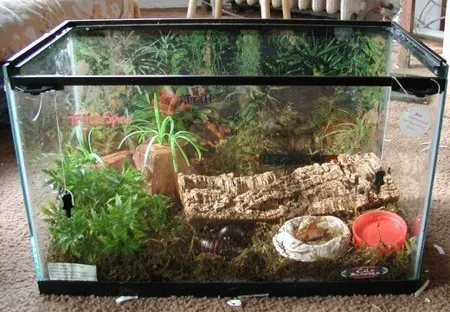
Proper cage maintenance is key to providing a healthy environment for your tarantula. Some tips include, regularly spot-cleaning. Remove uneaten food and feces. Replace the water in the water dish. This should be done every one or two days. Monitor the humidity and adjust the moisture levels. Refresh the substrate every few months. When doing a full clean of the enclosure, replace the substrate, clean the cage and all furnishings, and fully disinfect. Inspect the cage regularly for any signs of wear and tear. Ensure the tarantula has adequate space to move around. Replace any damaged or old items. These regular maintenance activities will contribute significantly to the health and longevity of your tarantula. Be vigilant for any signs of illness or discomfort in your pet.
Upgrading Your Tarantula’s Cage When and How
As your tarantula grows, it will eventually need a larger enclosure. This is a natural progression and must be addressed to maintain the tarantula’s health and well-being. Signs that it’s time to upgrade the cage include the tarantula appearing cramped. Its inability to move comfortably, and any difficulty during molting. The timing of an upgrade varies based on the species and the individual tarantula’s growth rate. The upgrade should be done before the tarantula outgrows its enclosure. Research the expected adult size of your tarantula, and plan for the future. The new enclosure should be appropriately sized, and should provide enough room for the tarantula to roam and feel secure. When upgrading, move the tarantula to its new home, placing the original decorations and substrate in the new enclosure to reduce stress.