Understanding the Tarantula Anatomy A Comprehensive Guide
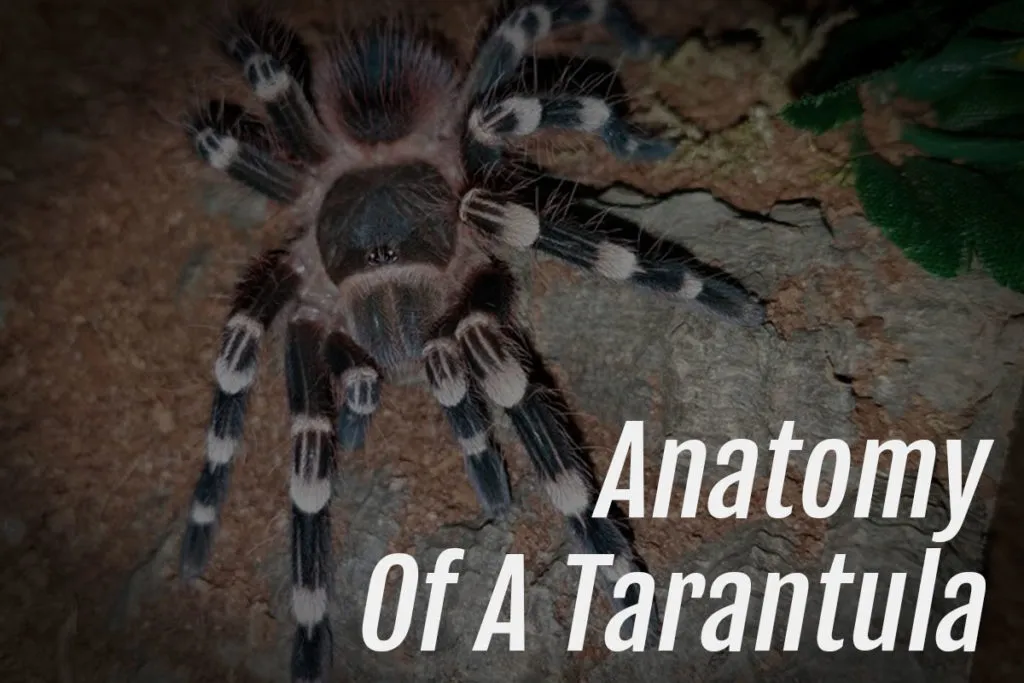
Tarantulas, with their impressive size and intriguing behaviors, have captivated the attention of both scientists and enthusiasts alike. Understanding their anatomy is key to appreciating these fascinating creatures and ensuring their well-being if you keep them as pets. This guide delves into the various tarantula body parts, providing a comprehensive overview to help you identify and understand these complex arachnids. From the prominent cephalothorax to the intricate spinnerets, each part plays a crucial role in the tarantula’s survival and interaction with its environment. This knowledge not only enhances our appreciation for these spiders but also aids in their proper care and handling, making this a vital resource for anyone interested in learning more about tarantulas. This explanation will cover everything, so you are able to identify each part easily.
The Cephalothorax Head and Thorax Combined
The cephalothorax, also known as the prosoma, is the fused head and thorax of the tarantula. This region serves as the central hub for many critical functions. The cephalothorax houses the tarantula’s brain, mouthparts, eyes, and the attachment points for the legs and pedipalps. The hard, protective carapace, a shield-like structure, covers the dorsal (upper) surface of the cephalothorax, protecting the delicate internal organs. This sturdy exoskeleton provides both structural support and defense against predators. The underside of the cephalothorax contains the mouthparts and the bases of the legs, each element working in concert to support the tarantula’s way of life. Studying the cephalothorax gives a clear understanding of the tarantula’s sensory organs and the mechanics of movement and feeding.
Carapace Shielding the Vital Organs

The carapace is the dorsal, or upper, part of the cephalothorax and acts as a protective shield for the tarantula’s vital organs, including the brain, heart, and other critical systems. This hard, plate-like structure is composed of chitin, a tough, protective substance also found in the exoskeletons of insects. The carapace’s surface often features various patterns, colors, and textures, which can aid in camouflage and species identification. The shape and robustness of the carapace can vary among different tarantula species, reflecting adaptations to their respective environments. Damage to the carapace can compromise the spider’s internal systems, highlighting the importance of this crucial structure in the tarantula’s overall health and survival.
Eyesight and Sensory Capabilities
Tarantulas typically have eight eyes, arranged in two rows on the front of the cephalothorax. While their vision isn’t as acute as that of some other predators, it still plays a vital role in detecting movement and light changes. The primary function of the eyes is to distinguish between light and dark and to detect motion, helping the tarantula locate prey and avoid threats. In addition to their eyes, tarantulas possess a complex array of sensory hairs (setae) on their legs and bodies. These hairs detect vibrations in the ground, air currents, and even chemical signals, allowing the spider to perceive its surroundings. This combination of visual and tactile senses enables tarantulas to navigate their environment and effectively hunt for food.
Chelicerae Powerful Fangs and Venom Delivery
The chelicerae are the tarantula’s mouthparts, located at the front of the cephalothorax. They consist of two segments, the basal segment, and the fangs. The basal segment houses the venom glands and the muscles that control the fangs. The fangs themselves are sharp, curved structures used to pierce prey and inject venom. The size and shape of the fangs can vary depending on the tarantula species. When the tarantula bites, it injects venom that serves two primary functions: to paralyze the prey and to begin the process of pre-digestion. The venom contains enzymes that break down the prey’s tissues, making it easier for the tarantula to consume its meal. The chelicerae are essential tools for feeding and defense, representing a critical component of the tarantula’s predatory lifestyle.
Pedipalps Sensory Appendages and Mating Tools

The pedipalps are a pair of appendages located near the chelicerae. They resemble small legs but serve several different functions. These are primarily used as sensory organs, helping the tarantula to ’taste’ and ‘feel’ its surroundings. They are covered with sensory hairs that can detect vibrations, textures, and chemical signals. The pedipalps also aid in manipulating food, and in some species, males use them for mating purposes. In mature male tarantulas, the pedipalps are modified to store and transfer sperm. The tips of the pedipalps become bulbous, containing the sperm and specialized structures used to insert the sperm into the female’s reproductive organs during mating. Therefore, the pedipalps are integral in both the sensory and reproductive capabilities of tarantulas.
The Abdomen The Spider’s Rear Section
The abdomen, or opisthosoma, is the posterior section of the tarantula’s body, connected to the cephalothorax by a narrow pedicel. The abdomen houses the digestive system, the heart, the reproductive organs, and the book lungs. The exterior of the abdomen is covered by a flexible exoskeleton. The color and patterns on the abdomen can vary significantly between species, playing a role in camouflage and species recognition. The abdomen expands and contracts to accommodate changes in the spider’s internal organs, particularly after feeding. Within the abdomen are essential structures for life, including the organs for digestion, respiration, and reproduction. Understanding the abdomen is key to understanding the internal biology of the tarantula and its various life processes.
Spinnerets Silk Production for Various Purposes
At the rear of the abdomen are the spinnerets, which are specialized structures used to produce silk. Tarantulas have multiple spinnerets, each with numerous spinneret spigots that release silk. The silk produced by tarantulas is used for various purposes, including building burrows, constructing nests, and creating draglines for safety. Silk is also used to wrap prey and to create egg sacs. The type and properties of the silk can vary depending on the tarantula species and the purpose for which it’s used. Silk is incredibly strong and versatile, highlighting the ingenuity of tarantulas in their environment. The spinnerets represent a remarkable adaptation that allows tarantulas to thrive in a variety of habitats, ensuring their survival and reproductive success.
Book Lungs Respiration System
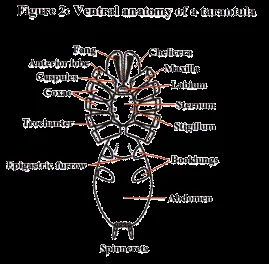
Tarantulas breathe using book lungs, which are unique respiratory organs located within the abdomen. These lungs consist of numerous thin, leaf-like lamellae, stacked like pages in a book. Air enters the book lungs through small openings called spiracles, and the lamellae facilitate the exchange of gases between the spider’s blood and the surrounding air. The large surface area of the lamellae maximizes oxygen absorption. The book lungs are essential for the tarantula’s survival, as they provide the necessary oxygen for cellular respiration. These specialized structures show a remarkable adaptation to an terrestrial lifestyle. The health and efficiency of the book lungs are vital to the tarantula’s energy levels and overall well-being, helping in every aspect of their life.
The Legs Structure and Function
Tarantulas have eight legs, each consisting of several segments, including the coxa, trochanter, femur, patella, tibia, metatarsus, and tarsus. The legs are covered with sensory hairs (setae), which provide information about the environment, detecting vibrations, and assisting with climbing. The legs are crucial for locomotion, allowing the tarantula to move quickly across various terrains, hunt for prey, and escape from predators. The claws at the end of each leg provide traction, enabling the spider to climb smooth surfaces. The legs also play a role in defense, as tarantulas can use their legs to kick hairs (urticating hairs) at perceived threats. The structure and function of the legs are a testament to the tarantula’s ability to adapt and thrive in its environment. These are also used to grab prey or to dig holes.
Hairs and Setae Sensory Tools and Defense Mechanisms
Tarantulas are covered in various types of hairs and setae, which play essential roles in sensory perception and defense. Setae are sensory hairs, which help detect vibrations, air currents, and chemical signals. These are distributed across the body, particularly on the legs and pedipalps, providing the tarantula with vital information about its surroundings. Some tarantulas possess urticating hairs, which are barbed hairs that the spider can flick at perceived threats. These hairs can cause irritation and discomfort. These hairs are a form of defense against predators. The presence and type of hairs can vary greatly among different tarantula species. These also have an important role in helping them detect prey and navigate their environment, underlining the sensory complexity of these creatures.
In conclusion, understanding the intricate anatomy of a tarantula enhances our appreciation for these fascinating arachnids. Each body part, from the cephalothorax to the spinnerets, has a crucial role in the tarantula’s survival and interaction with its environment. By identifying these parts and understanding their functions, we gain a deeper insight into the lives of these remarkable creatures. Whether you are a pet owner, a scientist, or simply curious, the knowledge of the tarantula anatomy empowers you to understand, appreciate, and care for these extraordinary spiders.