Tarantula Bites Are They Poisonous The Top 5 Facts
Tarantulas, with their imposing size and hairy legs, often evoke fear and curiosity. While these arachnids are generally not aggressive, encounters can sometimes lead to a bite. But are tarantula bites poisonous? The answer, like many aspects of the natural world, is nuanced. This article delves into the top 5 facts you need to know about tarantula bites, separating fact from fiction and providing essential information on what to expect and how to react if you or someone you know gets bitten. From understanding the nature of their venom to learning about first aid and prevention, we’ll cover everything you need to know about these fascinating creatures and their bites. Understanding the facts can help ease any fears and empower you with knowledge.
Fact 1 Are Tarantula Bites Poisonous
The term ‘poisonous’ is often misused when discussing tarantulas. Technically, tarantulas are venomous, not poisonous. Poisonous creatures secrete toxins through contact or consumption, while venomous animals inject toxins through a bite or sting. The distinction is crucial. Tarantula venom, delivered via their fangs, is typically not lethal to humans. However, the effects of a bite can vary depending on the species of tarantula, the amount of venom injected, and the individual’s sensitivity. Most tarantula bites are comparable to a bee sting causing localized pain, redness, and swelling. It’s rare for a tarantula bite to cause severe reactions in humans, making it important to understand the nature of the venom and what to expect in the event of a bite. Understanding the basics helps in addressing any potential issues.
Understanding Tarantula Venom

Tarantula venom is a complex mixture of enzymes, peptides, and proteins. Its primary function is to subdue prey. The venom works by disrupting the nervous system of the prey, causing paralysis. The composition of the venom varies between different tarantula species, which can affect the potency and the symptoms experienced after a bite. Some species have a more potent venom than others. Research into tarantula venom is ongoing, as scientists explore its potential applications in medicine. The intricate nature of the venom highlights the evolutionary adaptations of tarantulas to survive and thrive in their various habitats.
The Role of Fangs and Venom Delivery
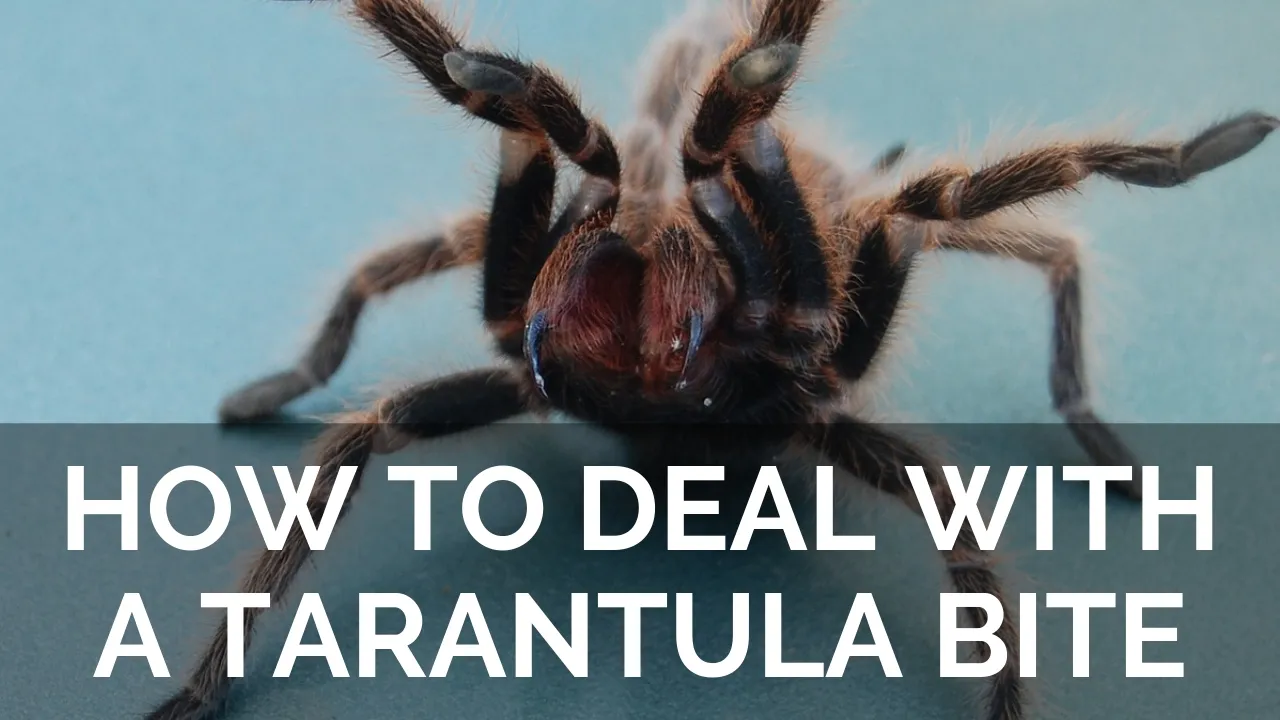
Tarantulas inject venom through their fangs, which are sharp, hollow structures used to pierce their prey. When a tarantula bites, it uses its fangs to puncture the skin and release the venom. The size and shape of the fangs can vary depending on the species, and the depth of the bite affects how much venom is delivered. The tarantula’s ability to control the venom release is another factor that impacts the severity of the bite. Generally, tarantulas do not inject a large amount of venom when biting humans, as it is a defensive mechanism. The anatomy of the fangs is crucial for understanding how the venom is delivered and the potential effects of a bite.
Fact 2 Common Symptoms of Tarantula Bites
The symptoms of a tarantula bite are usually localized and mild. The most common reactions include pain, redness, swelling, and itching at the bite site. The intensity of these symptoms can vary, but they typically subside within a few hours to a few days. More serious reactions are rare in humans. Understanding the common symptoms is important for differentiating a tarantula bite from other types of bites or stings. The ability to recognize and assess the symptoms quickly is key to providing the proper care and minimizing any potential discomfort.
Local Reactions at the Bite Site

The immediate response to a tarantula bite is usually characterized by localized pain, similar to a bee sting. This pain can range from a mild ache to a more intense throbbing sensation. Redness and swelling around the bite site are also common, as the body reacts to the venom. Itching may also occur, adding to the discomfort. The duration of these local reactions can vary, but they usually start to subside within a few hours. Keeping the bite site clean and avoiding scratching can help to prevent secondary infections and promote faster healing.
Systemic Reactions and Allergic Responses
In rare cases, individuals may experience systemic reactions or allergic responses to a tarantula bite. These can include symptoms such as nausea, vomiting, muscle cramps, and, in severe cases, difficulty breathing or anaphylaxis. Allergic reactions can be unpredictable, and anyone who experiences difficulty breathing or other signs of a severe reaction should seek immediate medical attention. While serious reactions are uncommon, it is crucial to be aware of these possibilities and to know how to respond. Prompt medical attention can save lives.
Fact 3 The Toxicity Level of Tarantula Venom
The toxicity of tarantula venom is generally considered to be low for humans. The primary purpose of the venom is to immobilize prey, such as insects and small animals. The amount of venom injected during a bite is often minimal. This, combined with the venom’s relatively mild composition, results in symptoms that are usually not life-threatening. Knowing the toxicity level helps in assessing the risk associated with tarantula bites and managing expectations.
Comparing Tarantula Venom to Other Venoms

When comparing tarantula venom to other venoms, such as those from snakes or scorpions, it is clear that tarantula venom is far less potent. Snake venom is designed to quickly incapacitate larger prey, whereas scorpion venom has neurotoxic properties that can be very dangerous. The impact of tarantula venom is primarily localized, causing pain and discomfort rather than systemic effects. The comparison highlights the differences in the composition, purpose, and overall effect of the various venoms. Understanding these differences can give a sense of the relative risk.
Variations in Venom Potency
The potency of tarantula venom can vary between different species. Some species, such as the Goliath birdeater (Theraphosa blondi), are known to have a more potent venom than others. This can be due to the specific components of the venom and how they interact with the body. Even within the same species, there can be minor variations in venom composition. These factors contribute to the range of symptoms that people experience after being bitten by a tarantula. Research into these variations helps in understanding the potential risks associated with different species of tarantulas.
Fact 4 First Aid and Treatment for Tarantula Bites
If you are bitten by a tarantula, immediate action and proper treatment can help to alleviate symptoms and prevent complications. Knowing the appropriate steps to take can reduce anxiety and ensure the best possible outcome. While most bites are mild, being prepared is essential for any potential event.
Immediate Actions to Take

The first step is to remain calm. Wash the bite area gently with soap and water. Apply a cold compress or ice pack to the bite site to reduce pain and swelling. Elevating the affected limb can also help. Monitor the bite for any signs of a severe reaction, such as difficulty breathing, and seek medical attention immediately if necessary. Documenting the incident, including any symptoms and the appearance of the bite, can also be helpful for medical professionals.
Medical Treatments and When to Seek Help
Most tarantula bites require only basic first aid. However, if you experience severe symptoms, seek medical attention. Doctors may administer pain relievers, antihistamines, or other medications to manage symptoms. In cases of a severe allergic reaction, emergency medical treatment may be required. Knowing when to seek medical help is crucial for ensuring proper care. Informing medical staff about the bite, including the species if known, helps them give the best treatment possible. Medical professionals can assess the situation and provide the appropriate level of care.
Fact 5 Prevention and Safety Measures
Preventing tarantula bites is easier than treating them. Handling tarantulas with caution and creating a safe environment are key to minimizing the risk. Taking appropriate precautions can ensure that encounters with these arachnids remain safe and that you can appreciate them from a distance.
Handling Tarantulas Safely

If you choose to keep or handle tarantulas, it’s essential to do so safely. Always handle tarantulas over a soft surface, such as a bed or a table covered with a blanket, to minimize the risk of injury if the tarantula falls. Avoid quick movements and sudden noises. Use appropriate tools, such as long tongs or brushes, to guide the tarantula if needed. Educating yourself about the species you are handling can also help you understand its behavior and potential risks. Being informed is key to ensuring that you handle tarantulas with care.
Creating a Safe Environment
Creating a safe environment involves several key steps. Proper housing is essential, with secure enclosures that prevent escape. Avoid placing tarantula enclosures in areas with high traffic or where children or pets could come into contact with them. Regular maintenance, including cleaning and providing fresh food and water, helps to keep the tarantula healthy and reduces the likelihood of the tarantula feeling threatened. Maintaining a safe environment minimizes stress for the tarantula and reduces the risk of bites. Creating a safe environment is good for both the owner and the tarantula.
In conclusion, while tarantula bites can be unpleasant, they are generally not as dangerous as many people fear. Understanding the nature of tarantula venom, recognizing the common symptoms, and knowing the appropriate first aid measures can help alleviate any concerns. The information provided here gives you a comprehensive guide to understanding these creatures and their bites. By taking necessary precautions and knowing how to react, you can manage the risks and appreciate these fascinating creatures safely.