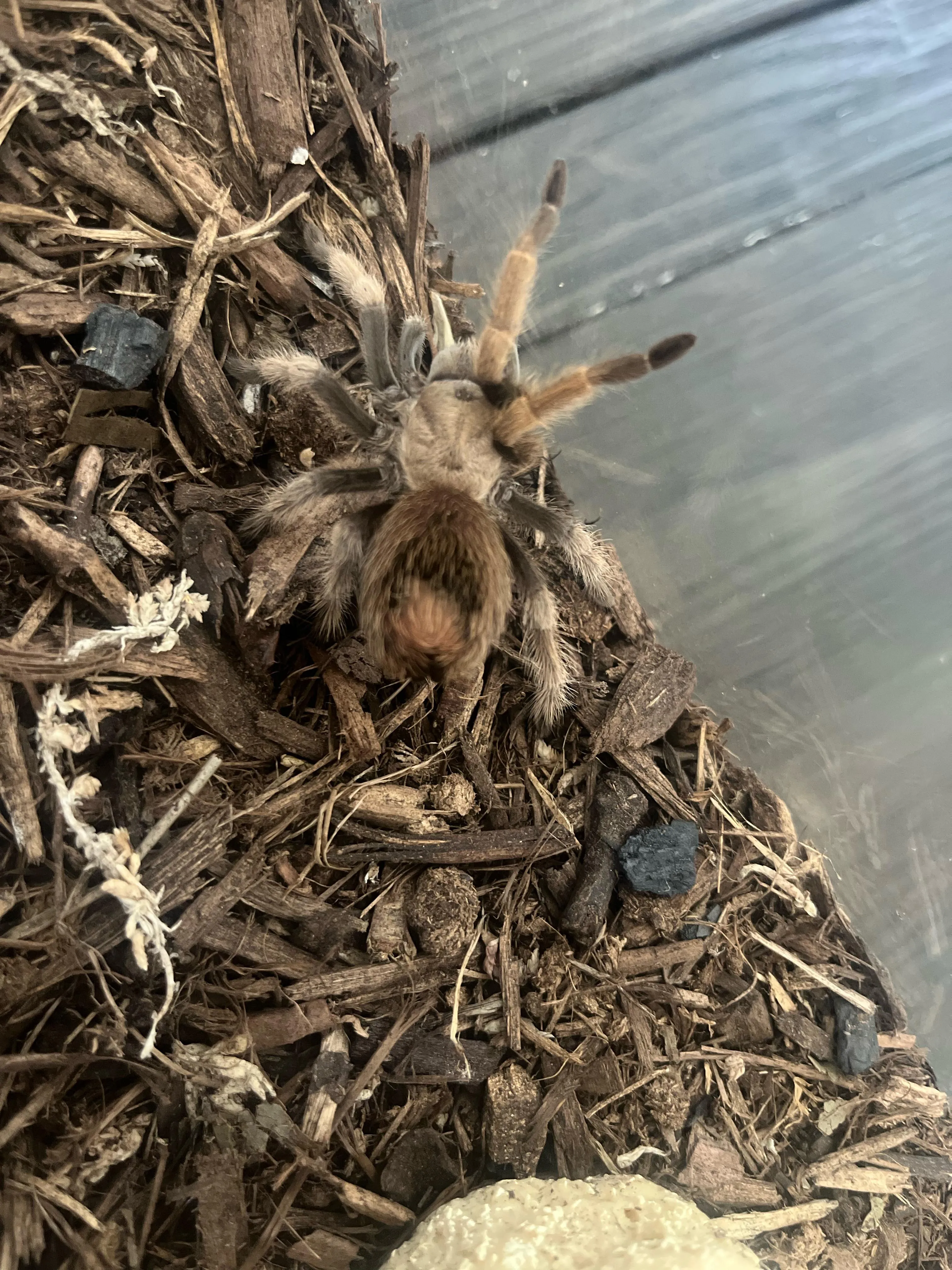
What is Tarantula Baldness
Tarantula baldness, scientifically known as urticating hair loss, is a common phenomenon observed in many tarantula species. It refers to the loss of the fine, hair-like structures called urticating hairs from the tarantula’s abdomen. These hairs serve as a defense mechanism, primarily against predators. When a tarantula feels threatened, it flicks these hairs off its abdomen towards the perceived threat. However, baldness can also be a sign of other underlying issues, and understanding the causes is important for proper tarantula care. Recognizing the patterns and causes helps owners provide the best possible environment for their eight-legged companions and ensure their overall well-being and longevity, leading to happier and healthier tarantulas.
Causes of Tarantula Baldness (Hair Loss)
Several factors can contribute to tarantula hair loss, each requiring careful consideration to ensure the spider’s health. The most common reasons include natural processes like molting, environmental conditions like improper humidity and substrate, dietary deficiencies, and stress-related behaviors. Understanding these causes is critical to preventing or addressing baldness in your tarantula. Identifying the specific cause can guide you in making the necessary adjustments to their care routine, and promote a healthy living environment. Recognizing the root cause is key to resolving hair loss and ensuring the long-term health of your tarantula.
Molting and Baldness Connection

Molting is a natural process where tarantulas shed their exoskeleton to grow. During this process, the spider creates a new exoskeleton underneath the old one. When the old exoskeleton is shed, it is common for some urticating hairs to be lost along with it. A tarantula that has recently molted may appear bald or have reduced hair coverage on its abdomen. This is a normal part of the molting cycle, and the hairs will regenerate with each subsequent molt. However, if hair loss persists between molts or seems excessive, there might be other contributing factors to consider, such as environmental or stress-related issues. Knowing the molting cycle and what’s normal is the key to providing adequate care.
Identifying Signs of Hair Loss in Tarantulas
Recognizing the signs of hair loss is the first step towards addressing the issue. The most obvious sign is the thinning or complete absence of hair on the tarantula’s abdomen. In addition, tarantulas might exhibit a reddish or dark patch on their abdomen where the hairs are missing. This area is often the skin of the tarantula, which becomes exposed. It is critical to observe your tarantula regularly for these signs, paying close attention to the amount of hair loss, the appearance of the exposed skin, and any behavioral changes. Early detection allows for proactive measures to prevent further loss and address any underlying causes that are affecting the animal’s health and well-being.
Environmental Factors and Tarantula Baldness
Environmental factors play a critical role in the health of tarantulas. Improper conditions can lead to stress and hair loss. The two main environmental elements affecting tarantula health are humidity and substrate. Maintaining the correct levels and type of substrate within their enclosure can prevent unnecessary hair loss, promoting better health. Monitoring the environment ensures the spiders thrive and remain healthy, which also includes the type of diet they are getting as well. Maintaining an adequate and healthy environment is the most important factor to having a happy tarantula.
Humidity and Its Impact

Humidity is crucial for tarantulas, especially for those native to humid environments. Low humidity can cause the tarantula’s exoskeleton to dry out, making it brittle. This can lead to increased hair loss. In addition, dry environments can cause molting issues. Ensure the humidity levels in your tarantula’s enclosure match the species’ natural habitat. Regularly misting the enclosure with dechlorinated water and using a hygrometer to monitor the humidity can help. Adjusting ventilation to regulate humidity levels is also a useful practice to prevent baldness.
Substrate and Its Importance
The type of substrate you use in your tarantula’s enclosure is another key factor. The substrate helps maintain humidity and provides a place for the tarantula to burrow and feel secure. A substrate that is too dry or abrasive can irritate the tarantula’s abdomen, causing hair loss. The best substrate types include coconut fiber, peat moss, and a mix of these with other materials. Regularly check the substrate for cleanliness and replace it as needed. Additionally, the substrate needs to be deep enough for burrowing species to feel secure and to help regulate humidity effectively. Always avoid substrates with sharp edges or chemical additives.
Nutritional Deficiencies and Hair Loss
A balanced diet is essential for your tarantula’s health. Nutritional deficiencies can lead to various health problems, including hair loss. Tarantulas primarily eat insects, such as crickets, mealworms, and roaches. Ensure that these insects are gut-loaded with nutritious food before feeding them to your tarantula. Gut loading ensures the insects contain essential vitamins and minerals. Consider supplementing the diet with calcium and other nutrients if your tarantula shows signs of deficiency. Provide fresh water at all times, and remove uneaten food promptly to prevent mold and bacteria growth, which are also causes of health problems.
Stress and Its Effects on Hair Loss

Stress can significantly impact a tarantula’s health, leading to various problems, including hair loss. Several factors can cause stress in tarantulas, including handling, frequent enclosure disturbances, and a lack of hiding places. Minimize handling, especially when the tarantula is molting or appears stressed. Avoid making sudden movements or loud noises near the enclosure. Provide a suitable hiding place, such as a cork bark or a hide, where the tarantula can retreat and feel secure. A secure and stable environment is essential for your tarantula’s well-being, helping it to avoid unnecessary stress and hair loss.
Handling and Other Stressors
Frequent handling can be a major stressor for tarantulas. While some tarantulas may tolerate handling, others find it very stressful, which can contribute to hair loss. The best practice is to handle tarantulas only when absolutely necessary, such as for health checks or enclosure maintenance. Avoid sudden movements and ensure your hands are clean and free of any scents, like perfumes or hand lotions. In addition to handling, other stressors include noisy environments, bright lights, and changes in temperature. Minimizing these stressors will promote your tarantula’s health and reduce the risk of hair loss.
Prevention and Treatment for Baldness
Preventing and treating tarantula baldness involves addressing the underlying causes. The primary goal is to provide an optimal environment and care routine. This involves careful monitoring and proactive measures. By maintaining proper conditions, providing a balanced diet, and minimizing stress, you can significantly reduce the likelihood of your tarantula experiencing hair loss. In addition, if the hair loss is severe or persistent, it is essential to know when to seek professional veterinary advice to ensure the tarantula’s health and well-being. Consistent and attentive care goes a long way in keeping your tarantula healthy and happy.
Maintaining Proper Humidity Levels

Maintaining appropriate humidity levels is essential to prevent tarantula hair loss. Different species of tarantulas have different humidity requirements, so it is critical to research and understand your tarantula’s specific needs. Use a hygrometer to monitor the humidity inside the enclosure. If the humidity is too low, mist the enclosure with dechlorinated water. The substrate can also help regulate humidity; using a substrate that retains moisture well, such as coconut fiber, is beneficial. Regularly check and adjust the humidity levels based on your tarantula’s species and environment to maintain their health.
Providing a Suitable Substrate
A suitable substrate is vital for your tarantula’s well-being and can prevent hair loss. The substrate should be appropriate for the tarantula’s species and its natural environment. The best substrates are those that retain moisture, such as coconut fiber, peat moss, or a mix of the two. The substrate should be deep enough for the tarantula to burrow if it is a burrowing species. The substrate should be kept clean and replaced regularly to prevent mold growth and the build-up of waste. Avoid substrates that are abrasive or contain chemicals, as these can irritate the tarantula’s abdomen, leading to hair loss. The right substrate provides a healthy and safe environment.
Ensuring a Balanced Diet
Providing a balanced diet is crucial for your tarantula’s health and can prevent hair loss. Feed your tarantula a variety of insects that are gut-loaded with nutritious food before feeding them to your tarantula. Ensure that your tarantula has access to fresh water at all times. Remove uneaten food promptly to prevent the growth of mold and bacteria. You can also consider supplementing your tarantula’s diet with calcium and other vitamins. Provide a varied and balanced diet to give your tarantula the necessary nutrients for optimal health and a healthy exoskeleton.
Minimizing Stressful Situations

Minimizing stress is essential for preventing hair loss and ensuring your tarantula’s well-being. Avoid frequent handling, especially during molting. Provide a secure hiding place to help the tarantula feel safe and secure. Minimize disturbances and loud noises near the enclosure. Keep the temperature and humidity levels stable. Create a quiet and stable environment where the tarantula can thrive without stress. By addressing these elements, you can contribute to a healthier and more comfortable environment, improving overall health, and preventing hair loss.
When to Seek Veterinary Advice
While addressing hair loss through environmental adjustments and dietary changes is often effective, there are times when veterinary advice is necessary. If the hair loss is severe, persistent, or accompanied by other symptoms, such as lethargy, loss of appetite, or unusual behavior, it’s important to consult a veterinarian specializing in exotic animals. A veterinarian can assess the tarantula’s overall health and identify any underlying medical conditions that might be contributing to the hair loss. They can provide a diagnosis and recommend appropriate treatment to ensure the tarantula’s health and well-being, and sometimes even a longer lifespan. Early veterinary intervention can prevent serious health issues.
In conclusion, tarantula baldness is a manageable issue. By understanding the causes, providing proper care, and knowing when to seek professional help, you can ensure that your tarantula remains healthy and comfortable. Regular monitoring, a suitable environment, and a balanced diet are essential to prevent hair loss and maintain the well-being of your eight-legged friend. Taking proactive measures can make a real difference in the health of your tarantula.