What is a Tarantula?
Tarantulas are large, hairy spiders belonging to the Theraphosidae family. These fascinating creatures are known for their impressive size, diverse coloration, and relatively docile nature, making them popular pets for some. Unlike many other spider species, tarantulas possess urticating hairs, which they can flick off their abdomen as a defense mechanism. These hairs cause skin irritation, deterring potential predators. Tarantulas have captivated the interest of scientists, hobbyists, and the general public alike, for their unique characteristics and behaviors. Understanding these magnificent arachnids requires delving into their classification, physical attributes, habitat, and care requirements.
Tarantula Classification and Taxonomy
Taxonomically, tarantulas are classified within the phylum Arthropoda, class Arachnida, order Araneae, and family Theraphosidae. This family comprises numerous genera and species, each with unique characteristics. The study of tarantulas, their relationships, and their evolutionary history is crucial for understanding their diversity and ecological roles. Advances in molecular biology and genetics continue to refine the classification of tarantulas, leading to a better comprehension of their evolutionary lineages. Research into their taxonomy helps in conservation efforts, as it allows scientists to identify and protect vulnerable species within their natural habitats. The scientific naming system ensures accurate communication and understanding among researchers worldwide.
Types of Tarantulas

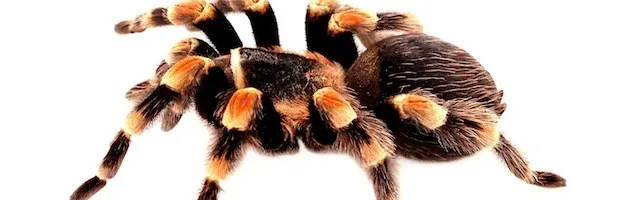
The world of tarantulas is incredibly diverse, with hundreds of species inhabiting various regions across the globe. Some popular species include the Chilean Rose Hair Tarantula (Grammostola rosea), known for its docile temperament and suitability for beginners; the Mexican Red Knee Tarantula (Brachypelma hamorii), recognized for its striking orange and black markings; and the Goliath Birdeater (Theraphosa blondi), one of the largest spiders in the world. Each species possesses unique characteristics, including variations in size, coloration, behavior, and habitat preferences. The study of these different species continues to unveil fascinating details about their adaptations, survival strategies, and ecological roles within their environments. Understanding the different species is essential for responsible pet ownership and effective conservation strategies.
Appearance and Physical Characteristics
Tarantulas exhibit a range of physical characteristics that distinguish them from other spiders. Their bodies are divided into two main parts the cephalothorax (fused head and thorax) and the abdomen. They have eight legs, typically covered in sensory hairs, which help them navigate their surroundings. Two pedipalps, located near the mouth, serve as sensory organs and aid in food manipulation. Most tarantulas possess fangs for injecting venom into their prey, although the venom is generally not considered life-threatening to humans. Their bodies are covered in a thick exoskeleton, which provides protection and support. Regular molting allows them to grow and shed their outer layer.
Size and Lifespan
Tarantula sizes vary significantly depending on the species, with some reaching a leg span of over 10 inches. Female tarantulas typically live much longer than males, with some species living for over 20 years in captivity. Male tarantulas often have a shorter lifespan, usually only surviving a few years after reaching maturity. The growth rate and lifespan of a tarantula depend on factors such as diet, temperature, and environmental conditions. Proper care and a suitable habitat are critical for maximizing a tarantula’s lifespan and ensuring its well-being. The study of tarantula longevity offers insights into the physiological and environmental factors that influence aging in arachnids.
Coloration and Patterns

Tarantulas display an array of colors and patterns, providing them with camouflage and helping them attract mates. Colors range from the earth tones of brown and gray to vibrant hues of red, orange, blue, and black. The patterns often include stripes, spots, and intricate markings, adding to their aesthetic appeal. The coloration of tarantulas often depends on their habitat, allowing them to blend in with their surroundings and avoid predators. Color variations can also indicate the species, age, and health of the tarantula. Scientists study color patterns to understand the evolutionary adaptations of tarantulas and their interactions with their environment. This knowledge is essential for conservation efforts and pet ownership.
Habitat and Behavior
Tarantulas thrive in a wide variety of habitats, from tropical rainforests to arid deserts. They are primarily terrestrial, although some species are arboreal, living in trees, or fossorial, dwelling in burrows. Their behavior varies depending on the species, with some being more docile and others more defensive. Many tarantulas are nocturnal, becoming active at night to hunt for prey. Understanding their habitat and behavior is crucial for providing appropriate care in captivity and conserving their natural environments. Their ability to adapt to diverse conditions shows their resilience and evolutionary success.
Natural Habitats of Tarantulas
Tarantulas are found on every continent except Antarctica, occupying diverse habitats that suit their needs. Tropical regions provide ideal conditions for many species, with consistent warmth and humidity. Desert-dwelling tarantulas have adapted to arid environments by creating burrows and conserving water. Some species live in grasslands, forests, or even suburban areas. The distribution of tarantula species is influenced by factors such as climate, vegetation, and the availability of prey. Understanding the specific habitats of tarantulas is essential for conservation efforts. Protecting their environments from habitat loss and degradation is essential for their survival.
Tarantula Behavior and Temperament

Tarantulas exhibit a range of behaviors, including hunting, burrowing, and mating. They typically ambush their prey, waiting patiently until the opportune moment to strike. Some species are more docile and less likely to bite, while others may display defensive behaviors such as flicking urticating hairs or raising their front legs. Their temperament can vary depending on the species, age, and individual personality of the tarantula. Providing the appropriate environment and avoiding unnecessary handling can help to minimize stress and promote a calm demeanor. Observing tarantula behavior is a fascinating way to learn about their adaptations and survival strategies.
Diet and Feeding Habits
Tarantulas are carnivorous predators, primarily feeding on insects, but occasionally consuming small vertebrates. Their diet provides essential nutrients for growth and survival. Understanding the dietary requirements of tarantulas is crucial for providing adequate nutrition in captivity. The type of prey and feeding frequency can influence their health and well-being. Proper diet is a key factor in successful tarantula husbandry, ensuring the spiders thrive and maintain their natural behaviors.
What Do Tarantulas Eat?
The main diet of tarantulas consists of insects, such as crickets, mealworms, cockroaches, and other invertebrates. Larger tarantulas may also consume small vertebrates, including mice, lizards, and even small birds. The size and type of prey offered should be appropriate for the size of the tarantula. The diet of a tarantula should be varied to ensure they receive all the essential nutrients. Proper prey management is essential to prevent the spread of parasites or diseases. Providing a diverse diet contributes to their overall health and well-being.
Feeding Frequency and Techniques

Feeding frequency depends on the age, size, and species of the tarantula. Juvenile tarantulas should be fed more often, while adults may only need to be fed once or twice a week. The prey should be of appropriate size to avoid stressing the tarantula. Remove any uneaten prey after 24 hours to prevent injury to the tarantula and to maintain a clean environment. Offering food at regular intervals helps maintain a healthy feeding schedule. Monitoring their eating habits and adjusting the diet as needed supports their overall well-being.
Tarantula Care
Providing proper care is crucial for the health and well-being of tarantulas in captivity. This includes creating a suitable enclosure, maintaining the right temperature and humidity levels, and handling them safely. Adequate care prevents stress and promotes their natural behaviors. The commitment to proper care leads to a rewarding experience for the tarantula owner, allowing them to observe the fascinating lives of these amazing arachnids.
Setting Up a Tarantula Enclosure
The enclosure should be appropriately sized for the tarantula’s species and size, providing enough space for movement and burrowing, if applicable. A secure lid is essential to prevent escapes. Substrate, such as coconut fiber or peat moss, should be provided to maintain humidity and allow for burrowing. Decorations, such as hides, branches, and artificial plants, create an enriching environment. Ensure the enclosure is easily accessible for cleaning. The right enclosure enhances the quality of life for the tarantula. Regular maintenance and cleaning promote the health and well-being of the tarantula.
Temperature and Humidity Control

Temperature and humidity levels vary depending on the species of tarantula. Maintaining the proper environment is essential for their health. Use a thermometer and hygrometer to monitor conditions. Provide a heat source, such as a heat mat, to maintain the required temperature. Mist the enclosure regularly, or provide a water dish to maintain humidity. Avoid extreme temperature fluctuations and humidity levels to prevent health problems. Proper environmental control promotes the overall health of the tarantula and supports its natural behaviors.
Handling and Safety Precautions
While tarantulas are generally not aggressive, handling should be done with care. Avoid unnecessary handling to prevent stress to the tarantula. Always handle them over a soft surface in case of a fall. Wash your hands before and after handling. Be aware of the urticating hairs, and avoid touching the tarantula’s abdomen. Teach children about respecting the tarantula, and supervise interactions. Always prioritize the safety and well-being of the tarantula. Respecting their space and knowing their limits contribute to a positive experience for both the owner and the tarantula.
Common Health Issues
Tarantulas are relatively hardy animals, but they can still be susceptible to certain health issues. These may include fungal infections, parasitic infestations, and injuries from falls or handling. Maintaining a clean enclosure and providing a proper diet can help prevent many health problems. Monitor the tarantula for any unusual symptoms, such as lethargy, loss of appetite, or changes in appearance. Prompt veterinary attention is essential if you suspect a health problem. Providing proper care and regular observation will contribute to the long-term health of your tarantula.
Tarantula Breeding

Breeding tarantulas can be a rewarding experience, but it requires careful planning and preparation. It is important to understand the mating process and the specific needs of the species. Proper breeding practices contribute to successful reproduction and the production of healthy spiderlings. The breeding process requires specialized knowledge. With patience and attention to detail, tarantula breeding can be a fulfilling hobby.
Mating and Egg Sacs
Mating tarantulas can be a delicate process, with the potential risk of the female cannibalizing the male. Proper pairing techniques are necessary to minimize risks. After mating, the female will lay eggs and create an egg sac. The egg sac protects the developing spiderlings. The care of the egg sac, ensuring proper temperature and humidity, is crucial for successful hatching. Mating and egg sac development contribute to the tarantula life cycle.
Raising Spiderlings
Once the spiderlings hatch, they need to be cared for separately. Provide small enclosures and appropriate food. Monitor the spiderlings carefully for growth and development. Maintain proper temperature and humidity levels. The process of raising spiderlings is a significant commitment, but it’s also rewarding. Knowledge and dedication contribute to successful spiderling rearing. Watch as the new generation of tarantulas thrives under careful care.
Tarantulas and Humans
The relationship between humans and tarantulas encompasses various aspects, from pet ownership to the cultural significance of these fascinating arachnids. Their presence enriches our understanding of the natural world. Understanding tarantulas is essential for fostering respect and appreciating their place in the ecosystem. Through responsible interactions, we can ensure their well-being and continue to marvel at their beauty.
Tarantulas as Pets
Tarantulas can be captivating pets for those interested in arachnids. They are relatively low-maintenance compared to some other pets. Researching and understanding their specific care requirements is crucial before acquiring a tarantula. Proper handling, enclosure, and feeding contribute to a rewarding pet experience. Being a responsible tarantula owner requires dedication and knowledge. The ownership of a tarantula can provide unique opportunities for learning and appreciating nature.
The Benefits of Owning a Tarantula
Owning a tarantula can provide various benefits. They require less space and maintenance compared to some other pets. Tarantulas can be a source of fascination and education. They can provide opportunities to learn about nature and biology. Observing their behaviors and unique characteristics can be a calming experience. Responsible ownership can lead to a deeper appreciation of the natural world. The experience can be educational and enriching, offering insights into the world of arachnids.
Tarantulas in Culture
Tarantulas have appeared in various aspects of human culture, from movies and literature to folklore. These creatures have inspired both fear and fascination. Understanding their portrayal in different cultures reveals insights into human perceptions of nature. Their image in media reflects society’s views on wildlife. The cultural significance contributes to the ongoing fascination with these amazing creatures. Tarantulas continue to be the subject of art, stories, and scientific exploration.