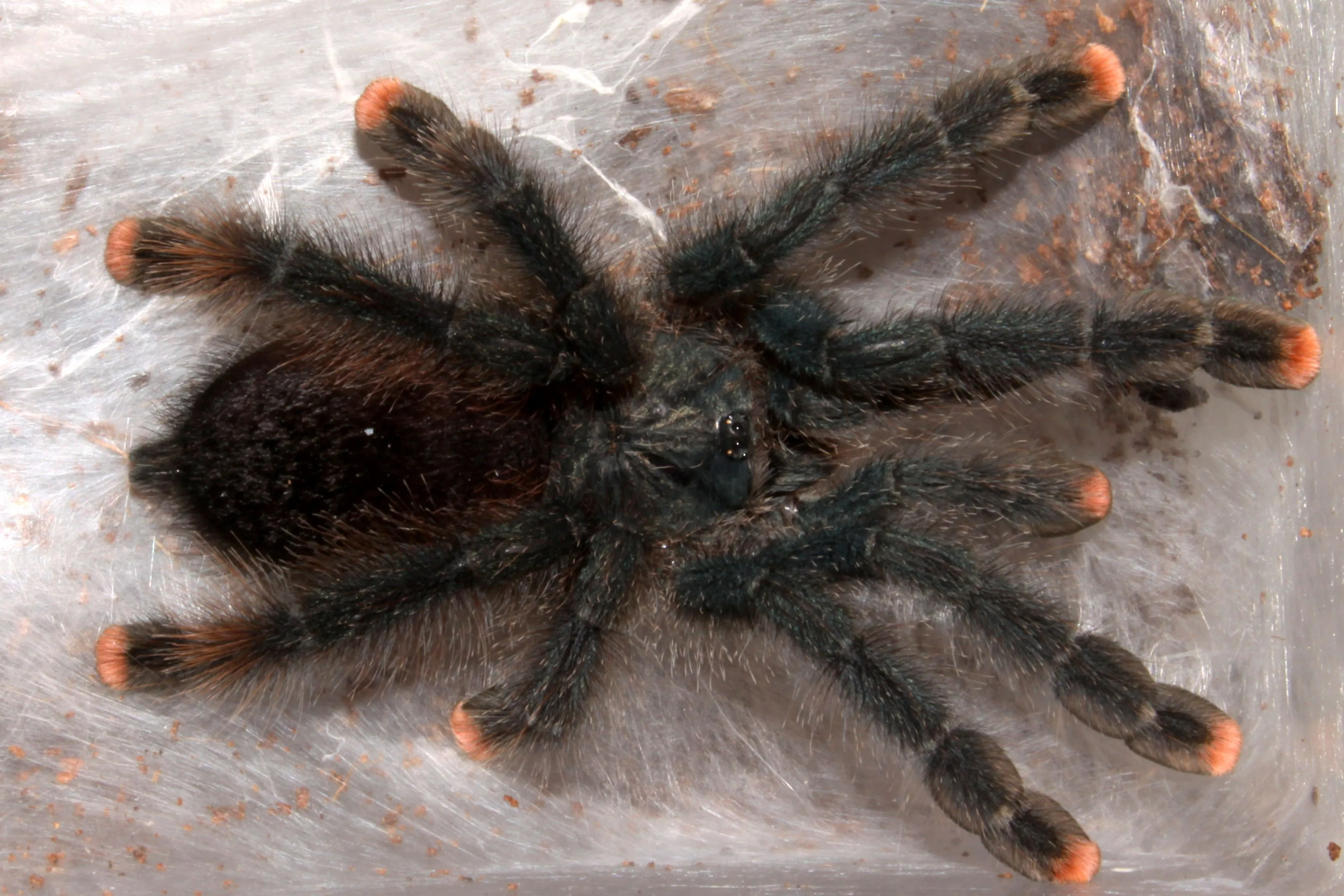
Tarantulas, with their impressive size and unique characteristics, have become increasingly popular pets. However, the idea of taming a spider might seem daunting. The good news is that tarantulas, while not cuddly like dogs or cats, can be accustomed to human interaction and, with patience and the right approach, can become relatively docile pets. This guide provides the top 5 tips to help you successfully tame your pet tarantula, fostering a harmonious relationship with your eight-legged friend. Remember that tarantulas are not like other pets and that the goal is not necessarily to make them enjoy being handled, but rather to minimize stress and ensure they are comfortable in your presence. Always prioritize the tarantula’s well-being and avoid any actions that could potentially harm or distress it.
Tarantula Taming Secrets
Taming a tarantula is not about forcing them to change their natural behavior, but rather, it’s about understanding their needs and habits. This understanding forms the foundation of a positive relationship. Tarantulas are solitary creatures, and their instincts drive them to be cautious and defensive. The goal is to create an environment and a routine that allows them to feel safe and secure in your presence. Building trust involves recognizing that each tarantula has its own personality and that progress may vary. Avoid the temptation to rush the process; patience and consistency are the keys to success. Additionally, research your specific tarantula species, as different species exhibit different temperaments and care requirements. Educating yourself on your tarantula’s specific needs and behaviors will significantly enhance your ability to establish a positive bond.
Understanding Tarantula Behavior
Before attempting to tame your tarantula, it’s essential to understand its natural behaviors. Tarantulas are primarily nocturnal, meaning they are most active at night. During the day, they typically hide in burrows or under shelter to avoid predators and conserve energy. They rely heavily on vibrations to detect prey and perceive their surroundings. They also use their fangs to inject venom to subdue prey, but their venom is generally not considered dangerous to humans. Observe your tarantula’s feeding habits and general activity levels to get an idea of its baseline behavior. This will help you identify signs of stress or illness, as well as gauge its comfort level in its enclosure. Furthermore, understanding their behaviors can help you predict their reactions and prevent any unexpected interactions. This knowledge will help you to ensure that you understand your tarantulas behavioral patterns, keeping both you and your tarantula safe and comfortable.
Why Your Tarantula Might Be Defensive

Tarantulas, by nature, are not aggressive creatures. However, they can become defensive when they feel threatened or stressed. Several factors can contribute to defensive behavior, including environmental stressors, improper handling, or perceived threats. A tarantula might feel threatened if its enclosure is too small, too hot, or too dry. Loud noises, bright lights, and sudden movements can also trigger a defensive response. Overhandling or attempting to interact with a tarantula when it’s not receptive can also lead to defensive behaviors. It’s important to understand that a defensive tarantula is not necessarily a ‘mean’ tarantula; it’s simply a stressed tarantula. By addressing the underlying causes of the stress, you can often help your tarantula feel more secure and less defensive. Providing a safe and enriching environment, with appropriate hiding places and consistent care, is crucial in preventing defensive behaviors and promoting a calmer demeanor.
Recognizing Defensive Postures
Learning to recognize defensive postures is essential for safe interaction with your tarantula. The most common defensive postures include raising the front legs, exposing the fangs, and flicking urticating hairs (in species that have them). A tarantula that raises its front legs is essentially signaling, ‘Back off!’ This posture serves as a warning before the tarantula resorts to biting. Exposing the fangs is a more direct threat. If your tarantula displays this behavior, it’s crucial to respect its boundaries and back away. Certain tarantula species have urticating hairs on their abdomen, which they can flick towards a perceived threat. These hairs can cause skin and eye irritation. Recognizing these signs helps you to respect your pet’s boundaries and avoid potentially dangerous interactions. Always observe your tarantula closely and learn its specific warning signs. When you see these signs, it’s best to leave your tarantula alone and allow it to calm down.
Tarantula Taming Tip 1 Patience is Key
Patience is the most critical ingredient in taming a tarantula. It is very important to understand that tarantulas do not ‘bond’ with their owners in the same way as mammals. Progress is slow, and each tarantula has its own pace. Some may be more receptive to interaction than others. Forcing interaction will only stress the tarantula and hinder the taming process. Start by simply observing your tarantula and allowing it to become accustomed to your presence. Avoid sudden movements or loud noises near the enclosure. Gradually increase your interaction, starting with small steps like placing food near the tarantula without disturbing it. Remember, building trust takes time, sometimes weeks or months. Celebrate small victories and don’t be discouraged by setbacks. The goal is a calm, stress-free tarantula, and rushing the process will undermine this goal. Enjoy the journey of getting to know your tarantula.
Creating the Right Environment

A suitable environment is fundamental to tarantula taming. The ideal habitat should mimic the tarantula’s natural environment, providing everything it needs to feel safe and secure. The size of the enclosure must be appropriate for the tarantula’s size, allowing for ample space to move around without feeling exposed. Provide a substrate that allows burrowing (for terrestrial species) or a secure surface for climbing (for arboreal species). A hide or shelter is essential, giving the tarantula a place to retreat and feel safe. The environment should also have proper ventilation and adequate humidity levels for the specific tarantula species. This is a very important aspect. A well-designed habitat minimizes stress and encourages the tarantula to exhibit its natural behaviors. A comfortable tarantula is more likely to be receptive to interaction.
Temperature and Humidity
Temperature and humidity are crucial environmental factors that affect a tarantula’s well-being and its behavior. Most tarantulas thrive in temperatures between 75-85°F (24-29°C). Use a heat source, such as a heat mat or a ceramic heat emitter, to maintain the appropriate temperature. Monitor the temperature regularly with a thermometer to ensure it remains within the ideal range. Humidity needs vary depending on the species. Tropical species require higher humidity levels (70-80%), while arid species prefer lower humidity (50-60%). Use a hygrometer to measure humidity. Mist the enclosure with water to increase humidity, but avoid over-misting, as this can lead to mold growth. Maintaining the correct temperature and humidity provides a healthy and comfortable environment for your tarantula, making it more likely to exhibit a calm demeanor.
Providing Adequate Hiding Spots
Tarantulas are naturally secretive animals, and the availability of hiding spots is essential for their sense of security. A hide allows the tarantula to retreat and feel safe from perceived threats. The hide should be appropriately sized for the tarantula; a hide that is too large may make the tarantula feel exposed, while one that is too small won’t provide adequate shelter. Popular hiding options include cork bark, half logs, artificial caves, or even sturdy plants. Ensure the hide is placed in a stable location within the enclosure and doesn’t pose a risk of falling on the tarantula. Providing multiple hiding spots allows the tarantula to choose its preferred resting place. A tarantula with multiple safe spaces will be less stressed and more likely to explore its environment. A tarantula with a safe space is generally more relaxed, making them more receptive to interaction.
Tarantula Taming Tip 2 Slow and Steady Movements

Tarantulas are highly sensitive to vibrations and sudden movements. When interacting with your tarantula, move slowly and deliberately. Quick gestures or unexpected noises can startle the tarantula, triggering a defensive response. Avoid reaching into the enclosure directly from above, as this can mimic a predator’s attack. Instead, approach the enclosure from the side and move your hands slowly. If you need to perform maintenance, such as feeding or cleaning, do so with gentle, unhurried movements. Speak softly to your tarantula to help it associate your presence with a positive experience. These small, consistent actions will build trust and reduce the tarantula’s anxiety. Practice a routine that doesn’t cause sudden movement, as it will help in keeping your tarantula calm.
Avoiding Sudden Gestures
Sudden gestures are a tarantula’s worst nightmare. It is best practice to minimize any sudden movements near your pet. Quick hand movements near the enclosure can trigger a flight or defensive response. Avoid tapping on the glass, as this can generate vibrations that the tarantula will perceive as a threat. If you need to move objects near the enclosure, do so slowly and carefully. When opening the enclosure to feed or clean, make sure to do so with care. Before opening the enclosure, give your tarantula a few seconds to settle down and allow it to see you. A predictable routine helps the tarantula feel more secure and less likely to react defensively. If you do happen to startle your tarantula, take a step back and allow it time to calm down before trying again.
Building Trust through Feeding
Feeding can be a great way to build trust with your tarantula, as it associates your presence with a positive experience. Offer food regularly, but avoid overfeeding. Observe your tarantula’s eating habits to determine how often you should feed it. Offer prey items, such as crickets, mealworms, or roaches, near the tarantula’s hide. If the tarantula is receptive, it may come out to eat while you are present. Over time, the tarantula will learn that your presence means food and that you are not a threat. Do not force-feed your tarantula. If it refuses to eat, wait a few days and try again. Be patient and consistent with your feeding routine, and avoid any actions that might scare the tarantula while feeding. This will allow your tarantula to have a positive experience with you.
Tarantula Taming Tip 3 Positive Reinforcement

Positive reinforcement is a key aspect of taming your tarantula. Rewarding desired behaviors, such as coming out of its hide or allowing you to get close to the enclosure without showing defensive postures, helps to reinforce those behaviors. Observe your tarantula closely to recognize signs of receptiveness. When it exhibits calm and curious behavior, you can reward it with a treat, such as a tasty prey item. Avoid punishing your tarantula for showing defensive behaviors, as this will only increase its stress. Instead, acknowledge its boundaries and respect its need for space. Always approach your tarantula with kindness and patience, and remember that tarantulas are not like dogs. This is the best way to build trust with your tarantula.
Using Feeding as a Reward
Feeding can be a powerful tool for positive reinforcement. When your tarantula shows a calm or receptive behavior, offering a treat can further solidify the association between you and a positive experience. Once your tarantula is comfortable with your presence, you can try placing the prey item near the tarantula. Be careful to avoid quick movements, and allow the tarantula to come out at its own pace. If the tarantula eats in your presence, it can be a sign that it’s starting to trust you. Over time, with repeated positive interactions, your tarantula may become more accustomed to your presence. Remember to observe your tarantula’s reaction and respect its boundaries. Building trust requires patience and consistency.
Gentle Handling Techniques
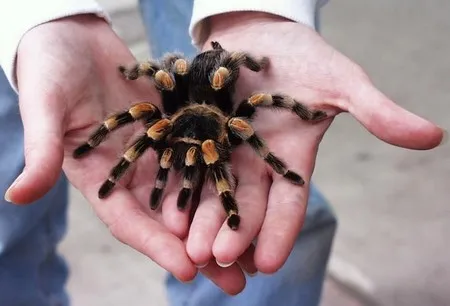
Handling a tarantula should be done with utmost care and consideration for the animal’s well-being. Not all tarantulas will tolerate being handled, and some species are more prone to defensiveness than others. Before attempting to handle your tarantula, assess its temperament and ensure it appears calm and receptive. If it shows any signs of defensiveness, it’s best to avoid handling it altogether. If your tarantula seems receptive, approach it slowly and gently. Never grab or try to force the tarantula. You can gently coax it onto your hand by slowly presenting your open palm, allowing it to walk onto your hand at its own pace. Always handle the tarantula over a soft surface, such as a bed or carpet, in case it falls. Always keep your movements slow and smooth. Do not handle your tarantula if you are feeling stressed or rushed. Always wash your hands after handling.
Tarantula Taming Tip 4 Understanding the Molting Process

The molting process is a critical phase in a tarantula’s life, and it’s essential to understand it to ensure your pet’s safety and well-being. During molting, the tarantula sheds its exoskeleton, growing a new one. The process is physically demanding, and the tarantula is vulnerable during this time. Before molting, the tarantula may become lethargic, stop eating, and build a web mat or burrow to protect itself. The molting process can take hours or even days, depending on the size and age of the tarantula. During this time, it’s crucial not to disturb the tarantula. Avoid handling it and minimize any disturbances near the enclosure. Providing the appropriate humidity and substrate will help the tarantula to molt successfully. Do not try to assist the tarantula during the molting process, as this can cause serious injury. After molting, the tarantula will be soft-bodied and vulnerable for a few days. Provide it with a safe environment until its new exoskeleton hardens. Understanding the molting process helps you to know when to give it some space.
Why Molting Matters in Taming
Molting is a significant factor in the taming process. It’s important to remember that tarantulas are particularly vulnerable during this time. Stressing your tarantula during a molt can be fatal. Avoid any interaction with your tarantula during this time. If your tarantula is molting, or about to molt, leave it alone. Do not attempt to handle it or make any changes to its enclosure. The molting process can vary in length depending on the species and size. Allow the tarantula to go through the process undisturbed. After molting, the tarantula will need time to harden its new exoskeleton before resuming normal activities. During this time, it’s also best to avoid handling your tarantula. By respecting the molting process, you demonstrate your understanding of your tarantula’s needs and build a foundation of trust and safety. Always keep in mind that the molting process matters, and respecting this process is key to a healthy tarantula.
Avoiding Stress During Molting
Stress can be detrimental to a tarantula during the molting process. Providing a stress-free environment is important for your tarantula’s health. Minimize disturbance during molting by avoiding sudden movements, loud noises, and bright lights. Ensure that the enclosure is set up correctly. The correct temperature and humidity levels will contribute to a successful molt. Ensure your tarantula has plenty of space to molt and a safe place to do so. Refrain from feeding your tarantula during the molting process. Allowing your tarantula to go through this natural process will build trust, and help you bond with your pet. If you have multiple tarantulas, make sure the enclosure is not too crowded. By minimizing stress during molting, you can increase the chances of a healthy and successful molt, fostering a better relationship.
Tarantula Taming Tip 5 Maintaining a Safe Habitat
Maintaining a safe habitat is fundamental to the taming process and overall well-being of your tarantula. A safe and comfortable environment minimizes stress and encourages a tarantula to exhibit its natural behaviors. The first step is to choose the right enclosure for your tarantula’s species and size. The enclosure should be appropriately sized. The enclosure must also be secure, with a tight-fitting lid to prevent escape. Ensure that the enclosure is properly ventilated to prevent the buildup of harmful gases. Provide a substrate that is suitable for the tarantula’s species, allowing it to burrow or climb as needed. The habitat should include hiding places, such as cork bark or artificial caves. Regularly clean and maintain the enclosure. Remove any uneaten food, old molts, and waste to prevent mold growth and maintain hygiene. Proper environmental care ensures the safety and health of your tarantula.
Choosing the Right Enclosure
Choosing the right enclosure is the first and most important step in creating a safe habitat. The enclosure should be made of a durable material such as glass or acrylic. The size of the enclosure should be appropriate for the tarantula’s size and species. Terrestrial species need more floor space than arboreal species, which prefer height. Ensure the enclosure has secure ventilation. The enclosure should have a secure lid to prevent escape, and the lid should be easy to open for cleaning and maintenance. Research the specific needs of your tarantula species. Consider the adult size of your tarantula when selecting an enclosure to make sure it will have enough space to live comfortably throughout its life. Choosing the right enclosure is a crucial step in providing a safe and comfortable home for your tarantula, and it will greatly impact your ability to tame it.
Regular Habitat Checks
Regular habitat checks are a critical part of keeping your tarantula safe and healthy. Check the enclosure daily for any signs of issues. Look for any uneaten food, which should be removed to prevent mold and bacterial growth. Inspect the substrate for cleanliness. Remove any waste and replace the substrate as needed. Monitor the temperature and humidity levels regularly. Adjust the heat source and misting schedule accordingly. Check the enclosure for any signs of damage or wear, such as cracks or loose parts. Replace any damaged items promptly. Ensure that the tarantula has access to fresh water. Regular habitat checks ensure the environment remains clean, safe, and suitable for your tarantula’s needs. These checks also help you to identify any potential problems before they escalate, contributing to the overall well-being of your pet.
Taming a tarantula is a journey of patience, understanding, and respect. By implementing these top 5 tips, you can foster a positive relationship with your pet. Remember that the goal is not to force a tarantula to be handled, but to create an environment where it feels safe and secure. This, in turn, can lead to a calmer demeanor and a more rewarding experience for both you and your eight-legged friend. Always prioritize the tarantula’s well-being and appreciate its unique behaviors. By following these guidelines, you will create a thriving environment where both you and your tarantula can coexist in harmony.