Striped Knee Tarantula: Introduction
The Striped Knee Tarantula, scientifically known as Aphonopelma seemanni, is a popular and captivating species among tarantula enthusiasts. Known for its striking appearance and relatively docile temperament, this tarantula offers a unique pet experience. This article will delve into five amazing facts about the Striped Knee Tarantula, exploring its physical characteristics, natural habitat, dietary habits, lifespan, and behavior. Whether you’re a seasoned arachnid aficionado or a curious newcomer, this guide will provide valuable insights into this fascinating creature, helping you appreciate its unique qualities and understand the essentials of its care. Discover what makes the Striped Knee Tarantula a standout in the world of tarantulas and why it continues to be a favorite among pet owners.
Appearance and Identification
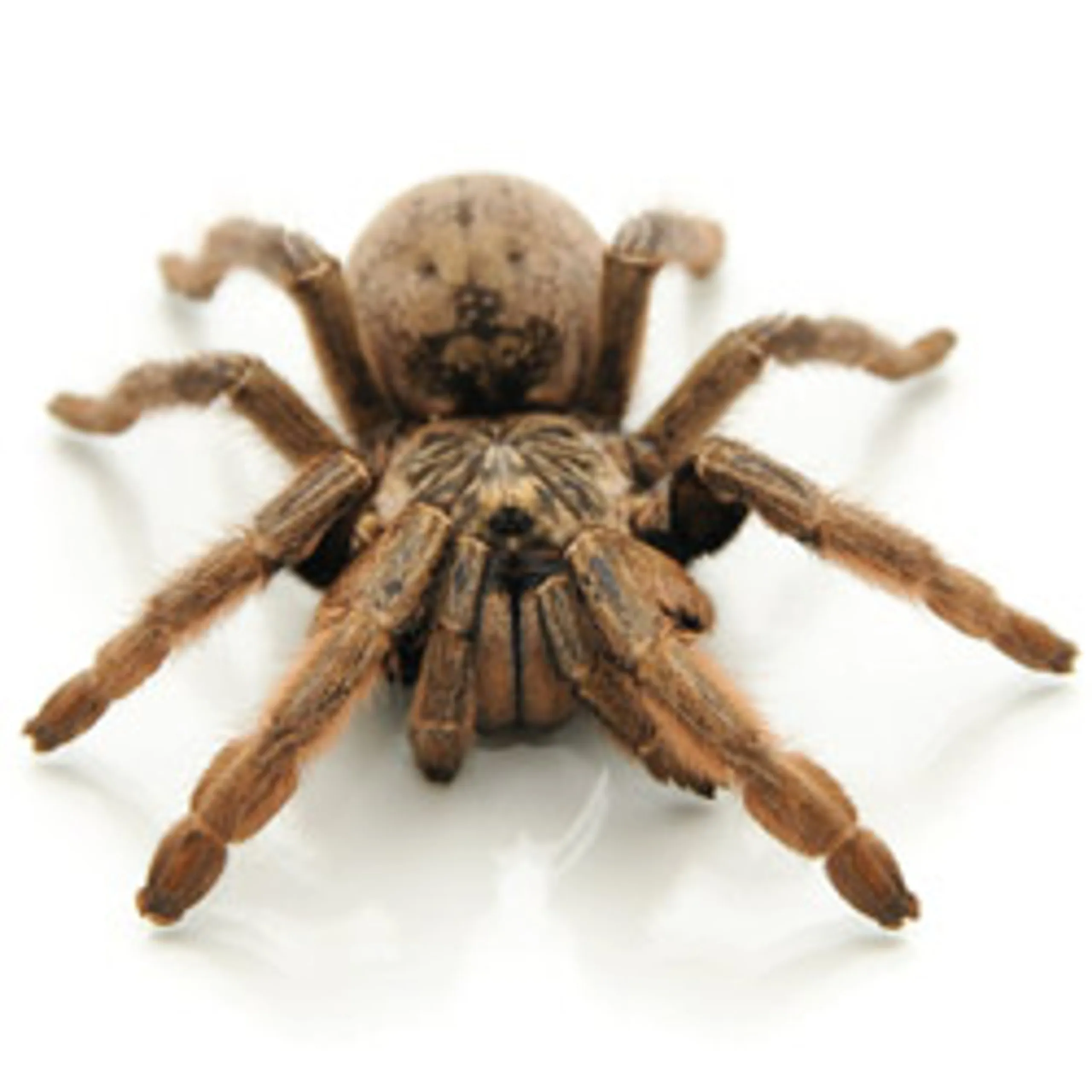
One of the most remarkable features of the Striped Knee Tarantula is its striking appearance, which significantly contributes to its popularity. The spider’s body is characterized by a dark, velvety carapace and abdomen, often ranging from dark brown to black. This dark coloration provides a striking contrast to the lighter stripes that adorn its legs, which is the feature that gives the tarantula its common name. These stripes, which can vary in shade from cream to yellow, are most prominent on the femurs (the third segment of the leg), giving the spider a unique visual appeal that immediately distinguishes it from other tarantula species. The overall look is one of elegance and visual interest, making it a sought-after pet for those who appreciate the beauty of exotic animals. The combination of dark and light hues creates an arresting visual pattern that is both attractive and fascinating to observe.
Distinctive Striped Markings

The striped markings on the legs are, of course, the defining characteristic. These stripes are not just a visual trait but also serve a purpose in camouflage. In their natural habitat, the alternating light and dark bands may help the tarantula blend in with its surroundings, providing some measure of protection from predators. The intensity and pattern of these stripes can vary slightly between individual tarantulas, adding to the unique appeal of each spider. These markings are most pronounced on the legs, but there might be subtle variations in color and pattern across the carapace and abdomen. These variations contribute to the individual beauty of each tarantula, making the identification process even more intriguing for enthusiasts. This unique appearance makes the Striped Knee Tarantula a standout in the tarantula world and a true marvel of nature’s artistry.
Size and Growth
The Striped Knee Tarantula is a relatively medium-sized tarantula species. When fully grown, the females typically reach a leg span of about 5 to 6 inches (13 to 15 cm), while males tend to be slightly smaller. The growth rate of a Striped Knee Tarantula can vary depending on factors such as diet, temperature, and humidity. Young tarantulas molt more frequently, shedding their exoskeletons as they grow. As they mature, the molting frequency decreases, with adults molting typically once a year or even less often. Proper care, including a balanced diet and a suitable environment, is essential to support healthy growth and molting. The size and growth of this species make it manageable as a pet, offering a rewarding experience for enthusiasts without requiring excessive space or specialized care conditions. Observing the growth of a Striped Knee Tarantula is a rewarding experience, as it sheds its exoskeleton to reveal its new, larger form.
Habitat and Natural Environment
Striped Knee Tarantulas originate from the tropical regions of Central America, including Costa Rica, Nicaragua, and parts of Honduras. Their natural habitats are characterized by warm temperatures and moderate humidity. They often inhabit grasslands, open forests, and scrublands. In the wild, these tarantulas are terrestrial, spending most of their time on the ground, either in burrows or under rocks and logs. Understanding their natural environment is crucial for replicating it in captivity, thus ensuring their well-being. The conditions in their native lands are generally warm and humid, with variations depending on the season. Recreating these conditions through appropriate temperature, humidity, and substrate is critical for their health and overall welfare. These spiders have adapted to thrive in these environments, making it essential to simulate these conditions in their enclosure to promote their natural behaviors.
Native Habitats

Striped Knee Tarantulas are well-adapted to their environment. Their habitats provide essential resources such as shelter, food, and protection from predators. They can often be found in areas with loose soil, which allows them to create burrows. They also seek refuge under rocks, logs, and leaf litter to avoid extreme temperatures and potential threats. The presence of these natural shelters is essential for their survival and contributes to their overall well-being. Understanding these habitats can guide the development of appropriate terrarium setups in captivity. The availability of food sources in these regions significantly impacts their diet and behavior. Replicating their native environment in captivity is key to ensure these tarantulas thrive.
Burrowing Behavior
One of the most fascinating aspects of their natural behavior is their propensity to burrow. In their natural habitat, Striped Knee Tarantulas create burrows in the ground, providing them with shelter and protection from predators and environmental extremes. They dig these burrows using their fangs and pedipalps, creating a secure, climate-controlled environment. In captivity, providing them with a substrate deep enough to burrow is critical to their welfare and psychological well-being. This behavior is instinctive, and it allows the tarantulas to regulate their body temperature and humidity levels. When setting up a terrarium, ensure a substrate that allows them to express this natural behavior. Observing a Striped Knee Tarantula engaging in burrowing behavior is a captivating glimpse into their natural instincts and adaptive strategies.
Diet and Feeding Habits
Striped Knee Tarantulas are opportunistic predators, feeding primarily on insects and other invertebrates. In the wild, their diet consists of a variety of prey, including crickets, grasshoppers, beetles, and occasionally smaller animals. In captivity, they can be easily fed with commercially available insects. The diet plays a crucial role in their growth and overall health. Providing a varied diet ensures that the tarantula receives all the necessary nutrients to thrive. Juvenile tarantulas require more frequent feeding than adults, reflecting their faster growth rate. A well-balanced diet, along with appropriate environmental conditions, contributes to a longer, healthier life. Adjusting the feeding schedule and prey types based on their growth stage can ensure optimal health. Monitoring their feeding habits and appetite is crucial for recognizing any health issues and adjusting the care routine as necessary.
Common Prey

The most common prey items include crickets, mealworms, and roaches, all of which are readily available and easy to manage. It’s essential to provide insects that are appropriately sized for the tarantula; the prey should be no larger than the tarantula’s body. The variety of prey can also be beneficial, as different insects provide different nutrients, ensuring a balanced diet. Gut-loading the insects before feeding them to the tarantula is a good practice, as it enriches the nutritional value of the prey. This involves feeding the insects with nutritious food such as vegetables and high-protein supplements. This ensures that the tarantula gets the necessary vitamins and minerals. Providing a diverse and gut-loaded diet helps maintain the tarantula’s health and vitality, ensuring it lives a long and active life.
Feeding Frequency
The feeding frequency of a Striped Knee Tarantula varies with age and size. Spiderlings and juveniles typically need to be fed more frequently, often every few days, as they are actively growing and molting. Adult tarantulas, on the other hand, can be fed less often, perhaps once or twice a week, or even less. Overfeeding can lead to health problems, so it is essential to adjust the feeding schedule based on the individual spider’s appetite and activity level. Always remove any uneaten prey within 24 hours to maintain a clean terrarium environment. Monitoring the tarantula’s abdomen is also an essential part of determining how often to feed it. A plump abdomen indicates a well-fed tarantula, while a thin abdomen might suggest the need for more frequent feedings. Regular monitoring of both appetite and abdomen size enables you to fine-tune the feeding schedule for optimal health.
Lifespan and Life Cycle
One of the most intriguing aspects of the Striped Knee Tarantula is its lifespan and life cycle. Females of this species are known for their longevity, often living for 10 to 15 years or even longer in captivity. Males, however, have a significantly shorter lifespan, typically living only a few years after reaching maturity. The life cycle of the Striped Knee Tarantula includes several stages: egg, spiderling, juvenile, and adult. The molting process is critical for their growth, as they shed their exoskeletons to accommodate their expanding bodies. Proper care throughout these different life stages is crucial to ensure a long and healthy life. The dramatic difference in lifespan between males and females highlights the unique reproductive strategies of this species.
Molting Process

Molting is a fundamental part of a tarantula’s life cycle, allowing it to grow and replace damaged or worn parts. Before molting, the tarantula usually becomes less active and may refuse food. The tarantula will then lie on its back, and the exoskeleton will split open, allowing the spider to emerge in a new, larger form. During this process, the tarantula is extremely vulnerable, and it’s essential to avoid disturbing it. The new exoskeleton is soft initially and hardens over several days. During this period, the tarantula should be left undisturbed. After molting, the tarantula’s colors are often more vibrant than before. The molting process can take several hours and requires a safe, undisturbed environment to complete successfully. Proper humidity and a secure enclosure are crucial for a successful molt, promoting healthy growth and maintaining the tarantula’s well-being.
Sexual Maturity
Sexual maturity is a significant milestone in the life cycle of a Striped Knee Tarantula. The timing varies depending on factors such as diet, temperature, and overall health. Males typically reach maturity faster than females, often within 2 to 3 years. Females take longer, potentially 4 to 5 years before reaching sexual maturity. Once a male reaches maturity, it develops specialized structures called “bulbs” on the pedipalps, which it uses for mating. Females may also develop a more robust and rounded abdomen when mature. Recognizing the signs of maturity helps tarantula keepers provide appropriate care. Understanding sexual maturity is essential for anyone interested in breeding these tarantulas. The lifespan and reproductive characteristics are key aspects of the Striped Knee Tarantula’s biology.
Temperament and Handling
Striped Knee Tarantulas are generally known for their relatively docile temperament, making them a good choice for beginner tarantula keepers. They are less prone to biting compared to some other tarantula species, though it’s still important to exercise caution when handling them. While their temperament is generally calm, each tarantula has its own unique personality, and some individuals may be more skittish or defensive than others. Proper handling techniques and a calm approach are essential for ensuring a safe experience for both the tarantula and the handler. It’s important to remember that tarantulas are delicate creatures, and any handling should be done with care and respect. Understanding their behavior and respecting their boundaries is essential for a positive experience.
Handling Considerations

When handling a Striped Knee Tarantula, always do so close to the ground to minimize the risk of injury if the spider falls. Avoid sudden movements and loud noises, which can startle the tarantula and cause it to react defensively. Gently coaxing the tarantula onto your hand, rather than grabbing it, can help build trust. If you must move the tarantula, use a soft brush or a cup to guide it. Always supervise children when they are interacting with the tarantula. Before and after handling, wash your hands thoroughly. Regular handling is not necessary for the tarantula’s well-being. Over-handling can cause stress and may potentially lead to injury. The safety of both the tarantula and the handler should always be the priority when handling this species.
Defensive Behaviors
Even though Striped Knee Tarantulas are generally docile, they can exhibit defensive behaviors if they feel threatened. These behaviors include flicking urticating hairs from their abdomen (which can cause skin irritation in humans), raising their front legs in a threat posture, or, rarely, attempting to bite. Urticating hairs are a primary defense mechanism; handling should be done carefully to avoid agitation. Understanding these defensive mechanisms allows you to respond appropriately and minimize stress for the spider. Observing your tarantula’s behavior helps you anticipate its reactions and handle it with greater care. If a tarantula appears agitated, it is best to leave it alone and allow it to calm down. Recognize the spider’s signals and respect its boundaries to maintain a positive interaction.
Striped Knee Tarantula: Conclusion
The Striped Knee Tarantula is a remarkable species. With its stunning appearance, manageable size, and relatively docile temperament, the Striped Knee Tarantula offers a rewarding experience for both novice and experienced tarantula enthusiasts. Providing a suitable habitat, balanced diet, and careful handling practices will ensure these fascinating creatures thrive. Their lifespan, unique behaviors, and striking looks make them a captivating addition to any collection. By understanding their specific needs and characteristics, you can fully appreciate the beauty and wonder of the Striped Knee Tarantula. Whether you are considering getting a Striped Knee Tarantula or are already an owner, you can use the information here to provide them with the best possible care and appreciation.