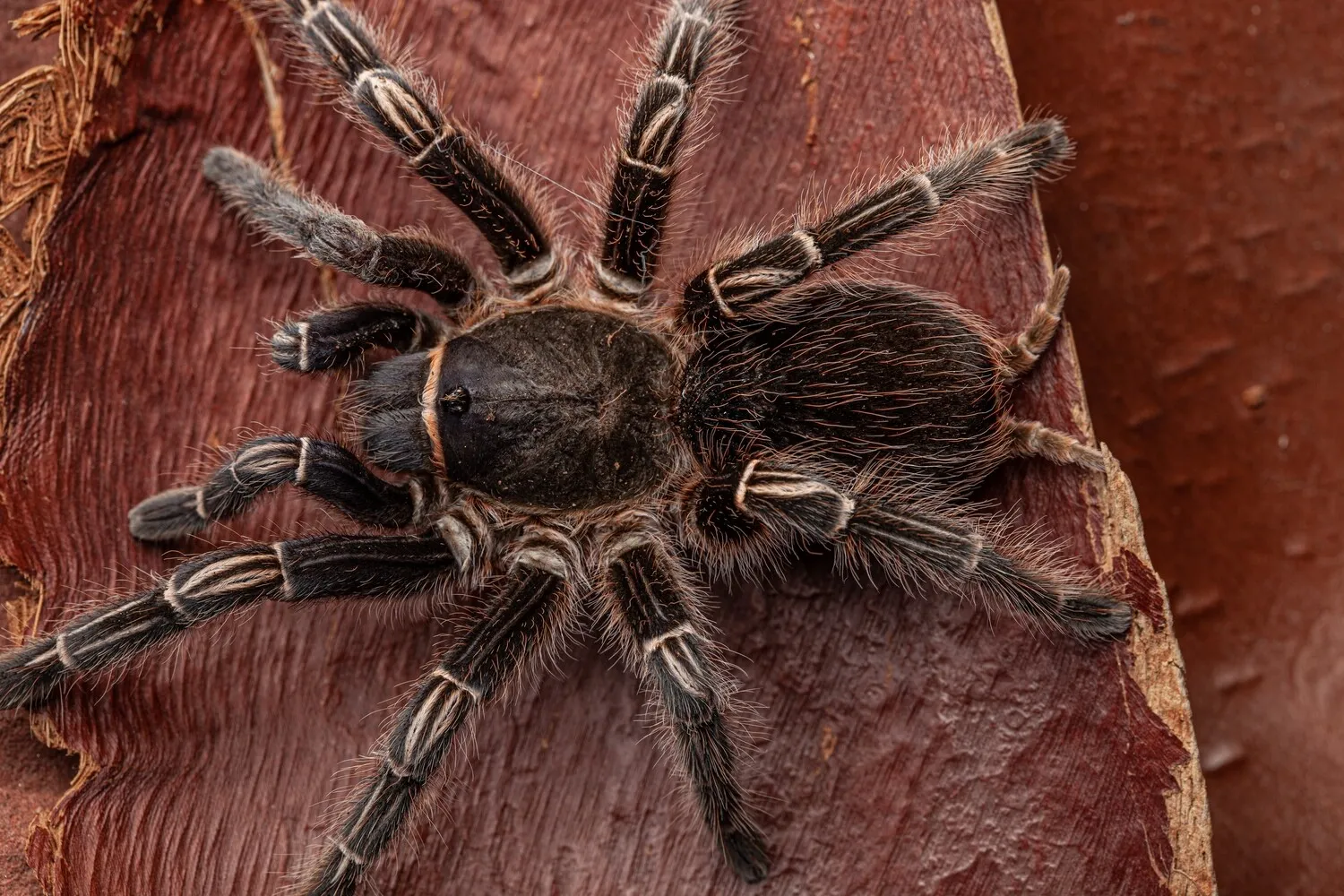
Top 5 Tips for Striped Knee Tarantula Care
The Striped Knee Tarantula, also known as Aphonopelma seemanni, is a captivating and relatively docile species, making it a popular choice for beginner and experienced tarantula keepers. Their striking black and white striped legs and overall hardiness contribute to their appeal. However, providing proper care is crucial for their well-being. This guide provides the top 5 essential tips to ensure your Striped Knee Tarantula thrives in a captive environment. Following these guidelines will help you create a healthy and enriching habitat for your fascinating pet, allowing you to enjoy observing its unique behaviors and appreciate its beauty for years to come. Proper care translates to a long and happy life for your tarantula, making it a rewarding experience for any arachnid enthusiast. This also helps in the conservation of the species since captive-bred tarantulas are often more sustainable pets.
Tip 1 Habitat Setup
Creating an appropriate habitat is the foundation of Striped Knee Tarantula care. The enclosure should mimic their natural environment as closely as possible, providing a secure and comfortable space. The right setup prevents stress, promotes natural behaviors, and ensures your tarantula’s overall health and longevity. The size, substrate, and decorations all contribute to the ideal environment. Neglecting these aspects can lead to problems such as molting difficulties, loss of appetite, and even premature death, making careful planning essential for successful tarantula keeping. A well-designed habitat isn’t just about aesthetics; it’s a crucial component of responsible pet ownership.
Enclosure Size and Type

A juvenile Striped Knee Tarantula can thrive in a small enclosure, such as a 5-10 gallon tank or a similarly sized plastic terrarium. As they grow, they will need larger accommodations. An adult Striped Knee Tarantula requires an enclosure that is at least 10 gallons, or ideally a 20-gallon long tank, providing ample floor space for burrowing and movement. A front-opening terrarium is often preferred for easier access and viewing. Make sure the enclosure is well-ventilated to prevent the buildup of stale air and the growth of mold, but also has a secure lid to prevent escapes, which are common for these terrestrial spiders. Choosing the appropriate size from the start avoids the need for frequent moves, which can be stressful for the tarantula. Remember, space is crucial for the tarantula to feel safe and to exhibit its natural behaviors.
Substrate and Decor
The substrate should be several inches deep to allow for burrowing. A mixture of peat moss, coconut fiber (eco earth), and a small amount of vermiculite works well, retaining moisture and allowing the tarantula to create a burrow. Avoid using substrates that are too dusty or that can harbor mites. Decorate the enclosure with a hide, such as a piece of cork bark or a half-log, where the tarantula can retreat to feel secure. Artificial plants and sturdy decorations can add visual interest and provide additional hiding spots. Ensure that any decorations are stable and cannot fall on the tarantula, potentially causing harm. The goal is to create a naturalistic environment that mimics the tarantula’s native habitat, promoting its well-being. Remember to regularly clean the enclosure to maintain its hygiene. (striped-knee-tarantula-substrate.webp)
Tip 2 Temperature and Humidity
Maintaining the correct temperature and humidity levels is vital for the health of your Striped Knee Tarantula. These environmental factors play a critical role in molting, appetite, and overall activity. Fluctuations outside the ideal ranges can lead to stress, health issues, and even death. Regular monitoring and adjustments are necessary to ensure a comfortable and thriving environment for your pet. This also prevents dehydration, which is a common issue with captive tarantulas if their environment is not properly managed. Providing the right conditions will increase the chances of witnessing their natural behaviors and appreciate their unique traits.
Ideal Temperature Range

The ideal temperature range for a Striped Knee Tarantula is between 75-85°F (24-29°C). Maintaining a consistent temperature is more important than hitting an exact number. Use a heat mat or a low-wattage heat lamp to achieve the desired temperature, but never place the heat source directly inside the enclosure; instead, attach it to the side or underneath the tank. Always monitor the temperature using a reliable thermometer placed within the enclosure to ensure it’s within the correct range. Avoid placing the enclosure in direct sunlight, which can lead to overheating. A consistent temperature ensures your tarantula has a healthy metabolism and a good appetite, which are crucial for its growth and development. (striped-knee-tarantula-temperature.webp)
Maintaining Humidity Levels
Humidity levels for Striped Knee Tarantulas should be maintained between 60-70%. This can be achieved by lightly misting the enclosure with dechlorinated water every few days, paying attention to the substrate, which should be slightly moist but not waterlogged. Adequate ventilation is crucial to prevent mold growth while maintaining humidity. Avoid excessive misting, which can lead to respiratory problems. Using a hygrometer to monitor humidity levels is highly recommended. During the molting process, humidity is extremely important, and a slight increase in humidity may be beneficial. By keeping an eye on these conditions, you can successfully recreate the optimal environmental conditions for your pet.
Tip 3 Feeding Your Tarantula
Feeding is a key aspect of tarantula care, requiring both the right food and a suitable feeding schedule. Understanding the nutritional needs of your Striped Knee Tarantula and avoiding common feeding mistakes is critical to keeping your pet healthy and happy. Adjusting your feeding approach based on your tarantula’s life stage and behavior can lead to better overall health. Proper feeding ensures they have the energy for all their natural behaviors, including molting, burrowing, and mating. The following recommendations will help you develop a sound feeding plan for your Striped Knee Tarantula and observe its development.
Appropriate Food Choices

The Striped Knee Tarantula is an insectivore, meaning its diet should primarily consist of insects. Appropriate food choices include crickets, dubia roaches, mealworms, and other commercially available feeder insects. It is important to vary the diet to provide a range of nutrients. Always dust feeder insects with a calcium and vitamin supplement, especially during molting. Avoid feeding wild-caught insects, as they may carry parasites or pesticides that can harm your tarantula. The size of the prey should be appropriate for the tarantula’s size; generally, the prey should be no larger than the tarantula’s body. Always remove uneaten food within 24 hours to prevent mold and mite infestations. (striped-knee-tarantula-feeding.webp)
Feeding Frequency
Juvenile Striped Knee Tarantulas should be fed 2-3 times a week, while adults can be fed once a week or every other week, depending on their appetite. Observe your tarantula’s feeding habits; if it stops eating or refuses food, it may be preparing to molt. Overfeeding can be detrimental, so avoid offering food too frequently. Provide fresh water in a shallow dish at all times. Adjust the feeding schedule based on the tarantula’s growth stage; younger tarantulas require more frequent meals than adults. A healthy tarantula will have a good appetite and be active. Remember, a well-fed tarantula is a happy tarantula. Monitor their abdomen size to gauge their level of food consumption.
Tip 4 Handling and Safety
Handling Striped Knee Tarantulas should be approached with caution, as they can bite if they feel threatened. Understanding their behavior and practicing safe handling practices will protect both you and your pet. It is generally recommended to minimize handling, as it can cause stress to the tarantula. However, if handling is necessary, following these guidelines will reduce the risk of bites or other incidents. Learning to respect their boundaries and understanding their needs will enhance your overall care experience and help you to appreciate these amazing creatures. With proper precautions, you can handle your tarantula safely.
Safe Handling Practices

If you choose to handle your Striped Knee Tarantula, do so with extreme caution. Avoid handling the tarantula if it is agitated or appears stressed. Do not approach the tarantula from above; instead, gently coax it onto your hand. Handle over a soft surface, such as a bed or a carpet, to minimize the risk of injury if the tarantula falls. Wash your hands thoroughly before and after handling to prevent the transfer of bacteria or chemicals. Never force a tarantula to be handled and always allow it to move at its own pace. Keep your movements slow and deliberate to avoid startling the tarantula, and always be mindful of its behavior and surroundings. (striped-knee-tarantula-handling.webp)
Understanding Tarantula Behavior
Learn to recognize signs of stress in your tarantula, such as raising its front legs, flicking hairs from its abdomen (urticating hairs), or a defensive posture. These are indications that the tarantula feels threatened and you should not attempt to handle it. Familiarize yourself with the tarantula’s molting cycle, during which they are especially vulnerable and should not be disturbed. Observe the tarantula’s behavior patterns to understand its personality and preferences. A healthy Striped Knee Tarantula will exhibit natural behaviors, such as burrowing, eating, and occasionally displaying its striking appearance. The more you know about your tarantula’s behavior, the better you’ll be able to avoid any stressful situations and to properly provide for its needs.
Tip 5 Health and Wellbeing
Maintaining the health and wellbeing of your Striped Knee Tarantula requires diligent observation and preventative care. Knowing how to recognize common health issues and taking steps to prevent them will ensure that your tarantula lives a long and healthy life. This includes regular inspections of their environment and being prepared for possible issues. Regularly assessing your tarantula’s physical condition, feeding habits, and behavior is essential to identifying any problems early on. Creating a safe and healthy environment is key to preventing stress and illness, while also ensuring they thrive in their enclosure.
Recognizing Common Health Issues

Common health issues to watch out for include mites, which are tiny parasites that can infest the tarantula or its enclosure. Look for small, moving specks on the tarantula or substrate. Molting problems, such as the inability to shed the old exoskeleton completely, can also occur. Other signs to look for include lethargy, loss of appetite, or unusual behaviors. If you suspect your tarantula is ill, isolate it and seek advice from an experienced tarantula keeper or a veterinarian specializing in exotic animals. Addressing health issues promptly can improve the tarantula’s chances of a full recovery. (striped-knee-tarantula-health.webp)
Preventative Care
Provide a clean and properly maintained enclosure. Quarantine new tarantulas before introducing them to your collection to prevent the spread of parasites or diseases. Regularly inspect the enclosure and substrate for any signs of mold or mites. Maintain appropriate temperature and humidity levels to minimize stress. Ensure that the tarantula has access to fresh water. Supplement the diet with calcium and vitamins, especially during molting. Feed the tarantula a balanced diet to maintain its health. With these preventative measures, you can keep your Striped Knee Tarantula healthy and thriving. Remember, prevention is key to avoiding health issues and ensuring your tarantula’s well-being.