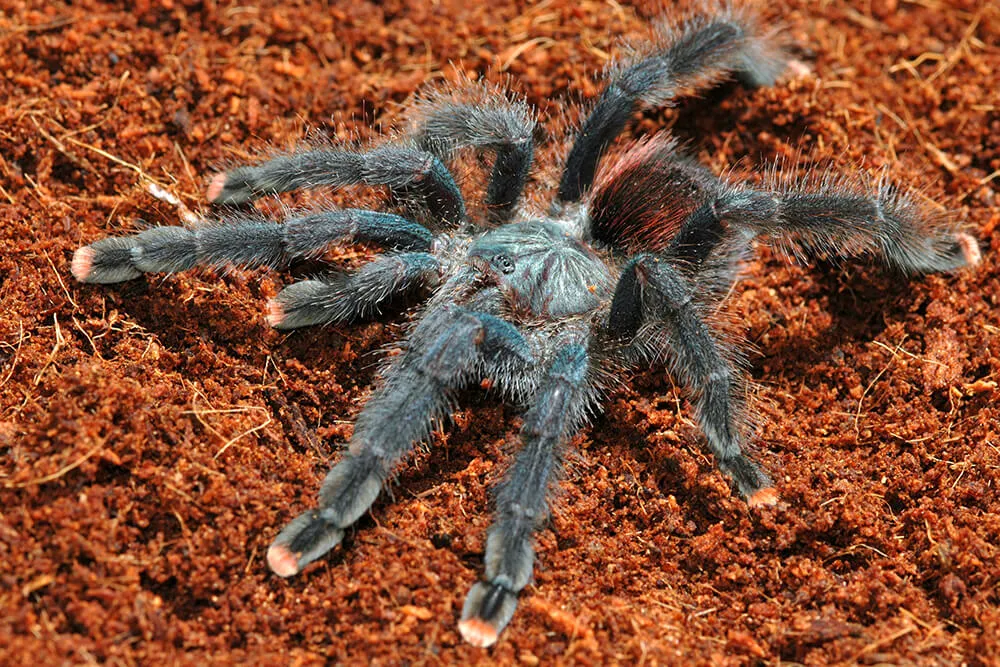
What are Sound Tarantulas
Sound tarantulas are fascinating creatures, belonging to the Theraphosidae family, known for their ability to produce sounds. Unlike many other arachnids, these spiders have developed unique methods of communication and defense through sound production. This remarkable adaptation sets them apart, making them a captivating subject for both researchers and enthusiasts. These sounds, ranging from hisses to stridulations, serve various purposes, providing valuable insights into their behavior, social interactions, and survival strategies. Understanding the nature of sound in tarantulas enhances our appreciation for these intriguing animals and their place in the ecosystem. Sound tarantulas can be found in various habitats across the globe, from tropical rainforests to arid deserts, each species exhibiting unique acoustic characteristics.
The Stridulation Process
Stridulation is the primary method by which many tarantulas generate sound. This process involves rubbing two body parts together, usually the chelicerae (mouthparts) against the legs, or the legs against each other, to produce a chirping or hissing noise. The specific structures used and the resulting sound vary among different species of tarantulas. This adaptation is essential for communication, defense, and attracting mates, and is a key feature that distinguishes them from other arachnids. The sound produced can vary from soft rustling to a loud hiss, depending on the tarantula’s species and the situation. This method of sound production is crucial to their survival and reproductive success.
The Anatomy of Sound Production

The anatomy involved in sound production in tarantulas is complex and varies significantly across different species. Many tarantulas possess specialized structures on their legs and chelicerae designed for stridulation. These structures, often consisting of ridges, bristles, or modified hairs, interact to create the sound. The sound is amplified by the tarantula’s body cavity, which acts as a resonating chamber, enhancing the audible effect. The precise arrangement and characteristics of these structures determine the type of sound produced, contributing to the distinct acoustic profiles of different tarantula species. This anatomical specialization underlines the evolutionary significance of sound production in these animals.
The Sound of Tarantulas
The sounds produced by tarantulas are diverse, ranging from subtle rustles to pronounced hisses. These sounds are not only interesting in their variety but also provide valuable information about the tarantulas’ behavior and environment. The sounds are often related to their emotional state and are influenced by environmental factors. Knowing the different types of sounds can help enthusiasts understand what their tarantulas are experiencing. Whether it’s a sign of aggression, a mating call, or a warning signal, the ability to interpret these sounds adds an extra layer to the experience of keeping or observing tarantulas.
Types of Sounds
Tarantulas produce a range of sounds, including hisses, chirps, and stridulations. Hissing is often a defensive sound, produced when the tarantula feels threatened. Chirping and stridulation can be used for communication or mating. The exact sounds and their meanings vary among different species. Some species might produce a rasping sound by rubbing their legs together, while others may create a buzzing noise. These variations offer a glimpse into the diverse communication strategies employed by tarantulas. The combination of these sounds and their associated behaviors provide insights into how they survive and interact within their environments. Observing these sounds offers a deeper appreciation for the complexity of tarantula behavior.
Frequency and Intensity

The frequency and intensity of the sounds produced by tarantulas vary based on the species, the situation, and the individual spider. The frequency, measured in Hertz (Hz), determines the pitch of the sound, while the intensity, measured in decibels (dB), determines the loudness. These characteristics are influenced by the size of the tarantula, the structures used for sound production, and the context in which the sound is produced. For instance, a threat display might involve a loud, low-frequency hiss, while a mating call might be a series of softer, higher-frequency chirps. Understanding these variations can aid in the accurate interpretation of tarantula behavior and its immediate surroundings.
Why Tarantulas Make Sounds
Tarantulas utilize sound production for various purposes. Communication, defense, and mating are the primary reasons they make sounds. These sounds convey essential information, such as warnings, threats, and invitations. By understanding the context in which these sounds occur, enthusiasts can better understand the tarantula’s intent and behavior. The ability to produce sound provides tarantulas with a distinct advantage in their natural environments, allowing them to thrive in diverse habitats by effectively communicating with others.
Communication
Sound plays a crucial role in tarantula communication, facilitating interactions within their social environments. Tarantulas use sound to communicate with each other, whether it’s to signal a threat, establish dominance, or coordinate mating rituals. These communications are vital to their survival and social dynamics. Different species employ various methods, from subtle rustling to distinct chirps, enabling them to convey messages over distances and under various conditions. This type of sound communication provides vital information, contributing to the species survival. Understanding the specific sounds can offer clues into their social hierarchies and overall well-being.
Defense Mechanisms

Tarantulas use sound as a key part of their defense mechanisms. When threatened, a tarantula may hiss or stridulate to ward off potential predators. This aggressive display serves as a warning, signaling the threat to back away. The sound is intended to startle the predator, buying the tarantula time to escape. This can be effective against both small and large threats. The sound production, combined with their defensive posture, makes them less appealing targets. In addition to sounds, they may also kick off urticating hairs, further enhancing their defenses.
Mating Rituals
Sound plays a significant role in tarantula mating rituals, with males often producing specific sounds to attract females. These sounds act as courtship signals, indicating the male’s presence and willingness to mate. The sounds can vary in intensity and frequency, depending on the species, and often include a combination of stridulations and vibrations. These intricate rituals are a crucial part of reproduction, and they provide clues as to the specific traits and mating preferences of each species. The male’s ability to produce attractive sounds increases his chances of successful mating and contributes to the continuation of the species. This complex dance between sound and behavior highlights the sophistication of tarantula mating strategies.
5 Amazing Facts about Sound Tarantulas
Fact 1 Unique Sound

Each species of sound tarantula produces its unique sounds, making them identifiable by sound alone. These distinct sounds serve as a kind of acoustic fingerprint, allowing experts to identify species in the wild or in captivity. These unique sounds are determined by the specialized structures within their anatomy, and the specific stridulation processes they employ. This level of auditory diversity adds to the remarkable diversity of these spiders, and enhances their ability to communicate and interact with their surroundings. This fact is great for those fascinated by the intricate world of tarantulas.
Fact 2 Species-Specific Sounds
The sounds produced by tarantulas are highly species-specific, offering a valuable tool for identification. The unique sounds enable researchers and hobbyists to differentiate between various tarantula species even without visual identification. These subtle differences in sound, pitch, and frequency help pinpoint specific species in different regions. This remarkable characteristic underlines the evolutionary significance of sound production, and it provides valuable insights into the complex interactions within the ecosystem. These sounds serve as a fundamental part of the classification, and overall understanding of the various species of tarantulas.
Fact 3 Sound and Size Correlation
There is a correlation between a tarantula’s size and the sound it produces, with larger species generally producing lower-frequency sounds. The size of the spider influences the dimensions of the sound-producing structures and the size of the resonating chamber. This natural phenomenon is a key aspect of their behavior and is a result of their physical attributes. The larger a tarantula is, the deeper and louder its hisses or stridulations will be. The size correlation is a fascinating characteristic of sound tarantulas, and it offers a fascinating glimpse into the diverse adaptations in nature. This has significant implications for identification.
Fact 4 Sound and Habitat

The habitat of a sound tarantula can affect the type and characteristics of sounds it produces. In dense environments, sounds might be lower in frequency to travel further. In more open habitats, sounds might be higher pitched. These subtle shifts in sound characteristics are adaptations to their surrounding environment. This connection emphasizes the influence of natural selection on tarantula behavior and the evolution of their communication strategies. The sound characteristics can provide insights into the specific environments they inhabit. This habitat dependency is a testament to the tarantula’s adaptability.
Fact 5 Sound and Predators
Sound is a critical factor in a tarantula’s interaction with predators. These spiders often use sound as a defensive mechanism to deter potential threats. The hissing or stridulation serves as a warning, indicating that the tarantula is ready to defend itself. The intensity and type of the sound can vary depending on the predator’s size and the level of perceived threat. The sounds serve as a critical element of their survival strategy, providing them with a means of self-preservation. This highlights the significance of sound in the tarantula’s life, and how they use sound to survive.
Caring for a Sound Tarantula
Caring for a sound tarantula involves understanding its specific needs and providing an environment in which it can thrive. This includes the appropriate habitat, diet, and handling practices. Ensuring these needs are met is crucial to the tarantula’s health, well-being, and ability to display its natural behaviors. The more you know about your tarantula, the better you will be equipped to care for it. A healthy tarantula exhibits its natural behavior, including the sounds they produce. The correct care will improve your enjoyment of these amazing creatures.
Habitat Considerations

Creating a suitable habitat for a sound tarantula involves several factors, including the size of the enclosure, substrate type, temperature, and humidity. The size of the enclosure should accommodate the tarantula’s size, providing adequate space for movement and burrowing. The substrate should be appropriate for the species, allowing it to burrow and maintain appropriate moisture levels. Temperature and humidity levels are critical, and must mimic the tarantula’s natural environment. Regular maintenance, including cleaning and ensuring proper ventilation, is also essential. Providing a suitable habitat promotes the well-being of the tarantula, which enables it to live a healthy and happy life. A comfortable environment also increases the chances you’ll hear the sounds it makes.
Feeding and Diet
Proper feeding is crucial for the health and well-being of a sound tarantula. The diet of a tarantula should consist primarily of insects, such as crickets, cockroaches, and mealworms, depending on the species. The frequency of feeding depends on the tarantula’s age and the species. Always offer appropriately sized prey. Water should always be available, often provided through a shallow water dish or a misting schedule. Regular monitoring of the tarantula’s feeding habits and body condition is essential to identify any health issues. A well-nourished tarantula is more likely to produce sounds. A balanced diet supports its overall health and vitality.
Handling and Safety
Handling sound tarantulas should be done with caution and respect, as they can bite if they feel threatened. Before attempting to handle a tarantula, it’s essential to understand its temperament and any potential signs of aggression. Use tools like a soft brush or a cup to gently guide the tarantula. Always avoid sudden movements. Always wash your hands before and after handling to prevent the spread of any potential contaminants. Prioritizing safety for both the tarantula and the handler is important. Proper handling techniques reduce the risk of bites and promote a positive experience for both parties, and allows you to enjoy the sounds of your tarantula more frequently.
Conclusion

Sound tarantulas offer a unique insight into the fascinating world of arachnids, showcasing their remarkable abilities in communication, defense, and adaptation. From the intricacies of stridulation to the fascinating facts about their diverse sounds, these creatures continue to captivate researchers and enthusiasts alike. Understanding the sounds they make, their functions, and their significance allows us to appreciate these animals better. As we continue to learn more about sound tarantulas, we gain a deeper appreciation for their place in the ecosystem and their remarkable survival strategies. Their existence reminds us of the wonders of the natural world.