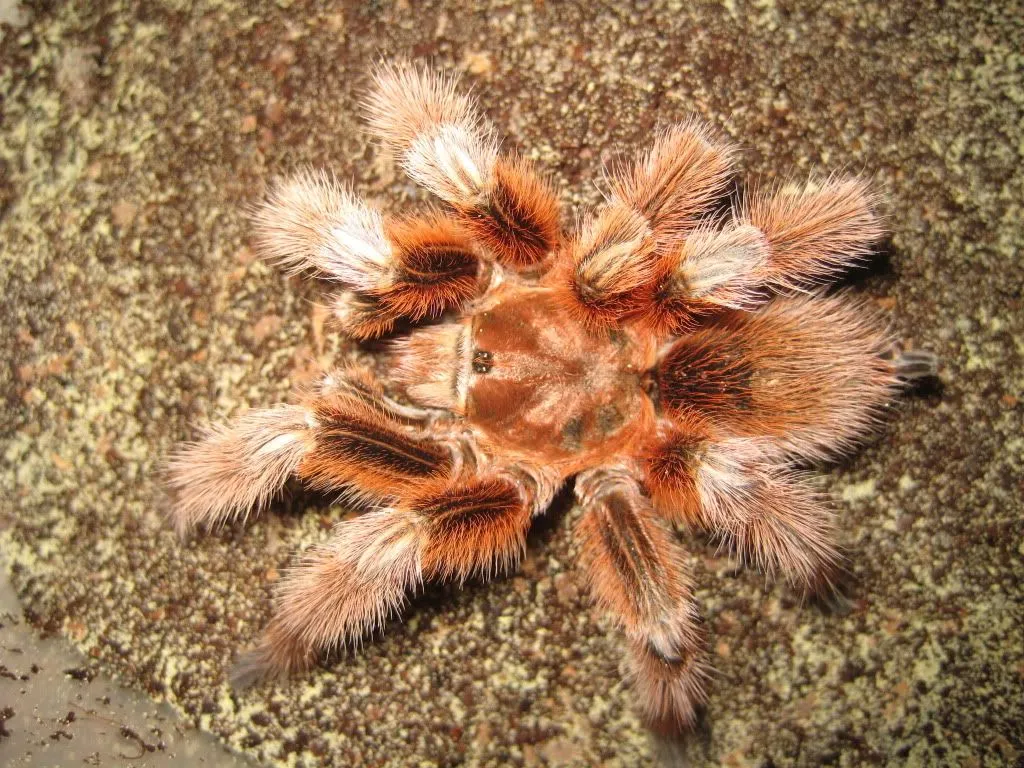
Top 5 Facts About Rose Hair Tarantula Venom
The rose hair tarantula, a popular pet due to its docile nature and striking appearance, is often misunderstood, particularly concerning its venom. While these spiders are venomous, the rose hair tarantula’s venom is generally not considered life-threatening to humans. However, it’s crucial to understand the facts surrounding their venom to ensure responsible pet ownership and to address any potential concerns. This article delves into five key facts about rose hair tarantula venom, dispelling myths and providing a clear understanding of its effects.
What is Rose Hair Tarantula Venom
Rose hair tarantula venom is a complex mixture of proteins, enzymes, and other compounds produced within specialized glands located in the spider’s fangs. This venom serves multiple purposes for the tarantula including subduing prey and for defense. Unlike some spider species, the primary function of rose hair tarantula venom is not to kill, but rather to immobilize its food allowing the spider to begin the digestive process. The venom works by affecting the nervous systems of its prey, causing paralysis. For humans, the venom’s effect is significantly less severe, often causing localized pain and discomfort.
Composition of the Venom

The exact composition of rose hair tarantula venom varies slightly between individual spiders, but generally includes a mix of enzymes, peptides, and small proteins. These compounds target specific receptors in the nervous system. Scientists are still studying the specific effects of each component. Some components act as neurotoxins, which interfere with nerve function, leading to muscle spasms or paralysis in prey. Other components may contribute to localized inflammation and pain at the bite site. The research in this area is ongoing to better understand how the venom functions at a molecular level and how it might affect the tarantula’s prey and potential victims.
Fact 1 Pain Level
The pain experienced from a rose hair tarantula bite is generally described as similar to a bee sting or a mild wasp sting. The level of pain varies from person to person and is influenced by factors such as individual pain tolerance, the amount of venom injected, and the location of the bite. While some individuals may experience minimal discomfort, others might feel a sharper pain initially, followed by a dull ache. Unlike some spider bites that can cause significant systemic symptoms, the pain from a rose hair tarantula bite is usually localized to the bite area, and typically subsides within a few hours or a day.
Fact 2: Symptoms of a Bite
The primary symptoms of a rose hair tarantula bite usually include immediate pain at the bite site, redness, and localized swelling. The area may feel warm to the touch. Other symptoms that may occur are itching, muscle cramps, and in rare cases, mild nausea or dizziness. These symptoms typically resolve on their own without medical intervention. It’s important to monitor the bite area for any signs of infection, such as increased redness, pus, or fever, as these may require medical attention. If an allergic reaction occurs, such as difficulty breathing, swelling of the face or throat, or severe rash, seek immediate medical attention. The symptoms are typically localized and not severe.
Fact 3 Medical Treatment

Medical treatment for a rose hair tarantula bite is usually supportive. Cleaning the bite area with soap and water is the first step to prevent infection. Applying a cold compress to the area can help reduce pain and swelling. Over-the-counter pain relievers, such as ibuprofen or acetaminophen, can be used to manage discomfort. Antihistamines may be helpful if itching is present. In rare cases where allergic reactions are suspected, a healthcare professional might administer antihistamines or epinephrine. If any symptoms of infection develop, medical advice should be sought for further evaluation. Typically, the treatment is focused on relieving symptoms and preventing secondary complications like infection.
Fact 4: Effects on Humans
The effects of rose hair tarantula venom on humans are generally mild. The bite itself is often more startling than the venom’s effects. The most common effects include localized pain, redness, and swelling at the bite site. Some individuals may experience mild muscle cramps or itching. Systemic reactions are rare, but allergic reactions can occur in sensitive individuals. Most people recover fully within a day or two without any long-term effects. Unlike bites from some other spider species, rose hair tarantula bites rarely cause serious health complications. It’s essential to seek medical attention if any severe symptoms develop.
Fact 5: Is it Dangerous
Rose hair tarantula venom is not considered highly dangerous to humans. While the bite can be painful and cause localized symptoms, it is not typically life-threatening. The venom is not potent enough to cause significant systemic effects in most people. However, there is always a risk of allergic reaction or secondary infection. It is essential to monitor the bite site and seek medical advice if any unusual symptoms occur. The danger level is relatively low when compared to some other venomous creatures, the primary concern related to this spider is the immediate and local effects of the bite.
The Science Behind the Venom

How Venom Works
Rose hair tarantula venom works by a combination of mechanisms. Upon injection, the venom’s components begin to affect the nervous system of the prey. The venom contains neurotoxins, which interfere with nerve signal transmission, leading to paralysis or immobilization of the prey, making it easier for the tarantula to capture and consume. Enzymes in the venom aid in the breakdown of tissues, helping the tarantula digest its meal more efficiently. The venom also contains compounds that cause localized pain and inflammation in the bite area. This can assist in deterring potential threats or predators. The entire process underscores the complexity of the venom.
Research and Studies
Research into rose hair tarantula venom is ongoing. Scientists are working to identify and characterize the various components of the venom and understand their specific biological effects. Studies involving the venom components may lead to advancements in understanding how these compounds interact with the nervous systems of both prey and predators. Moreover, research into tarantula venom is being conducted to discover potential medical uses, specifically looking at the possibility of developing new pain medications or other therapeutic treatments based on the venom’s unique properties. The scientific investigation is focused on the molecular aspects of the venom.
Venom and Defense Mechanisms

How Tarantulas Use Venom
Rose hair tarantulas primarily use their venom for two critical functions: hunting prey and defending themselves. When hunting, the tarantula injects venom into its prey to paralyze it, making it easier to handle and consume. In defense, the venom serves as a deterrent against potential predators. While the bite is not often fatal to humans, the pain and local reactions it causes can be enough to discourage predators. The tarantula’s behavior and survival tactics revolve around the venom, making it an essential tool in the tarantula’s arsenal for survival.
Venom in the Wild
In their natural habitat, rose hair tarantulas use their venom primarily to hunt and subdue prey, which can include insects, small rodents, and other invertebrates. The venom helps the tarantula capture its food without putting itself at significant risk. The venom’s composition is specifically tailored to affect the nervous systems of the tarantula’s natural prey. It plays an important role in the tarantula’s survival. The venom serves as a tool to aid the spiders in their natural life.
First Aid and Safety

What to Do After a Bite
If bitten by a rose hair tarantula, stay calm and move away from the spider. The first step is to clean the bite area thoroughly with soap and water to reduce the risk of infection. Apply a cold compress to the area to reduce swelling and pain. Over-the-counter pain relievers such as ibuprofen or acetaminophen can be used to manage the pain. Monitor the bite site for any signs of infection, such as increased redness, pus, or fever. Seek medical attention if you experience severe symptoms, such as difficulty breathing, or if the symptoms worsen. Proper first aid is crucial to minimize discomfort and reduce the likelihood of complications.
Preventing Bites
Preventing bites from rose hair tarantulas involves responsible pet ownership and proper handling techniques. Always handle the tarantula gently and avoid sudden movements that might startle the spider. When cleaning the enclosure, wear gloves to protect your hands and avoid putting your hands directly in the enclosure unless necessary. Ensure the enclosure is escape-proof and well-maintained to prevent any accidental contact. Educate yourself and any family members on the proper handling and care of the tarantula. Careful and informed practices significantly reduce the risk of bites and create a safer environment for both the pet and the owner.
Myths and Misconceptions

Common Misconceptions
There are several myths and misconceptions surrounding rose hair tarantula venom. One common misconception is that the venom is highly dangerous or deadly to humans. While a bite can be painful, the venom is not typically life-threatening. Another myth is that all tarantulas are aggressive and prone to biting, but rose hair tarantulas are generally docile and bite only if threatened. People often believe that tarantula venom is as potent as some other spider species. However, the venom is not as potent as that of other species. Dispelling these misconceptions is essential for promoting a more accurate understanding of these fascinating creatures. The best way to do this is to study facts.
The Truth About Rose Hair Tarantula Venom
The truth about rose hair tarantula venom is that it is a complex substance designed primarily to subdue prey. The venom is not a significant threat to humans, although it can cause localized pain and discomfort. The venom is a tool in the tarantula’s survival and helps the tarantula by immobilizing their food. While understanding the facts, it’s important to approach these spiders with respect. By understanding the truth about rose hair tarantula venom, pet owners and enthusiasts can better appreciate these fascinating creatures and manage their interactions more responsibly.