What is Rose Hair Tarantula Itch?
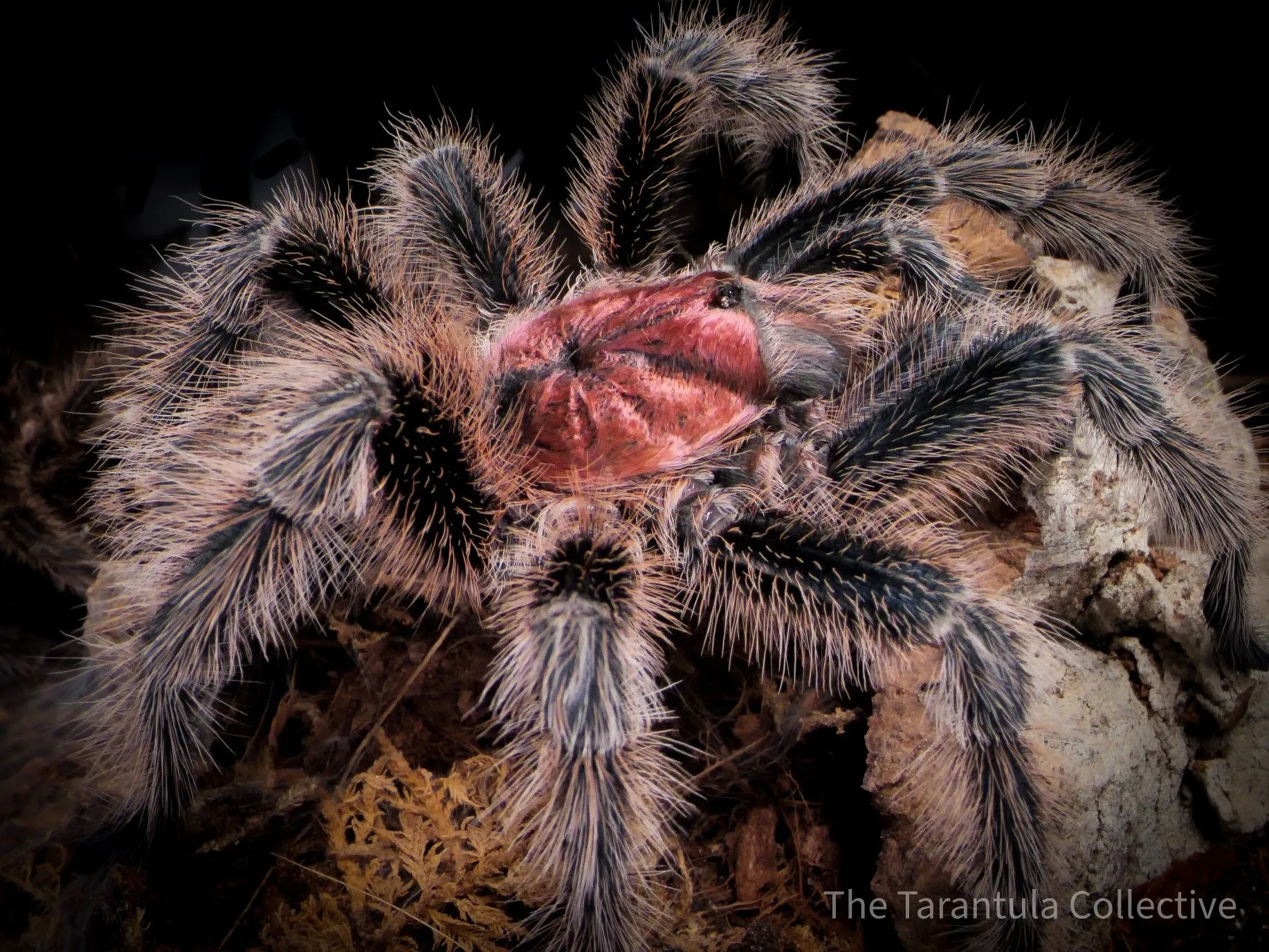
The rose hair tarantula, a popular pet, is known for its relatively docile temperament and striking appearance. However, like many tarantulas, they possess a defense mechanism that can lead to an unpleasant experience for their owners itchy skin. This defense mechanism manifests as an itchy sensation caused primarily by the tarantula’s urticating hairs, which can irritate human skin. Understanding this itch is crucial for responsible tarantula ownership, ensuring the safety and well-being of both the pet and the owner. The itch is not typically a sign of a severe health problem, but it is a significant aspect of tarantula ownership to be aware of and prepared for. Proper handling, knowledge of tarantula behavior, and preventative measures are key to managing potential skin irritation. This article will explore the causes, symptoms, facts, treatment, and prevention of the itch, providing a comprehensive guide for tarantula enthusiasts.
Causes of Rose Hair Tarantula Itch
Several factors can trigger the itchy sensation associated with rose hair tarantulas. These causes are primarily related to the tarantula’s defense mechanisms and the owner’s interaction with the spider. It is essential to know about these to take precautions and ensure proper care when handling or being around these creatures. Understanding these causes can help in minimizing the chances of experiencing the itch and make the experience of keeping rose hair tarantulas enjoyable and safe. Knowing the reasons for the irritation enables owners to be more cautious and proactive in preventing discomfort. The main causes include contact with urticating hairs, skin irritation from handling, and allergic reactions.
Contact with Urticating Hairs

The primary cause of the itch is contact with urticating hairs. These are tiny, barbed hairs located on the tarantula’s abdomen, which it flicks off as a defense mechanism when threatened. When these hairs come into contact with human skin, they can cause irritation, leading to itching, burning, and sometimes even a rash. The urticating hairs are designed to embed themselves into the skin, causing mechanical irritation and an inflammatory response. The severity of the reaction can vary depending on the individual’s sensitivity and the amount of hair exposure. Urticating hairs can be easily spread through the air or on surfaces, so even indirect contact can cause a reaction. Therefore, it is important to be careful when handling the spider or cleaning its enclosure.
Skin Irritation from Handling
Direct handling of a rose hair tarantula, even with careful precautions, can sometimes lead to skin irritation. This can be due to the tarantula’s claws, which can scratch the skin, or the hairs that may be released during handling. The constant friction of the spider’s legs against the skin can also cause irritation. Even if the tarantula doesn’t flick its hairs, some can still become dislodged and come into contact with the handler’s skin. This is why it is generally recommended to handle these tarantulas as little as possible. Always wash your hands thoroughly before and after handling to remove any potential irritants. If you must handle the tarantula, do it over a soft surface to minimize the chances of the tarantula getting hurt if it falls.
Allergic Reactions
Although rare, some individuals may experience allergic reactions to rose hair tarantulas or their byproducts. These reactions can manifest as skin rashes, itching, and respiratory symptoms. Allergic reactions are the body’s immune response to foreign substances. If you have a known allergy, it is essential to be extra cautious when interacting with a tarantula. Symptoms can vary from mild to severe, including hives, difficulty breathing, and swelling. It’s important to consult a doctor if you suspect an allergic reaction, especially if you experience difficulty breathing or other severe symptoms. Furthermore, keeping the tarantula’s environment clean and well-ventilated can minimize potential allergic reactions.
Symptoms of Rose Hair Tarantula Itch

Identifying the symptoms of rose hair tarantula itch is essential for prompt and effective management. Symptoms can vary in severity depending on the individual’s sensitivity and the extent of exposure. The most common symptoms include itching and burning, redness and rash, and swelling and inflammation. Recognizing these signs helps you take immediate action to alleviate discomfort and prevent further complications. Careful observation and awareness of these symptoms allow owners to take appropriate care of themselves and their tarantulas, creating a safer environment.
Itching and Burning Sensation
The most prominent symptom of rose hair tarantula itch is an intense itching and burning sensation. This sensation is usually localized to the area where the urticating hairs made contact with the skin. The itching can range from mild and annoying to severe and debilitating, making it difficult to concentrate. The burning sensation often accompanies the itch, creating a feeling of discomfort. Scratching the affected area may provide temporary relief but can exacerbate the irritation and potentially lead to secondary infections. Avoiding scratching and taking immediate steps to soothe the skin is important to manage the itch effectively.
Redness and Rash
Redness and rash are common visual signs of contact with urticating hairs. The skin in the affected area may appear red, inflamed, and irritated. The rash can take various forms, from small, raised bumps to more extensive patches of irritated skin. The rash may also be accompanied by small blisters or welts in severe cases. The rash is the skin’s natural inflammatory response to the presence of the hairs, which are perceived as foreign irritants. The appearance of a rash is a clear indication that the skin has come into contact with the hairs and requires immediate attention. Proper care and treatment can help in soothing the rash and promoting faster recovery.
Swelling and Inflammation

Swelling and inflammation can occur in more severe cases of rose hair tarantula itch. The affected area may become swollen, tender to the touch, and sometimes painful. This inflammation is the result of the body’s immune response to the irritating hairs. Swelling can occur immediately after contact or may develop over several hours. The severity of the swelling can vary depending on the individual’s sensitivity and the extent of exposure. Applying cold compresses and elevating the affected area can help in reducing swelling. In severe cases, medical attention may be necessary to manage the inflammation and prevent any complications.
Top 5 Facts about Rose Hair Tarantula Itch
Understanding the key facts about rose hair tarantula itch can help owners and enthusiasts manage and prevent the discomfort associated with it. These facts highlight the important aspects of the tarantula’s defense mechanism, the resulting skin irritation, and the best practices for handling and preventing any reactions. By knowing these facts, owners can take proactive steps to minimize the chances of experiencing the itch and make informed decisions when interacting with their tarantulas. It is crucial to equip yourself with the right knowledge. Here are five key facts you should know.
Fact 1 Understanding the Urticating Hairs
Urticating hairs are microscopic, barbed hairs located on the tarantula’s abdomen. These hairs are a crucial part of the spider’s defense mechanism, used to deter predators. When a tarantula feels threatened, it flicks these hairs towards the perceived threat. The hairs then embed themselves into the skin, causing mechanical irritation. The design of these hairs allows them to easily attach to surfaces. This ability to cause irritation is why it is essential to minimize contact with the tarantula and its environment to avoid any potential skin reactions. Understanding the nature of these hairs is the first step in preventing and managing any skin issues.
Fact 2 The Reaction Time

The onset and intensity of the itch can vary significantly. Some individuals experience itching and burning sensations almost immediately after contact with the hairs, while others may not notice any symptoms for several hours. The severity of the reaction depends on factors such as the individual’s sensitivity, the amount of hair exposure, and the location on the body. The reaction time helps to indicate how quickly you should take steps to minimize and manage the irritation. Knowing this can help to determine how quickly you need to respond and take measures to soothe the skin.
Fact 3 Dealing with Irritation
Dealing with the itch involves several steps to alleviate discomfort. First, it is important to avoid scratching, as this can worsen the irritation and potentially lead to infections. Instead, gently wash the affected area with cool water and soap. You can use adhesive tape to remove the hairs from the skin. Over-the-counter antihistamine creams can help reduce itching, and cold compresses can soothe the skin. For severe symptoms, consult a healthcare professional. Prompt and appropriate management of the irritation is crucial for relief and faster recovery.
Fact 4 Preventing Itch
Preventing rose hair tarantula itch is the best approach to avoid discomfort. The primary preventive measure is to minimize contact with the tarantula and its environment. When handling your tarantula, use long gloves and appropriate protective gear to avoid skin exposure. Handle the tarantula only when necessary and do so over a soft surface. Regularly clean the tarantula’s enclosure to remove shed hairs. Ensure proper ventilation to prevent the buildup of airborne hairs. Taking these precautions can significantly reduce the chances of developing an itchy reaction. It also requires education about tarantula care and handling practices.
Fact 5 Medical Attention
While most cases of rose hair tarantula itch can be managed at home, there are instances when medical attention is required. If symptoms are severe, such as significant swelling, difficulty breathing, or a widespread rash, seek immediate medical help. If the skin becomes infected, as indicated by pus, increased pain, or fever, consult a doctor promptly. For individuals with known allergies or those experiencing severe reactions, medical intervention may be necessary to alleviate symptoms and prevent complications. A medical professional can provide appropriate treatment and guidance.
Treating and Preventing Rose Hair Tarantula Itch
Effectively treating and preventing rose hair tarantula itch involves a combination of immediate relief strategies and long-term preventive measures. Managing the immediate reaction to the itch and taking steps to minimize the risk of future exposure are key to maintaining a healthy and comfortable interaction with your pet tarantula. By understanding both treatments and preventions, owners can proactively manage their tarantulas and minimize discomfort. The best approach combines rapid relief and preventative measures.
Immediate Relief Strategies
Immediate relief strategies are focused on soothing the skin and alleviating itching. Wash the affected area immediately and thoroughly with cool water and mild soap to remove any remaining hairs. Applying adhesive tape to the affected skin can help remove embedded hairs. Over-the-counter antihistamine creams or lotions can help in reducing the itching. Cold compresses can provide relief from the burning sensation and reduce inflammation. The most important thing to remember is to avoid scratching, as it can worsen the irritation and cause infection. These immediate steps can significantly reduce discomfort.
Long-Term Prevention Measures
Long-term prevention measures are crucial for minimizing the risk of future exposure to urticating hairs. Wear protective clothing, such as long sleeves, pants, and gloves, when handling or cleaning the tarantula’s enclosure. Handle the tarantula only when necessary, and handle it over a soft surface. Regularly clean and maintain the tarantula’s enclosure to reduce the buildup of hairs. Ensure the environment is well-ventilated to minimize airborne hairs. Educate yourself on responsible tarantula handling and care practices. Always wash hands thoroughly after any contact with the tarantula or its environment. Proper care, knowledge, and precautions are essential to enjoying the experience of owning a rose hair tarantula.
In conclusion, understanding and managing rose hair tarantula itch is an integral part of responsible pet ownership. By recognizing the causes, symptoms, and facts related to the itch, owners can take appropriate action to prevent and treat discomfort. The key lies in combining immediate relief strategies with long-term prevention measures. Proper handling, awareness, and adherence to safety protocols are crucial for enjoying the experience of owning a rose hair tarantula. By taking these steps, you can ensure the safety and well-being of both yourself and your pet.