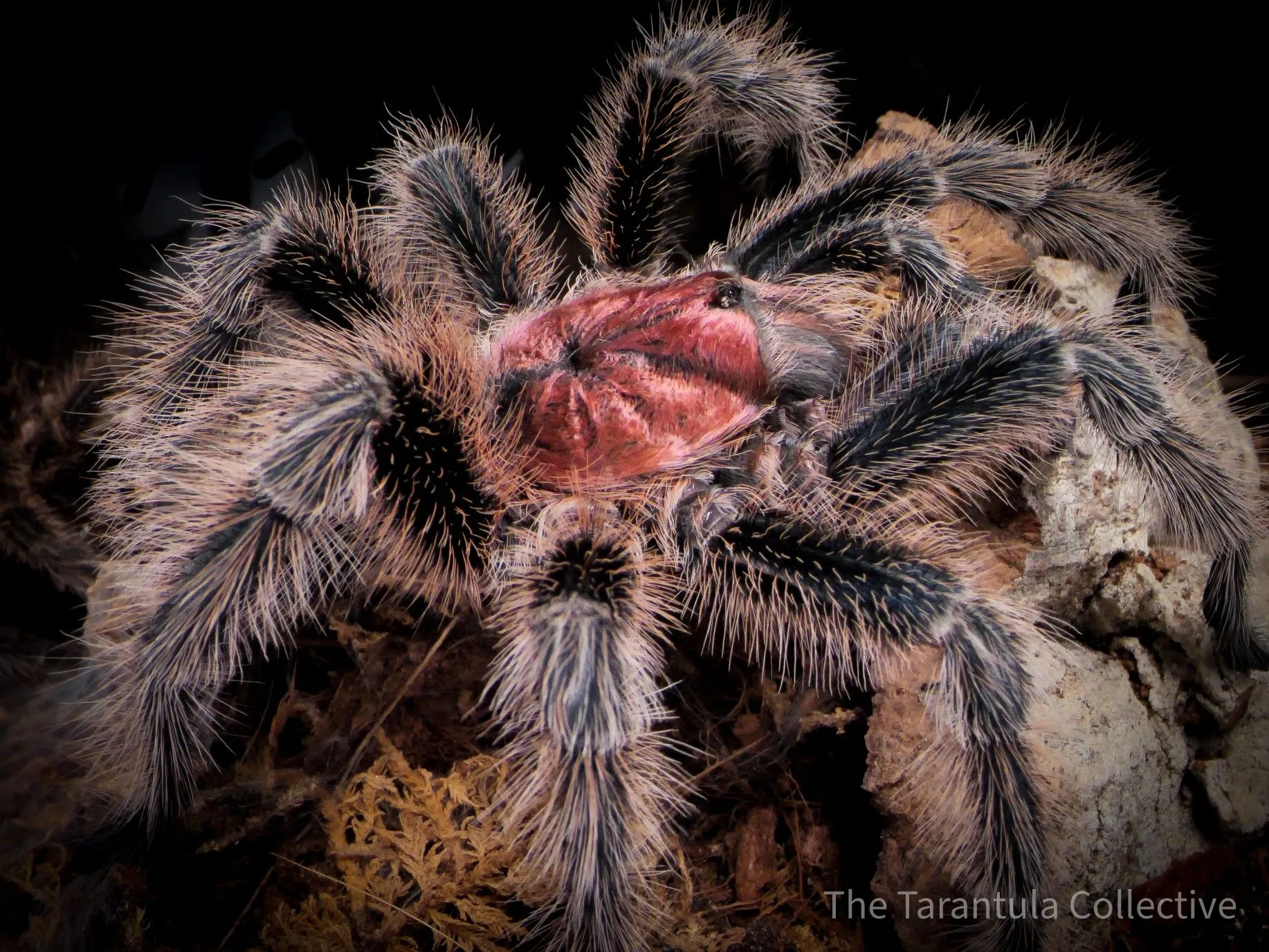
Understanding the Rose Hair Tarantula’s Diet
Caring for a Rose Hair Tarantula, a popular pet due to its docile nature and relatively easy care, involves understanding its dietary needs. These fascinating creatures, native to the deserts of South America, thrive on a diet that mimics their natural insectivorous habits. Providing the right food is crucial for their health, growth, and overall well-being. A well-balanced diet ensures they receive essential nutrients, promoting longevity and vitality. This guide delves into the ideal diet for your Rose Hair Tarantula, ensuring you can provide the best possible care for your eight-legged friend. It is important to remember that they are ambush predators, meaning they wait for their prey to come to them. This influences how we must feed them and what we can feed them. Furthermore, providing appropriate food sizes and a variety of options will keep your tarantula engaged and healthy.
Importance of a Balanced Diet
A balanced diet is fundamental to the health and longevity of any Rose Hair Tarantula. Just like humans, tarantulas require a range of nutrients to function optimally. This includes proteins for growth and repair, fats for energy, and various vitamins and minerals for overall health. A diet lacking in essential nutrients can lead to health problems, such as poor molting, stunted growth, and a weakened immune system. Variety is key; offering a range of food items ensures the tarantula gets a diverse intake of nutrients. A consistent supply of fresh, nutritious food also helps prevent obesity and other diet-related issues. Therefore, understanding the nutritional requirements of your tarantula and providing a well-rounded diet is one of the most important aspects of responsible tarantula ownership. A healthy diet is the foundation of a happy tarantula.
Nutritional Needs of Rose Hair Tarantulas
Rose Hair Tarantulas require a diet primarily consisting of insects. These insects provide the necessary proteins, fats, and other nutrients vital for their growth and well-being. The specific nutritional needs of a Rose Hair Tarantula change as it grows. Younger tarantulas require more frequent feeding to support their rapid growth, while adults can be fed less often. In general, a diet rich in protein is essential, especially during molting. Adequate hydration is also crucial; tarantulas obtain water from their food and a shallow water dish. The specific nutritional content of the insects you feed your tarantula will directly affect its health. Choosing high-quality, well-fed insects is crucial to provide the best possible diet. Consider supplementing the diet with vitamins and minerals, particularly if you are breeding your tarantula, to promote robust health. These supplements help in the molting process and overall growth of your tarantula.
Top 5 Foods for Your Rose Hair Tarantula
Choosing the right foods for your Rose Hair Tarantula is crucial for its health and well-being. While there are many options, the following are five of the best and most readily available food sources. These options are not only nutritious but also relatively easy to obtain and prepare. Remember to always ensure the food items are free from pesticides and other harmful substances. Also, the size of the prey item should be appropriate for the size of your tarantula. Always remove uneaten food to prevent the build-up of mold or mites in the enclosure.
Crickets
Crickets are a staple food for many pet tarantulas, including Rose Hair Tarantulas. They are readily available at most pet stores and are relatively inexpensive. Crickets are a good source of protein and chitin, essential for the tarantula’s exoskeleton. It is important to ensure the crickets are gut-loaded before feeding them to your tarantula. Gut-loading involves feeding the crickets nutritious food items, such as vegetables, fruits, and commercial cricket feed, before offering them to your tarantula. This enhances the nutritional value of the crickets, providing your tarantula with a more balanced meal. Crickets also provide an element of natural hunting behavior for your tarantula, as they can be released in the enclosure for the tarantula to hunt.
Nutritional Value and Benefits of Crickets

Crickets offer a balanced nutritional profile, rich in protein, which supports muscle development and growth. They also contain chitin, a fiber-like substance that aids in the molting process, helping your tarantula shed its old exoskeleton. Furthermore, crickets are relatively low in fat, making them a healthier option compared to some other insect choices. Crickets have a good calcium to phosphorus ratio, which is essential for the tarantula’s overall health and growth. Crickets are also a natural food source, so they provide a taste and texture familiar to the tarantula. This natural prey can stimulate a tarantula’s hunting instincts, providing enrichment and a sense of satisfaction.
How to Prepare Crickets
Preparing crickets involves several steps to ensure they are safe and nutritious for your tarantula. Always purchase crickets from a reputable source to ensure they are free from pesticides or parasites. Before feeding, gut-load the crickets with nutritious foods, such as vegetables (carrots, leafy greens), fruits (apples, oranges), and commercial cricket feed. This enhances the nutritional value of the crickets for your tarantula. After gut-loading, dust the crickets with a calcium and vitamin supplement. This provides additional nutrients and helps with the molting process. The crickets should be of an appropriate size; generally, the crickets should be no larger than the tarantula’s abdomen. Remove any uneaten crickets after a day to prevent them from stressing your tarantula and to avoid any potential injuries to your pet.
Mealworms
Mealworms are another popular choice for feeding Rose Hair Tarantulas. They are easy to store and readily available. Mealworms have a higher fat content compared to crickets, making them a good source of energy for tarantulas. However, due to the higher fat content, they should be offered in moderation, especially to adult tarantulas, to avoid overfeeding. Mealworms are less active than crickets, making them easier for tarantulas to catch, especially for younger ones. They are also convenient to store, requiring less space and maintenance compared to crickets. Mealworms should also be gut-loaded before feeding, ensuring they are as nutritious as possible for your tarantula.
Nutritional Value and Benefits of Mealworms

Mealworms are a good source of protein and fats, providing energy for your tarantula. They also contain essential amino acids. The higher fat content can be beneficial for growing tarantulas, providing extra energy. Mealworms are relatively easy to digest. They are also a good source of chitin, which aids in the molting process. The convenience of mealworms is a significant benefit. They can be stored for longer periods and require less care. The protein content in mealworms helps in muscle development, aiding in the overall growth of your Rose Hair Tarantula. The essential amino acids support various bodily functions, contributing to the overall health and vitality of the tarantula.
How to Prepare Mealworms
Before feeding mealworms, ensure they are properly gut-loaded. Feed them nutritious foods such as oats, vegetables (carrots, potatoes), and commercial mealworm feed for at least 24 hours before feeding. This boosts their nutritional value. Dust the mealworms with a calcium and vitamin supplement before offering them to your tarantula. This adds essential vitamins and minerals to their diet. Offer an appropriate number of mealworms. For younger tarantulas, you may offer several smaller mealworms, while adults can have a few larger ones. Always remove uneaten mealworms after a day or two to prevent them from burrowing in the enclosure. Store mealworms in a cool, dark place to maintain their freshness and nutritional value.
Dubia Roaches
Dubia roaches are often considered one of the best food choices for Rose Hair Tarantulas. They are packed with protein and are less likely to burrow or escape, making them easier to manage than crickets. Dubia roaches also have a high meat-to-shell ratio, making them very nutritious. These roaches are relatively slow-moving, which makes them easy for tarantulas to catch. They are also quiet, so they do not disturb the tarantula as much as crickets might. Dubia roaches are a great option for tarantula owners looking for a more nutritious and manageable insect to feed their pets. They’re also less smelly than other feeder insects.
Nutritional Value and Benefits of Dubia Roaches

Dubia roaches offer a well-balanced nutritional profile, being rich in protein, which is essential for growth. They also provide essential amino acids and contain a good calcium-to-phosphorus ratio. The high meat-to-shell ratio means that your tarantula gets more of the nutritious parts of the insect and less of the indigestible shell. Dubia roaches have a relatively low fat content compared to some other feeder insects. The protein content of dubia roaches supports muscle development, which is crucial for your Rose Hair Tarantula. They also help to provide energy for these spiders. Their complete nutritional profile supports their overall health and growth. The balanced nutrients in these roaches mean that your tarantula gets a well-rounded diet.
How to Prepare Dubia Roaches
Preparing Dubia roaches is relatively simple. Before feeding, provide the roaches with a nutritious diet to gut-load them. This can include fresh fruits, vegetables, and commercial roach feed. Gut-loading increases the nutritional value of the roaches. Before feeding, dust the roaches with a calcium and vitamin supplement, enhancing their nutritional content. Offer the Dubia roaches to your tarantula. The size of the roaches should be appropriate for your tarantula. Remove any uneaten roaches after a day or two to prevent them from stressing your tarantula or potentially burrowing. Ensure that the enclosure of the Dubia roaches is clean and well-maintained to keep them healthy and nutritious.
Superworms
Superworms, the larvae of the darkling beetle, can be a part of your Rose Hair Tarantula’s diet. They are larger than mealworms and are packed with protein and fat. Due to their higher fat content, they should be offered in moderation. Superworms are a good source of energy, supporting your tarantula’s activity and overall health. However, their larger size means they are more suitable for adult tarantulas. Superworms should always be gut-loaded to ensure they are as nutritious as possible. They are also a good source of chitin, which helps with the molting process. Superworms offer a different texture and taste compared to other feeder insects, providing enrichment.
Nutritional Value and Benefits of Superworms

Superworms provide a substantial amount of protein, vital for the growth and maintenance of a Rose Hair Tarantula. They are a good source of fats, providing energy. They also contain essential amino acids, which are crucial for various bodily functions. The higher fat content offers energy, making them a good option, particularly for active tarantulas. They are also relatively easy to digest. The variety in the diet is a benefit that superworms offer. They also provide a high level of chitin, a key element of the exoskeleton, crucial to a tarantula’s molting. The varied nutritional profile means that superworms contribute to your tarantula’s overall health and activity levels.
How to Prepare Superworms
Before feeding, it is essential to gut-load superworms. Provide them with nutritious food, such as oats, bran, and fresh vegetables (carrots, potatoes) for 24 hours before offering them to your tarantula. This boosts their nutritional value. Dust the superworms with a calcium and vitamin supplement before feeding. Ensure that the superworms are of appropriate size; they should be no larger than your tarantula’s abdomen. Remove any uneaten superworms after a day or two to prevent them from potentially burrowing or stressing your tarantula. The right preparation ensures your tarantula gets the most nutritional benefit. It also ensures that uneaten worms don’t pose a risk to the tarantula or its enclosure.
Pinky Mice
Pinky mice, or newborn mice, can be used as a supplemental food source for Rose Hair Tarantulas, especially larger adults. Pinky mice provide a rich source of protein and fats. They are typically offered only to adult tarantulas because of their size and nutritional density. Pinky mice are very nutritious and can contribute to the overall health of your tarantula. They are a good option for tarantulas that are preparing to breed or recovering from illness. They can also be a way to provide variety in the diet and add essential nutrients. It is important to note that pinky mice should be offered only occasionally. Overfeeding with pinky mice could lead to obesity.
Nutritional Value and Benefits of Pinky Mice

Pinky mice are packed with protein and fats, providing your tarantula with a high-energy food source. They are also a good source of essential nutrients, including vitamins and minerals. Pinky mice offer a high protein content, promoting the tarantula’s growth. The fat content provides energy. They offer variety in the diet, keeping the tarantula interested in feeding. They are also beneficial for tarantulas preparing for breeding, as they can help boost their condition. However, pinky mice should be fed sparingly to avoid overfeeding and obesity.
How to Prepare Pinky Mice
Before feeding pinky mice to your tarantula, it is important to ensure they are properly handled. Purchase pinky mice from a reputable source to minimize the risk of disease. Offer pinky mice whole; do not cut them. Remove any uneaten pinky mice promptly to avoid attracting mites or other pests. The frequency of feeding pinky mice should be limited; typically, offering them once every few months to adult tarantulas is sufficient. Monitor your tarantula’s body condition to ensure it is not overfed, especially when supplementing its diet with pinky mice. Proper handling ensures the health of your tarantula. This also allows you to provide a safe and appropriate diet.
Feeding Frequency and Portion Sizes
The feeding frequency and portion sizes for your Rose Hair Tarantula depend on its age and size. Understanding these factors will help you provide the right amount of food, avoiding overfeeding or underfeeding. Overfeeding can lead to health problems, while underfeeding can hinder growth and vitality. Observe your tarantula’s behavior and adjust the feeding schedule accordingly. It is important to know what your tarantula’s specific needs are to ensure it stays healthy. Proper feeding habits can contribute to the overall well-being of your Rose Hair Tarantula, helping it thrive and live a long and healthy life. The right amount of food also promotes good molting.
Feeding Schedule for Rose Hair Tarantulas
Younger Rose Hair Tarantulas (spiderlings) require more frequent feeding due to their rapid growth rate. Feed spiderlings two to three times per week, offering appropriately sized insects. As the tarantula matures, the feeding frequency can be decreased. Subadult tarantulas can be fed once or twice a week, depending on their appetite and growth rate. Adult Rose Hair Tarantulas typically only need to be fed once every one to two weeks. Some adult tarantulas may even eat less frequently. It is important to adjust the feeding schedule based on your tarantula’s appetite and body condition. The schedule should also be altered according to how often your tarantula molts. Monitor its behavior and adjust the feeding schedule accordingly. You can use visual cues to see when it is time to feed it again.
Portion Control and Overfeeding
Portion control is critical to prevent overfeeding. The size of the prey item should be appropriate for the size of your tarantula. Generally, the prey item should not be larger than the tarantula’s abdomen. Remove any uneaten food within 24 hours to prevent the build-up of mold or mites. Overfeeding can lead to obesity, which can put excessive strain on the tarantula’s joints and internal organs. Obesity can also affect molting, potentially making it difficult for the tarantula to shed its exoskeleton. Always monitor your tarantula’s body condition. If its abdomen appears overly large, reduce the feeding frequency. Regular monitoring and responsible feeding habits are essential to keeping your Rose Hair Tarantula healthy and thriving.
Supplementation and Hydration
Besides the primary food sources, supplementation and hydration are essential aspects of caring for your Rose Hair Tarantula. Providing clean water and considering the use of vitamin and mineral supplements can significantly contribute to your tarantula’s overall health. These aspects ensure that your tarantula receives all the necessary nutrients for optimal health, growth, and well-being. Supplementation can also help promote a better molting process, which is critical for the health of your tarantula. It is also critical to know how to recognize when your tarantula needs extra help to stay healthy. Providing these things demonstrates responsible tarantula care.
Importance of Water and Hydration
Water is essential for all living organisms, including Rose Hair Tarantulas. They obtain water from their food and from a shallow water dish in their enclosure. Always provide fresh, clean water in a shallow dish that is easily accessible and prevents drowning. Change the water regularly, ideally every day or two, to maintain its cleanliness. Hydration is particularly important during the molting process, as it helps the tarantula shed its exoskeleton. Insufficient water can lead to dehydration, which can cause various health problems, including difficulty molting. Monitoring the water dish and ensuring your tarantula has a consistent source of fresh water is a crucial aspect of tarantula care. Having clean water in the enclosure also helps to regulate humidity levels, which is necessary for successful molts.
Vitamin and Mineral Supplements
While a varied diet of insects provides essential nutrients, supplementing with vitamins and minerals can be beneficial, particularly for growing tarantulas or those preparing to breed. Calcium and vitamin D3 supplements are particularly important. They help with the molting process and are vital for overall health. Dusting the insects with a calcium and vitamin supplement before feeding is a common practice. This ensures that your tarantula receives additional nutrients. Follow the manufacturer’s instructions when administering supplements, avoiding over-supplementation. Over-supplementing can be as harmful as under-supplementing. Using supplements is a good idea if you are uncertain about your tarantula’s nutritional intake. It can also help promote overall health and prevent deficiencies, contributing to the longevity and well-being of your Rose Hair Tarantula.
Conclusion The Perfect Diet for Your Tarantula
Providing the right diet is essential for the health and well-being of your Rose Hair Tarantula. The best diet consists of a variety of insects, primarily crickets, mealworms, dubia roaches, and superworms, with pinky mice as an occasional supplement for adults. Remember to always gut-load the insects to maximize their nutritional value and dust them with calcium and vitamin supplements to ensure your tarantula gets all the essential nutrients. Adjust the feeding frequency and portion sizes based on your tarantula’s age and growth stage. Always provide fresh water and monitor your tarantula’s body condition to ensure it is not overfed. By following these guidelines, you can provide your Rose Hair Tarantula with a balanced, nutritious diet, ensuring its health and longevity. A well-fed tarantula will be more active and exhibit a more natural behavior, adding to the joy of keeping this fascinating pet. Your dedication to their dietary needs directly contributes to their quality of life and your enjoyment of their presence.