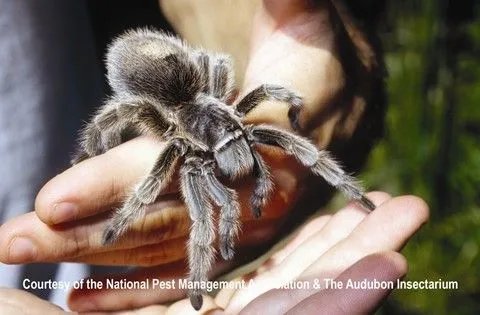
Essential Rose Hair Tarantula Care
The Rose Hair Tarantula (Grammostola rosea), also known as the Chilean Rose, is a popular pet choice for beginners due to its docile nature and relatively easy care requirements. These spiders are native to the deserts of Chile, Bolivia, and Argentina, and their adaptability makes them suitable for captivity. Providing the right environment, including proper temperature, humidity, and feeding, is crucial for the health and longevity of your Rose Hair Tarantula. This guide provides the top 5 essential tips for ensuring your tarantula thrives.
Temperature and Humidity Control
Maintaining the correct temperature and humidity levels is fundamental to your Rose Hair Tarantula’s well-being. These environmental factors directly impact their metabolism, molting process, and overall health. Improper conditions can lead to stress, health issues, and even premature death. A suitable habitat mimics their natural desert environment, which requires attention to both heat and moisture. Ensure you monitor these parameters regularly to make necessary adjustments.
Maintaining Optimal Temperature

The ideal temperature range for a Rose Hair Tarantula is between 75-85°F (24-29°C). A consistent temperature is more important than an exact number. You can achieve this using a heat mat placed on the side of the enclosure. Avoid placing the heat mat directly under the enclosure, as this can overheat the substrate. Use a digital thermometer with a probe to monitor the temperature accurately. Regular monitoring ensures your tarantula’s comfort and proper bodily functions.
Humidity Levels for Your Tarantula
Rose Hair Tarantulas thrive in a humidity range of 60-70%. While they are desert dwellers, they still require a degree of moisture to molt properly and stay hydrated. You can measure humidity using a hygrometer placed inside the enclosure. Use a spray bottle to lightly mist the substrate once or twice a week, depending on the ambient humidity of your home. Avoid over-misting, as excessive humidity can lead to mold growth and other problems.
Feeding Your Rose Hair Tarantula
Proper feeding is another key component of Rose Hair Tarantula care. These spiders are opportunistic feeders, meaning they will eat whatever they can catch. However, a balanced diet consisting primarily of insects ensures their nutritional needs are met. The frequency of feeding and the size of prey should be adjusted based on the tarantula’s age and size. Provide appropriately sized food items and monitor your tarantula’s appetite regularly.
Choosing the Right Food

The most common and readily available food for Rose Hair Tarantulas is live insects. Crickets, mealworms, and dubia roaches are excellent choices. Ensure the insects are gut-loaded (fed nutritious food) before offering them to your tarantula. Avoid feeding wild-caught insects, as they may carry parasites or pesticides. The size of the prey should be no larger than the tarantula’s abdomen; the size is directly correlated to the size of the tarantula. Variety in their diet can be beneficial.
Feeding Frequency
Juvenile Rose Hair Tarantulas should be fed two to three times a week, while adults can be fed once or twice a week. Observe your tarantula’s abdomen; if it appears plump, it is well-fed. Remove any uneaten prey within 24 hours to prevent stress on the tarantula and the risk of the prey harming the spider. Adjust feeding frequency based on your tarantula’s age, size, and molting cycle. During the molting process, tarantulas typically refuse food.
Providing the Right Habitat
Creating the correct habitat is crucial for your Rose Hair Tarantula’s well-being. The enclosure should provide a secure, comfortable, and enriching environment that mimics their natural habitat. This includes considering the appropriate size, substrate, and decorations. A well-designed habitat minimizes stress and allows your tarantula to thrive. Remember that a secure enclosure prevents escape and ensures your tarantula feels safe.
Enclosure Size and Substrate

A suitable enclosure for an adult Rose Hair Tarantula is typically a 10-gallon tank or larger. The enclosure should be well-ventilated and have a secure lid. The substrate should be at least 2-4 inches deep to allow the tarantula to burrow if it chooses. Suitable substrate options include a mixture of coconut fiber, peat moss, and vermiculite. The substrate should be kept slightly moist but not waterlogged.
Decorating the Habitat
Adding decorations to the enclosure enriches your tarantula’s environment. Provide a hide, such as a piece of cork bark or a half log, for the tarantula to retreat to and feel secure. You can also add artificial plants or other non-toxic decorations. Avoid sharp objects that could injure the tarantula. Ensure the decorations do not obstruct the tarantula’s movement or access to food and water. Keep decorations clean to avoid the spread of mold or bacteria.
Water and Hydration
Water is essential for all living creatures, and Rose Hair Tarantulas are no exception. Providing a constant supply of fresh, clean water is vital for their hydration and overall health. This is typically achieved through a shallow water dish. Proper hydration helps with molting, digestion, and general well-being. Always ensure the water source is safe and accessible.
Water Bowl Maintenance
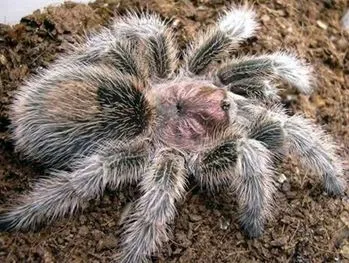
Provide a shallow water dish that is easily accessible to your tarantula. The dish should be shallow enough to prevent drowning. Clean the water dish regularly, ideally once or twice a week, to prevent bacterial growth. Use dechlorinated water to avoid harmful chemicals. Position the water dish away from the heat source to prevent rapid evaporation and maintain a consistent humidity level. Consider using a small sponge or pebbles in the water dish to prevent any accidental drowning of the tarantula.
Misting for Humidity
Besides the water dish, light misting can help maintain the correct humidity level. Use a spray bottle filled with dechlorinated water to lightly mist the substrate and the enclosure’s sides. The frequency of misting depends on your home’s ambient humidity; generally, misting once or twice a week is sufficient. Avoid over-misting, as this can lead to excessive humidity and mold growth. Monitor humidity levels with a hygrometer to determine the proper misting schedule.
Handling and Interaction
While Rose Hair Tarantulas are generally docile, handling them should be done with caution. These spiders can be skittish, and a fall can be fatal. Understanding their behavior and practicing safe handling techniques minimizes the risk of injury to both the tarantula and the handler. It is important to always respect the spider’s boundaries and avoid any actions that could cause it to feel threatened.
Safe Handling Practices

If you choose to handle your Rose Hair Tarantula, do so cautiously and slowly. Handle them close to the ground or a soft surface to minimize the risk of injury if they fall. Wash your hands thoroughly before and after handling, as your scent can affect the spider. Always supervise children when handling tarantulas and teach them how to handle them gently. Avoid handling the tarantula if it appears stressed or defensive. Patience and respect are key.
Recognizing Stress Signals
Observe your tarantula for signs of stress before handling. Signs of stress include a defensive posture (raising the front legs), flicking hairs from the abdomen (a defense mechanism), or fleeing. If your tarantula shows these behaviors, it is best to leave it alone. A tarantula that is comfortable and relaxed will typically be calm and move slowly. Avoid handling during the molting process.
Health and Common Issues
Rose Hair Tarantulas are relatively hardy but can still experience health issues. Common problems include mites, fungal infections, and injuries. Regular observation of your tarantula, including checking the abdomen, legs, and fangs, helps you identify potential problems early on. Maintaining a clean environment and proper husbandry minimizes the risk of these issues.
Molting Process

Molting is a natural process where tarantulas shed their exoskeleton to grow. During molting, the tarantula becomes vulnerable. It is essential to provide a stress-free environment and avoid disturbing the spider during this time. The tarantula may lose its appetite and may even flip onto its back during molting. Do not try to assist the molting process, as this can be fatal. After molting, the tarantula’s new exoskeleton will be soft for a few days.
Conclusion
Caring for a Rose Hair Tarantula is a rewarding experience. By following these five essential tips regarding temperature, humidity, feeding, habitat, and handling, you can ensure your tarantula lives a long and healthy life. Remember to research and be patient. With proper care and a little understanding, your Rose Hair Tarantula can become a fascinating and enjoyable pet. Enjoy the unique experience of owning these incredible creatures!