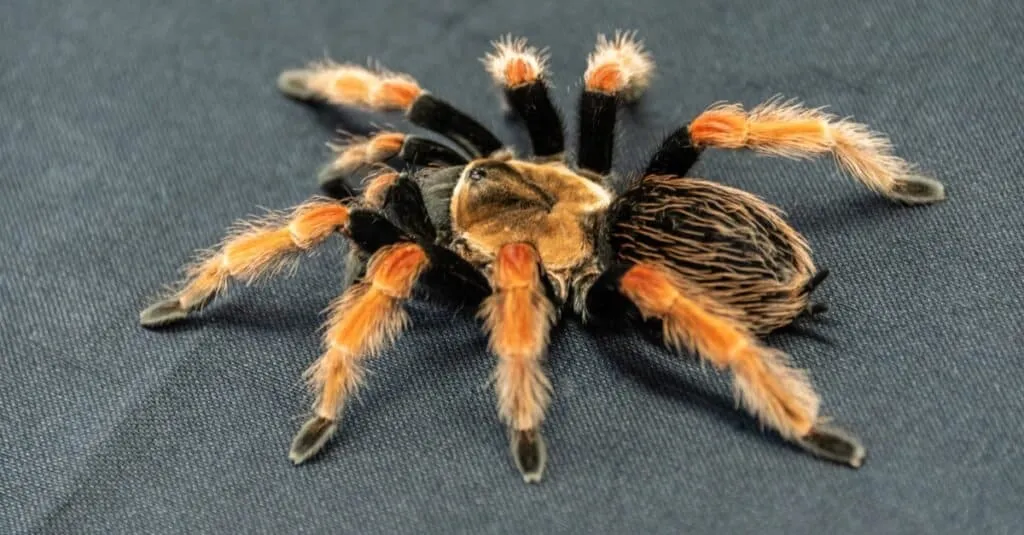
What is a Red Knee Tarantula Ecosystem?
A red knee tarantula ecosystem, in essence, is a carefully constructed miniature habitat designed to mimic the natural environment of the Brachypelma hamorii tarantula, more commonly known as the red knee tarantula. This ecosystem is a self-contained world within a terrarium, where the spider lives, hunts, and thrives. It goes beyond simply housing a tarantula; it involves understanding and replicating the environmental factors that are crucial for the tarantula’s well-being, including temperature, humidity, substrate, food, and hiding places. Creating a suitable ecosystem is not merely an act of convenience, but a responsibility, as it directly impacts the spider’s health, longevity, and overall quality of life. A well-designed ecosystem allows the tarantula to exhibit natural behaviors, reduce stress, and thrive in captivity. It is an investment in the spider’s welfare and a rewarding endeavor for the keeper.
Understanding the Natural Habitat
To create a flourishing ecosystem, it is important to first understand the tarantula’s natural habitat. Red knee tarantulas are native to the Pacific coast of Mexico, specifically in the warm, dry scrublands and grasslands. The ability to successfully replicate the ecosystem in captivity depends greatly on a thorough knowledge of the natural environment of the red knee tarantula.
Geographic Location and Climate

In the wild, they inhabit the western coast of Mexico, primarily in the states of Colima, Jalisco, and Michoacán. The climate in these regions is characterized by distinct dry and rainy seasons. Temperatures are generally warm, with average highs ranging from 80°F to 95°F (27°C to 35°C) and lows rarely dipping below 60°F (15°C). The dry season, which can last for several months, is a crucial period where the tarantulas burrow deeper to conserve moisture. Understanding the climate helps keepers replicate the humidity and temperature conditions in the terrarium, promoting the tarantula’s health.
Typical Terrain and Vegetation
The terrain is typically comprised of dry, scrubby vegetation, including grasses, shrubs, and some sparse trees. The substrate is usually a mix of soil, sand, and leaf litter. Red knee tarantulas are burrowing spiders and create deep burrows for shelter, protection from predators, and temperature and humidity regulation. They often utilize natural features like rocks and fallen logs to construct their habitats. By replicating these aspects, keepers can create a more natural and comfortable environment. The vegetation in their natural habitat is typically drought-tolerant. Therefore, the ecosystem design should prioritize these elements to provide the best care.
Key Secrets to a Thriving Ecosystem
Secret 1 Substrate Selection

Choosing the right substrate is one of the most important aspects of creating a healthy red knee tarantula ecosystem. The substrate serves multiple purposes, including providing a medium for the tarantula to burrow, maintaining humidity, and providing a natural environment that allows the tarantula to exhibit natural behaviors. The choice of substrate greatly impacts the overall health and well-being of the spider. When selecting the appropriate substrate for your red knee tarantula, it is essential to prioritize safety, functionality, and the comfort of your pet.
Importance of Substrate in an Ecosystem
The substrate is a crucial component of the ecosystem. It provides a base for the tarantula’s burrow and helps to regulate humidity. It also offers the spider a sense of security and a place to molt. A good substrate helps to maintain a stable microclimate within the terrarium. Substrate is also responsible for the absorption of waste products and the control of odors. In short, the substrate is an essential aspect of the overall tarantula care as it directly impacts the well-being of the tarantula.
Ideal Substrate Types and Composition
A mixture of substrates often works best to provide the ideal environment. A good starting point is a blend of: Coconut fiber (Eco Earth or similar), which is excellent for retaining moisture and allowing the tarantula to burrow; peat moss; and a small amount of vermiculite to help with drainage. These substrates are mixed at a ratio of 4:2:1 for an ideal balance. Avoid substrates that can be harmful, such as cedar or pine shavings, as they can be toxic. The substrate should be deep enough for the tarantula to burrow, typically 4-6 inches depending on the size of the spider. This allows the tarantula to create a secure and comfortable burrow.
Secret 2 Humidity and Temperature Control

Humidity and temperature are inextricably linked, and careful regulation of both is essential for the health of the red knee tarantula. The right conditions ensure the tarantula can molt successfully, stay hydrated, and thrive. These two factors are among the most important considerations for ensuring the spider’s well-being, therefore, monitoring and control are crucial aspects of the ecosystem setup. Failure to maintain appropriate conditions can lead to serious health issues, including dehydration, respiratory problems, and difficulties with molting.
Optimal Humidity Levels
Red knee tarantulas thrive in a humidity range of 60-70%. You can measure this using a hygrometer. To maintain humidity, mist the substrate regularly, typically once or twice a week, depending on the ventilation and the substrate type. Avoid oversaturating the substrate. The humidity level in the terrarium should be monitored frequently to ensure it is within the correct range. The frequency of misting depends on the substrate, the size of the enclosure, and the ambient room humidity. Adjust the misting schedule as needed to maintain the optimal conditions.
Maintaining Ideal Temperature
The ideal temperature range for a red knee tarantula is between 75°F and 85°F (24°C to 29°C). It is important to provide a thermal gradient, where one side of the enclosure is slightly warmer than the other. The cooler side allows the tarantula to thermoregulate. Use a heat source, such as a heat mat on the side of the enclosure, to maintain a constant temperature. Avoid using overhead heat lamps, which can dry out the environment. It is essential to monitor the temperature using a thermometer placed on both sides of the enclosure to ensure the temperature is stable. The temperature should never drop below 70°F (21°C) or exceed 90°F (32°C).
Secret 3 Food and Water

Providing the right food and water is vital for the health and well-being of your red knee tarantula. The diet and hydration are essential elements of their ecosystem, and they directly impact the tarantula’s overall health and longevity. Ensuring that your tarantula has a healthy diet and access to clean water is an essential part of responsible tarantula ownership. The dietary needs of a tarantula are simple, but they are important to get right.
Appropriate Food Sources
Red knee tarantulas are insectivores. Feed them a diet of appropriately sized insects. Crickets, mealworms, and dubia roaches are all suitable options. The size of the prey should be appropriate for the tarantula’s size; the general rule is that the prey should be no larger than the tarantula’s abdomen. Feed juveniles once or twice a week and adults every 1-2 weeks. Remove any uneaten food within 24 hours to prevent mold and mites. Always source feeders from a reputable supplier to avoid introducing parasites or pesticides into the ecosystem. Varying the diet can also provide a more balanced diet.
Providing Fresh Water
Always provide fresh, clean water in a shallow dish. This can be a bottle cap or a specialized water dish. The water should be changed every few days to prevent the build-up of bacteria and mold. Make sure the water dish is not too deep, so the tarantula cannot drown. Some keepers also mist the enclosure to provide a source of water for the tarantula to drink. Ensuring a constant supply of fresh water is as critical to the tarantula’s survival as the food source is.
Secret 4 Enrichment and Hiding Spots

Providing enrichment and hiding places is essential for reducing stress and allowing the red knee tarantula to exhibit natural behaviors. A stimulating environment contributes to the spider’s overall health and well-being. Enrichment should be considered an essential aspect of the ecosystem, as a tarantula that feels safe and secure will live longer and be more active. The design and layout of the terrarium must cater to the spider’s natural instinct to hide and explore.
Benefits of a Stimulating Environment
A stimulating environment reduces stress, encourages natural behaviors, and improves the overall quality of life for the tarantula. A well-designed terrarium allows the tarantula to express its natural instincts, such as burrowing, hiding, and hunting. It provides a sense of security and allows the spider to thrive, both physically and mentally. Enrichment can also make it more interesting to observe your tarantula. A stimulating environment increases the lifespan and overall well-being of the tarantula. Furthermore, providing enrichment prevents boredom and encourages natural behaviors.
Creating Effective Hiding Places
Provide a hide or shelter for the tarantula to retreat to. This can be a cork bark, a half-log, or a commercially available spider hide. The hide should be of an appropriate size for the tarantula to feel secure. It is important to provide various hiding places in different areas of the enclosure. The substrate itself can also be used as a hiding spot, as the tarantula will often create a burrow. Avoid using sharp objects or materials that could harm the spider. This provides security and encourages the tarantula to feel safe in its environment. Make sure the hide is placed in a location that allows the tarantula to retreat from view. Providing multiple hiding spots also allows the tarantula to thermoregulate and find the ideal temperature.
Secret 5 Proper Tank Size and Ventilation

Selecting the right enclosure size and ensuring adequate ventilation are essential for a thriving red knee tarantula ecosystem. The size of the tank influences the tarantula’s activity levels and provides adequate space. Proper ventilation is crucial for maintaining the correct humidity levels and preventing mold growth, while also providing the spider with air circulation to prevent respiratory issues. These two factors are often overlooked. However, they are critical components of a healthy ecosystem.
Choosing the Right Tank Size
The tank size should be proportional to the tarantula’s size. For a juvenile red knee, a 5-gallon tank is typically sufficient. As the tarantula grows, upgrade to a larger enclosure, such as a 10- or 20-gallon tank. The tank should be wider than it is tall, as red knee tarantulas are terrestrial spiders. The width allows the tarantula to move around and explore its environment. Make sure the enclosure has a secure lid to prevent escapes. Choose an enclosure that is easy to clean and maintain. The overall tank size should accommodate the tarantula’s full size.
Ensuring Adequate Ventilation
Adequate ventilation is necessary to prevent the build-up of excess humidity, which can lead to mold and fungal growth. It also promotes air circulation, which is crucial for the tarantula’s respiratory health. Ventilation can be achieved through a combination of cross-ventilation (holes on opposite sides of the enclosure) and a screened lid. Ensure that the ventilation holes are small enough to prevent the escape of the tarantula and the entry of pests. The ideal setup provides adequate airflow to prevent stagnant air and maintain humidity levels. Monitor the enclosure’s interior for condensation, which indicates too much humidity or insufficient ventilation. A well-ventilated enclosure contributes to the overall health of the tarantula.
Common Ecosystem Mistakes and How to Avoid Them
Even experienced keepers can make mistakes. Some mistakes can be easily avoided by following best practices. These are important factors, which must be addressed and corrected if observed, to ensure your tarantula’s health and well-being. Understanding common mistakes and their solutions is crucial to maintaining a thriving ecosystem and a healthy tarantula.
Overwatering and Its Consequences
Overwatering leads to excessive humidity and mold growth, which can be fatal to tarantulas. The tarantula could experience serious health issues and even die. To avoid this, mist the enclosure sparingly. Monitor the humidity levels with a hygrometer. Ensure the substrate isn’t constantly wet. If the substrate is too wet, allow it to dry out before misting again. Adjust the frequency of misting to match the climate and the needs of the tarantula.
Incorrect Substrate Choice
Using the wrong substrate can lead to health issues. Cedar and pine shavings are toxic to tarantulas and should be avoided. The wrong substrate can also fail to retain moisture, or it can provide inadequate burrowing conditions. Research the appropriate substrate for your species. Follow the recommended substrate mixes. Ensure the substrate is deep enough for burrowing. Replace the substrate regularly to maintain the hygiene of the enclosure. By implementing this advice, you can ensure that your red knee tarantula has a healthy, thriving ecosystem.
Lack of Ventilation
Insufficient ventilation can lead to excessive humidity and mold growth. This can cause respiratory problems for the tarantula. To avoid this, ensure the enclosure has adequate ventilation. Cross-ventilation is ideal. Use a screened lid. Monitor the enclosure for condensation. If there is condensation, improve ventilation. By addressing these common pitfalls, you can avoid many common problems and provide the best care possible for your red knee tarantula.
Conclusion
Creating a thriving red knee tarantula ecosystem is a rewarding experience. By understanding the tarantula’s natural habitat and implementing the secrets described above, you can create a healthy and enriching environment for your pet. Remember that careful attention to detail, including temperature, humidity, substrate, diet, and providing hiding places, is critical to the spider’s well-being. Avoid common mistakes to maintain a successful and happy ecosystem. Proper care allows your red knee tarantula to thrive and exhibit its natural behaviors. With the correct setup and diligent care, you will ensure your tarantula lives a long, healthy, and fulfilling life. Ultimately, you are creating a small, self-sustaining world in which your tarantula can flourish.