Pink Toe Tarantula Facts
The Pink Toe Tarantula, scientifically known as Avicularia avicularia, is a captivating and popular pet among arachnid enthusiasts. These tarantulas are known for their striking appearance, relatively docile temperament, and manageable care requirements. This article delves into five fascinating facts about the Pink Toe Tarantula, covering its unique characteristics, habitat, venom, care, and more. Whether you’re a seasoned tarantula keeper or a curious newcomer, understanding these facts will deepen your appreciation for this remarkable species and help you provide the best possible care.
Appearance & Characteristics
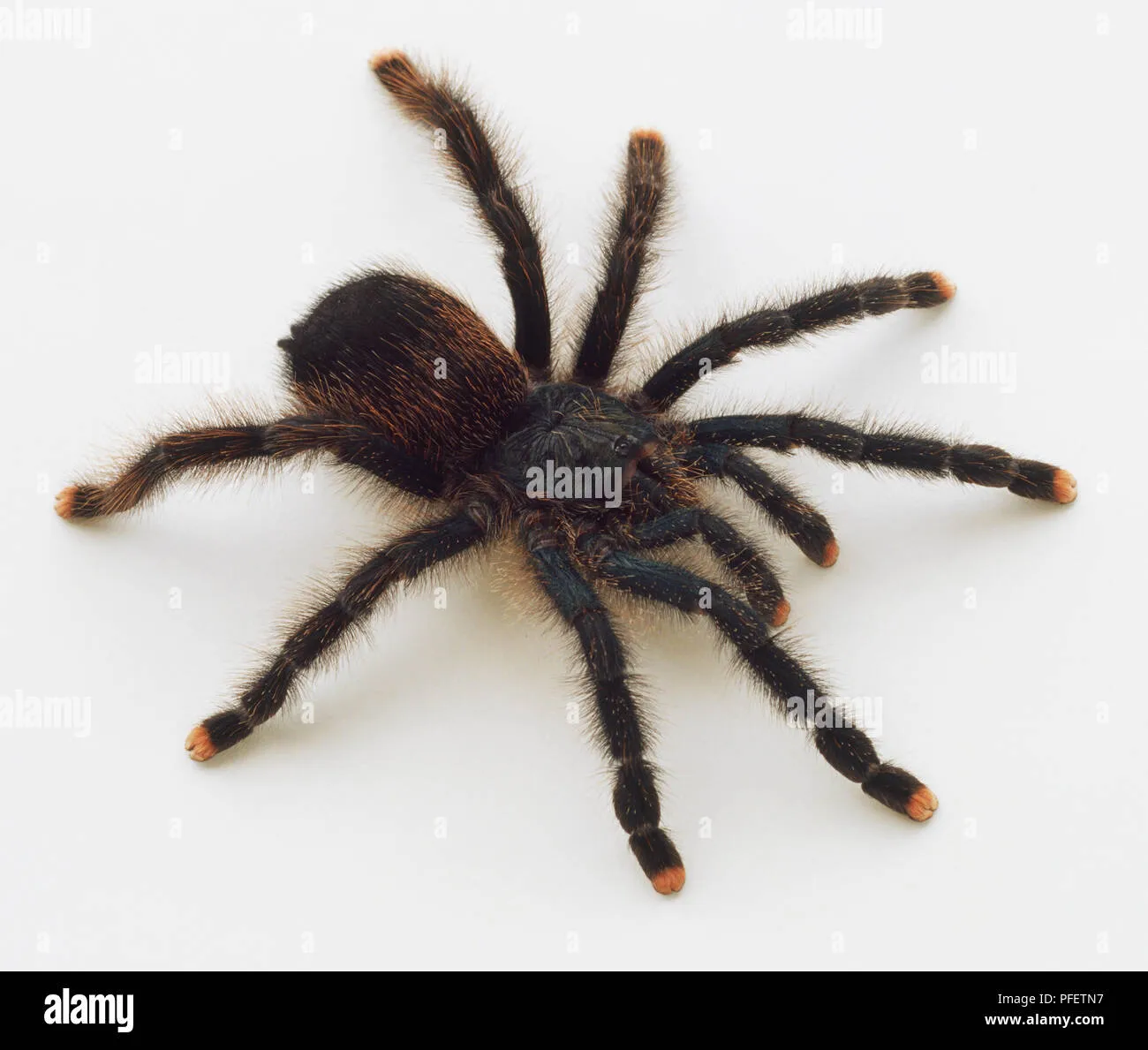
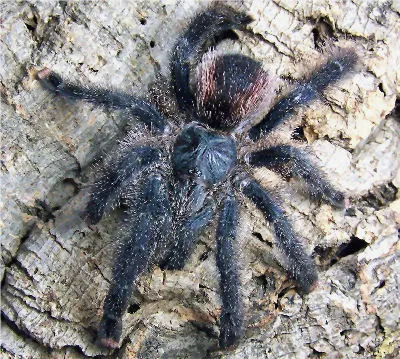
As the name suggests, the Pink Toe Tarantula is renowned for its pink-colored feet, a stark contrast to the rest of its body. Adults typically measure between 4 to 6 inches in leg span. Their bodies are covered in dark hairs, with a brownish-gray or black carapace. These arboreal tarantulas are well-adapted to living in trees, possessing specialized claws on their feet to grip branches and vertical surfaces. Their light weight and agility allows them to move with remarkable speed. They also have the ability to leap short distances, a trait that aids in both hunting and escaping potential predators.
Origin & Habitat

Pink Toe Tarantulas are native to the rainforests of the Caribbean, South America, and Central America. In their natural habitat, they dwell in trees and shrubs, constructing silken nests within the foliage. These nests offer protection from the elements and serve as a secure location for the tarantula to rest, molt, and ambush prey. The humid environment and abundance of insects in their native regions provide ideal conditions for their survival. Understanding their natural environment is crucial for replicating those conditions in captivity, which is essential for the tarantula’s well-being.
Are Pink Toe Tarantulas Poisonous?
A common misconception surrounding tarantulas is that they are highly venomous. The term ‘poisonous’ is often used incorrectly. Pink Toe Tarantulas are not poisonous; they are venomous. ‘Poisonous’ refers to organisms that cause harm when ingested or touched, whereas ‘venomous’ refers to organisms that inject toxins via a bite or sting. Pink Toe Tarantulas use their venom primarily to subdue prey. Their venom is not considered medically significant to humans, but a bite can still be painful and cause localized symptoms.
Venom and its Effects
The venom of a Pink Toe Tarantula is relatively mild compared to some other tarantula species. The effects of a bite are typically localized, causing pain, redness, and swelling around the bite site. Some individuals may experience mild muscle cramps or itching. Serious reactions are extremely rare. Unlike some other venomous creatures, Pink Toe Tarantulas do not possess venom that poses a significant threat to human life. However, it’s important to note that individual reactions can vary, and anyone bitten should clean the wound and monitor for any signs of infection or severe allergic reactions. Consult a doctor if symptoms worsen.
Comparison with Other Tarantulas

Compared to ground-dwelling tarantulas, the Pink Toe Tarantula is less likely to bite defensively. They are generally considered to be a more docile species, but they are still capable of biting if they feel threatened. Their venom is less potent than that of some other tarantula species, such as the Goliath Birdeater. While the Goliath Birdeater is known for its intimidating size and potentially more painful bite, the Pink Toe Tarantula is generally a better choice for beginner tarantula keepers due to their manageable size, lower venom potency, and overall temperament. However, all tarantulas should be handled with caution and respect.
Pink Toe Tarantula Care
Caring for a Pink Toe Tarantula involves understanding its specific needs in terms of enclosure, feeding, and environmental conditions. With proper care, these tarantulas can thrive in captivity for many years. Providing a suitable habitat, regular feeding, and mindful handling are crucial components of responsible tarantula ownership. The following sections will outline the essential aspects of Pink Toe Tarantula care to help ensure the health and well-being of your pet. Remember to research and prepare thoroughly before acquiring a Pink Toe Tarantula to ensure you can meet its needs.
Enclosure Setup
Due to their arboreal nature, Pink Toe Tarantulas require a vertical enclosure. A terrarium at least 12x12x18 inches is suitable for an adult, but larger is always better. The enclosure should have good ventilation, such as mesh tops or strategically placed air holes. The substrate should consist of a moisture-retaining material like coconut fiber or peat moss, and a layer of dry substrate can be added to prevent mold. Provide plenty of climbing opportunities with cork bark, branches, and artificial plants to mimic their natural habitat. A shallow water dish should always be available for drinking.
Feeding & Diet

Pink Toe Tarantulas are insectivores and feed primarily on insects. Crickets, roaches, mealworms, and other commercially available insects are all suitable. The size of the prey should be appropriate for the size of the tarantula; juvenile tarantulas should be fed smaller insects more frequently. Adults can be fed 2-3 times per week. It’s essential to remove any uneaten prey within 24 hours to prevent stress or potential harm to the tarantula. Supplement the diet occasionally with vitamins and minerals, especially for growing spiderlings. Always provide fresh water.
Handling & Safety
While Pink Toe Tarantulas are generally docile, they are still delicate creatures. Handling should be kept to a minimum, and only attempted when necessary, such as for enclosure maintenance. Avoid sudden movements and be mindful of the tarantula’s body language; a defensive posture means the tarantula feels threatened. Always wash your hands thoroughly before and after handling a tarantula. If a bite occurs, remain calm, clean the wound with soap and water, and monitor for any adverse reactions. It is recommended to handle them in a controlled environment, such as close to a soft surface in case the tarantula falls.
Common Health Issues
Pink Toe Tarantulas, like other tarantulas, are susceptible to certain health issues. These can include mites, fungal infections, and dehydration. Mites can be identified by tiny, moving specks on the tarantula or within the enclosure. Maintaining proper humidity and ventilation can help prevent fungal infections. Signs of dehydration include a shrunken abdomen and lethargy; ensure a constant supply of fresh water. If you suspect your tarantula is ill, isolate it and consult with a veterinarian specializing in exotic animals. Proper husbandry is key to preventing most health problems.
Conclusion
The Pink Toe Tarantula is a captivating and relatively easy-to-care-for species, making it a popular choice for both novice and experienced tarantula keepers. Understanding their characteristics, needs, and potential health issues is crucial for providing a happy and healthy life for these fascinating creatures. From their striking appearance and manageable temperament to their relatively mild venom, the Pink Toe Tarantula offers a rewarding experience for anyone interested in exotic pets. By following the guidelines outlined in this article, you can provide a thriving environment for your Pink Toe Tarantula, allowing you to enjoy the wonders of this unique and beautiful species.