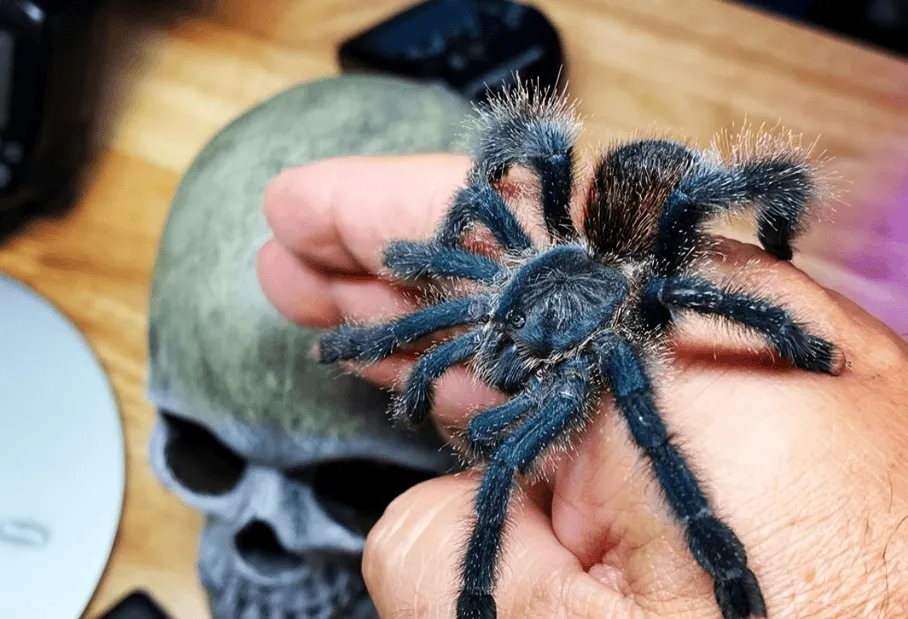
Understanding the Pink Toe Tarantula (Avicularia avicularia)
The Pink Toe Tarantula, scientifically known as Avicularia avicularia, is a captivating arboreal tarantula species, popular among arachnid enthusiasts. Native to the rainforests of South America and the Caribbean, these spiders are prized for their vibrant coloration and docile nature, making them a rewarding pet for both novice and experienced keepers. Understanding their natural habitat and behaviors is crucial for providing appropriate care and ensuring their well-being. Pink Toes are well-suited to life in a humid, tropical environment, and their care requirements reflect this. Learning about these magnificent creatures, from their preferred climate to their dietary needs, is the first step in becoming a successful Pink Toe Tarantula keeper. This knowledge will inform all your decisions about housing, feeding, and interacting with your new pet.
Appearance and Characteristics of Pink Toe Tarantulas
Pink Toe Tarantulas are immediately recognizable by their distinct appearance. They get their common name from the pink or reddish coloration on the tips of their feet, a striking contrast to their otherwise dark bodies. The carapace, or the top of their head, is often a metallic blue or green hue, which adds to their visual appeal. Adult females can reach a leg span of up to 5-6 inches, while males are typically smaller. These tarantulas possess urticating hairs on their abdomen, which they can flick off as a defense mechanism if they feel threatened. Their overall appearance is graceful and elegant, a testament to their arboreal lifestyle. The Pink Toe Tarantula’s coloration and features make it a very attractive choice for many hobbyists, making it a great pet to own and observe in its natural habitat within a terrarium.
Recognizing a Healthy Pink Toe Tarantula

Identifying a healthy Pink Toe Tarantula is key to its longevity. A healthy tarantula will exhibit a robust appetite, readily accepting food items like crickets, roaches, and mealworms. Their abdomen should be plump, indicating they are well-fed and hydrated. They should also display a good level of activity, exploring their enclosure and occasionally webbing. Signs of poor health include lethargy, loss of appetite, and a shrunken abdomen. Other indicators include a dull appearance, difficulty molting, or any unusual behaviors. If you observe any of these signs, it’s essential to assess the environment and consult with an experienced tarantula keeper or a veterinarian specializing in exotic animals. Regular observation is important to monitor for any changes in the tarantula’s condition and to catch any potential health issues early on, which can be critical for treatment.
Creating the Perfect Pink Toe Tarantula Habitat
Creating a suitable habitat is vital for the well-being of your Pink Toe Tarantula. Their arboreal nature means that they need an enclosure that is taller than it is wide, allowing for climbing and exploration. Proper ventilation is crucial, but it must be balanced with maintaining adequate humidity levels. The habitat should mimic their natural rainforest environment as closely as possible, providing ample opportunity to thrive. Consider their specific needs to create a comfortable, secure, and stimulating home. With a well-designed enclosure, your Pink Toe Tarantula will be able to exhibit its natural behaviors and live a long and healthy life.
Choosing the Right Enclosure for Your Pink Toe Tarantula
Choosing the right enclosure is a critical aspect of Pink Toe Tarantula care. A good enclosure should be at least three times the tarantula’s leg span in height. Acrylic or glass terrariums work well, but ensure that the enclosure has secure ventilation to promote airflow. The lid should be tight-fitting to prevent escape, but easy to open for feeding and maintenance. Avoid enclosures with sharp edges or features that could harm the tarantula during its movements. Consider the adult size of the tarantula when selecting the enclosure, ensuring that there is sufficient room for growth and movement. A well-chosen enclosure will promote a healthy and stress-free environment for your Pink Toe Tarantula.
Substrate and Decor for Your Pink Toe Tarantula

The substrate and decor you provide will have a significant impact on your Pink Toe Tarantula’s well-being. The substrate should retain moisture to maintain the necessary humidity levels. A mix of coconut fiber, peat moss, or a combination of the two works well. Avoid substrates with sharp edges or toxic chemicals. Decor should include climbing branches, cork bark, and artificial or live plants. These additions provide hiding places and simulate the tarantula’s natural environment. Ensure that all decor is securely placed and will not topple over, potentially harming the tarantula. Providing a naturalistic habitat will not only enhance the aesthetic appeal of the enclosure but also provide your Pink Toe Tarantula with opportunities for enrichment.
Maintaining Ideal Temperature and Humidity
Maintaining the correct temperature and humidity is critical for the health of your Pink Toe Tarantula. The ideal temperature range is between 75-85°F (24-29°C). You can use a heat pad or a low-wattage heat lamp to maintain the desired temperature. Avoid placing the heat source directly under the enclosure, as this can lead to overheating. The humidity level should be kept between 70-80%. Regular misting with a spray bottle filled with dechlorinated water can help maintain the correct humidity. Use a hygrometer to monitor humidity levels. Proper temperature and humidity conditions will promote healthy molting and prevent dehydration, and overall wellbeing. Be sure to always monitor the environment to ensure it stays in the optimal range for your tarantula.
Feeding Your Pink Toe Tarantula a Nutritious Diet
A balanced diet is essential for the health and well-being of your Pink Toe Tarantula. These tarantulas are primarily insectivores, and their diet should consist mainly of appropriately sized insects. Provide a variety of insects to ensure the tarantula receives all the necessary nutrients. Feeding should be consistent with the tarantula’s age and size, as well as their overall health and growth progress. Be sure to observe them to ensure they are eating, and to adjust the diet accordingly. A proper feeding routine ensures your tarantula thrives and maintains the correct nutritional intake. Do not overfeed, as this can lead to a variety of health problems.
What to Feed Your Pink Toe Tarantula

The primary food sources for Pink Toe Tarantulas should include a variety of insects. Crickets, roaches (such as Dubia roaches), and mealworms are commonly used. The size of the insects should be appropriate for the tarantula’s size; generally, the prey should be no larger than the tarantula’s abdomen. Other options include small superworms, waxworms (as an occasional treat), and pre-killed pinkie mice for adult tarantulas. Always ensure that the insects you provide are from a reputable source and are free from pesticides. Remember to remove any uneaten insects after a day or two to prevent them from disturbing the tarantula or potentially harming it. Variety in the diet can contribute to overall good health.
Feeding Frequency and Portion Sizes
The feeding frequency depends on the age and size of your Pink Toe Tarantula. Spiderlings and juveniles should be fed more frequently, usually every 2-3 days. Adult tarantulas can be fed less often, typically once or twice a week. Observe your tarantula’s feeding habits to determine the appropriate frequency. If the tarantula readily consumes its prey, then it is likely getting enough to eat. The portion size should be appropriate for the tarantula’s size, and you should aim to provide a quantity of insects that the tarantula can consume within a day or two. Adjust feeding frequency and portion sizes to match your tarantula’s appetite and growth stage. Overfeeding can lead to a variety of health problems.
Watering and Hydration for Pink Toe Tarantulas
Providing fresh water is essential to the health of your Pink Toe Tarantula. Pink Toes get much of their hydration from humidity, but a source of fresh water is necessary. They need access to fresh, clean water at all times. Dehydration can be a serious issue, so monitoring your tarantula’s hydration levels is crucial. Offering water properly and consistently promotes optimal health.
Providing Fresh Water

A shallow water dish is a safe and effective way to provide fresh water. Use a small, stable dish, such as a bottle cap or a shallow dish designed for reptiles and invertebrates. Regularly refill the water dish with clean, dechlorinated water. Always make sure that the dish is positioned in a way that your tarantula can easily access it without the risk of drowning. Sponges can also be used as water sources; however, these should be cleaned regularly to prevent the buildup of mold and bacteria.
Monitoring Hydration Levels
Recognizing signs of dehydration is crucial for maintaining the health of your Pink Toe Tarantula. A dehydrated tarantula may exhibit a shrunken abdomen, lethargy, and lack of appetite. If you suspect dehydration, increase humidity by misting the enclosure more frequently. Ensure the water dish is always full and easily accessible. If the problem persists, consult with an experienced keeper or a vet specializing in exotic animals, as the spider may need veterinary intervention. Regular checks of hydration levels ensures your tarantula’s well-being.
Handling and Interaction with Your Pink Toe Tarantula
While Pink Toe Tarantulas are generally docile, handling them should be kept to a minimum. These tarantulas are not particularly fond of being handled, and unnecessary interactions can cause stress. If handling is necessary, always do so with caution and with a gentle approach. Interactions should prioritize the well-being of the spider and minimize any risk of injury to the tarantula or the handler.
Understanding Pink Toe Tarantula Temperament

Pink Toe Tarantulas are known for their generally docile temperament. They are less prone to biting than many other tarantula species. When startled or threatened, they may flick urticating hairs or attempt to flee. Understanding their temperament and reading their body language can help prevent unwanted interactions. Always move slowly and deliberately when interacting with a Pink Toe Tarantula. Observe their behavior to assess their comfort level. They are not generally aggressive, but can become defensive if they feel threatened.
Safe Handling Practices
If you must handle your Pink Toe Tarantula, do so with extreme caution. Always sit or stand close to the ground to minimize the distance of a potential fall. Use a soft, broad surface to move them onto if necessary. Avoid sudden movements or loud noises that could startle the tarantula. Be mindful of your tarantula’s body language; if it appears stressed or defensive, gently place it back in its enclosure. Handling is best done in a controlled environment where the tarantula cannot escape. Prioritizing safety helps ensure the well-being of both the tarantula and the handler.
Health and Common Issues in Pink Toe Tarantulas
Pink Toe Tarantulas, like all living creatures, can be susceptible to various health issues. Recognizing these common problems and understanding their causes is critical for responsible care. Addressing health issues promptly can increase the chances of a positive outcome. Be prepared to take action if you see signs of distress. Regular monitoring of your tarantula will facilitate prompt intervention and a healthier life for your pet.
Identifying and Addressing Common Health Problems

Some common health problems in Pink Toe Tarantulas include dehydration, parasitic infections, and injuries sustained during molting. Dehydration can be addressed by ensuring proper humidity and providing access to fresh water. Parasitic infections are less common but can be prevented by ensuring a clean enclosure and a healthy diet. Injury during molting can be minimized by providing appropriate substrate and maintaining the correct humidity. Regularly observe your tarantula for any signs of illness or injury. If you notice any unusual symptoms, consult an experienced tarantula keeper or a veterinarian specializing in exotic animals.
Molting Process and What to Expect
Molting is a natural process where tarantulas shed their exoskeleton to grow. During this process, the tarantula will usually stop eating, and may appear sluggish. It may also start laying down webbing to prepare for molting. It is important not to disturb the tarantula during the molting process. Provide the appropriate humidity levels during molting, as this helps the tarantula to successfully shed its exoskeleton. After molting, the tarantula’s new exoskeleton will be soft, and they will be vulnerable. Do not feed the tarantula for a few days after molting, until its fangs have hardened. The molting process can be an extraordinary experience to observe, showcasing the resilience of these fascinating creatures.
Breeding Pink Toe Tarantulas
Breeding Pink Toe Tarantulas is a complex undertaking, but can be a rewarding experience for experienced keepers. Breeding requires careful planning and preparation. The process involves selecting healthy, mature specimens, and creating the optimal conditions for mating and egg laying. Breeding also requires providing a suitable environment for raising spiderlings. Be prepared to invest significant time and resources. Breeding Pink Toes is not for the inexperienced keeper. Before attempting to breed these spiders, learn the nuances of tarantula reproduction and have a plan in place. If successful, you will be able to see the cycle of life of these magnificent creatures.
Sexing Your Pink Toe Tarantula
Sexing your Pink Toe Tarantula is essential for breeding purposes. Sexing is determining the sex of a tarantula. This is typically done by examining the underside of the tarantula’s abdomen, often after a molt. Adult males will have modified pedipalps (the small appendages near the mouth) used for mating. Also, male tarantulas possess a small spur on their first pair of legs. Females have a spermatheca, an organ used to store sperm, which is visible through the molt. The easiest method is to examine the exuvium (molted exoskeleton). Sexing can be a challenging task. Experience and knowledge of tarantula anatomy are key to accurately sexing these tarantulas.
Setting Up a Breeding Environment
Creating a suitable breeding environment involves setting up the correct conditions for successful reproduction. Provide a spacious enclosure with appropriate temperature, humidity, and substrate. Introduce the male to the female’s enclosure and closely supervise their interactions. After mating, remove the male to prevent him from being eaten by the female. The female will then lay eggs, and you must provide her with a safe, undisturbed environment until the eggs hatch. Provide ample food to the female to ensure that she is able to produce healthy eggs. Successfully breeding Pink Toe Tarantulas is a significant achievement, reflecting your dedication to providing excellent care.