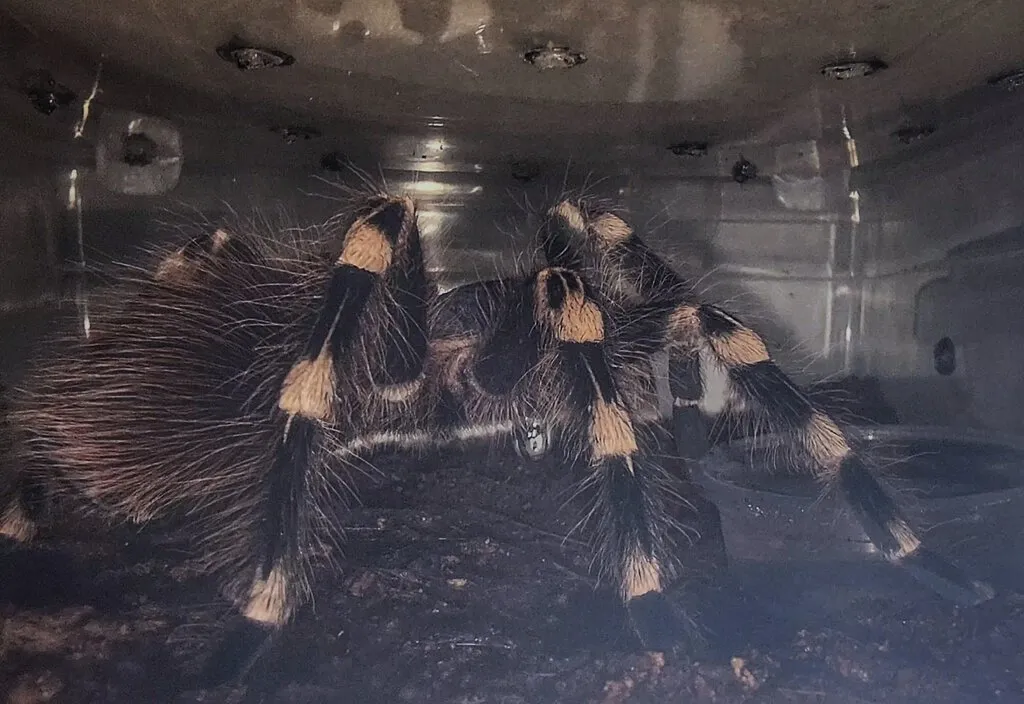
Understanding Pet Tarantula Hydration Needs
Caring for a pet tarantula involves understanding its specific needs, and a critical aspect of this is ensuring proper hydration. Unlike mammals, tarantulas absorb water through their exoskeletons and by drinking. Providing a consistent source of clean water is essential for their health, molting process, and overall well-being. This article delves into the details of how to ensure your pet tarantula stays hydrated, covering everything from the importance of water to practical tips and troubleshooting advice. Proper hydration is often overlooked, but is absolutely crucial for the longevity and vitality of your tarantula, therefore, requires attention to detail and a proactive approach.
Why is Water Crucial for Pet Tarantulas?
Water is fundamental to a tarantula’s survival and plays multiple vital roles within its body. It is essential for maintaining proper bodily functions, including blood circulation, nutrient transport, and waste removal. Water also supports the tarantula’s molting process, as it helps the exoskeleton to shed correctly. Adequate hydration ensures the tarantula’s tissues remain supple and helps prevent the exoskeleton from becoming too hard and brittle, which could complicate molting. Without sufficient water, a tarantula cannot thrive, making its availability a non-negotiable aspect of tarantula husbandry. The availability of water is directly related to the overall health of your tarantula.
Dehydration Risks for Tarantulas

Dehydration can pose significant risks to pet tarantulas, leading to various health problems. Insufficient water intake can cause sluggishness, reduced appetite, and difficulties during molting. A dehydrated tarantula may experience a hardening of its exoskeleton, which can trap the spider during molting, leading to injury or even death. Furthermore, dehydration can weaken the tarantula’s immune system, making it more susceptible to diseases and infections. Keeping a close eye on your pet tarantula’s hydration is very important because it plays such an important role in its health. The risks are very important and therefore this is one of the most vital parts of caring for your tarantula.
Signs of Dehydration in Your Tarantula
Recognizing the signs of dehydration is crucial for timely intervention. Look out for these telltale signs: a wrinkled or shrunken abdomen, lethargy or inactivity, loss of appetite, and difficulty moving. Also, observe if the tarantula is spending a lot of time near its water source, but not drinking. In more severe cases, the tarantula’s legs may become stiff and its body may appear sunken. Regularly inspecting your tarantula for these indicators allows you to address potential hydration issues promptly and prevent serious health complications. If you notice any of these signs, immediately adjust the water provision and monitor your tarantula closely.
Providing Water Safely Top Tips
Providing water safely involves several considerations to ensure your tarantula has access to clean, uncontaminated water at all times. This includes the selection of the right water dish, appropriate watering methods, and regular maintenance to prevent the growth of bacteria and other harmful organisms. Your goal is to provide the tarantula with the ability to drink safely and avoid any health complications that could arise from contaminated water. Ensuring a clean, easily accessible water source is paramount to its health.
Water Dish Selection and Placement

The choice of water dish and its placement within the enclosure significantly impact a tarantula’s access to water and its safety. The ideal water dish should be shallow to prevent the tarantula from drowning, especially for smaller species and spiderlings. It should also be stable and not easily tipped over, as this could spill the water and disrupt the humidity levels. The material should be non-toxic and easy to clean to maintain hygiene. Location plays a vital role in the safety and accessibility of the water dish for the tarantula.
Choosing the Right Water Dish Material
When selecting a water dish, consider materials that are safe, durable, and easy to maintain. Ceramic dishes are a popular choice due to their stability and resistance to tipping, as well as being very easy to clean. Plastic dishes are also suitable, provided they are made from non-toxic materials and are regularly cleaned. Avoid materials that could leach harmful chemicals into the water. The best water dish materials are those that are non-reactive, easy to clean, and safe for the tarantula. Stainless steel is also a great choice due to its durability and easy cleaning properties.
Optimal Water Dish Placement in the Enclosure
Proper placement of the water dish is crucial for the tarantula’s access and safety. Place the dish in a location that is easily accessible to the tarantula, ideally on the substrate, away from any potential hazards like heating elements or direct sunlight. If the enclosure has a hide, position the water dish nearby to encourage the tarantula to drink. Regularly check the water dish’s position and its surroundings to ensure it remains stable and safe. Make sure the tarantula can comfortably reach the water source without any obstacles. Good placement is essential for easy access.
Watering Methods for Pet Tarantulas

There are several effective methods for providing water to your pet tarantula, the most common being the use of water bowls and spray bottles. Each method has its advantages and disadvantages, and the best choice often depends on the size of the tarantula, its species, and your personal preference. Whether using a bowl or a spray, the primary goal is to provide a safe and accessible water source. Many keepers use a combination of methods to make certain their tarantula has the best access to water.
Using Water Bowls
Water bowls are the most straightforward way to provide water and are suitable for tarantulas of all sizes. Choose a shallow dish that is appropriately sized for your tarantula, ensuring that it can easily reach the water without the risk of falling in. Regularly clean the water bowl and refill it with fresh water. The simplicity of this method makes it a popular choice, but it is vital to keep the bowl clean to prevent bacterial growth. Be mindful of the water level, especially with smaller tarantulas, to prevent any potential drowning hazards. The main benefit is convenience and ease of use.
Using a Spray Bottle
Using a spray bottle to mist the enclosure can provide water and also increase humidity, which is crucial for certain tarantula species. When using this method, spray the enclosure lightly, avoiding direct contact with the tarantula. Mist one side of the enclosure to allow the tarantula to drink droplets from the surfaces. Always use dechlorinated water to avoid harming the tarantula. Regular misting is a good method to supply drinking water and also maintain the required humidity levels, especially for species that thrive in humid environments. This is the best method for tropical species.
Maintaining Water Quality

Maintaining high-quality water is crucial to ensure the health and well-being of your pet tarantula. This involves regular cleaning of the water source and careful selection of the water used. Dirty water can lead to bacterial growth and disease, so diligent maintenance is essential for a healthy tarantula environment. Keeping the water clean is essential for tarantula health.
Cleaning and Refilling the Water Dish
Regular cleaning of the water dish prevents the buildup of bacteria and algae. Ideally, the water dish should be cleaned and refilled daily, or at least every other day. When cleaning, remove the water dish, rinse it thoroughly with warm water, and dry it before refilling. Avoid using soaps or detergents, which can be toxic to tarantulas. Regularly inspect the water dish for any debris and remove it immediately. A clean water dish is key to preventing potential health issues and ensuring the tarantula drinks safely.
Water Source Considerations Tap Water vs Bottled
The choice between tap water and bottled water is an important consideration when caring for a tarantula. Tap water often contains chlorine and chloramine, which are harmful to tarantulas. To use tap water, it should be dechlorinated using a water conditioner or allowed to sit for 24 hours to let the chlorine evaporate. Bottled water, especially spring water or purified water, is a safer option as it typically lacks these chemicals. Always ensure the water is free from additives and safe for consumption. When in doubt, bottled water is usually the best and safest choice.
Humidity and Hydration Balancing Act

Humidity and hydration are closely linked in the context of tarantula care. Maintaining the right humidity level helps tarantulas stay hydrated, especially during molting. The humidity level needed varies based on the tarantula species. Understanding the relationship between these two elements is essential to providing proper care for your tarantula. Both play a vital role in keeping a tarantula healthy and happy. The environment must be tailored to the species of tarantula you have.
Monitoring Humidity Levels in the Enclosure
Monitoring the humidity level in the enclosure is crucial for the health and well-being of your pet tarantula. Use a hygrometer to measure the humidity. The ideal humidity range varies by species. Some tarantulas prefer arid conditions with low humidity, while others thrive in humid environments. Regularly check the hygrometer to make sure humidity levels remain within the recommended range. A stable and appropriate humidity level is very important for proper tarantula health. Using a hygrometer is the best way to do this.
Humidity Control Techniques
Various techniques can be used to control humidity levels. For species that require higher humidity, misting the enclosure with water from a spray bottle can be effective. Proper ventilation is important to prevent excessive moisture buildup, so make sure your enclosure has adequate airflow. The substrate used also affects humidity, as some substrates retain moisture better than others. Adjusting these factors allows you to maintain the ideal humidity for your tarantula. Experiment with these methods to find the best approach.
Special Considerations and Tips
Certain situations and circumstances require special attention when it comes to ensuring your pet tarantula’s hydration. The hydration needs of different species can vary, and there are specific actions you can take if a tarantula refuses to drink. Knowing how to handle these special cases is vital for providing comprehensive care. It is also important to learn about special considerations depending on the type of tarantula you own.
Hydration Needs for Different Tarantula Species
Different tarantula species have varying hydration requirements. Some species, like those from arid environments, need less humidity and water, while others, like those from tropical regions, require higher humidity. Research the specific needs of your tarantula species. Adjust watering frequency, humidity levels, and enclosure setup to match those needs. Providing the correct environment is one of the most important parts of tarantula care. Tailoring the care to your specific species is crucial for optimal health.
What to Do If Your Tarantula Refuses to Drink
If your tarantula refuses to drink, there could be several reasons. The tarantula may be getting enough moisture from its prey or the enclosure’s humidity. However, it could also be a sign of a problem. Check for signs of dehydration and make sure the water is clean and accessible. Try different watering methods or adjust humidity levels to encourage drinking. If the problem persists, consult with a veterinarian or experienced tarantula keeper. Never force the tarantula to drink but address any apparent issues.
In conclusion, ensuring that your pet tarantula is properly hydrated is one of the most important aspects of tarantula care. Understanding the importance of water, how to provide it safely, and recognizing the signs of dehydration are key to keeping your tarantula healthy and thriving. By following the guidelines provided in this article, you can create an ideal environment for your tarantula, ensuring its long and happy life. Remember that paying close attention to your pet’s needs is the most important part of taking care of your tarantula.