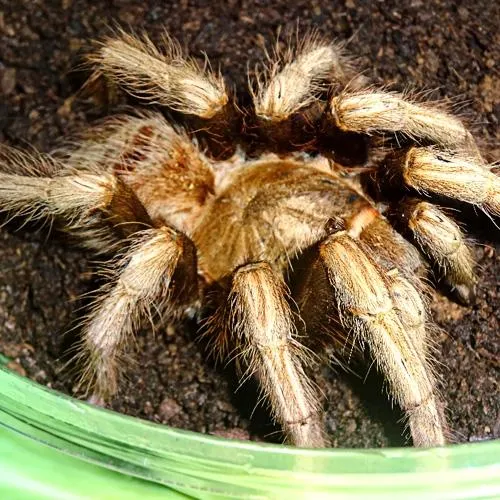
The Peruvian Blue Zebra Tarantula’s Habitat
Caring for a Peruvian Blue Zebra Tarantula (Pamphobeteus antinous) is a rewarding experience, but it requires understanding their specific needs. This guide will unlock the secrets to providing a thriving environment for your tarantula, ensuring its health, happiness, and longevity. The first key to success lies in replicating their natural habitat as closely as possible. These stunning arachnids, known for their vibrant blue coloration and zebra-like striping, originate from the rainforests of Peru. Understanding their natural environment is the foundation of proper care, setting the stage for a long and fulfilling life for your pet. By providing the right habitat, you’re not just housing a tarantula; you’re offering it a sanctuary where it can thrive.
Enclosure Size and Setup
Choosing the right enclosure is paramount. A juvenile Peruvian Blue Zebra Tarantula can be comfortably housed in a terrarium that is approximately 10 gallons, or 12x12x12 inches. As they mature, they will need more space to move around and hunt. Adults need at least a 20-gallon long tank (30x12x12 inches), or even larger, especially for females. A good rule of thumb is to provide a space that is roughly three times the tarantula’s leg span in width and length. Ventilation is also crucial; ensure the enclosure has cross-ventilation to prevent stagnant air and mold growth. The enclosure should be escape-proof, with a secure lid and no gaps. Consider the tarantula’s burrowing nature when setting up; provide enough substrate depth to allow for burrowing and hiding. The enclosure setup mimics the tarantula’s natural environment and promotes its well-being.
Substrate Selection

The substrate serves multiple purposes: it provides a surface for the tarantula to walk on, helps maintain humidity, and allows for burrowing. A good substrate mix for a Peruvian Blue Zebra Tarantula should hold moisture while also allowing for proper drainage and preventing mold. A popular choice is a blend of eco-earth or coconut fiber, peat moss, and a small amount of vermiculite or sphagnum moss. This combination provides excellent moisture retention and allows the tarantula to create burrows. The substrate should be at least 4-6 inches deep, especially for adults, giving them ample space to burrow. Avoid substrates that are too dusty or that can be easily ingested by the tarantula. Regularly monitor the substrate for mold and replace it as needed to maintain a healthy environment for your tarantula. The right substrate contributes significantly to your tarantula’s physical and psychological health, encouraging natural behaviors and a sense of security.
Humidity and Temperature Regulation
Peruvian Blue Zebra Tarantulas thrive in a humid environment, but it’s crucial to strike a balance. Aim for a humidity level of 70-80%. You can monitor humidity using a hygrometer placed inside the enclosure. To maintain humidity, lightly mist the substrate every few days, but avoid directly spraying the tarantula. Ensure proper ventilation to prevent the enclosure from becoming overly saturated, which can lead to mold and other health issues. Temperature is also an important factor; keep the enclosure temperature between 75-85°F (24-29°C). You can use a heat mat or a low-wattage heat lamp to maintain the desired temperature, but ensure that the heat source does not directly contact the substrate or enclosure walls to prevent burns. Consistent humidity and temperature are critical for the tarantula’s health and successful molting. Proper regulation also helps prevent respiratory problems and ensures the overall comfort of your pet.
Watering and Hydration
Providing a clean water source is essential for hydration. Use a shallow water dish filled with fresh, dechlorinated water. The water dish should be small enough to prevent the tarantula from falling in and drowning, but large enough for it to easily access. Regularly refill the water dish, at least every other day, and clean it with warm water to prevent bacterial growth. Alternatively, you can provide hydration by misting the enclosure walls, especially during molting, but never directly spray the tarantula itself. The tarantula will drink droplets formed by the mist. Monitoring the tarantula’s behavior can indicate its hydration level. If it appears lethargic or refuses food, it might be dehydrated. Make sure that the water source is consistently available, clean, and easily accessible to the tarantula. Hydration is vital for all biological functions, including metabolism, molting, and overall vitality.
Feeding Your Peruvian Blue Zebra Tarantula

Feeding your Peruvian Blue Zebra Tarantula appropriately is vital for its health and growth. These tarantulas are voracious eaters, but overfeeding can lead to problems. The type of food, feeding frequency, and the size of the prey all play a significant role in your tarantula’s well-being. It’s important to observe your tarantula’s feeding habits and adjust your approach based on its size, age, and appetite. A balanced diet is key, and the correct feeding regimen will support your tarantula’s growth and ensure its longevity, allowing it to thrive in your care.
Prey Selection
The primary diet for a Peruvian Blue Zebra Tarantula consists of insects. Crickets, mealworms, and dubia roaches are excellent choices. Varying the diet ensures that your tarantula receives a range of nutrients. The size of the prey should be appropriate for the tarantula’s size; it should be no larger than the tarantula’s body. Avoid feeding wild-caught insects, as they may carry parasites or pesticides that can harm your tarantula. Before feeding, gut-load the insects with nutritious food such as vegetables and commercial insect food. This ensures that your tarantula benefits from a nutritionally rich meal. Additionally, ensure the prey is alive and active when introduced to the enclosure to stimulate the tarantula’s hunting instincts. Choosing the right prey is more than just satisfying hunger; it’s a matter of providing essential nutrients that contribute to the tarantula’s health and vitality.
Feeding Frequency
The feeding frequency depends on the tarantula’s age and size. Spiderlings and juveniles require more frequent feedings, typically every 2-3 days. Sub-adults can be fed every 4-5 days, while adults can be fed once a week or even less often, depending on their appetite. Observe your tarantula’s abdomen; if it appears plump and round, it’s well-fed. If the abdomen shrinks, it may need more food. Remove any uneaten prey within 24 hours to prevent the prey from stressing or harming the tarantula. Adjust the feeding schedule as needed, depending on the tarantula’s molting cycle and overall condition. Overfeeding can lead to obesity, while underfeeding can hinder growth. Regular observation and adjustment will help you find the optimal feeding schedule, contributing to the long-term well-being of your Peruvian Blue Zebra Tarantula.
Handling and Safety

Handling a Peruvian Blue Zebra Tarantula should be approached with caution. These tarantulas are generally docile, but they are still venomous and can bite if they feel threatened. Understanding how to handle them safely is essential, both for your well-being and the tarantula’s. It’s important to consider the potential risks and to always prioritize the safety of both you and the animal. With the right precautions, you can interact with your tarantula while minimizing potential harm and stress. The primary goal is to create a safe and comfortable environment for both the owner and the tarantula.
Handling Best Practices
Handling a Peruvian Blue Zebra Tarantula should be kept to a minimum, especially for beginners. When handling is necessary, do so gently and slowly. Never grab the tarantula; instead, encourage it to walk onto your hand. Use a soft brush to gently guide it, if needed. Always handle the tarantula over a soft surface, such as a bed or a carpet, in case it falls. Avoid sudden movements or loud noises that could startle the tarantula. Be aware of the tarantula’s mood; if it appears agitated, defensive, or raises its front legs, it’s best to leave it alone. Wash your hands thoroughly before and after handling the tarantula to prevent the transfer of any substances. A calm approach ensures the tarantula does not feel threatened and reduces the risk of a defensive response, making interactions safer for both parties.
Safety Precautions
Peruvian Blue Zebra Tarantulas are venomous, though their venom is generally not considered medically significant to humans. However, a bite can still cause pain, localized swelling, and redness. Keep a safe distance from the tarantula’s fangs. Do not handle the tarantula if you are under the influence of alcohol or medication that could impair your judgment. If bitten, wash the area with soap and water and monitor for any adverse reactions. While serious complications are rare, it is always best to err on the side of caution. Always supervise children around tarantulas, and educate them about the dangers and proper care. Consider handling the tarantula only when necessary, and always prioritize your safety and the well-being of your pet. Proper precautions help prevent any incidents and ensure safe interaction with your pet.
Health and Well-being

Maintaining the health and well-being of your Peruvian Blue Zebra Tarantula involves observing its behavior, providing proper care, and recognizing potential health issues. Regular monitoring of the tarantula’s environment and physical condition is key to early detection of any problems. By being proactive and informed, you can ensure your tarantula lives a long, healthy, and fulfilling life. Health is a priority, so make sure to take your tarantula to vet if you think it has any issues.
Recognizing Common Health Issues
Several health issues can affect Peruvian Blue Zebra Tarantulas. Loss of appetite, lethargy, and unusual behavior can indicate illness. Check for mites; these small parasites can infest tarantulas and cause irritation. Look for small, moving dots on the tarantula’s body. Other signs of trouble include a swollen abdomen, which may indicate overfeeding or a parasitic infection. Dehydration can also be a problem, leading to lethargy and difficulty molting. Respiratory issues may arise if humidity is too low or if the enclosure is poorly ventilated. A tarantula that appears sluggish or shows signs of distress should be examined closely. If you notice any of these signs, consult a veterinarian experienced in exotic animals to get a correct diagnosis and treatment. Early detection and intervention are crucial for maintaining the health and well-being of your pet.
Molting Process and Care
Molting is a natural process where tarantulas shed their exoskeleton to grow. During this time, your tarantula will typically stop eating and may appear sluggish. The tarantula will usually flip onto its back during the molting process. Do not disturb it during this time; this is a delicate and vulnerable period. Ensure the enclosure humidity is correct to help the molting process. After molting, the tarantula’s new exoskeleton will be soft and vulnerable; avoid handling it for at least a week until the new exoskeleton hardens. Provide fresh water during this period. Watch for any deformities or abnormalities in the new exoskeleton. Molting can be stressful, so providing a calm and undisturbed environment is crucial. Successful molting is a sign of a healthy and growing tarantula, and careful observation and care during this process are essential to the animal’s well-being.
Conclusion

Caring for a Peruvian Blue Zebra Tarantula is a rewarding experience. By understanding their specific needs, from habitat and feeding to handling and health, you can provide a thriving environment. Remember the top 5 secrets: create the right habitat, feed them properly, handle with care, monitor their health, and respect their molting cycle. With proper care, your Peruvian Blue Zebra Tarantula can bring years of enjoyment and become a fascinating addition to your life. Embrace the beauty and unique qualities of this incredible species, and you’ll be well on your way to becoming a successful tarantula keeper. Enjoy the journey!