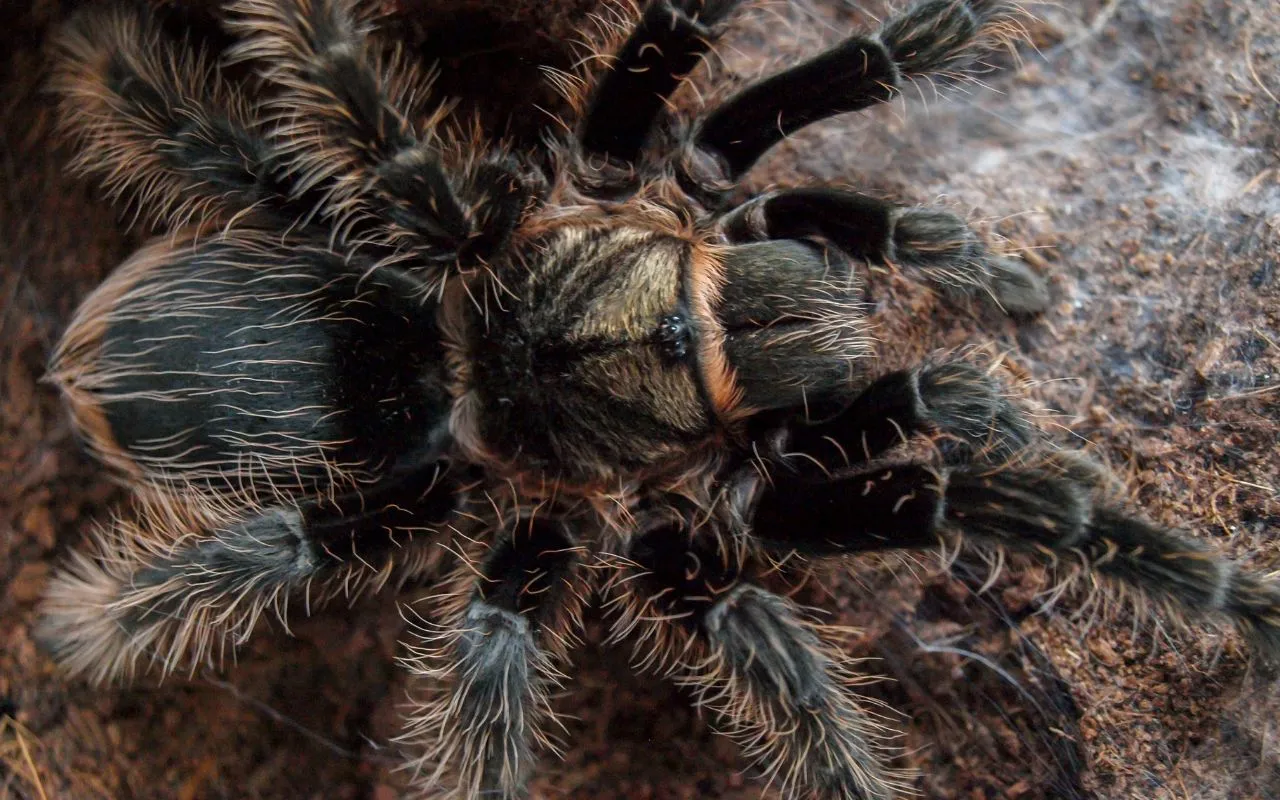
What is Molting?
Molting is a crucial biological process for tarantulas, and indeed all arthropods, that allows them to grow and replace their old exoskeletons. The exoskeleton, made of chitin, acts as a protective outer shell but does not grow. As a tarantula matures, it outgrows its exoskeleton, necessitating this process. The old exoskeleton restricts growth, so molting provides the tarantula with a new, larger “suit.” This process also allows them to replace lost limbs, repair damage, and shed internal parasites. Molting is, therefore, fundamental to a tarantula’s health and development, ensuring its survival and continued growth throughout its lifespan.
The Molting Process of a Curly Hair Tarantula
The molting process for a curly hair tarantula, and for tarantulas in general, is a complex and fascinating event. It begins with the tarantula preparing for the molt by ceasing to eat and becoming less active. The tarantula will often create a web mat to flip onto its back. Inside the old exoskeleton, a new, soft exoskeleton is forming. The tarantula then begins the process of shedding its old shell, often by absorbing fluids and creating pressure to split the exoskeleton, typically along the carapace or the abdomen. Once the old exoskeleton cracks, the tarantula slowly wriggles out, a process that can take several hours. After molting, the tarantula is incredibly vulnerable, as its new exoskeleton is soft and its fangs are weak. They will remain in this vulnerable state for several days or even weeks, depending on the size and age of the tarantula, allowing the new exoskeleton to harden fully. They will not eat during this period.
How Often Do Curly Hair Tarantulas Molt?

The frequency of molting in curly hair tarantulas varies depending on several factors, but generally, younger tarantulas molt more frequently than adults. Spiderlings and juvenile tarantulas may molt every few months, perhaps as often as twice a year. This is because they are growing rapidly. As the tarantula matures, the molting frequency decreases. Adult curly hair tarantulas typically molt once a year, or even less frequently, every 12-18 months. The process slows considerably as they reach their adult size, at which point they are much less reliant on molting to accommodate growth. Molting is a good indicator of overall health, so changes in frequency should be monitored carefully.
Factors Influencing Molting Frequency
Several factors influence how often a curly hair tarantula molts. Understanding these influences is crucial for proper care. It ensures you are providing an environment that supports healthy growth and development. The key factors revolve around the tarantula’s life stage and overall well-being.
Age and Maturity
As mentioned earlier, age is the most significant factor. Spiderlings and young juveniles molt much more frequently than sub-adults and adults. Rapid growth in early life demands more frequent molting. Older tarantulas, having reached maturity, experience a slowdown in growth, and their molting frequency decreases accordingly. This is a natural part of their life cycle and should be expected by any tarantula keeper.
Feeding Habits

The amount and type of food a curly hair tarantula consumes also influence molting frequency. Regular, adequate feeding provides the necessary nutrients for growth and, therefore, molting. Overfeeding, however, can lead to health issues, including problems during molting. A balanced diet of appropriately sized insects is vital. Adjusting the feeding schedule based on the tarantula’s age and size is crucial for maintaining a healthy molting cycle.
Environmental Conditions
Environmental conditions play a crucial role. Temperature and humidity levels should be maintained within the correct range for curly hair tarantulas. These parameters influence the tarantula’s metabolic rate and overall health. Proper humidity aids the molting process. Extreme temperatures and improper humidity levels can stress the tarantula, potentially affecting its molting cycle or even causing molting complications. Providing a suitable habitat is therefore paramount for a healthy molting experience.
Signs Your Tarantula is About to Molt
Recognizing the signs that your curly hair tarantula is about to molt can help you prepare and provide the best possible care. These signs include decreased appetite and a refusal to eat, the tarantula may become less active, and may even start to create a web mat on which to lay during the molting process. The abdomen may appear darker or more swollen. The tarantula might also display a change in behavior, such as spending more time hiding or being less responsive to stimuli. Observing these signs allows you to provide the optimal environment during this vulnerable period.
Caring for Your Tarantula During Molting

When your curly hair tarantula is molting, or preparing to molt, it is essential to provide the right conditions to ensure a successful molt. Avoid disturbing the tarantula during the molting process. Maintain appropriate temperature and humidity levels. Do not offer food during this time as the tarantula will not eat and it will only stress them out. Provide a clean and safe environment free from potential hazards. Handle your tarantula as little as possible during and after molting to allow the new exoskeleton to harden completely. Ensuring a calm environment will minimize stress.
What to Do After Molting
After molting, your tarantula will be in a vulnerable state. The new exoskeleton is soft, and its fangs are weak. Avoid handling your tarantula until the new exoskeleton has fully hardened. This can take several days or even a few weeks, depending on its size and age. Provide fresh water and, after a week or so, offer food. Start with small prey items to avoid overwhelming it. Observe your tarantula for normal behavior, and ensure that its environment is suitable for a successful recovery. After molting, your tarantula is likely to be brighter in color and possibly larger. You can also examine the old exoskeleton for sexing.