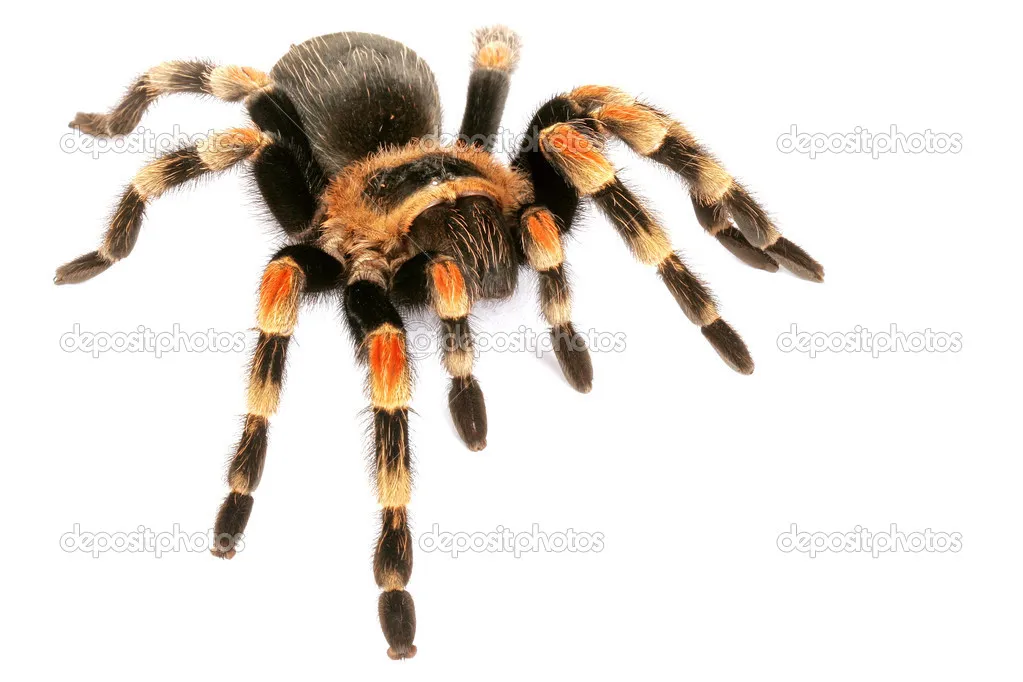
Mexican Redknee Tarantula Care 101 Amazing Tips
The Mexican Redknee Tarantula (Brachypelma hamorii) is a captivating and relatively docile species, making them a popular choice for tarantula enthusiasts of all levels. Their striking coloration, featuring vibrant red or orange markings on their leg joints, adds to their appeal. However, successful care goes beyond just admiring their beauty. This comprehensive guide provides 101 amazing tips to ensure your Mexican Redknee Tarantula thrives in a healthy and stimulating environment. From selecting a healthy spider to understanding their specific needs, this guide will help you provide the best possible care for your eight-legged friend. Get ready to embark on a fascinating journey into the world of tarantula keeping and discover the secrets to a happy and long-lived Mexican Redknee Tarantula.
Choosing Your Mexican Redknee Tarantula
The journey of tarantula ownership begins with selecting the right spider. A healthy start is crucial for the long-term well-being of your pet. Take your time when choosing your Mexican Redknee Tarantula, and be sure to source it from a reputable breeder or pet store that prioritizes animal welfare. Observe the tarantula’s behavior and physical condition closely before making a decision. A good choice ensures you’re starting with a robust individual, setting the stage for a successful and rewarding experience.
Selecting a Healthy Tarantula

When selecting a Mexican Redknee Tarantula, look for a spider that is alert and active. Its legs should be intact, and it should move with ease. Check for any signs of injury or missing limbs. The abdomen should be plump, not shrunken, indicating it is well-fed and hydrated. Avoid tarantulas that appear lethargic, have a dull appearance, or show any signs of parasites or mites. A healthy tarantula has bright coloration that is typical of the species, is responsive to its environment, and shows an eagerness to explore its surroundings. Always prioritize a tarantula that displays these key indicators of good health.
Where to Buy Your Tarantula
Choosing where to purchase your Mexican Redknee Tarantula is as crucial as selecting the spider itself. Reputable breeders and specialty pet stores are the best options. They typically have experience in tarantula care and can provide valuable advice and support. Avoid buying from sources that seem unprofessional or that have poor reviews. Online forums and tarantula-keeping communities can offer recommendations for trusted vendors in your area. Always make sure the vendor provides a health guarantee and offers assistance if you have any questions or concerns after your purchase. Doing your research and choosing a reputable source ensures that you will acquire a healthy spider from a reliable source.
Setting Up the Perfect Mexican Redknee Tarantula Habitat
Creating the ideal habitat is paramount to your Mexican Redknee Tarantula’s well-being. It is essential to replicate the natural environment of the spider as closely as possible to ensure its comfort and health. The enclosure should provide adequate space for movement, shelter, and opportunities for natural behaviors. Consider all the details, from the enclosure size and substrate to the temperature and humidity levels. A well-prepared habitat will help your tarantula feel safe, secure, and content in its new home.
Choosing the Right Enclosure

The enclosure should be appropriately sized for your tarantula. A juvenile Mexican Redknee Tarantula can start in a smaller enclosure, but as it grows, it will need more space. A general guideline is to provide an enclosure that is at least three times the tarantula’s leg span in width and length. Ensure the enclosure is escape-proof with a secure lid. Glass or clear plastic enclosures are excellent options, as they allow for easy viewing. Avoid enclosures with sharp edges or features that could potentially harm your tarantula. Ventilation is also essential to maintain good air circulation and prevent mold growth.
Substrate Selection for Comfort
The substrate serves as the flooring of the enclosure and plays a crucial role in maintaining humidity and providing a comfortable environment. A mixture of substrate materials is generally recommended for optimal conditions. A suitable substrate for a Mexican Redknee Tarantula could include a base of coconut fiber or peat moss, providing excellent moisture retention and burrowing ability. Add a layer of sphagnum moss in a corner to create a humidity retreat. Avoid substrates that contain harmful chemicals or can be toxic if ingested. The depth of the substrate should be sufficient to allow the tarantula to burrow and feel secure, typically 4-6 inches depending on the size of the tarantula.
Providing the Ideal Temperature and Humidity
Mexican Redknee Tarantulas thrive in a specific range of temperature and humidity. The ideal temperature is typically between 75-85°F (24-29°C). This can usually be achieved with room temperature, but if the room is cooler, a heat mat can be used, but only on the side of the enclosure, never underneath. Humidity levels should be maintained between 60-70%. Use a hygrometer to monitor humidity levels. To increase humidity, mist the enclosure lightly with dechlorinated water a few times a week, but avoid saturating the substrate. Proper ventilation is crucial in maintaining these conditions. Ensure you monitor the temperature and humidity closely to maintain the ideal living conditions.
Proper Ventilation is Key

Proper ventilation is as crucial as temperature and humidity regulation. Adequate airflow prevents the buildup of harmful mold and bacteria, which can cause serious health problems for your tarantula. Make sure the enclosure has sufficient ventilation holes, typically located in the lid and sides. Avoid blocking the ventilation openings. If the humidity is too high, the ventilation may be insufficient. In these instances, adjusting the ventilation by increasing the number of ventilation holes can help. Regular cleaning of the enclosure also promotes good ventilation, helping maintain the appropriate air quality.
Feeding Your Mexican Redknee Tarantula
Feeding your Mexican Redknee Tarantula appropriately is essential for its health and longevity. The diet, frequency of feeding, and portion sizes all play a vital role in providing your tarantula with the nutrients it requires. Understanding these aspects of feeding is the key to successful tarantula care. It is important to note that Mexican Redknee Tarantulas have a slower metabolism than many other species, and overfeeding can be detrimental.
What to Feed Your Tarantula
The diet of a Mexican Redknee Tarantula primarily consists of insects. Crickets, roaches, and mealworms are all suitable food sources. Ensure the insects are gut-loaded with nutritious food before feeding them to your tarantula. This practice increases the nutritional value of the insects, which helps in the development of your tarantula. Avoid feeding wild-caught insects, as they may carry parasites or pesticides. Always remove any uneaten insects from the enclosure within 24 hours to prevent stress for the tarantula and to avoid mold growth. The size of the prey should be appropriate for the size of your tarantula – ideally, no larger than the tarantula’s body size.
Feeding Frequency and Portion Sizes

The feeding frequency depends on the age and size of your tarantula. Spiderlings should be fed more frequently, typically every other day or every three days, while adults can be fed once or twice a week. Observe your tarantula’s abdomen to assess its condition. A well-fed tarantula will have a plump abdomen. Overfeeding can lead to health issues. As a general rule, feed your tarantula one or two appropriately sized insects per feeding. Ensure to remove any leftover food items within a day to keep the enclosure clean and to prevent stress and discomfort.
Watering Your Tarantula
Water is essential for your tarantula’s survival. Always provide a shallow water dish with clean, fresh water. The dish should be small enough to prevent the tarantula from drowning. Change the water regularly, typically every few days, to prevent bacterial growth. Additionally, mist the enclosure lightly with dechlorinated water, especially during molting, to help maintain the necessary humidity levels. This ensures that your tarantula stays hydrated and healthy.
Understanding Molting
Molting is a natural and essential process for tarantulas, where they shed their exoskeleton to grow. This process can be stressful for the tarantula. Understanding the molting process is crucial to avoid unnecessary stress. During this process, the tarantula will become more vulnerable, and its health will depend on the right care.
What to Expect During Molting

Before molting, your tarantula may stop eating, become less active, and may even flip onto its back. This behavior is entirely normal. Ensure that the tarantula is not disturbed during this period. Provide adequate humidity and avoid handling the tarantula until it has completely hardened. Once the molting is complete, the tarantula will be more vulnerable for a few days. Do not feed your tarantula for at least a week after molting to allow its new exoskeleton to harden fully. This rest period is essential for the tarantula to regain its strength.
Handling Your Mexican Redknee Tarantula
While Mexican Redknee Tarantulas are known for their relatively docile temperament, handling should be approached with caution. It’s best to avoid handling your tarantula unless absolutely necessary, as stress can be detrimental to its health. If handling is required, use proper techniques and be prepared for potential reactions. Prioritizing your tarantula’s safety and well-being should always be the primary concern.
Safe Handling Practices
If you must handle your tarantula, do so with great care and gentleness. Handle the tarantula close to the ground or a soft surface to minimize the risk of injury if it falls. Always wash your hands thoroughly before and after handling to prevent the spread of bacteria. Never force the tarantula to move or pick it up if it seems stressed or agitated. Be aware that the tarantula’s hairs can be irritating to your skin and eyes. Therefore, avoid touching your face while handling your tarantula. Respect the tarantula’s space, and allow it to move freely and at its own pace.
Recognizing Signs of Stress

It is important to recognize signs of stress in your tarantula to avoid unnecessary handling and potential harm. Signs of stress include a defensive posture (raising its front legs), flicking hairs from its abdomen, or attempting to flee. If your tarantula displays any of these behaviors, it is best to leave it alone and allow it to retreat to its safe space. Provide a secure and undisturbed environment to allow the tarantula to relax. Always prioritize your tarantula’s comfort and well-being and avoid any actions that could cause it stress.
Common Health Issues and Prevention
Like all living creatures, Mexican Redknee Tarantulas can be susceptible to certain health issues. Being aware of common problems and taking preventative measures is crucial for ensuring a long and healthy life. Regular monitoring of the enclosure environment, careful attention to feeding habits, and quick action can make all the difference.
Identifying and Treating Common Diseases
Several health issues can affect Mexican Redknee Tarantulas. One common issue is fungal infections, which can result from poor enclosure ventilation and excessive humidity. Symptoms include lethargy, discoloration, and a loss of appetite. Treat fungal infections by improving ventilation and reducing humidity. Parasites and mites can also be a concern. If you notice these, isolate the tarantula and consult a veterinarian. Additionally, dehydration can occur if the tarantula doesn’t have access to fresh water, and this is another potential problem. Quick action and veterinary care are sometimes needed to treat these issues.
Preventative Measures for a Healthy Tarantula
Prevention is key to maintaining the health of your Mexican Redknee Tarantula. Maintaining the correct environmental conditions such as temperature and humidity is important. Providing a clean and appropriately sized enclosure helps prevent many health problems. Regularly remove uneaten food and waste to avoid the growth of mold and bacteria. Ensure the tarantula has a constant supply of fresh water. Be mindful of the food sources to be used. If you have any concerns about your tarantula’s health, consult with a veterinarian specializing in exotic pets. These measures will promote your tarantula’s health and help it thrive.