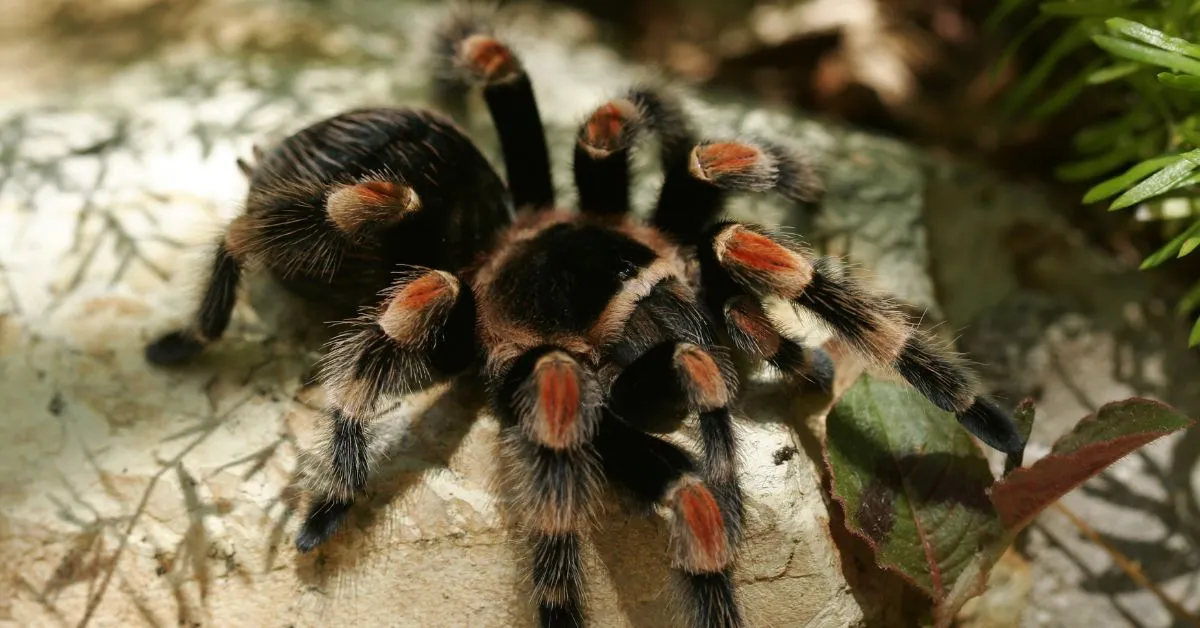
What is the Mexican Red Knee Tarantula?
The Mexican Red Knee Tarantula (Brachypelma hamorii) is a beloved species among tarantula enthusiasts. Known for its striking appearance and relatively docile temperament, it’s a popular choice for both beginners and experienced keepers. Native to the Pacific coast of Mexico, this spider has captivated the hearts of many with its unique beauty and fascinating behavior. These spiders are not only visually stunning but also offer a unique glimpse into the world of arachnids, making them a rewarding pet for those who can provide the appropriate care. Understanding the basics of this tarantula is the first step in appreciating its intriguing life cycle, including its mating process.
Appearance and Characteristics of the Mexican Red Knee Tarantula
The Mexican Red Knee Tarantula is easily recognizable due to its vibrant coloration. It features a black body with striking red-orange markings on its legs, giving it its namesake. This contrast is particularly eye-catching and makes it one of the most visually appealing tarantula species. Adults can grow to be quite large, with a leg span of up to 6 inches. Their bodies are covered in hairs, which serve sensory functions and are used in defense. The females are generally larger than the males and have a longer lifespan, often living for 20-25 years in captivity. The male typically lives only a few years after reaching maturity, especially after mating. The carapace has a distinct shape, adding to their overall impressive appearance.
Habitat and Distribution

Mexican Red Knee Tarantulas are native to the arid scrublands and tropical deciduous forests of the Pacific coast of Mexico. They are found in burrows, often under rocks, logs, or other natural shelters, where they spend most of their time. Their natural habitat influences their behavior and needs in captivity. The environment is typically dry, and they thrive in temperatures between 75-85°F (24-29°C). Understanding their habitat is crucial for providing the right conditions in a terrarium. Creating a similar environment helps them thrive and exhibit natural behaviors, including the instinct to mate when the conditions are right.
Understanding Tarantula Mating
Tarantula mating is a complex process involving elaborate courtship rituals and specific behaviors. The timing and conditions must be right for successful reproduction. The male tarantula, once mature, goes through a process of producing sperm webs. He deposits his sperm onto these webs and then uses his pedipalps (small leg-like appendages near the mouth) to transfer the sperm to the female. The female, if receptive, will allow the male to mate. The success of mating depends on several factors, including the health and maturity of both spiders, environmental conditions, and the female’s willingness. Knowledge of these behaviors is essential for anyone interested in breeding these spiders.
The Significance of Mating in Tarantulas
Mating is essential for the continuation of the species. Without successful reproduction, tarantula populations cannot thrive. The process also highlights the unique behaviors and adaptations of these creatures. For breeders, understanding tarantula mating is the key to expanding their collection or contributing to the conservation of these species. It offers an intriguing glimpse into the natural world, demonstrating the complex interactions between males and females. The process also allows enthusiasts to study and appreciate the intricacies of tarantula biology and behavior. Successfully breeding tarantulas can be a rewarding experience, providing a deeper understanding of their life cycle.
5 Facts About Mexican Red Knee Tarantula Mating

Fact 1 The Male’s Role in Courtship
The male initiates courtship by drumming his pedipalps and legs on the ground, producing vibrations that attract the female. He then approaches her carefully, often displaying his mating hooks (modified tibial spurs) on his front legs. These hooks are used to hold the female’s fangs during mating, preventing her from attacking him. The male’s primary goal is to signal his intentions and secure a safe mating opportunity. His actions include specific postures and movements to reassure the female, ensuring a successful mating attempt. This courtship ritual is a dance of survival, as the male risks being attacked at any moment.
Fact 2 The Female’s Acceptance
The female’s acceptance is crucial. She may either accept the male or reject him, depending on her receptiveness. If she is receptive, she will allow him to approach and mate. This decision is often influenced by the male’s display and the environmental conditions, such as temperature and humidity. If the female is not receptive, she may attack and consume the male. Therefore, the male must be cautious and skilled in his approach. The female’s behavior is a key element of tarantula mating. Only when she is ready will the process begin.
Fact 3 The Mating Process

During mating, the male inserts his pedipalps into the female’s epigastric furrow (a structure on her underside) to deposit sperm. The process is relatively quick, often lasting only a few minutes. The male may need to mate multiple times to ensure successful fertilization. After mating, the male quickly retreats to avoid being eaten by the female. The entire process is a delicate balance of courtship, acceptance, and the transfer of genetic material, all happening in a matter of minutes. Successfully completing this process ensures the continuation of their lineage.
Fact 4 The Aftermath
After mating, the male’s survival is not always guaranteed. He may be eaten by the female, especially if he hesitates or the female is still hungry. If the male survives, he will retreat to safety and may molt again. The female will now focus on preparing for egg laying. She will create a silken egg sac, where she will deposit the fertilized eggs. Understanding this period is critical for breeders as it impacts the future. If she has successfully mated, the female’s body will begin the process of producing eggs. The male either survives to mate again or becomes a meal, highlighting the complex nature of tarantula life.
Fact 5 The Eggs and Spiderlings
The female will typically lay eggs within a few months after mating. She encloses the eggs in a silken egg sac, which she guards carefully. The incubation period varies depending on environmental conditions. After hatching, the spiderlings (baby tarantulas) will molt several times before becoming independent. The number of spiderlings varies, but a healthy female can produce hundreds. These spiderlings are tiny and require specialized care to ensure their survival and growth. The female’s maternal instincts are crucial in protecting the eggs until the spiderlings are ready to face the world.
Caring for Spiderlings

Caring for spiderlings involves providing a suitable environment, including appropriate temperature and humidity levels. They require small, secure enclosures and access to fresh water. Their diet consists of small insects, such as fruit flies or pinhead crickets. Proper ventilation is essential to prevent mold and maintain a healthy environment. Careful monitoring of their growth and molting is necessary. This critical phase is where most mortality can occur. Dedicated breeders provide specific care to ensure high survival rates. This involves regular feeding, careful cleaning, and ensuring the right temperature and humidity conditions.
Ensuring Successful Breeding
Successful breeding requires careful planning and preparation. This includes ensuring that the male and female are healthy and of breeding age. Providing the correct environmental conditions is essential, including proper temperature and humidity. The timing of the breeding attempt is crucial. The breeder needs to observe and prepare the female, making sure she is well-fed and receptive. Careful monitoring of the process and providing the right care after mating can greatly increase the chances of successful egg laying and spiderling survival. It is a long-term commitment, requiring dedication and expertise.
Environment
The environment plays a crucial role in successful tarantula mating. The right temperature, humidity, and lighting conditions are important. The enclosure should simulate the natural habitat of the species, providing a sense of security and encouraging natural behaviors. A well-maintained enclosure also minimizes stress and the risk of diseases. Provide adequate substrate and hiding places. By creating the right environment, breeders can create an ideal breeding environment, and increase the likelihood of successful mating and reproduction.
Nutrition

Nutrition is another key factor in successful breeding. Healthy tarantulas are more likely to mate and produce viable eggs. Breeders should provide a balanced diet of insects, such as crickets, mealworms, and roaches, enriched with supplements. Proper nutrition helps both male and female tarantulas to thrive. They should be fed regularly, with access to fresh water. A well-nourished female is more likely to lay healthy eggs, which is essential for the next generation. Proper feeding provides the necessary energy and nutrients for mating and reproduction.
Conclusion
Mating Mexican Red Knee Tarantulas is a fascinating process, offering insights into the intricate lives of these arachnids. From the male’s courtship to the female’s acceptance and egg laying, each stage is essential for successful reproduction. Understanding these processes is crucial for anyone interested in breeding tarantulas. With proper care, attention to detail, and respect for their needs, you can contribute to the preservation of this beautiful species and witness the wonders of nature firsthand. Enjoy the unique experience of observing and caring for these amazing creatures!