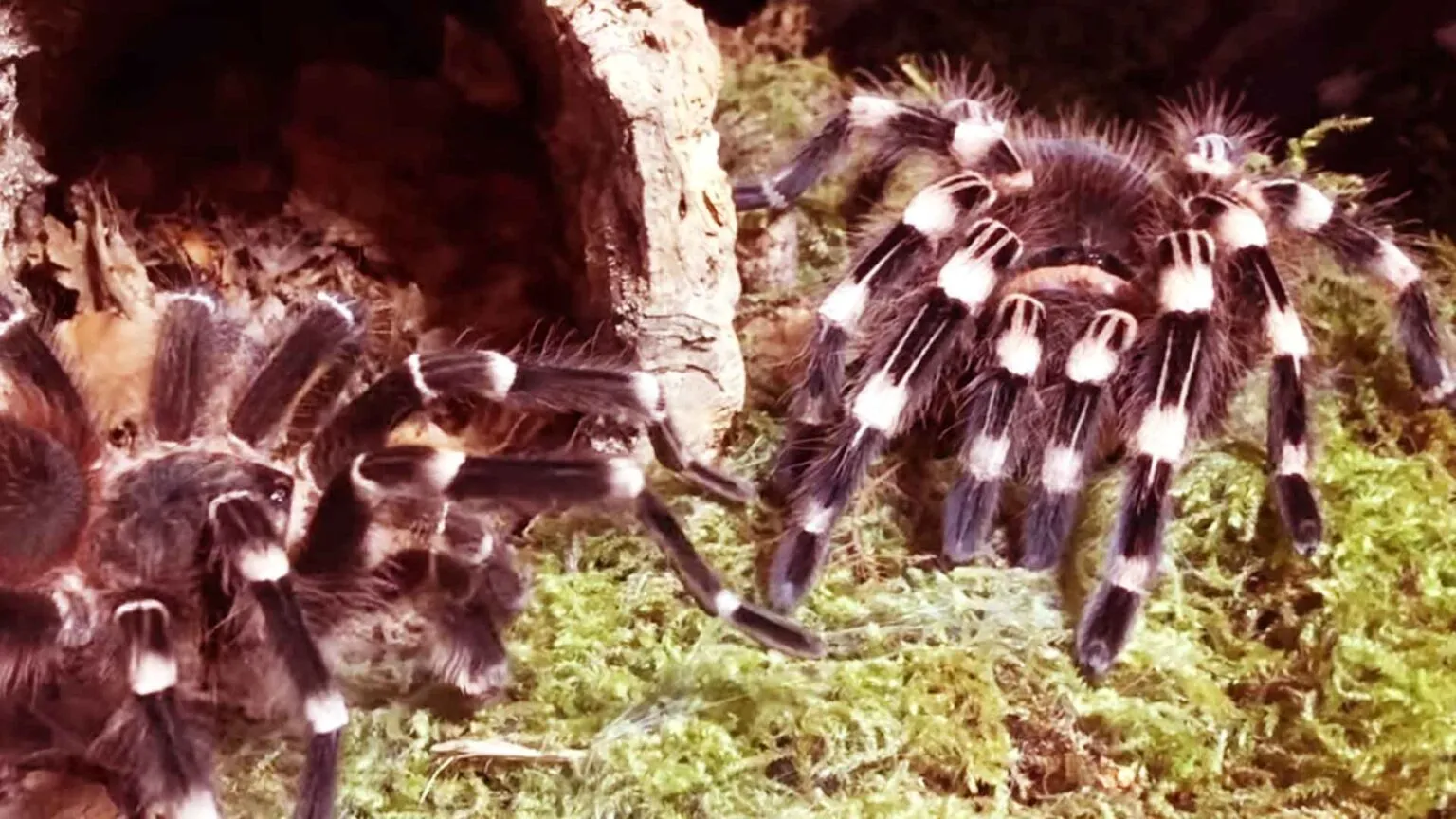
The Brazilian Giant White Knee Tarantula Lifespan
The Brazilian Giant White Knee Tarantula, scientifically known as Acanthoscurria geniculata, is a popular pet among tarantula enthusiasts. One of the primary considerations for potential owners is the tarantula’s lifespan. Understanding how long these fascinating creatures live is crucial for providing proper care and planning for the long term. This guide delves into the various factors that affect the lifespan of the Brazilian Giant White Knee Tarantula, providing valuable insights for both new and experienced keepers. The lifespan of a tarantula isn’t just about how many years it survives; it’s also about the quality of life it experiences during those years. Proper care, including appropriate housing, diet, and environmental conditions, significantly influences longevity and overall well-being. This information is crucial for anyone considering adding one of these captivating arachnids to their home.
Factors Influencing Lifespan
Several factors contribute to the lifespan of a Brazilian Giant White Knee Tarantula. These factors, ranging from environmental conditions to dietary habits, have a profound impact on how long these creatures live. By understanding and managing these elements, keepers can significantly enhance their tarantula’s chances of a long and healthy life. Ignoring these factors can lead to a shortened lifespan, and a generally less vibrant life for the tarantula. Furthermore, these factors aren’t isolated; they often interact, making a holistic approach to tarantula care essential. Each aspect plays a critical role, and their combined effect determines the overall health and longevity of the tarantula.
Temperature and Humidity

Maintaining the correct temperature and humidity levels within the tarantula’s enclosure is paramount. Brazilian Giant White Knee Tarantulas thrive in a warm and humid environment, typically requiring temperatures between 75-85°F (24-29°C) and a humidity level of 70-80%. Incorrect temperature can slow down metabolism, affecting molting and feeding, while inadequate humidity leads to dehydration. Use a reliable thermometer and hygrometer to monitor the conditions regularly, and make necessary adjustments. Misting the enclosure and providing a water dish can help maintain humidity. Proper ventilation is also important to prevent mold and bacteria growth, ensuring a healthy environment.
Diet and Nutrition
A balanced diet is vital for a long and healthy life. These tarantulas are opportunistic feeders, typically consuming insects such as crickets, roaches, and mealworms. The size and frequency of feeding should be adjusted based on the tarantula’s size and growth stage. Overfeeding can lead to health problems, while underfeeding can stunt growth and weaken the tarantula. Providing a variety of insects ensures that the tarantula receives a wide range of nutrients. Always remove uneaten food to prevent the build-up of mites and other pests. Ensure that the insects offered are gut-loaded with nutritious foods before feeding them to your tarantula.
Environmental Factors
The environment within the enclosure significantly impacts the tarantula’s health and lifespan. A properly sized enclosure with appropriate substrate, such as peat moss or coconut fiber, allows the tarantula to burrow and feel secure. Provide hiding places, such as cork bark or artificial plants, to reduce stress. Avoid using harsh chemicals or cleaning agents near the enclosure, as these can be harmful. The enclosure should be kept clean, removing any waste regularly to prevent diseases. Regular monitoring of the environment ensures that it remains conducive to the tarantula’s well-being. Creating a stable and enriching environment minimizes stress and promotes a healthier life.
Gender Differences in Lifespan

One of the most significant differences in lifespan between male and female Brazilian Giant White Knee Tarantulas is the length of time they live. Understanding these differences is critical for setting realistic expectations and providing appropriate care. It is generally accepted that female tarantulas live considerably longer than their male counterparts, which is a key consideration for any prospective owner. This disparity is primarily due to the roles each gender plays in reproduction and their respective biological processes.
Male Lifespan
Male Brazilian Giant White Knee Tarantulas typically have a shorter lifespan compared to females. After reaching sexual maturity, which can occur within 2-3 years, males often live for only a few months to a year. The primary reason for this shortened lifespan is the energy expenditure during the mating process, as well as the inherent stresses associated with it. Furthermore, males often stop eating as they search for a mate, which contributes to their shorter lifespan. Once they mature, males’ primary function is to reproduce, and this process takes a heavy toll on their physical condition. The focus shifts entirely to mating, leading to reduced activity in other areas of life.
Female Lifespan
Female Brazilian Giant White Knee Tarantulas have a considerably longer lifespan, often living for 10-15 years or even longer with proper care. This extended lifespan allows females to molt many times and reproduce multiple times, contributing to the long-term health and well-being of the species. The female’s lifespan is heavily influenced by her ability to molt successfully and avoid environmental stressors. Proper care practices, including appropriate diet and environmental conditions, are crucial for maximizing female longevity. Female tarantulas can continue to molt throughout their lives, unlike males, and this process is key to their extended lifespans.
Top 5 Facts About Brazilian Giant White Knee Tarantula Lifespan

Fact 1 Average Lifespan
On average, female Brazilian Giant White Knee Tarantulas can live for 10-15 years, while males typically live for only 2-3 years after reaching maturity. This significant difference in lifespan underscores the importance of understanding gender-specific care requirements. Female tarantulas’ longer lifespan is a key consideration for those planning to own one, ensuring they are prepared for the long-term commitment. This average lifespan is under optimal conditions. Proper care can sometimes extend the lifespan even further, showcasing the importance of good husbandry.
Fact 2 Sexual Maturity
Brazilian Giant White Knee Tarantulas typically reach sexual maturity within 2-4 years. This milestone marks a significant change in the tarantula’s life, particularly for males, who then begin searching for mates. The onset of sexual maturity influences the behavior and lifespan of both genders, highlighting the importance of understanding this life stage. Reaching sexual maturity signifies the end of the growth phase and the beginning of reproductive activity. The timing of this stage is heavily dependent on factors like diet, temperature, and overall care, influencing the lifespan of the tarantula.
Fact 3 Impact of Molting

Molting is a crucial process for growth and health, where the tarantula sheds its exoskeleton. Successful molting contributes to a longer lifespan, as it allows the tarantula to replace damaged or worn parts. The frequency of molting decreases as the tarantula ages. Proper environmental conditions, including adequate humidity and temperature, are essential for a smooth molt. A successful molt is a sign of a healthy and well-cared-for tarantula, and any issues during this process can impact the tarantula’s lifespan.
Fact 4 Predatory Threats
In the wild, these tarantulas face threats from predators, but in captivity, they are relatively safe. The main threat in captivity is from poor care practices or accidental injuries. Ensuring a secure enclosure, proper handling, and a clean environment is crucial to mitigate these threats. Awareness of potential dangers helps owners provide a safe habitat. Avoiding overcrowding and preventing escapes is essential. While predatory threats are less of a concern in captivity, other factors like improper care can affect their lifespan.
Fact 5 Care and Maintenance
Consistent and proper care is essential for maximizing the lifespan of a Brazilian Giant White Knee Tarantula. This includes providing a suitable habitat, a balanced diet, and regular monitoring for any signs of illness. Regular checks for humidity, temperature, and cleanliness are vital. Careful attention to these elements ensures that the tarantula remains healthy and lives a long, fulfilling life. Investing time in proper care is an investment in the tarantula’s overall well-being and longevity.
Ensuring a Long Lifespan

Providing optimal conditions is key to ensuring a long lifespan for your Brazilian Giant White Knee Tarantula. By focusing on several key areas of care, you can significantly improve the likelihood of your tarantula living a long and healthy life. The details below are a synthesis of best practices and scientific knowledge regarding tarantula care. Implementing these guidelines requires a commitment to the well-being of the animal, rewarding both the keeper and the tarantula with a better quality of life.
Proper Housing
Choosing the right enclosure is fundamental. It should be appropriately sized, allowing the tarantula to move comfortably and providing enough space for its activities, such as burrowing. The enclosure should be well-ventilated, with secure lids to prevent escape. Use a substrate like peat moss or coconut fiber, which retains humidity. Include hiding places such as cork bark or artificial plants to provide a sense of security. The design of the enclosure should mimic the tarantula’s natural habitat, creating a comfortable and stress-free environment. Secure the enclosure to avoid escapes, which pose risks to the tarantula and its surroundings.
Consistent Feeding Schedule
Establishing a consistent feeding schedule is crucial for maintaining health. Juvenile tarantulas should be fed more frequently, possibly twice a week, while adults can be fed less often, perhaps once a week or every other week. The diet should consist primarily of insects such as crickets, roaches, and mealworms, offering a variety of nutrients. Monitor the tarantula’s feeding habits and adjust the diet as needed. Remove any uneaten food within 24 hours to prevent mold and mites. Observe the tarantula’s condition and adjust the feeding amount based on its needs. Overfeeding can cause health problems, while underfeeding can stunt growth.
Regular Monitoring

Regularly monitor your tarantula for signs of illness or distress. Look for changes in behavior, appetite, or physical appearance. Check the enclosure’s temperature and humidity levels frequently, making any necessary adjustments. Observe the tarantula during molting, as it can be a vulnerable time. If you notice any unusual behavior, such as lethargy or loss of appetite, consult with a veterinarian specializing in exotic animals. Early detection of health issues can prevent serious problems. Consistent observation is a cornerstone of responsible tarantula ownership.
Common Mistakes to Avoid
Avoiding common mistakes can greatly increase the chances of a long and healthy life for your Brazilian Giant White Knee Tarantula. Several pitfalls can affect the tarantula’s well-being, and awareness of these issues is key to preventing them. From overfeeding to improper humidity, recognizing and correcting these issues is vital to responsible tarantula ownership. Understanding these common mistakes empowers keepers to provide better care, ensuring a longer and more fulfilling life for their pet tarantula.
Overfeeding
Overfeeding is a frequent mistake that can lead to a shorter lifespan. While it may seem counterintuitive, providing too much food can lead to obesity and related health issues. Overfed tarantulas may have difficulty molting, and their overall health can suffer. Monitor the tarantula’s abdomen and feeding habits to avoid overfeeding. Adjust the frequency and amount of food based on its size and needs. Feeding them only when their abdomen appears slightly smaller is a good indicator. It is always better to underfeed than to overfeed, as this will reduce the risk of the tarantula’s health deteriorating.
Improper Humidity

Maintaining the correct humidity levels is crucial. Both too much and too little humidity can harm a tarantula. Too little humidity can lead to dehydration, which can be fatal, while too much can cause mold and fungal growth within the enclosure. Use a hygrometer to monitor humidity levels. Mist the enclosure with distilled water as needed to maintain the appropriate humidity range of 70-80%. Ensuring adequate ventilation is also important to prevent excessive humidity. Regular monitoring and adjustment are essential for maintaining an ideal environment for the tarantula’s health and longevity.
Conclusion
Understanding the lifespan of the Brazilian Giant White Knee Tarantula is essential for responsible pet ownership. By considering the factors that influence their longevity, providing proper care, and avoiding common mistakes, you can ensure that your tarantula lives a long, healthy, and fulfilling life. Remember that the commitment to a tarantula goes beyond simply providing a habitat. It involves a continuous process of learning, observation, and adaptation to meet the needs of this fascinating creature. With proper care and attention, you can enjoy the unique experience of owning a Brazilian Giant White Knee Tarantula for many years to come.