What is the Largest Tarantula An Introduction
The world of arachnids is filled with fascinating creatures, and among them, tarantulas stand out as some of the most impressive. These large, hairy spiders often capture our attention, and the question of which is the largest tarantula is a common one. This article delves into the realm of giant spiders, exploring their characteristics, habitats, and the intriguing details that make them so captivating. Prepare to uncover facts about these impressive creatures and learn about the Goliath Birdeater, the undisputed champion in the tarantula world.
Goliath Birdeater The Reigning Champion
The title of ’largest tarantula’ belongs to the Goliath Birdeater (Theraphosa blondi). This impressive arachnid, native to the rainforests of northern South America, earns its name from its size and the occasional consumption of small birds, although their diet primarily consists of insects, other invertebrates, and sometimes small vertebrates. The Goliath Birdeater is not only the largest in terms of mass and leg span but also holds a certain mystique due to its imposing presence. Its sheer size is enough to instill awe in anyone who encounters it.
Size and Weight Giant Tarantula Dimensions

When discussing the size of the Goliath Birdeater, it’s important to consider both its leg span and its weight. These spiders can have a leg span of up to 12 inches (30 centimeters), which is larger than a dinner plate. In terms of weight, they can tip the scales at over 6 ounces (170 grams), making them one of the heaviest spiders in the world. This combination of a wide leg span and significant mass gives them an imposing appearance. The Goliath Birdeater’s size is a testament to its successful adaptation to its environment, allowing it to effectively hunt and survive.
Habitat Where do Goliath Birdeaters Live
The Goliath Birdeater thrives in the humid rainforests of northern South America, particularly in countries like Suriname, Guyana, French Guiana, and parts of Brazil and Venezuela. These spiders prefer to live in burrows, often found near swamps or in marshy areas where the soil is moist and easily dug. Their burrows provide shelter from predators and the elements, offering a safe place to rest and ambush prey. The dense foliage and high humidity of their rainforest habitat create an ideal environment for these giants to flourish. The specific location of the goliath birdeater is critical for the spider to survive and thrive in its natural habitat. The constant humidity and moderate temperature are important for the spiders’ health.
Appearance Colors and Features
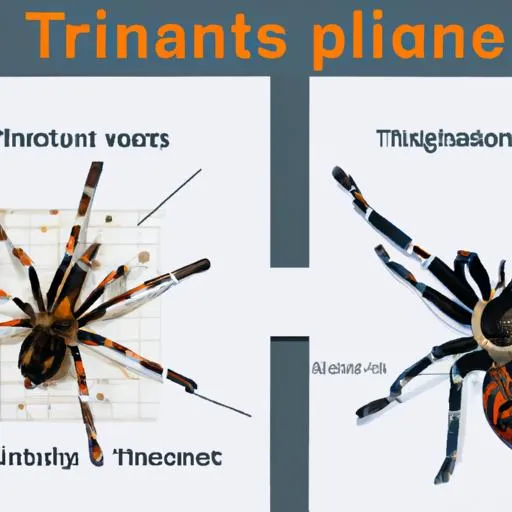
The Goliath Birdeater has a distinctive appearance that makes it easily recognizable. Its body is covered in brown hairs, which can range in shade from light tan to a deep chocolate brown. The legs are thick and robust, designed for both walking and digging. Like other tarantulas, the Goliath Birdeater has two main body parts the cephalothorax (fused head and thorax) and the abdomen. They also have chelicerae, which are the fangs used to inject venom and subdue prey. The coloration helps the spider blend in with its surroundings, providing camouflage for hunting and protection from predators. The impressive presence of the Goliath Birdeater stems from these characteristics.
Diet What Do They Eat

Despite its name, the Goliath Birdeater rarely eats birds. Its diet primarily consists of insects, such as crickets, beetles, and cockroaches. However, they are opportunistic hunters and will also consume other invertebrates, such as worms, and sometimes small vertebrates like lizards, frogs, and even small snakes. They use their large fangs to inject venom into their prey, which paralyzes them, and then they inject digestive enzymes to break down the tissues, making the meal easier to consume. The Goliath Birdeater’s hunting strategy is a testament to its adaptability and predatory prowess.
Lifespan How Long Do They Live
Tarantulas, including the Goliath Birdeater, have relatively long lifespans compared to many other invertebrates. Female Goliath Birdeaters can live for 15 to 25 years, while males typically have a shorter lifespan, living for only 3 to 6 years. The long lifespans of females are attributed to their slower metabolism and their ability to molt (shed their exoskeleton) multiple times throughout their lives. The longevity of these spiders makes them fascinating creatures to study and observe, providing a glimpse into the extended life cycles of the animal kingdom.
Behavior Are They Aggressive
Goliath Birdeaters are generally not aggressive, but they will defend themselves if they feel threatened. They possess urticating hairs on their abdomen, which they can flick off to irritate potential predators. These hairs are a defense mechanism that can cause skin irritation and itching. If provoked, they might also rear up and display their fangs as a warning. However, they usually prefer to retreat into their burrows rather than engage in a fight. Understanding their behavior is key to appreciating these giant spiders safely.
Venom Is the Bite Dangerous

The venom of the Goliath Birdeater is not considered particularly dangerous to humans. While a bite can be painful and cause localized pain, redness, and swelling, it is not life-threatening. The primary concern is more related to the spider’s large fangs, which can cause a deep puncture wound. The urticating hairs are a more common source of irritation than the venom itself. Nevertheless, anyone bitten by a tarantula should clean the wound and seek medical attention if symptoms worsen or if there are signs of an allergic reaction.
Conservation Status Are They Endangered
The Goliath Birdeater is not currently listed as endangered, but like many species, it faces threats from habitat loss due to deforestation and the pet trade. While they are not critically endangered, their populations can be affected by the destruction of their rainforest habitats. Conservation efforts should focus on protecting their natural environments and promoting sustainable practices. It is important to be informed about the ecological context of these creatures, so they can thrive.
Other Large Tarantula Species
Several other tarantula species come close in size to the Goliath Birdeater, including the Pinkfoot Goliath and the Brazilian Giant Blonde. These species also exhibit impressive sizes and characteristics, making them fascinating subjects for study and observation. The variety among tarantulas highlights the biodiversity of the arachnid world. Each species has its unique adaptations and behaviors that allow it to thrive in its particular environment.
The Importance of Tarantulas in the Ecosystem

Tarantulas, including the Goliath Birdeater, play an important role in their ecosystems. They are predators that help control insect populations, contributing to the balance of the food chain. They also serve as a food source for larger animals. Furthermore, the study of tarantulas provides valuable insights into biodiversity, arachnid biology, and the intricate relationships within ecosystems. Understanding these roles underscores the importance of protecting these fascinating creatures and their habitats. Their conservation contributes to the health and diversity of the natural world, and their existence adds another layer of complexity to nature.