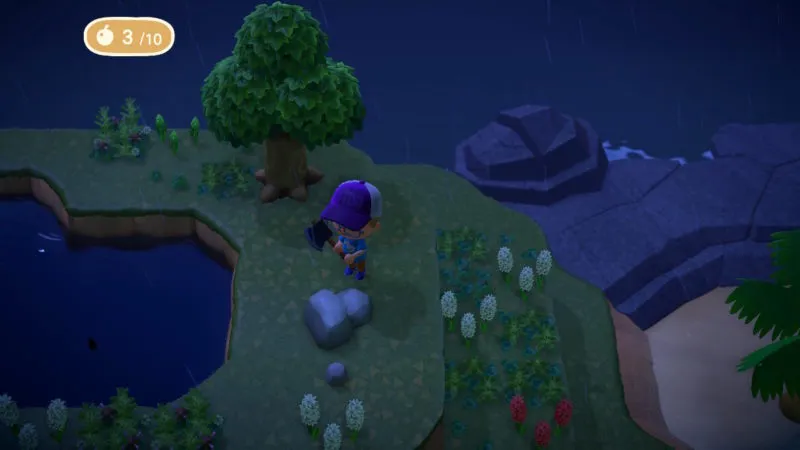
Understanding Tarantula Spawn Mechanics
Animal Crossing New Horizons offers a captivating world filled with activities, and one of the most lucrative is tarantula farming. These nocturnal creatures can fetch a high price, making them a desirable target for players. To successfully spawn tarantulas, understanding their spawn mechanics is crucial. These mechanics govern when and where tarantulas appear, influencing your farming strategy. Knowing the specific conditions will significantly increase your chances of encountering and capturing these valuable arthropods, transforming your island into a tarantula haven. Effective tarantula farming requires a blend of knowledge, preparation, and patience, turning the process into a rewarding experience within the game.
Tarantula Spawn Conditions
Tarantulas in New Horizons follow specific conditions for spawning, making their appearance predictable once you grasp these factors. These conditions determine whether tarantulas will spawn on your island, influencing the success of your farming efforts. Timing, weather, and island environment all play critical roles, directly impacting your ability to find and capture these creatures. Each aspect must be optimized for maximum effectiveness. Understanding the interaction of these elements will dramatically improve your chances of creating a profitable tarantula farming operation.
Island Type and Time

Tarantulas typically spawn on islands with specific environmental conditions. First, tarantulas are active during the evening hours, starting at 7 PM and disappearing by 4 AM. Second, tarantulas are more likely to spawn on your island if you have a flat, open space. The type of island also plays a crucial role, with certain island layouts being more favorable for tarantula spawning. Furthermore, the time of year impacts the spawn rates, so it’s essential to consider the season when planning your tarantula farming endeavors. The key is to maximize the available spawnable area during the ideal hours.
Weather Conditions
Weather conditions directly influence the spawn rate of tarantulas. Rainy weather will almost certainly prevent tarantulas from spawning. Clear skies are optimal for spawning tarantulas. Make sure the weather forecast is favorable for the hours you plan to farm. Keeping an eye on the weather forecast will prevent wasted time and optimize your farming strategy. Planning your tarantula hunting around the weather will significantly improve the efficiency of your farming sessions. Knowing what weather to expect will boost your chances of a successful tarantula hunt.
Clearing the Island
Clearing your island of obstacles is one of the most important steps in tarantula farming. The goal is to create open spaces for tarantulas to spawn, so removing anything that could prevent them from appearing is crucial. This involves carefully managing different elements of your island to maximize spawn potential. Your dedication to clearing will directly influence the number of tarantulas that appear, making this step a fundamental part of the process. Proper island preparation is essential for making the most of your tarantula farming attempts, ensuring a high spawn rate.
Removing Obstacles

Remove all unnecessary items, like furniture, weeds, and dropped items, to free up space for tarantulas. These objects can prevent tarantulas from spawning, and clearing them ensures there are more locations for tarantulas to appear. The goal is to maximize the spawnable area on your island. Clearing these obstacles creates a more efficient environment for farming, making your efforts significantly more rewarding. This process is essential for boosting tarantula spawns, transforming your island into an ideal habitat for them.
Flower Management
Flowers can also impact tarantula spawning. While a few flowers won’t necessarily prevent spawns, large fields of flowers can reduce the spawn rate. Consider removing or transplanting flowers to create more open ground. Careful flower management helps in optimizing your island layout to encourage more tarantulas. Create a balance between aesthetic appeal and farming efficiency. Regular maintenance will pay off through more frequent tarantula appearances, boosting your farming potential.
Rock Removal
Rocks on your island are a significant factor, as they can prevent tarantulas from spawning. Ensure you remove all rocks from the areas you intend to use for tarantula farming. This creates more open space for tarantulas to spawn. Rock removal streamlines the spawning process. Without rocks, tarantulas can spawn much more readily, maximizing your chances of a successful farming session. Proper rock removal is an essential part of tarantula farming success.
Creating a Tarantula Island

Creating a dedicated tarantula island is the most efficient method to farm them consistently. This requires strategic preparation and design, optimizing the environment for tarantula spawning. Transforming an island into a tarantula haven involves careful planning and execution, but the rewards are worth the effort. By focusing on specific details and arrangements, you can significantly increase your tarantula spawn rates and overall farming success. The design elements you implement will contribute to making your island a perfect spot for tarantulas.
Essential Preparations
Before designing your tarantula island, certain preparations are essential. First, you’ll need an island with the right characteristics. Clear all items and weeds, and ensure the land is mostly flat. Make sure to have the necessary tools such as shovels to create paths and cliffs, and a net for catching tarantulas. Preparing your island in advance ensures your farming efforts are effective and profitable. Detailed preparations are crucial for a smooth and successful farming session. Plan every aspect of your island design and material needs to maximize your efficiency.
Resource Gathering
Gathering resources, such as iron nuggets, is a must, especially if you want to build fences to create paths. You might need materials to create bridges to navigate your tarantula island efficiently. Collecting enough resources before you begin your island setup will ensure you can proceed without interruption. Resources like wood, stone, and iron are used to customize your island, creating the optimal environment for tarantula spawning and farming. Always gather more than you think you’ll need to avoid downtime during the island design phase.
The Tarantula Island Design

A well-designed tarantula island typically features a central area where the tarantulas will spawn. This area should be completely cleared of any obstacles. Around the perimeter, you might have paths or cliffs to control movement. Consider adding water features to limit the space tarantulas can move, making it easier to catch them. Thoughtful design will simplify the entire process, boosting your success rate and making tarantula farming less tedious. Think about how the island will work and what design will offer the best results and most fun.
Maximizing Spawn Rates
To maximize tarantula spawn rates, you need to combine the previously discussed elements. By optimizing conditions and continuously refining your approach, you can significantly increase the frequency of tarantula appearances. This section will focus on the best practices for increasing the number of tarantulas. From strategic movements to preventing other bugs, understanding these techniques will help you improve your farming efficiency. These are proven strategies that are designed to make the most of your time and efforts, making tarantula farming more rewarding.
Player Actions and Movement
Your actions and movement on the island influence spawn rates. Walk slowly and deliberately, as tarantulas are easily startled. Move in a way that doesn’t scare them, allowing you to approach them without being attacked. When you spot a tarantula, freeze, and slowly approach it with your net ready. Proper movement minimizes the risk of startling them. A slow and steady approach is critical to capturing these creatures safely. These actions will help you approach each tarantula with ease.
Avoiding Other Bugs

Besides tarantulas, other bugs can interfere with your farming. Some bugs will compete with tarantulas for spawning space, reducing your tarantula yield. To minimize this, keep an eye out for other bugs and scare them away. The goal is to clear your island of any bug species that might prevent tarantula spawns. Careful elimination of these elements creates an environment that favors tarantulas. Constant vigilance will help maintain a high tarantula spawn rate during your farming sessions.
Catching and Selling Tarantulas
Once tarantulas spawn, the next step is catching and selling them to make a profit. This is the culmination of your efforts and requires precision and timing. Understanding the best catching techniques and knowing the optimal ways to sell your tarantulas will maximize your earnings. This section will guide you on how to successfully capture and profit from these valuable creatures. Master these techniques, and you’ll be well on your way to becoming a tarantula farming tycoon.
Catching Techniques
Tarantulas are aggressive and will attack if approached directly. To catch them, equip your net and approach them slowly. If a tarantula raises its front legs, stop moving immediately. Once it lowers its legs, you can take a step forward. Repeat this process until you are close enough to swing your net. Timing your swings precisely is crucial. Remember to be patient and avoid sudden movements to avoid being bitten. Practice these techniques, and you’ll significantly improve your success rate in catching tarantulas.
Selling for Profit
Tarantulas sell for a high price, making them a valuable commodity. You can sell them to Timmy and Tommy at Nook’s Cranny or to Flick, who will pay a higher price. Selling to Flick maximizes your profits, so consider saving your tarantulas until he visits your island. To maximize your income, plan your farming around Flick’s visits. Understanding the best selling strategies will help you make the most of your tarantula farming efforts.
Troubleshooting Common Issues
Even with careful preparation, you may encounter issues. Common problems include low spawn rates, too many other bugs appearing, or difficulty catching tarantulas. These issues require careful troubleshooting to ensure you’re optimizing your tarantula farming setup. Knowing how to resolve common problems will enable you to improve your tarantula farming success. This section provides solutions to the common issues you might face. Taking the time to troubleshoot can make all the difference in your success.