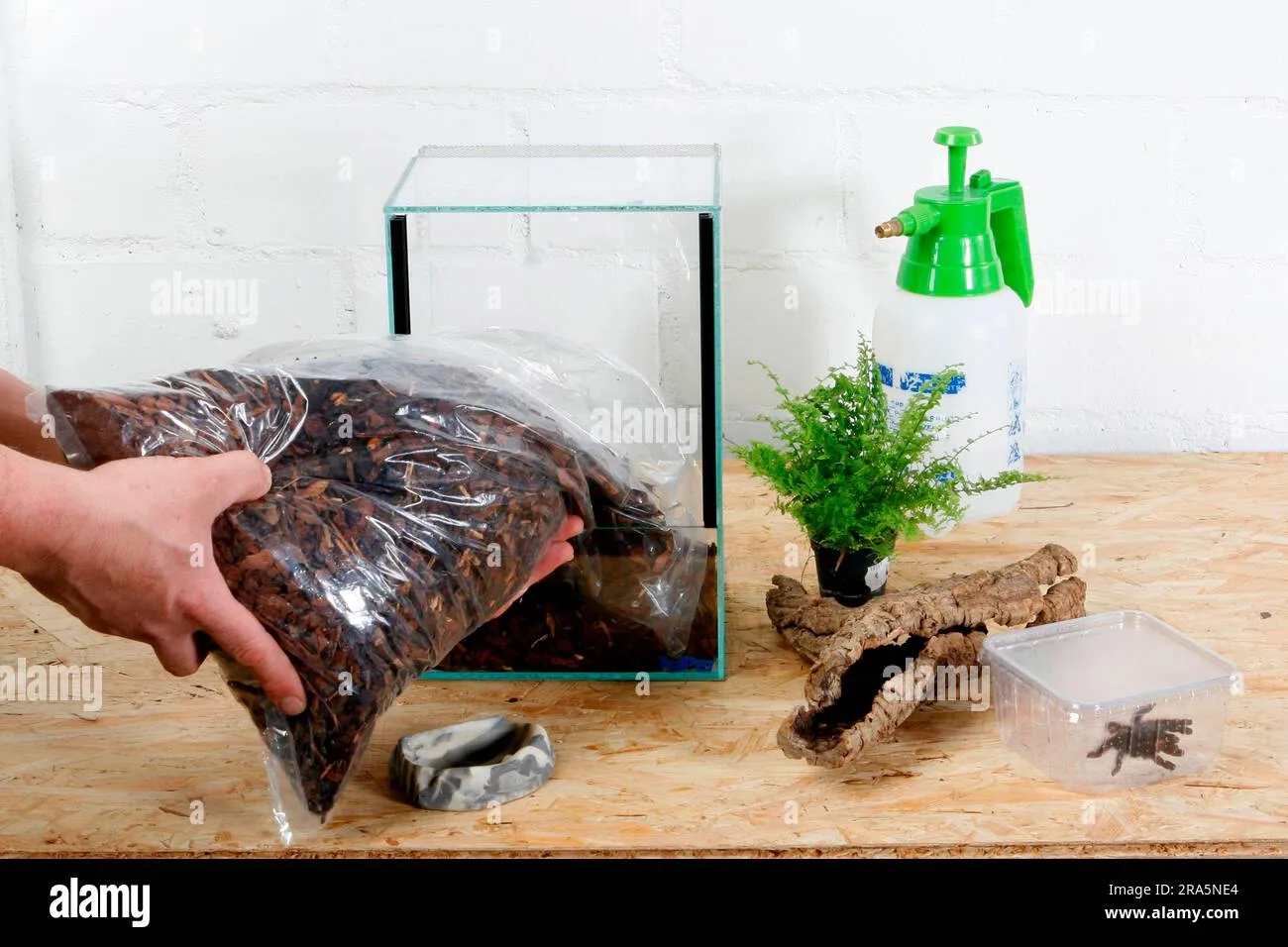
Creating a thriving environment for your tarantula is crucial for its health and well-being. A well-designed terrarium replicates its natural habitat, allowing your eight-legged friend to feel safe and secure. This easy guide will walk you through every step, from selecting the right enclosure to maintaining the perfect conditions for your pet tarantula. By following these instructions, you can build a beautiful and functional home for your tarantula, ensuring it lives a long and happy life. With careful planning and execution, your tarantula terrarium will not only provide a comfortable home but also become a fascinating focal point in your space, showcasing the beauty of these amazing creatures.
Choosing the Right Terrarium
The foundation of a great tarantula terrarium starts with the enclosure itself. Choosing the right terrarium is paramount for your tarantula’s safety and comfort, and directly impacts your ability to maintain a healthy environment. There are several factors to consider, including size, material, and ventilation, all of which influence the overall well-being of your tarantula. The goal is to create a habitat that allows your tarantula to thrive, offering a balance of security, space, and proper environmental conditions. Take your time, assess your tarantula species’ specific needs, and select an enclosure that meets those needs effectively.
Size Matters
Size is a critical factor when selecting a terrarium. A general rule of thumb is to provide an enclosure that is at least three times the tarantula’s leg span in width and length, and at least twice its leg span in height. This ensures there is enough space for the tarantula to move around, burrow, and feel secure. Overly large enclosures can sometimes make it difficult for a tarantula to find food, while too small of an enclosure restricts movement and may stress the animal. Always consider the adult size of your tarantula species when making your decision, as they can grow significantly throughout their lives. A well-sized enclosure contributes to the overall health and happiness of your tarantula.
Glass vs. Acrylic

Both glass and acrylic terrariums have their pros and cons. Glass terrariums are generally more affordable and scratch-resistant, offering excellent visibility. However, they can be heavier and may not insulate as well as acrylic. Acrylic terrariums are lightweight, provide better insulation, and offer clearer views, but they are more prone to scratching. Ventilation is another important aspect; both types need appropriate ventilation, which we will explore further. Consider your budget, aesthetic preferences, and practical needs when choosing between glass and acrylic; both can make excellent homes for your tarantula as long as they provide a secure and well-ventilated environment.
Ventilation is Key
Proper ventilation is essential for preventing mold growth and maintaining the correct humidity levels. The enclosure should have adequate airflow to prevent stagnant air, which can lead to respiratory issues for your tarantula. Ventilation typically involves a combination of cross-ventilation (vents on opposite sides) and top ventilation (vents in the lid). The amount of ventilation required depends on the specific needs of your tarantula species. Monitor the humidity levels regularly and adjust the ventilation accordingly to maintain a healthy environment. Poor ventilation can lead to various health problems, so make sure the enclosure you choose provides adequate airflow.
Substrate Selection
The substrate forms the base of your tarantula’s terrarium and plays a vital role in its health and well-being. A suitable substrate provides a comfortable surface for the tarantula to walk on, helps regulate humidity, and can serve as a burrowing medium for species that like to dig. The ideal substrate should be safe, non-toxic, and capable of absorbing moisture. The choice of substrate can significantly impact the overall environment within the terrarium, influencing everything from humidity to the tarantula’s ability to perform natural behaviors.
Ideal Substrate Options

Several substrate options work well for tarantula terrariums. Coconut fiber is a popular choice because it retains moisture well, is readily available, and is relatively inexpensive. Sphagnum moss is another excellent option, especially for increasing humidity. A mix of peat moss and vermiculite can also work well, providing good moisture retention and drainage. Avoid substrates that contain pesticides or fertilizers. Regardless of the material you choose, be sure to use a substrate that is clean and free of harmful chemicals to ensure your tarantula’s safety. Experiment to see what works best for your particular tarantula species.
Substrate Depth and Maintenance
The depth of the substrate depends on the species of tarantula you have. For terrestrial species that burrow, a depth of 4-6 inches is usually sufficient to allow them to create tunnels. Arboreal species, which live in trees, generally require less substrate. Regular maintenance is crucial to prevent mold growth and keep the terrarium healthy. Spot-clean the substrate regularly, removing any uneaten food, feces, and shed exoskeletons. Replace the substrate entirely every 6-12 months, or more frequently if necessary, to maintain a clean and hygienic environment. Proper substrate depth and regular maintenance help create an optimal habitat for your tarantula.
Essential Decor and Hiding Spots
Decorating your tarantula’s terrarium not only enhances its aesthetic appeal but also provides essential enrichment for your pet. Providing hiding spots, climbing structures, and other elements that mimic the tarantula’s natural habitat is crucial for their psychological well-being. These elements help them feel safe and secure, which is essential for minimizing stress. Thoughtful decor also offers opportunities for the tarantula to engage in natural behaviors such as hiding, exploring, and ambushing prey.
Water Dish and Placement

A shallow water dish is a necessity for providing your tarantula with a constant source of fresh water. Place the water dish in a location that is easily accessible to the tarantula. Make sure the dish is shallow enough to prevent drowning, and clean it regularly to prevent the buildup of bacteria and mold. The size of the dish should be proportional to the size of your tarantula; a small dish is usually sufficient, but ensure it is always filled with clean water. The presence of a water dish is essential for your tarantula’s hydration and overall health, contributing to a comfortable environment.
Creating Hiding Places
Tarantulas are naturally secretive creatures that love to have a place to hide. Provide one or more hiding spots in the terrarium, such as a cork bark, a half-log, or a commercially available tarantula hide. Place the hide in a spot where the tarantula can easily access it, such as near a corner or a burrow. This will give your tarantula a sense of security and allow it to retreat when it feels threatened or wants privacy. Having a secure hiding place reduces stress and enables the tarantula to thrive in its environment. The presence of a hide significantly contributes to the overall welfare of the tarantula.
Temperature and Humidity Control
Maintaining the correct temperature and humidity levels is critical for your tarantula’s health. Different species have different requirements, so it is important to research the specific needs of your tarantula. The environment inside the terrarium directly impacts the tarantula’s ability to molt and its overall metabolic processes. Regular monitoring and adjustment of both temperature and humidity are essential to provide an optimal environment for your pet.
Heating Options

Heating is often necessary to maintain the desired temperature, especially in cooler climates. Heat lamps and under-tank heaters are common choices. If using a heat lamp, ensure it is positioned to provide a temperature gradient, with a warmer area and a cooler area. Under-tank heaters should be placed on the side or back of the enclosure, not directly under the substrate, to prevent overheating. Always use a thermostat to regulate the temperature and prevent it from becoming too hot. Monitor the temperature with a digital thermometer to ensure it remains within the correct range for your species. Proper heating ensures a comfortable environment and aids in digestion and other vital processes.
Monitoring Humidity Levels
Humidity is crucial for maintaining your tarantula’s health, especially for molting. Monitor humidity levels with a hygrometer. You can increase humidity by misting the enclosure with water, providing a deep substrate that retains moisture, and ensuring adequate ventilation. The required humidity level varies depending on the species, so research your tarantula’s specific needs. Avoid creating excessive humidity, as this can lead to mold growth and health problems. Regularly check and adjust the humidity levels to ensure they stay within the optimal range. Proper humidity contributes to the tarantula’s ability to molt successfully and supports its overall health.
Feeding and Watering Your Tarantula
Proper feeding and watering are essential for your tarantula’s survival. Feeding your tarantula the correct type and amount of food, and providing a constant supply of fresh water, will help it to grow and stay healthy. Developing a consistent feeding and watering schedule contributes to a thriving habitat, where the tarantula feels secure and well-cared-for, leading to a longer and healthier life. It is important to cater to the species-specific dietary requirements of your tarantula to ensure it receives all the necessary nutrients.
Feeding Frequency and Type

The feeding frequency depends on the age and size of your tarantula. Young tarantulas require more frequent feeding than adults. A good rule of thumb is to feed juveniles once or twice a week, while adults can be fed once or twice a month. The ideal food for a tarantula consists of insects such as crickets, mealworms, and roaches. The size of the prey should be approximately the same size as the tarantula’s abdomen. Remove any uneaten food within 24 hours to prevent mold growth. Always provide a variety of insects to ensure your tarantula receives a balanced diet. Proper feeding habits are critical to the tarantula’s overall health and well-being, directly impacting its ability to molt and thrive.
Watering Schedule
Provide fresh water in a shallow dish at all times. The water dish should be large enough for the tarantula to drink from and shallow enough to prevent drowning. Refill the water dish with clean water at least once a week. For smaller tarantulas, you can moisten the substrate in a corner of the terrarium instead of using a water dish. Maintaining a consistent watering schedule helps to prevent dehydration and facilitates the tarantula’s metabolic processes. Regular watering is essential for the tarantula’s survival and well-being, providing it with the necessary hydration.
Maintaining the Terrarium
Regular maintenance is essential for keeping your tarantula’s terrarium clean and healthy. Establishing a routine for cleaning and inspecting the enclosure helps to create and maintain an optimal living environment. Routine care ensures that the enclosure remains free of waste, prevents the buildup of harmful bacteria, and allows you to promptly address any potential issues before they become serious. Proper maintenance minimizes the risk of illness, supporting the tarantula’s overall health and well-being.
Cleaning and Spotting
Spot-clean the terrarium regularly, removing any uneaten food, feces, and shed exoskeletons. You can use tongs or tweezers to remove these items. Avoid disturbing the substrate too much, as it can stress your tarantula. For a more thorough cleaning, replace the substrate every 6-12 months, depending on the species and how quickly the substrate degrades. Use a mild soap solution to clean the enclosure walls and any decorations. Rinse thoroughly and allow them to dry completely before returning them to the enclosure. Cleaning your tarantula’s terrarium ensures a hygienic and comfortable environment and prevents the build-up of potentially harmful substances.
Regular Inspections
Inspect your tarantula and its terrarium regularly. Look for any signs of illness, such as loss of appetite, lethargy, or unusual behavior. Also, examine the enclosure for any signs of mold, mites, or other pests. Check the humidity and temperature levels daily to ensure they remain within the correct range. Regular inspections allow you to identify and address any potential issues promptly, ensuring your tarantula’s health and happiness. Early detection and intervention can prevent many potential problems and contribute to a thriving habitat.
Creating a tarantula terrarium can be a rewarding experience. By following these simple steps, you can provide your tarantula with a safe, comfortable, and enriching home. Remember to research the specific needs of your tarantula species to ensure you are providing the best possible care. With proper setup and maintenance, you can enjoy the fascinating world of tarantulas for many years to come. Your commitment to creating a great habitat is key to the overall health and well-being of your pet.